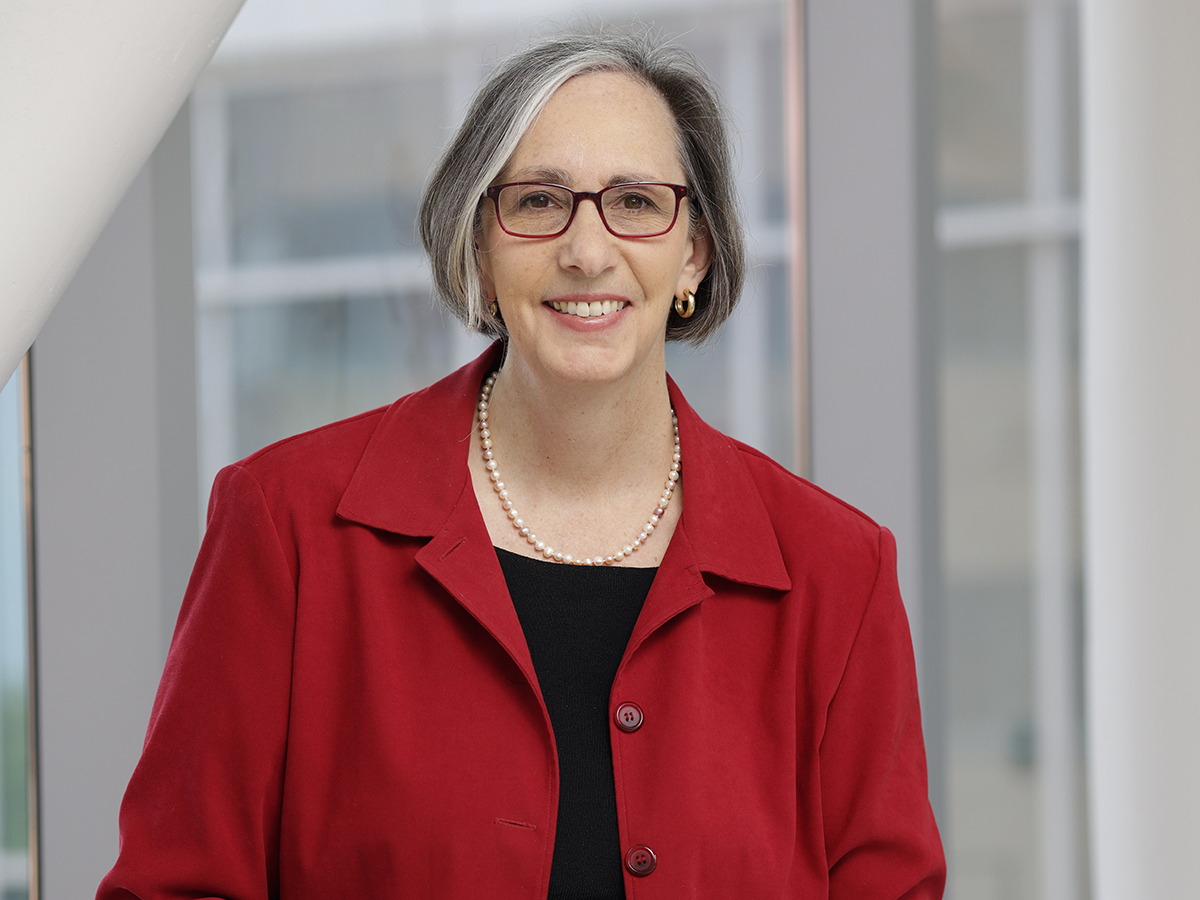
Dr. Anthony Letai has been sworn in as the director of the National Cancer Institute, bringing decades of expertise in cancer research, cell death, and treatment development, with a focus on advancing cancer cures and understanding biomarkers.
After revealing her breast cancer diagnosis and double mastectomy, actor Olivia Munn urged people to use the Breast Cancer Risk Assessment Tool, a questionnaire on the National Cancer Institute's website, to determine their breast cancer risk score. The tool, which has seen increased visits since Munn's post, provides a lifetime and five-year risk score based on various factors. However, it may not be suitable for everyone and should be used in consultation with a doctor. Munn's high score prompted further tests, highlighting the importance of early detection and personalized risk assessment in breast cancer prevention.
Dr. W. Kimryn Rathmell, a renowned kidney cancer expert and influential leader in cancer research and patient care, has begun her role as the 17th director of the National Cancer Institute (NCI). Selected by President Biden, Dr. Rathmell brings decades of experience in advancing research and driving innovation to improve care for cancer patients. She is known for her work in understanding the molecular and genetic drivers of kidney cancer and has contributed to the discovery of new biomarkers for early detection and treatment. Dr. Rathmell is committed to mentoring the next generation of physician-scientists and will lead NCI in pursuing the goals of President Biden's Cancer Moonshot initiative.
President Biden intends to appoint Dr. W. Kimryn Rathmell as the Director of the National Cancer Institute (NCI), the largest funder of cancer research in the world. Dr. Rathmell is an accomplished physician-scientist and cancer expert who will lead the NCI in achieving the goals set by the Biden Cancer Moonshot initiative. She has a strong background in cancer research and has held leadership roles in national organizations focused on cancer genetics and kidney cancer research. Dr. Rathmell's appointment reflects President Biden's commitment to improving cancer outcomes and support for those facing a cancer diagnosis.
The United States is experiencing severe shortages of cancer drugs, impacting thousands of patients and hindering cancer research. The National Cancer Institute reports that at least 174 of its trials may be affected, with two drugs, carboplatin and cisplatin, causing the most harm due to their wide usage. The shortages have made it difficult to conduct basic research and have forced some institutions to shut down clinical trials. The lack of drug supply is jeopardizing the country's push for better cancer medicine and may have long-term ramifications. Experts warn that the shortages are unlikely to improve soon, leaving cancer patients and researchers in a stressful and uncertain situation.
A study led by the Geisel School of Medicine at Dartmouth has found that mortality estimates that exclude smoking status can significantly increase the calculated death risk for non-smokers. The study used data from the National Cancer Institute's Know Your Chances website and found that smoking status can dramatically alter the chance of death due to causes like heart disease, lung cancer, and all causes combined. The study suggests that mortality estimates are too low for smokers and too high for non-smokers. The findings could affect how research resource allocators choose which diseases to target or policymakers' attempts to fund solutions to the biggest threats to human health.
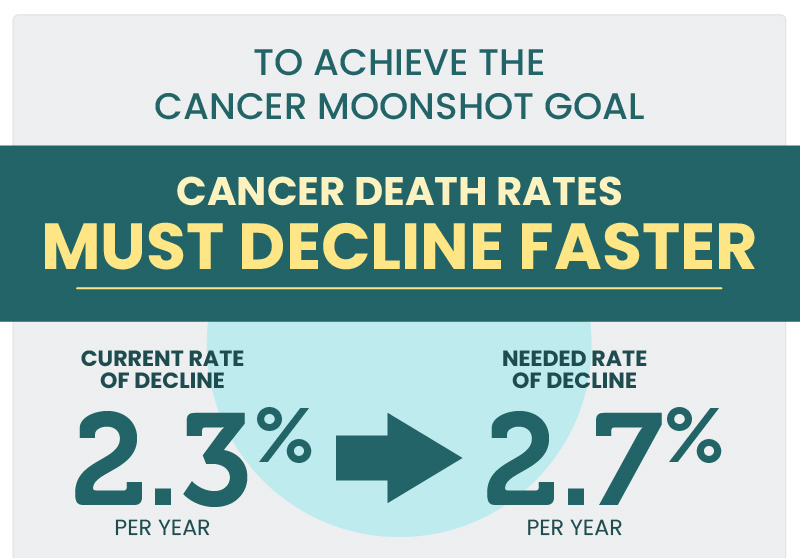
Researchers from the National Institutes of Health (NIH) have outlined opportunities for achieving President Biden and First Lady Biden’s Cancer Moonshot national goal of reducing the cancer death rate by at least 50% over the next 25 years. The opportunities outlined in the study include further reducing the prevalence of cigarette smoking and use of other tobacco products, increasing the use of colonoscopy for prevention and early detection of colorectal cancer, increasing the use of hormone therapy to prevent and treat breast cancer, and increasing detection and treatment of hepatitis B and hepatitis C viral infections to reduce the risk of liver cancer.