
Tag

Naira

All articles tagged with #naira

financeeconomy1 year ago

Naira Plunges to Record Lows, Sparks Protests

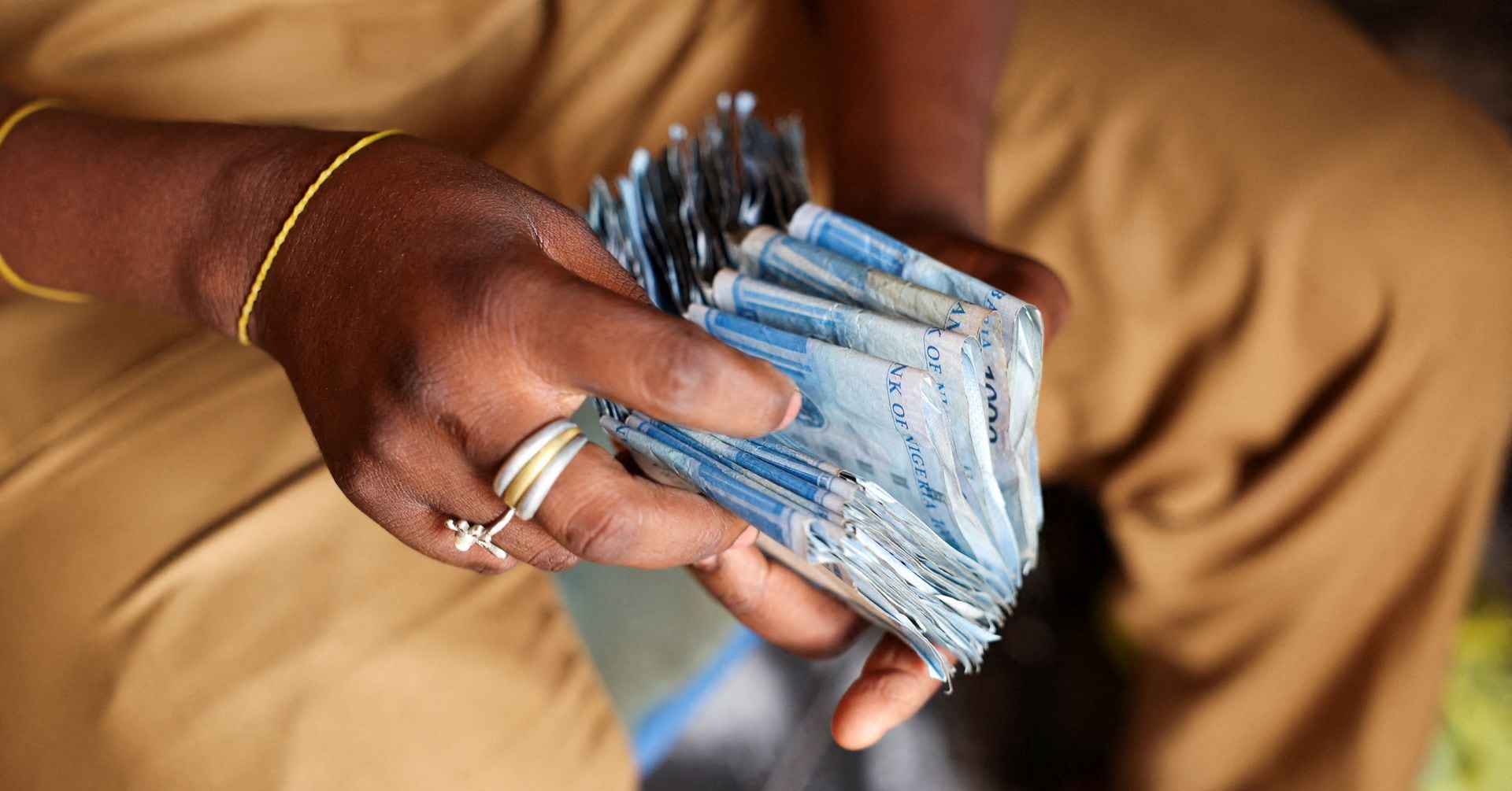
Nigeria's naira hit record lows on both official and unofficial markets, while stocks experienced their largest one-day drop in over a year as investors sold off local assets. The currency fell to 1,712 naira per dollar, reflecting the country's ongoing dollar shortages and inflation rate reaching almost 30% in annual terms. Analysts warn that without policy measures to curb inflation, the naira's devaluation and negative real yield in Nigerian debt securities could deter foreign investors, while stocks, including heavyweight Dangote Cement and MTN, fell 10% on the bourse. Central bank Governor Olayemi Cardoso has hiked open market rates to attract investors to bills, but the fall in the naira means yields would need to rise further.

economy2 years ago

CBN Takes Action to Stabilize Naira Amidst Speculation and Forex Concerns

The Central Bank of Nigeria (CBN) has implemented foreign exchange intervention measures to tackle currency speculators and stabilize the naira, which has been tumbling in the parallel market. The CBN's acting governor, Folashodun Shonubi, stated that the naira's volatility is driven not only by economic factors but also by speculative demand. While specific details of the intervention measures were not disclosed, Shonubi warned speculators of potential significant losses. The CBN has also restricted diaspora remittances, setting limits on the exchange rate for naira payouts. The recent revelation of lower effective foreign exchange reserves in the CBN's financial statements has raised concerns about the bank's ability to defend the naira. Nigeria's zero earnings from crude oil sales for the past seven months have worsened the foreign exchange crisis in the country.

finance2 years ago

Nigeria's Currency Plummets After End of Peg.

Nigeria's decision to end its currency peg to the US dollar has caused the biggest fall in the naira's history, with the currency dropping 30% against the greenback. The move is part of a shift towards a more flexible exchange rate policy, which is hoped to boost the country's struggling economy. However, the decision has also raised concerns about inflation and the cost of imports.