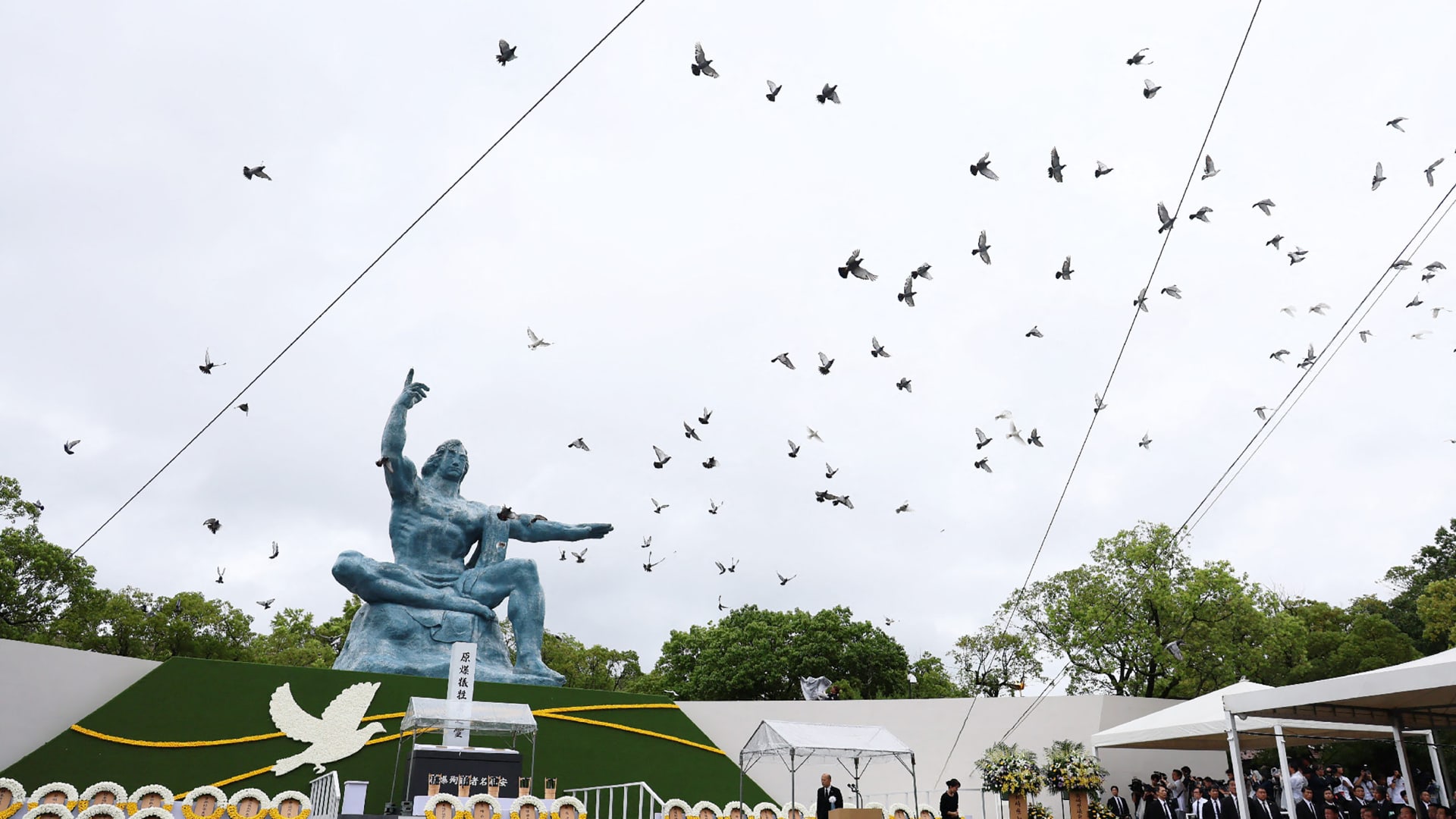
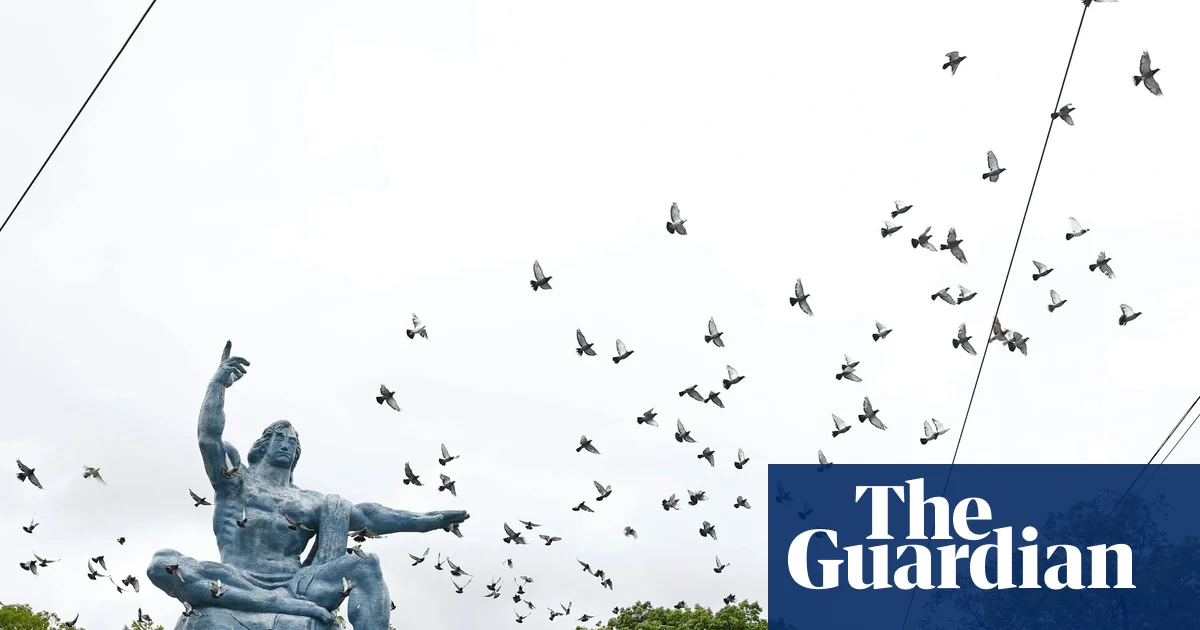
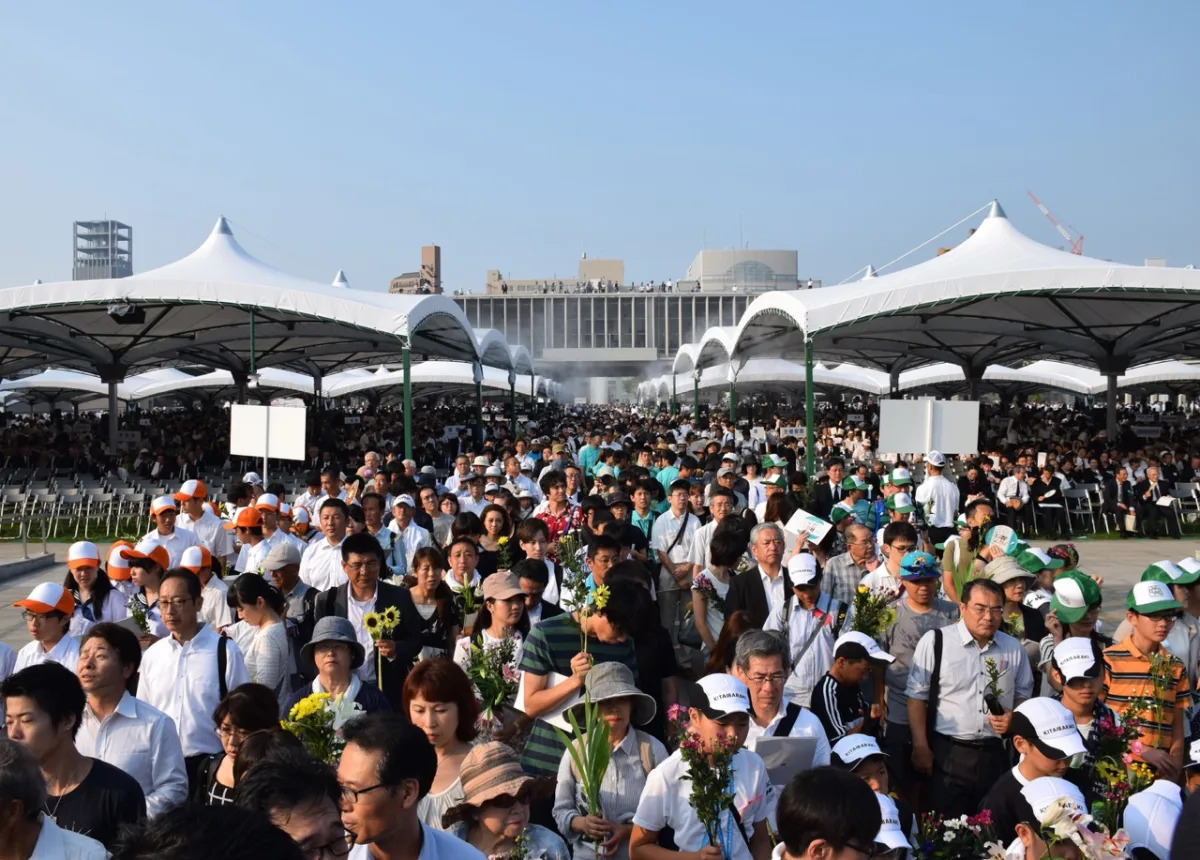
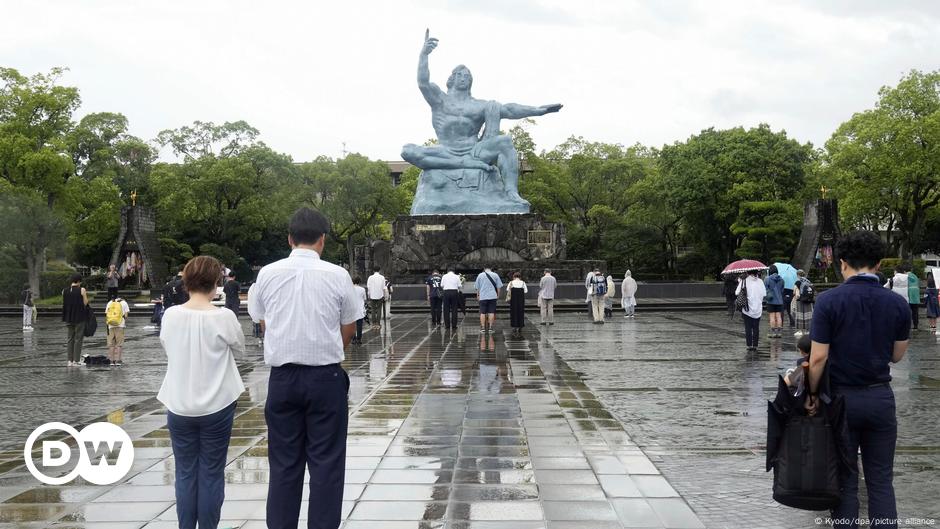
On the 80th anniversary of the atomic bombing of Nagasaki, the mayor warned of the dangers of nuclear war amid global conflicts, calling for renewed efforts towards nuclear disarmament and peace, with representatives from 95 countries attending the memorial ceremony.
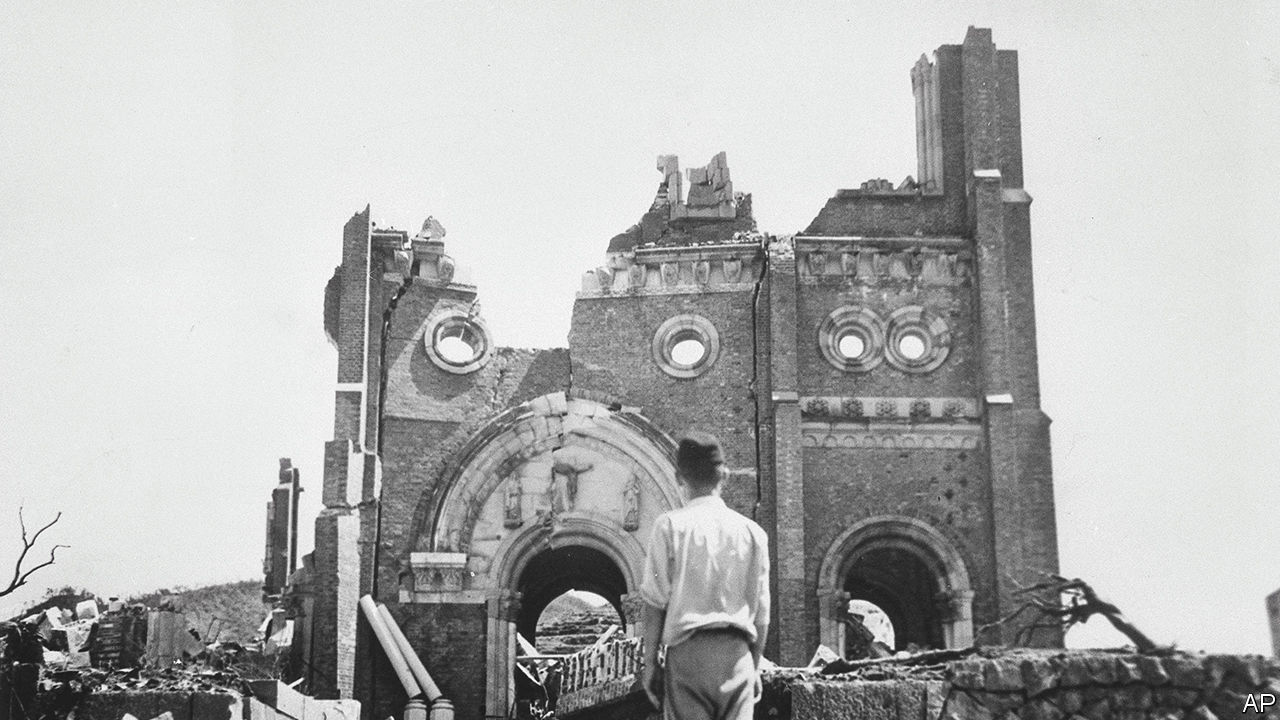
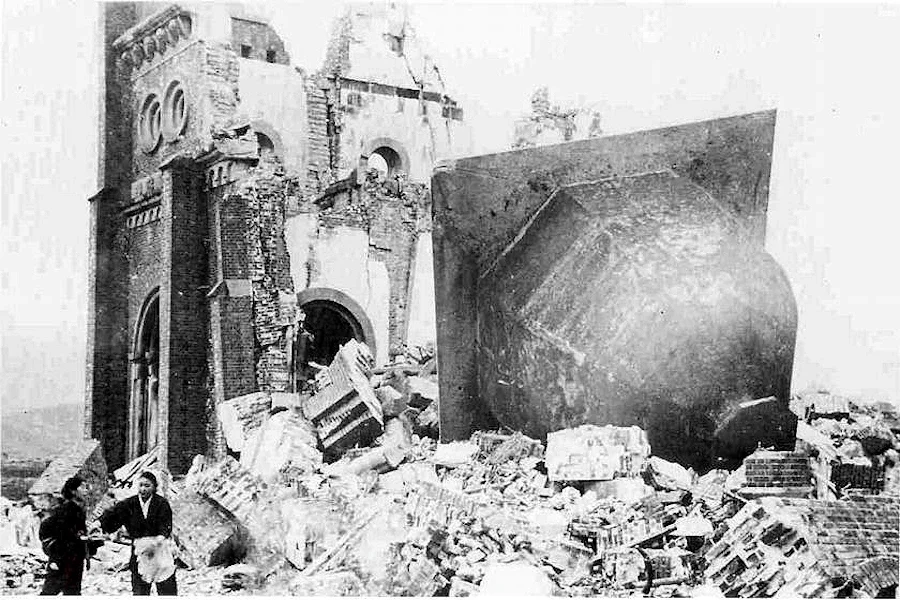
Nagasaki's twin cathedral bells rang in unison for the first time in 80 years to commemorate the atomic bombing of the city in 1945, emphasizing themes of remembrance and peace, with global participation in the memorial event.
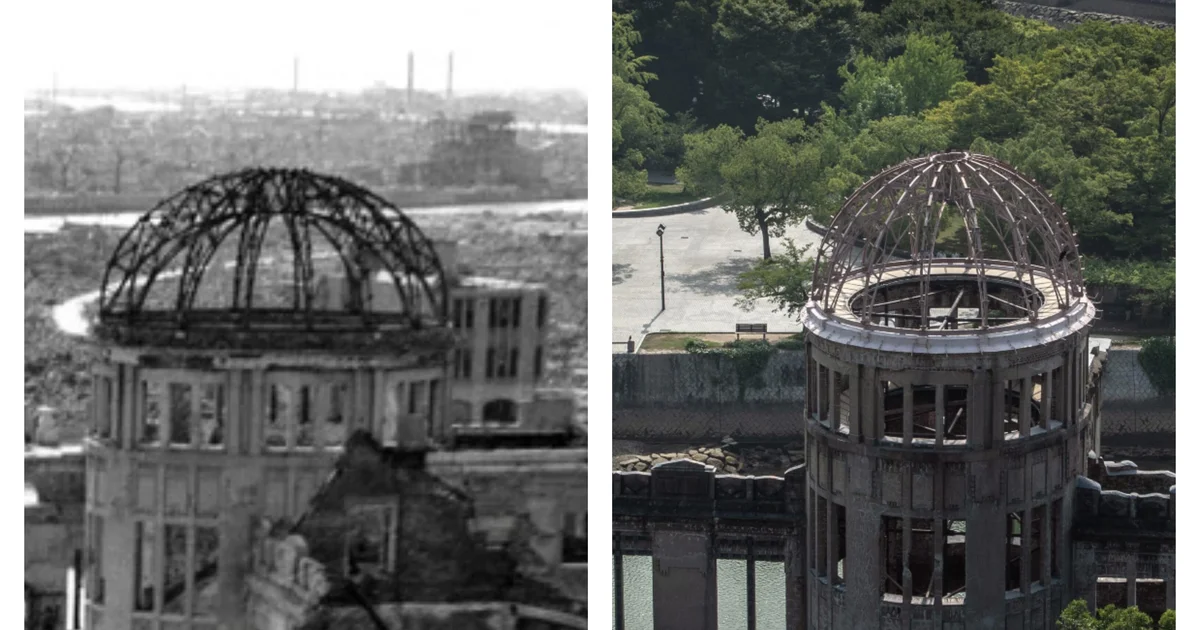
The article commemorates the 80th anniversary of the atomic bombings of Hiroshima and Nagasaki in 1945, highlighting the devastation, the resilience and rebuilding of these cities, and the ongoing global concerns about nuclear weapons.
Japan commemorates the 80th anniversary of the atomic bombings of Hiroshima and Nagasaki, reflecting on the devastation, survivor stories, and shifting security policies as the country moves from remembrance to increased military readiness amid regional tensions and global conflicts.
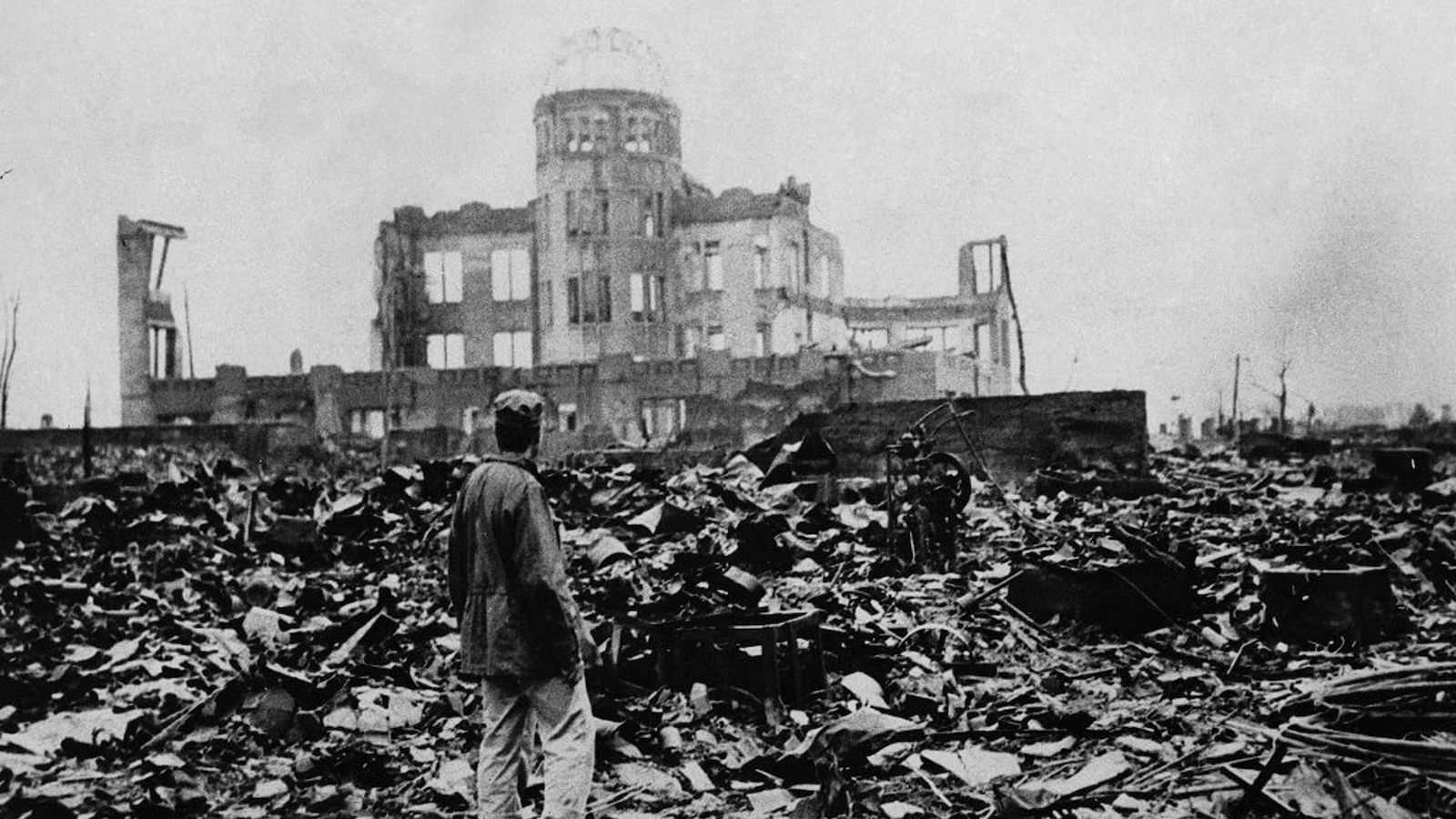
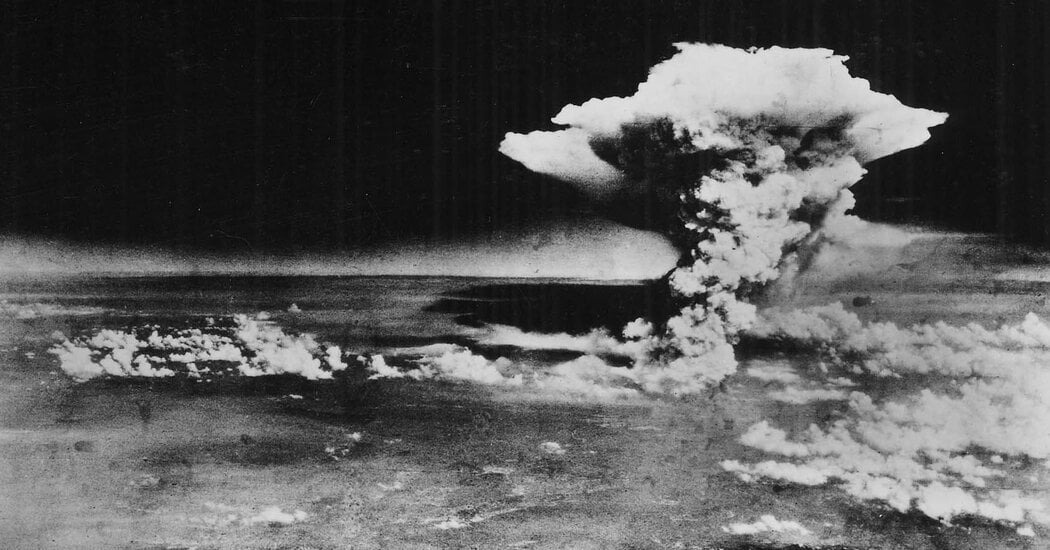
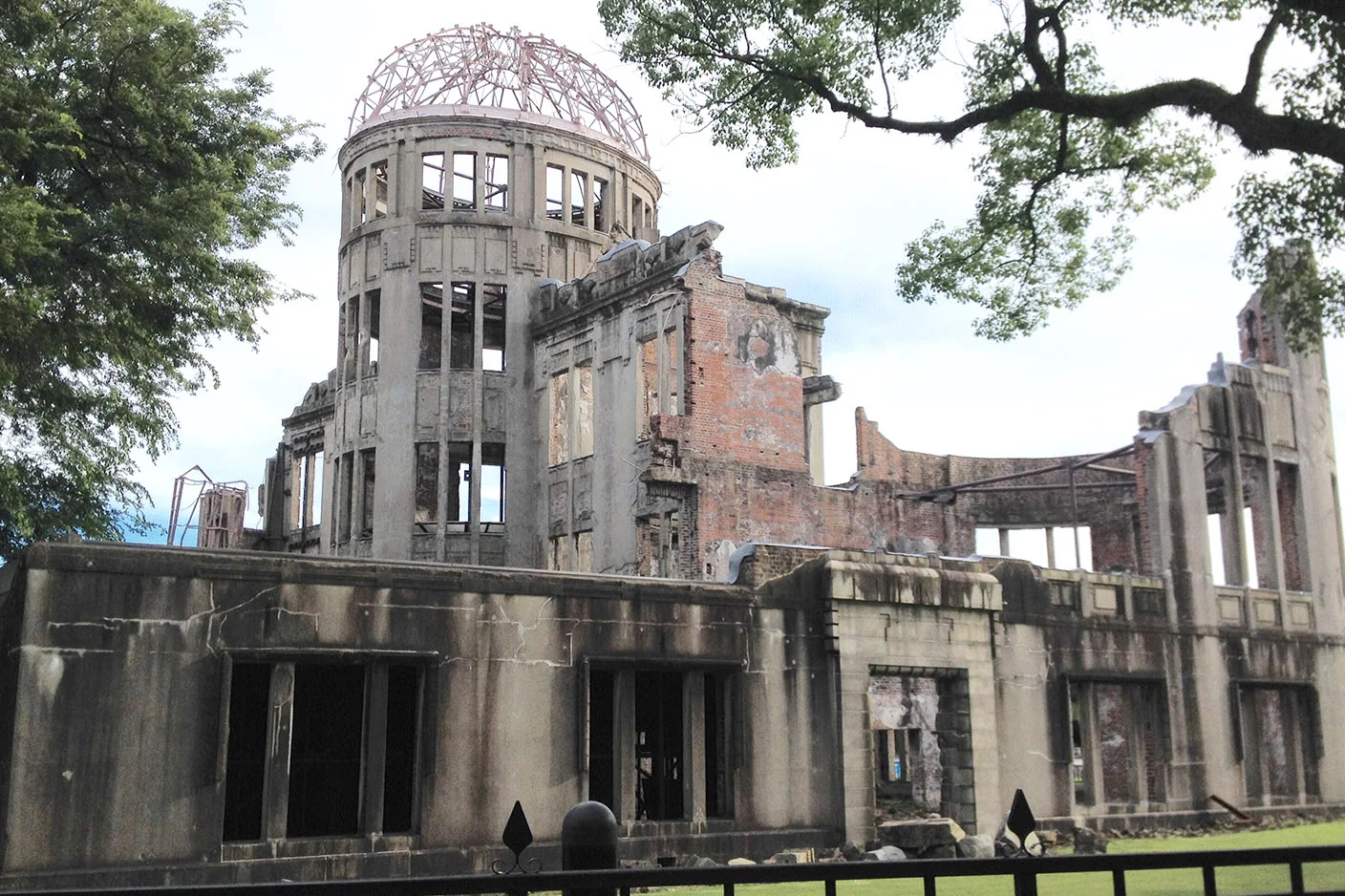
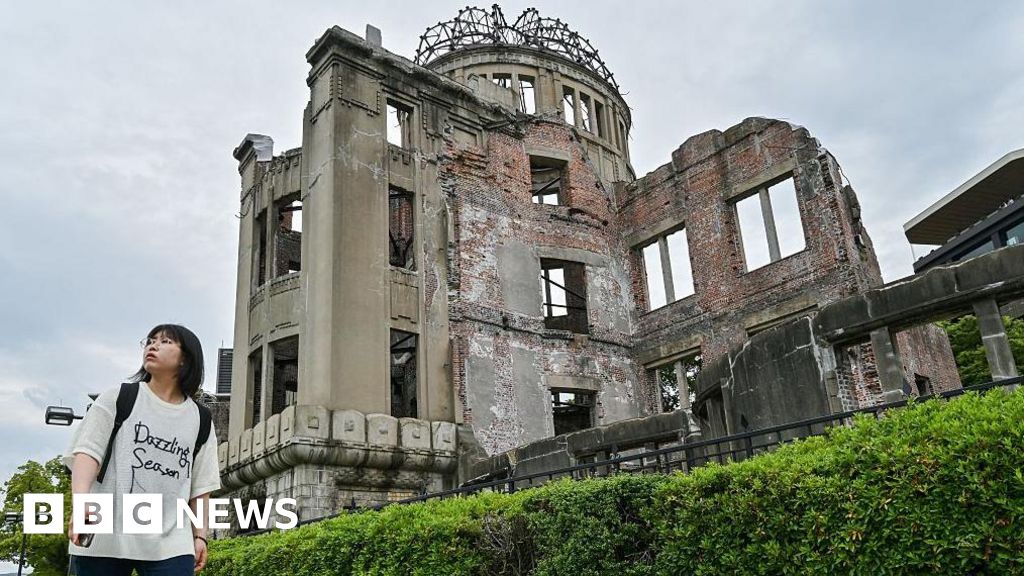
The article provides a detailed photographic and descriptive account of the devastating impact of the atomic bombings of Hiroshima and Nagasaki in 1945, highlighting the destruction, human suffering, and long-term consequences for survivors and their cities.
The article commemorates the 80th anniversary of the Hiroshima bombing, reflecting on its devastating impact, the importance of remembering this history, and the urgent need to prevent future nuclear catastrophe as global tensions and nuclear arsenals remain high, with the Doomsday Clock at 89 seconds to midnight.
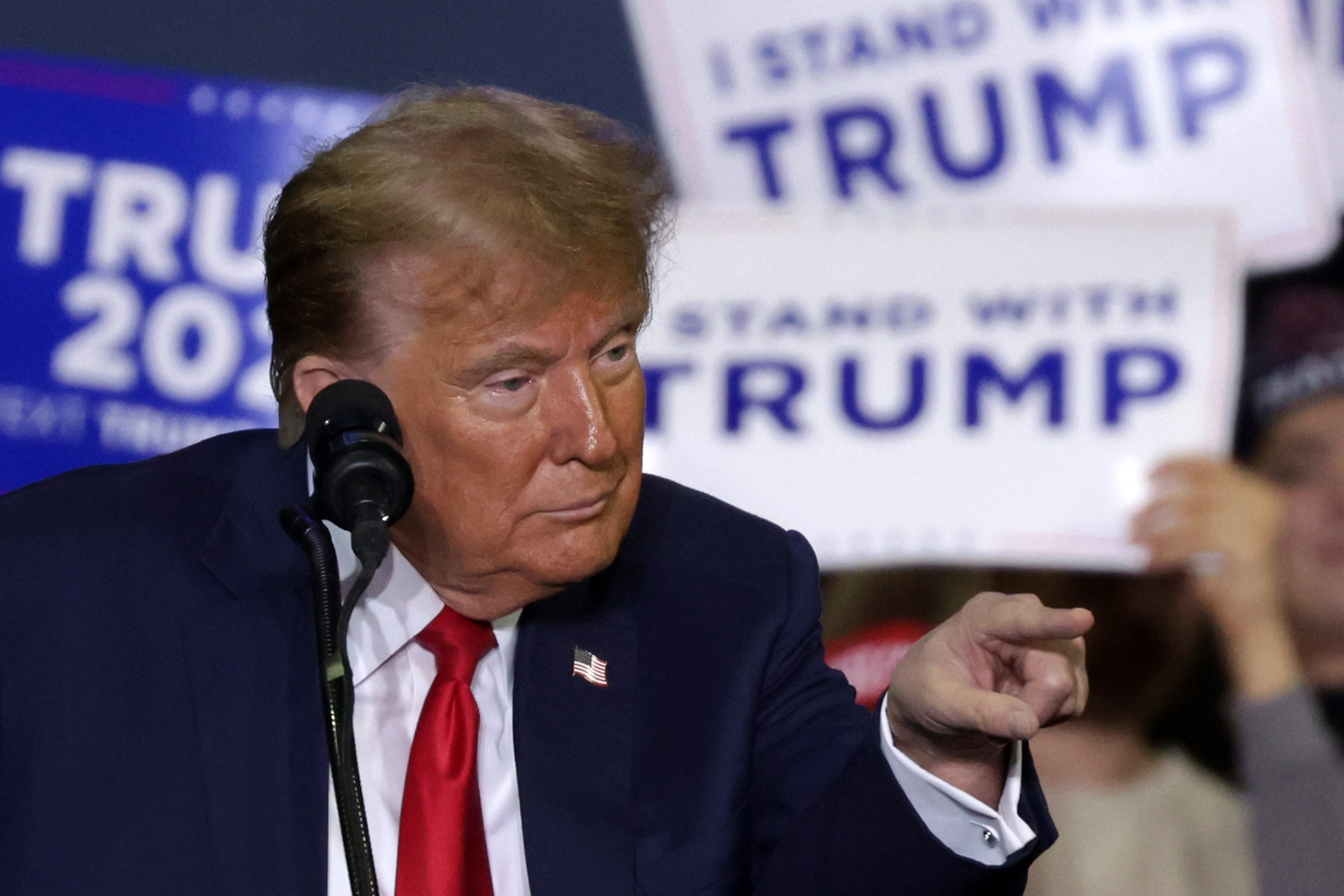
US President Donald Trump faced international outrage after comparing recent US strikes on Iran to the atomic bombings of Hiroshima and Nagasaki, with Japan condemning his remarks and survivors protesting, highlighting the sensitive memory of nuclear attacks.
Nagasaki, Japan, has been identified as the fastest-declining metro area in the world, with a population decrease of 3.43% from 2020 to 2024. This decline is attributed to factors such as industrial decline, low fertility rates, and an aging population. The global population trends indicate that while some regions are experiencing growth, others, particularly in Asia and Europe, are seeing declines due to various socio-economic factors.
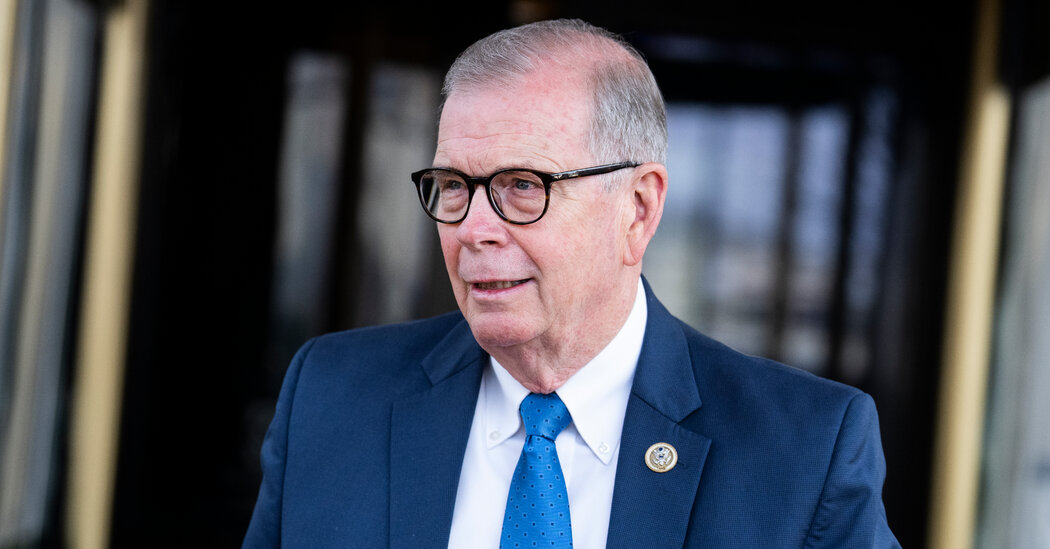
Republican Congressman Tim Walberg faced swift condemnation after suggesting that Gaza "should be like Nagasaki and Hiroshima" during a town hall event, while discussing his opposition to U.S. humanitarian aid for Gaza. Walberg denied advocating the use of nuclear weapons and claimed his remarks were taken out of context, stating that he used a metaphor to convey the need for swift victories in conflicts. His comments drew criticism, including from former House G.O.P. colleague Justin Amash, who denounced them as showing "utter indifference to human suffering."
Michigan Congressman Tim Walberg faced criticism after a video surfaced of him suggesting the use of nuclear weapons on Gaza to "get it over quick" during a town hall meeting. Walberg's spokesperson defended his comments, stating they were taken out of context and meant as a metaphor to support Israel's swift elimination of Hamas. Democratic members of Michigan's U.S. House delegation, including U.S. Rep. Rashida Tlaib, sharply denounced Walberg's remarks, with some calling for his resignation. The video has sparked controversy and condemnation from both Democrats and Republicans.
Former President Donald Trump argued for immunity from prosecution by evoking the dropping of atom bombs on Hiroshima and Nagasaki, claiming that presidents should have total immunity even for acts that "cross the line." He has pleaded not guilty to charges related to the 2020 election and the Capitol riot, and his trial is scheduled to begin on March 4. Legal experts have expressed skepticism about his immunity argument, with some pointing out that it doesn't make sense and that there are limits to presidential immunity.
The film "Oppenheimer" has become the highest-grossing second-world-war film ever, but it has not been released in Japan, the third-largest film market. The film focuses on the perspective of American physicist J. Robert Oppenheimer, the creator of the atomic bomb, rather than the destruction caused by the bombings of Hiroshima and Nagasaki. Many Japanese are appalled by social media memes that make light of the bombings, and some want the film to be released as an opportunity to reflect on the legacy of the bombings and the pressing issue of nuclear disarmament.
On the 78th anniversary of the atomic bomb dropped on Nagasaki, it is revealed that two-thirds of the city's Catholic community, which had a rich history of Christian martyrs, were killed in the conflagration. Nagasaki, an important center of Catholicism in Japan since the 16th century, had a population of about 240,000 at the time of the bombing. The bomb, named "Fat Man," caused devastating destruction and immediately killed around 75,000 people, with a similar number dying from radiation injuries and illnesses in the days that followed. The choice of Nagasaki as the target raises questions about why the city with the most widespread and affirmed Catholicism in Japan was selected for the second atomic attack.
The city of Nagasaki marked the 78th anniversary of the US atomic bomb attack amid heavy rains brought by Tropical Storm Khanun. The storm forced the remembrance ceremony to be held indoors for the first time since 1963 and prevented Prime Minister Fumio Kishida from attending. The ceremony held a minute of silence at the exact moment the bomb was dropped, remembering the estimated 70,000 people killed and 75,000 injured in the blast. Leaders, including Kishida and UN Secretary-General Antonio Guterres, called for nuclear disarmament and a world free from nuclear weapons.
Nagasaki commemorated the 78th anniversary of the atomic bombing with the mayor urging world powers to abolish nuclear weapons, stating that nuclear deterrence increases the risk of nuclear war. The mayor expressed concern about the tragedy being forgotten and survivors' testimonies being overlooked. Prime Minister Fumio Kishida, who did not attend the memorial, faced criticism for justifying nuclear arms possession and refusing to sign the Treaty on the Prohibition of Nuclear Weapons. The mayor demanded the government sign and ratify the treaty to demonstrate Japan's commitment to nuclear disarmament.