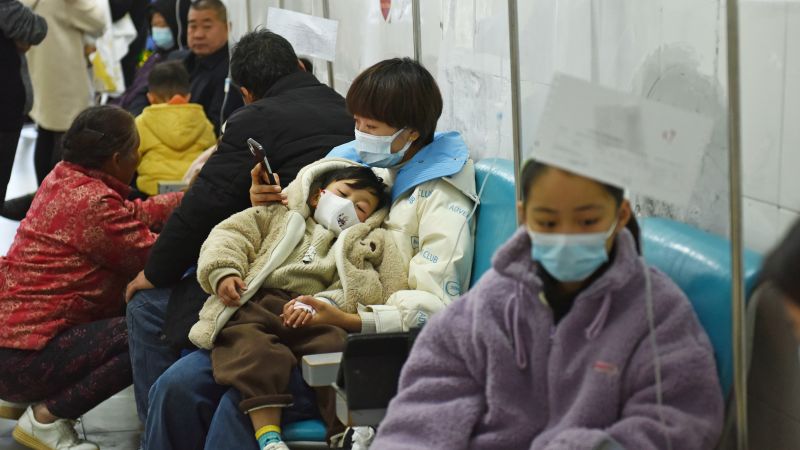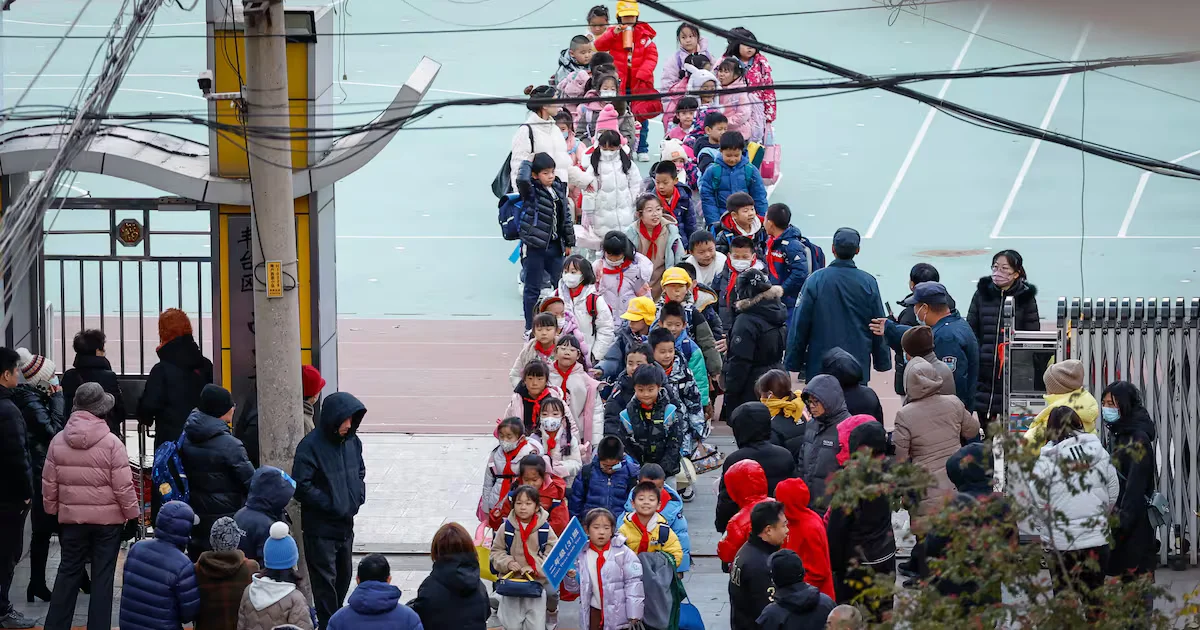
Colorado is experiencing a rise in walking pneumonia cases, particularly among young children aged 2 to 4, a demographic not typically prone to this illness. The increase follows a national trend of bacterial infections resurging post-pandemic, with cases peaking in September. Walking pneumonia, caused by Mycoplasma pneumoniae, spreads through respiratory droplets and is generally milder than other forms of pneumonia, though it can lead to hospitalization in severe cases. Health officials are uncertain about the exact prevalence due to limited testing, but emergency department visits for the illness have increased.
Knox County hospitals are seeing an increase in cases of 'walking pneumonia,' a mild form of pneumonia caused by Mycoplasma pneumoniae, according to the local health department. Symptoms initially resemble a chest cold but can develop into more severe conditions requiring hospital care. Dr. Megan Edwards from the Knox County Health Department advises that while the situation is not overly concerning, people should be aware of the symptoms, which can last over 10 days, and seek medical attention if needed. Walking pneumonia is contagious, and those affected should rest at home to prevent spreading the infection.
Walking pneumonia cases are surging among children in Canada, with notable increases in regions like Ontario, Halifax, and British Columbia. While the Public Health Agency of Canada doesn't officially track Mycoplasma pneumoniae, local health authorities are monitoring the situation. Experts suggest the rise may be linked to reduced pathogen exposure during the pandemic. Despite the surge, most cases are mild and treatable at home, though parents are advised to watch for severe symptoms. The trend is not unprecedented, but the current spike is higher than usual.
Walking pneumonia cases are increasing in Lancaster County, particularly affecting young children aged 2 to 4. Health systems in the area, including Penn State Health and UPMC, report a rise in cases, though specific numbers are not provided. Walking pneumonia, often caused by Mycoplasma pneumoniae, presents symptoms similar to a persistent cold and can lead to more severe symptoms like coughing and shortness of breath. Parents are advised to keep sick children at home, ensure they rest, and seek medical attention if symptoms worsen. Preventative measures include frequent hand washing and avoiding crowded places.
Health officials in New Jersey and the CDC are warning about a rise in Mycoplasma pneumoniae-associated pneumonia, particularly among children. This respiratory illness, often mild and known as "walking pneumonia," has seen increased emergency visits, with notable rises in children aged 2-4 and 5-17. The illness spreads through respiratory droplets, and symptoms include fever, cough, and sore throat. Schools are advised to report any spikes in cases to local health departments to prevent outbreaks.
Doctors in China suspect that the recent 'white lung' pneumonia outbreak, which primarily affected children, may have been driven by antibiotic-resistant infections known as superbugs. Tests have revealed a surge in mycoplasma pneumoniae infections, a bacteria that can trigger pneumonia, with 90% of cases in China now resistant to common antibiotics. Overprescription and overuse of antibiotics, as well as the practice of administering antibiotics via intravenous drips, have contributed to the rise of antibiotic resistance. The outbreak in China, characterized by white patches on X-rays of the lungs, has prompted concerns about the lack of effective treatments for children and the need to curb antibiotic drug resistance.
China is facing a surge in drug-resistant mycoplasma pneumoniae infections, causing severe pneumonia in children and raising concerns about the rise of superbugs. Antibiotics, including azithromycin, are becoming less effective as nearly 80% of cases in China are resistant to macrolides. Overuse of antibiotics in mild infections and misconceptions about their use contribute to the high level of resistance. The World Health Organization has called for action to address antibiotic resistance, which poses a global threat and contributed to nearly 5 million deaths worldwide in 2019.
Recent outbreaks of respiratory illness affecting children have been reported in various countries, including China, Europe, and the United States. The Warren County Health District in Ohio has issued an advisory regarding a high number of pediatric pneumonia cases caused by mycoplasma pneumoniae, also known as "walking pneumonia." The symptoms of this infection can be mild and gradual, often resembling those of other respiratory infections. While the infection is not new, it is important for parents to be aware of the duration of illness and seek medical attention if symptoms persist for more than a week. Treatment is available with antibiotics, and preventive measures such as handwashing, staying home when ill, and wearing masks can help reduce the risk of infection.
AIIMS Delhi has detected Mycoplasma pneumoniae, the bacteria responsible for a recent surge in respiratory illness cases among children in China, in seven samples between April and September this year. The positivity rate of the PCR and IgM Elisa tests was 3% and 16% respectively. The bacteria is known to cause 15-20% of community-acquired pneumonia, with mild cases referred to as "walking pneumonia." India needs to expand surveillance for detection of Mycoplasma pneumoniae, as currently, surveillance is only being done at AIIMS Delhi and a few other centers. The Lancet report highlights the need to monitor the re-emergence of the bacteria and its potential impact on case numbers and severity.
Several European countries, including Denmark and France, are experiencing a rise in cases of mycoplasma pneumoniae, a bacterium that causes "walking pneumonia." This infection can range from mild respiratory symptoms to severe pneumonia and is a common cause of pneumonia in school-aged children. The increase in cases may be due to the lifting of COVID-19 restrictions and the delayed resurgence of the bacterium. While concerning, it is not unexpected, as epidemics of mycoplasma pneumoniae historically occur every few years. The current rise in cases primarily affects children and schoolchildren, with hospitalization rates remaining low.
Warren County in Ohio has experienced an "extremely high" number of pneumonia cases among children, with 145 cases reported between August and November. The outbreak has been attributed to known respiratory pathogens, including Mycoplasma pneumoniae, Streptococcus pneumoniae, and adenoviruses. While there is no evidence linking this outbreak to others nationally or internationally, similar increases in pneumonia cases have been reported in China and European countries. The severity of the cases has not been unusual, and most children have recovered at home with antibiotics. The Centers for Disease Control and Prevention (CDC) is monitoring the situation, but the reported increases do not appear to be due to a new virus or pathogen.
The World Health Organization (WHO) has requested more information on the surge of respiratory illnesses and pneumonia clusters in children in China, but health authorities have not detected any unusual or novel pathogens, leading experts to believe there is no need for international alarm. The increase in respiratory illnesses is likely linked to the lifting of COVID-19 restrictions and the circulation of known pathogens such as mycoplasma pneumoniae. While mycoplasma pneumoniae has spiked in other countries as well, experts are not overly concerned, as the cases are treatable and most people recover without antibiotics. Similar increases in respiratory diseases have been observed in other countries after easing pandemic measures.
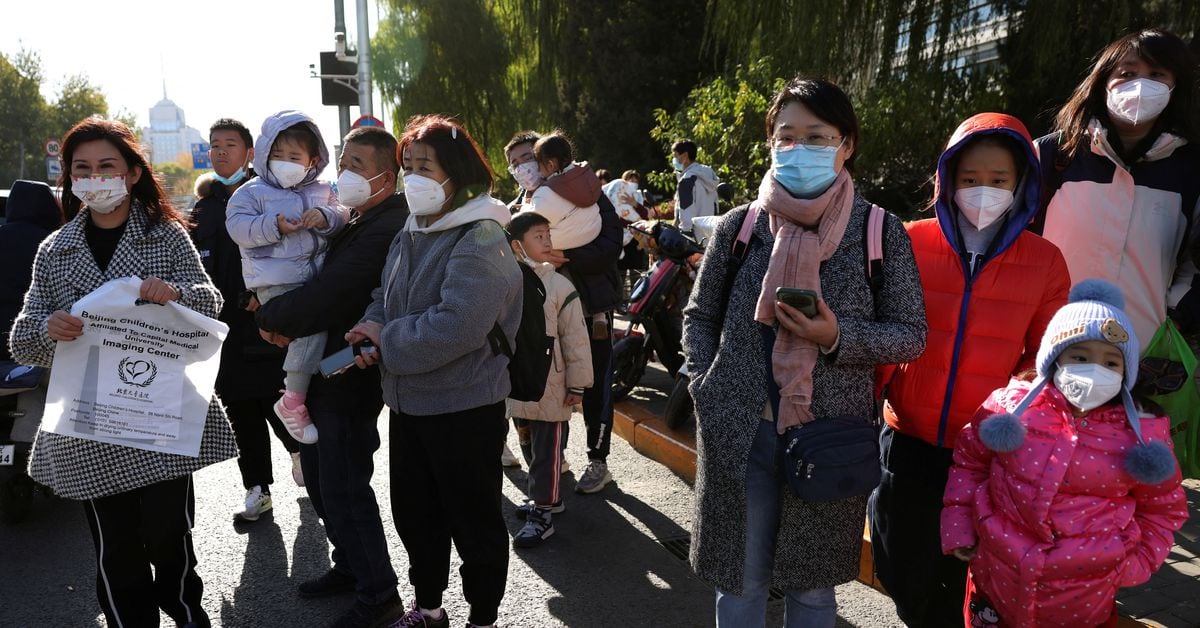
Hospitals in northern China and Beijing have reported a surge in respiratory illnesses, including pneumonia, among children. However, based on the information provided by the World Health Organization (WHO), there is no cause for global concern as no new pathogen has been detected. The increase in cases can be attributed to known pathogens such as Mycoplasma pneumoniae, influenza, adenovirus, and respiratory syncytial virus (RSV). The surge in respiratory illnesses is not unexpected after the lifting of COVID-19 restrictions. Travelers to China are not advised to change their plans, but precautions such as good ventilation, regular handwashing, and wearing masks as appropriate should be taken. Governments and health systems should be prepared for a potential increase in respiratory illnesses and ensure prompt testing and treatment capacity.
A bacterial infection known as Mycoplasma pneumoniae, which has been causing respiratory illnesses in China, has been detected in Ireland. The outbreak, the first in several years, has raised concerns as it coincides with a spike in respiratory illnesses and pneumonia cases in children in China. While China attributes the rise in illnesses to COVID-19, respiratory syncytial virus (RSV), and Mycoplasma pneumoniae, Irish authorities are monitoring the situation. Although Mycoplasma pneumoniae is not a notifiable disease in Ireland, there has been an increase in detections of the bacterium, with 19 cases reported this year compared to just one in 2022. The Health Protection Surveillance Centre (HPSC) will continue to monitor the infection trends.
An undiagnosed pneumonia outbreak in China is affecting children, overwhelming pediatric hospitals in multiple locations. The outbreak, which has led to school cancellations and illnesses in teachers, is suspected to be caused by Mycoplasma pneumoniae. Meanwhile, a study reveals that a chlorine-based cleaner used in UK hospitals is ineffective against Clostridioides difficile bacteria, highlighting the need to review current disinfection guidelines. In Africa, the World Health Organization (WHO) is shifting from pilot programs to routine use of the malaria vaccine RTS,S, with shipments arriving in Cameroon and plans for delivery to other countries. However, a study finds that children have been largely left out of US trials for COVID-19 treatments, despite accounting for 18% of infections. Lastly, the maker of Mucinex has launched a campaign to raise awareness about antibiotic misuse and promote the use of over-the-counter medications for cold and flu symptoms instead.