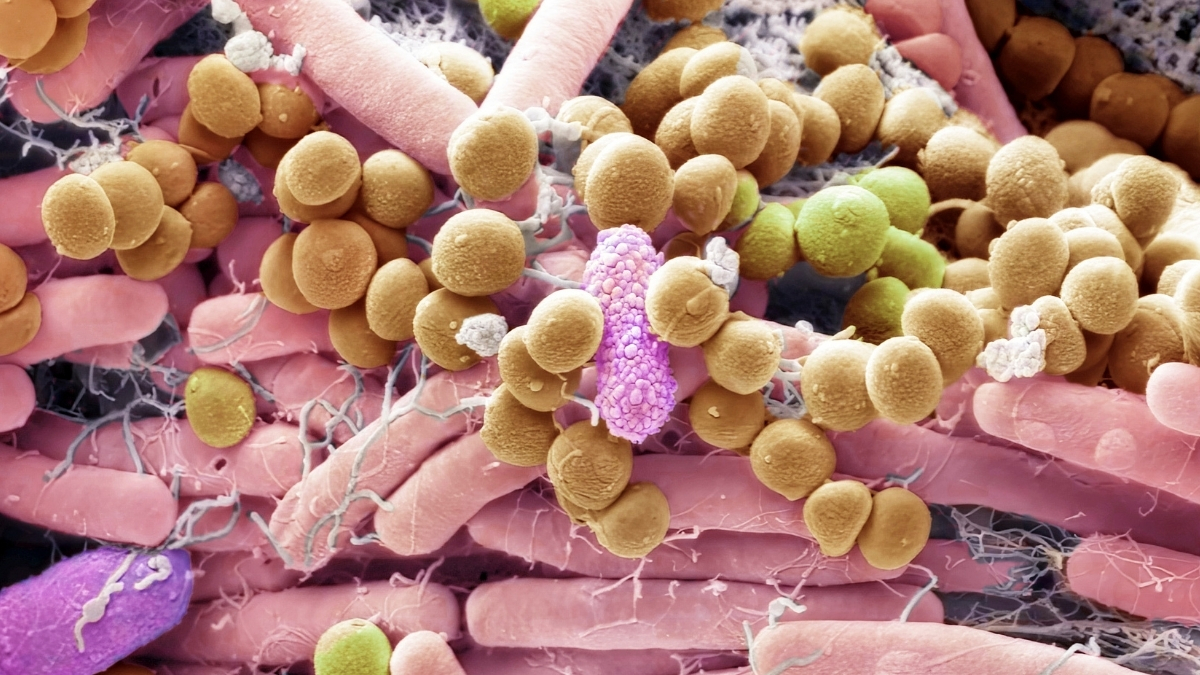
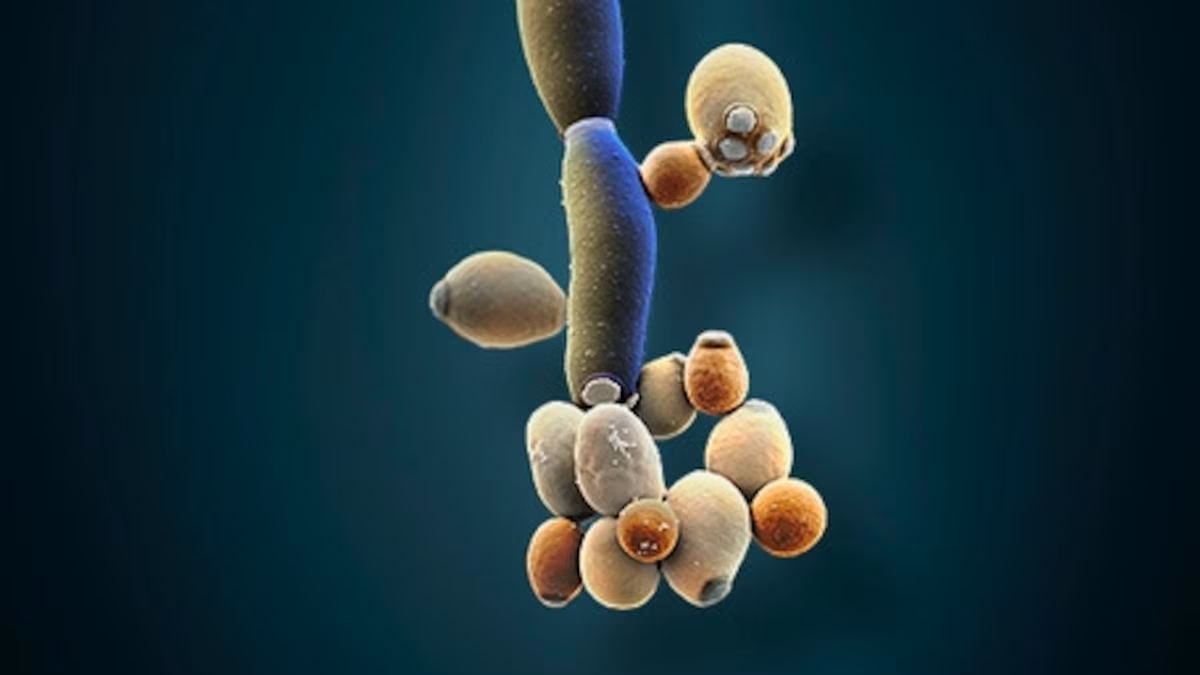
The article discusses the mycobiome, the fungal component of our microbiome, highlighting its presence in the gut, skin, and other body parts, its impact on health, and its potential links to diseases like infections, inflammatory bowel disease, and possibly neurodegenerative disorders, emphasizing the need for further research.
The gut microbiome, consisting of bacteria, fungi, and other microorganisms, has been extensively studied, but the mycobiome, the fungal communities within the microbiome, has often been overlooked. Recent research suggests that the mycobiome plays a crucial role in maintaining overall health by influencing the growth and diversity of bacteria, aiding digestion, and protecting against disease. Dysbiosis, an imbalance in microbial communities, particularly fungi, has been linked to various diseases, including irritable bowel syndrome, celiac disease, and COVID-19. Scientists are now exploring ways to rebalance the mycobiome through drugs, nutritional supplements, and fecal transplants, while emphasizing the importance of a diverse diet, exercise, and stress management for maintaining a healthy mycobiome and overall gut health.