Exercise Rewinds Muscle Aging by Tuning a Key Genetic Switch
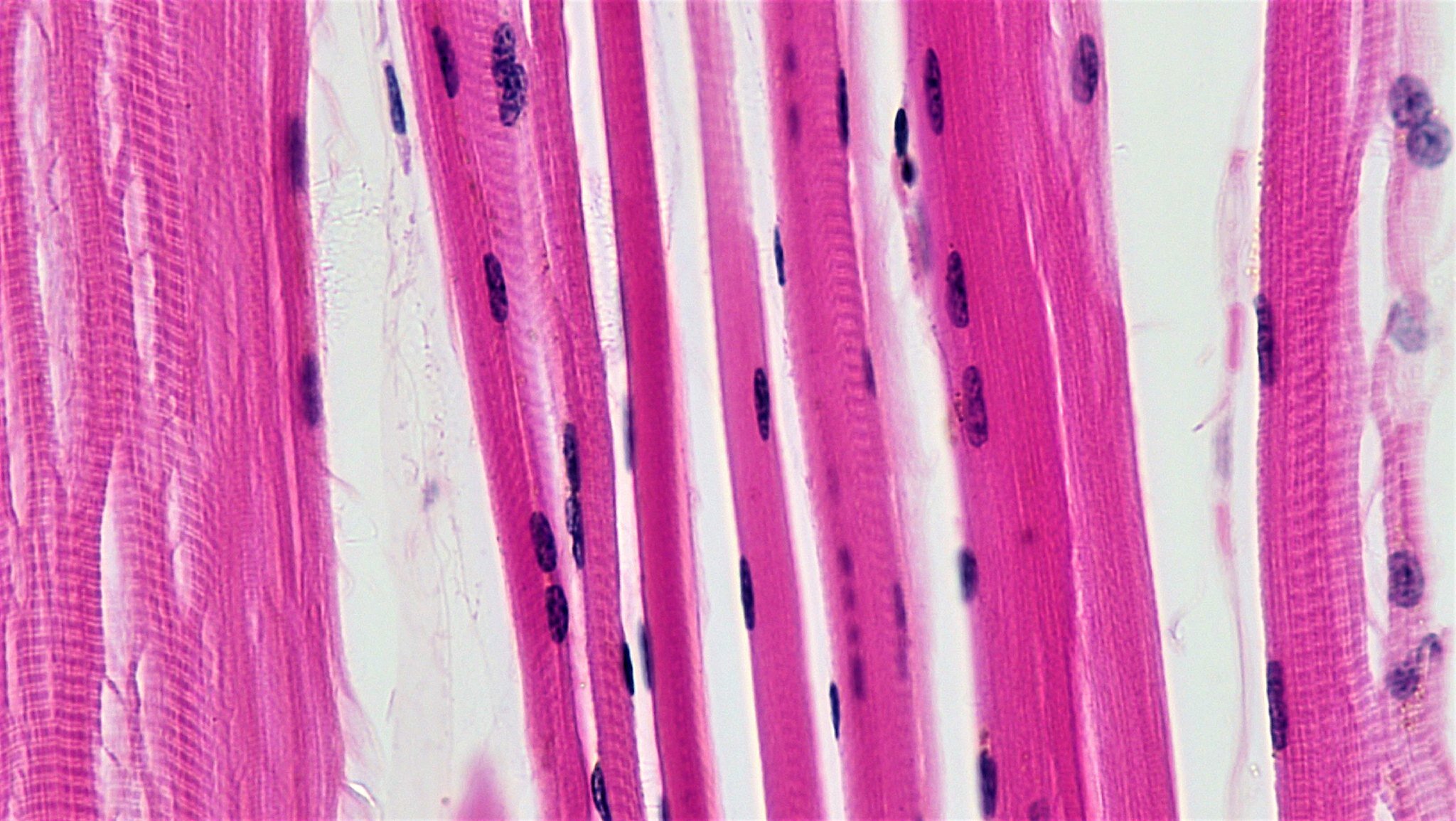
Researchers identify DEAF1 as a driver of aging-muscle decline through overactive mTORC1, which disrupts protein turnover. Exercise lowers DEAF1 via FOXO-regulated pathways, restoring balance and enabling damaged proteins to be cleared, helping aging muscles repair and stay stronger; however, high DEAF1 levels or very low FOXO activity can blunt exercise benefits. Findings from fruit flies and mice suggest potential therapies that mimic exercise to protect muscle health during aging or illness.