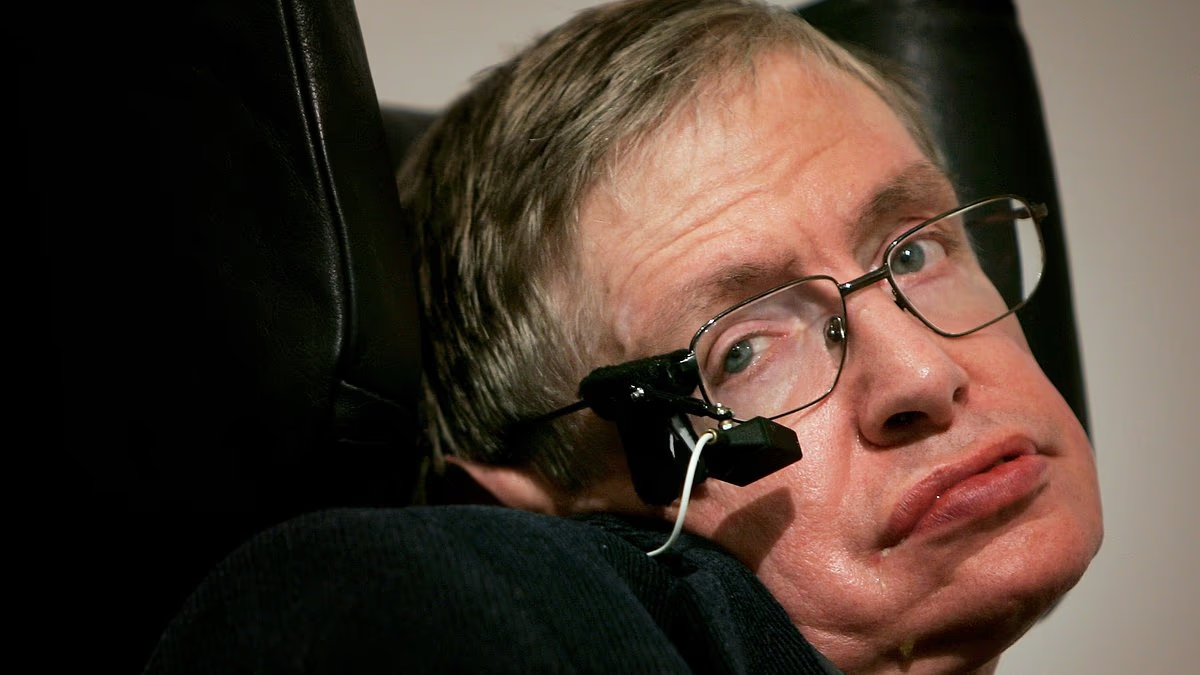
Eric Dane, known for Grey's Anatomy and Euphoria, died at 53 after publicly announcing an ALS diagnosis; he spent his final days with family and had become a vocal advocate for ALS awareness while continuing to work on Euphoria's third season in a wheelchair.
A large Scandinavian study suggests a potential link between the use of antidepressants, anxiolytics, and sleeping pills and an increased risk of developing motor neurone disease (MND), including ALS, though experts caution that correlation does not imply causation and genetic factors may play a significant role.
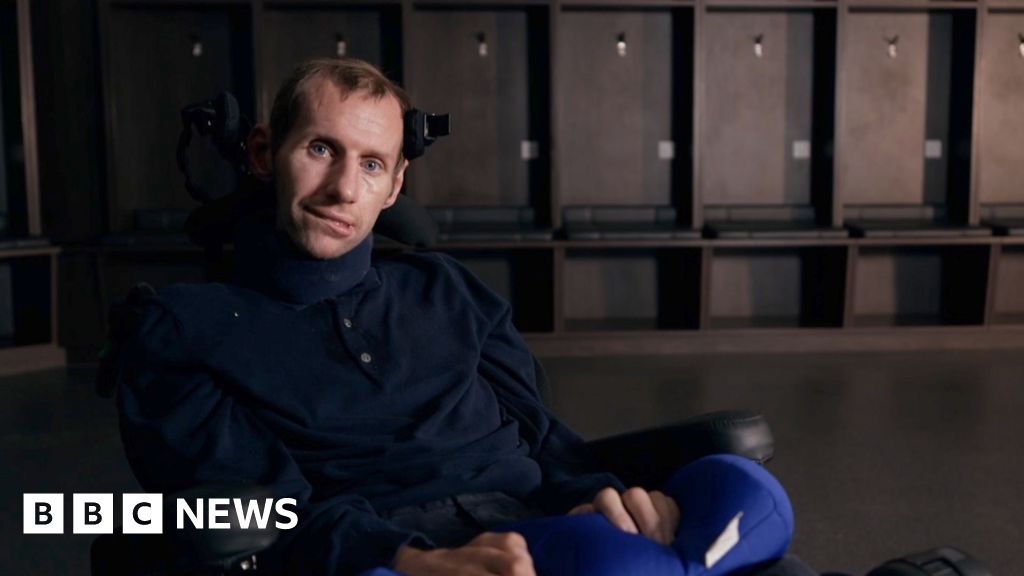
Rugby League legend Rob Burrow's final inspirational message has been released in a new BBC documentary, "There’s Only One Rob Burrow," following his death at age 41 from motor neurone disease.
Rugby league legend and MND campaigner Rob Burrow, who passed away at 41, urged people not to "waste a moment" in a final message recorded for a BBC documentary. Burrow, who was diagnosed with MND in 2019, reflected on his life and career, expressing hope for a future cure and encouraging bravery in the face of personal battles. His wife Lindsey and former teammate Kevin Sinfield continue to honor his legacy, including the construction of an MND treatment center in Leeds named after him.
Tributes are pouring in for Rob Burrow, the former Leeds Rhinos rugby star and MND campaigner, who has died at 41. Diagnosed with motor neurone disease in 2019, Burrow raised significant awareness and funds for MND research. Prince William and Burrow's close friend Kevin Sinfield are among those honoring his legacy. A new MND treatment center in Leeds, named after Burrow, began construction on the day of his passing. Fans and former teammates have been paying their respects at Headingley Stadium.
The cause of amyotrophic lateral sclerosis (ALS), also known as Lou Gehrig's disease, remains a mystery, but recent research has provided some clues. Inherited cases of ALS are linked to mutations in specific genes, but for the majority of cases, the cause is unknown. However, emerging evidence suggests that prolonged exposure to environmental triggers, such as organic chemical pollutants, metals, pesticides, and poor air quality, may increase the risk of developing ALS. Genetic mutations in multiple genes, along with environmental factors, may contribute to the development of ALS. While there is currently no cure for ALS, treatments are available to slow its progression. Further research is needed to better understand the causes of ALS and develop effective prevention and treatment strategies.