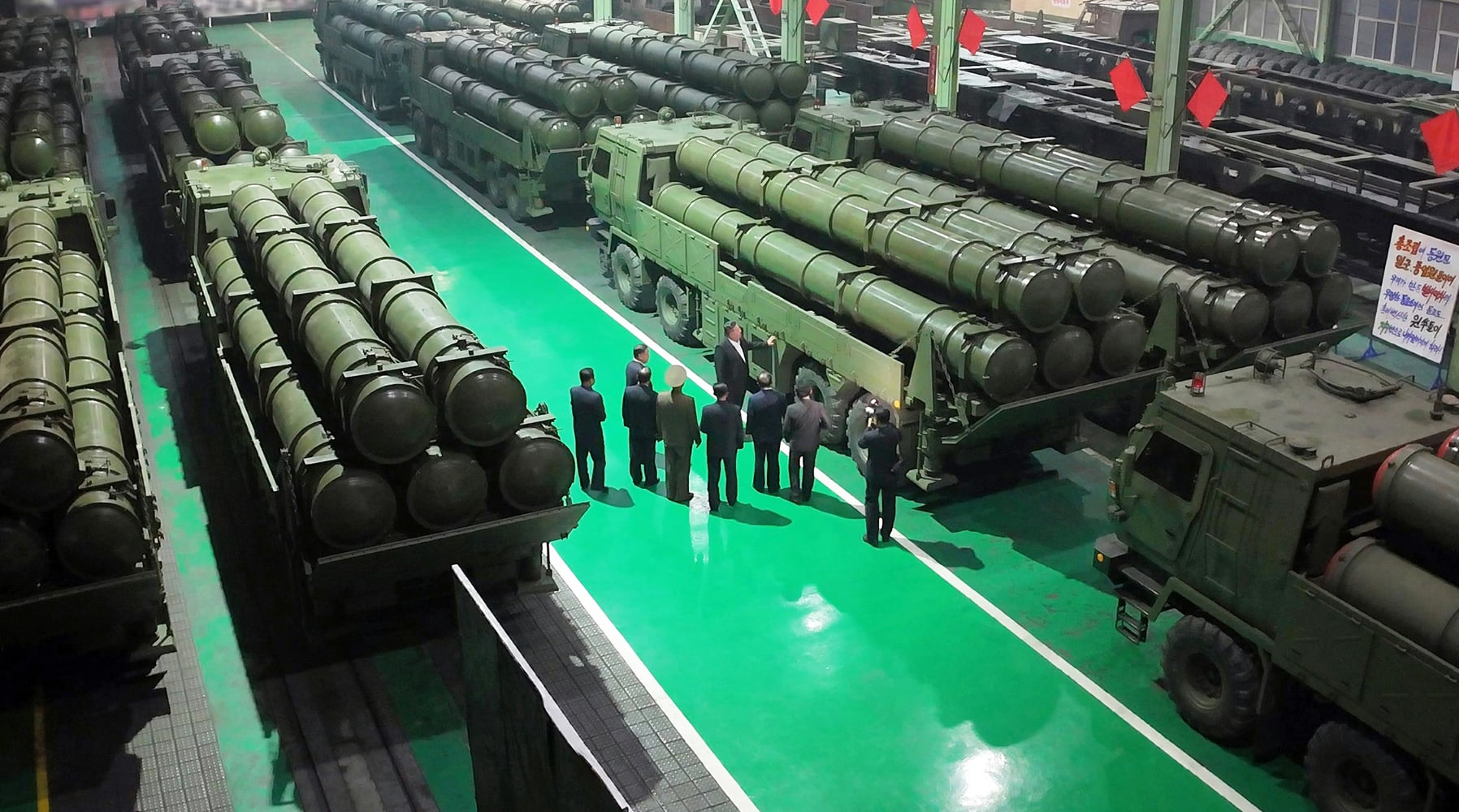
North Korean leader Kim Jong Un visited a factory to inspect a new 600mm MLRS launcher, aiming to make it the country's main strike weapon with both conventional and nuclear capabilities, potentially for strategic use against South Korea and for export purposes.
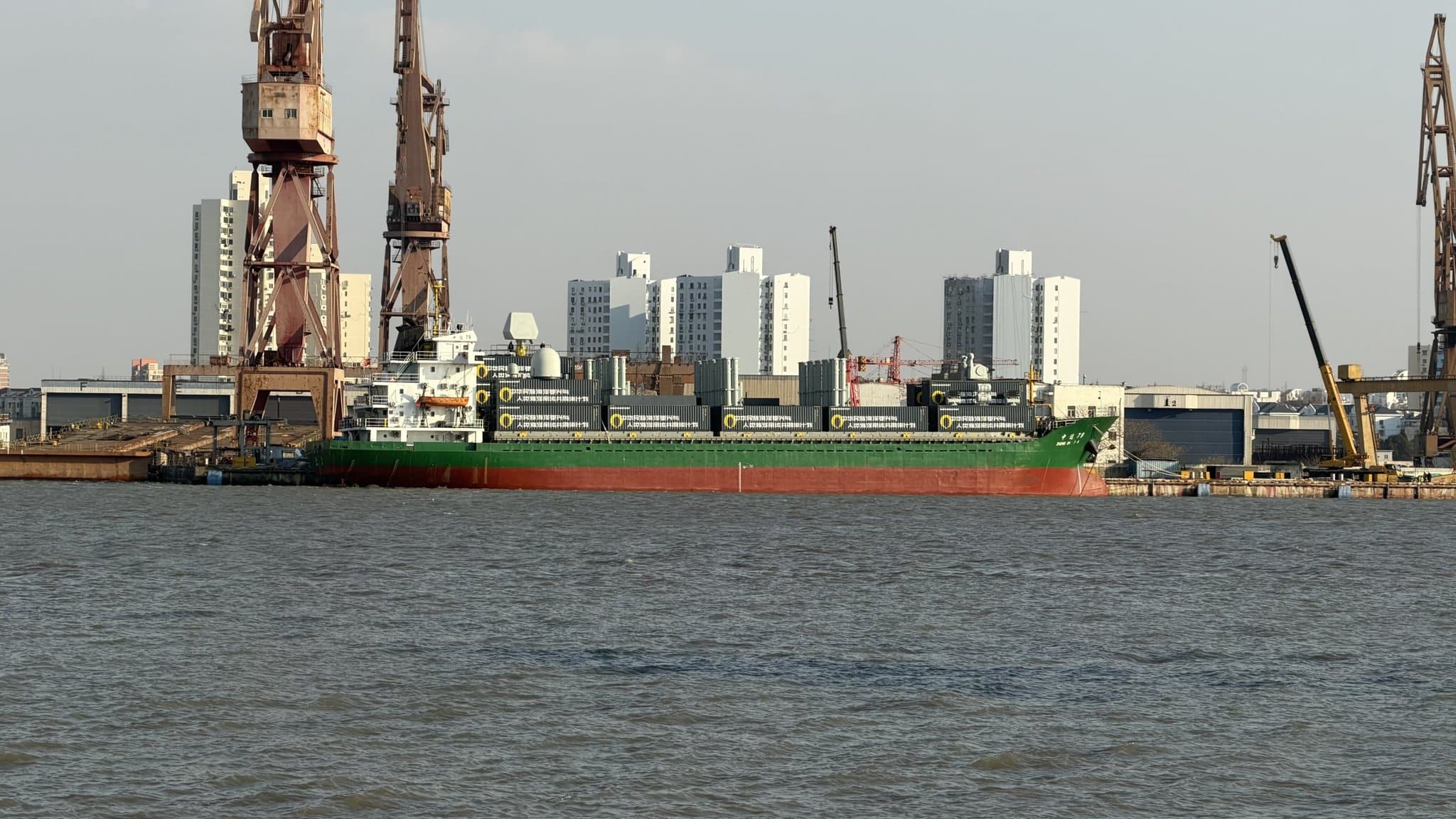
A Chinese civilian container ship has been modified with missile launch systems, radar, and sensors, suggesting it could serve as a mobile missile platform, raising concerns about military capabilities and proliferation of containerized missile technology globally.
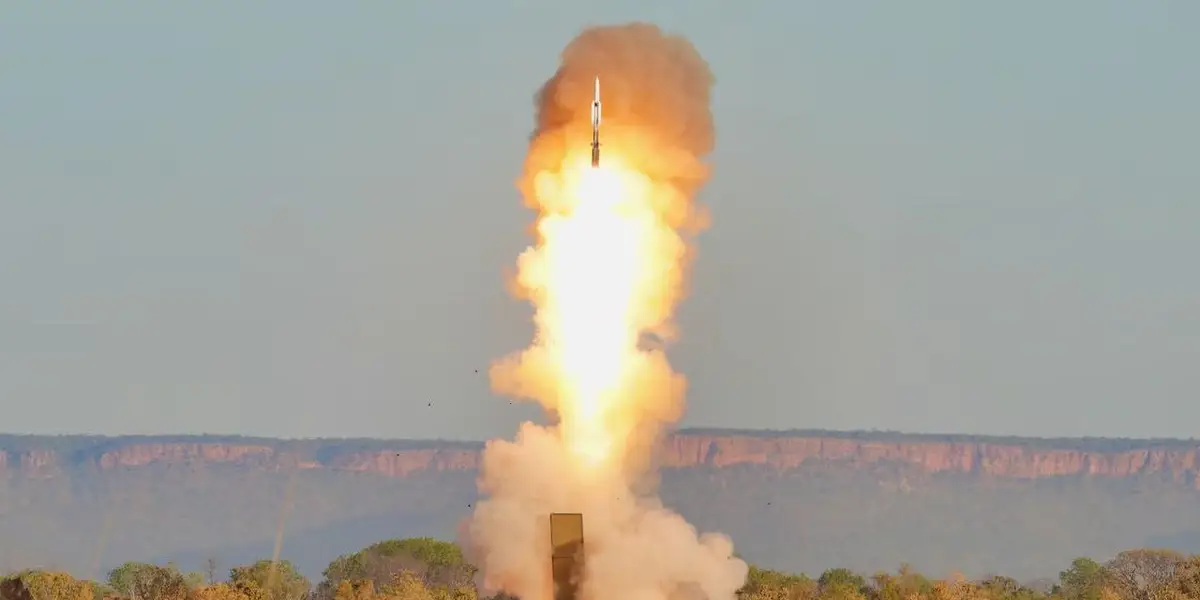
The US Army successfully tested its new Mid-Range Capability (MRC) missile system, firing a Standard Missile-6 during the Talisman Sabre 2025 exercise in Australia, marking the first time the land-based MRC was used west of the international date line and sinking a maritime target, which has heightened tensions with China due to regional security concerns.
Iran's recent missile attack on Israel showcased the use of advanced weaponry, including the Fattah hypersonic ballistic missile, Shahed 238 canister version, Paveh 351 long-range jet cruise missile, and the maneuverable Emad ballistic missile. The attack also highlighted the challenges of intercepting such advanced missiles, with Israel's defense systems successfully intercepting the majority but still recording hits in the southern part of the country, emphasizing the difficulty in achieving a 100% interception success rate.
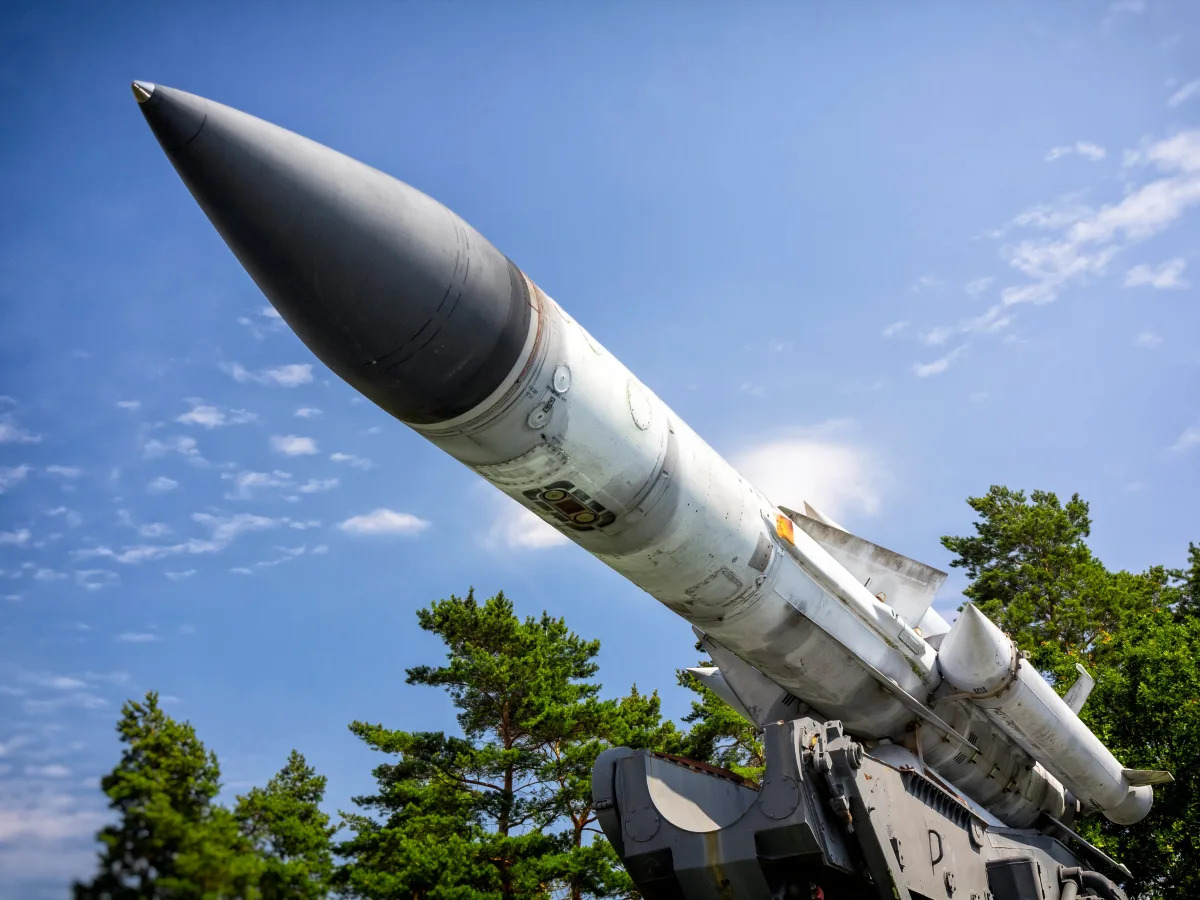
Ukraine is reportedly repurposing the Soviet-era S-200 surface-to-air missile system to strike inside Russia, according to UK intelligence. The 36-foot-long missile system, weighing 7.5 tons, was previously used for air defense but has now been retired and repurposed for ground attacks. There have been increasing reports of A-5 GAMMON missiles, which are part of the S-200 system, striking Russia. The strikes inside Russian territory are seen as strategically significant, putting pressure on Russia to improve its air defenses.