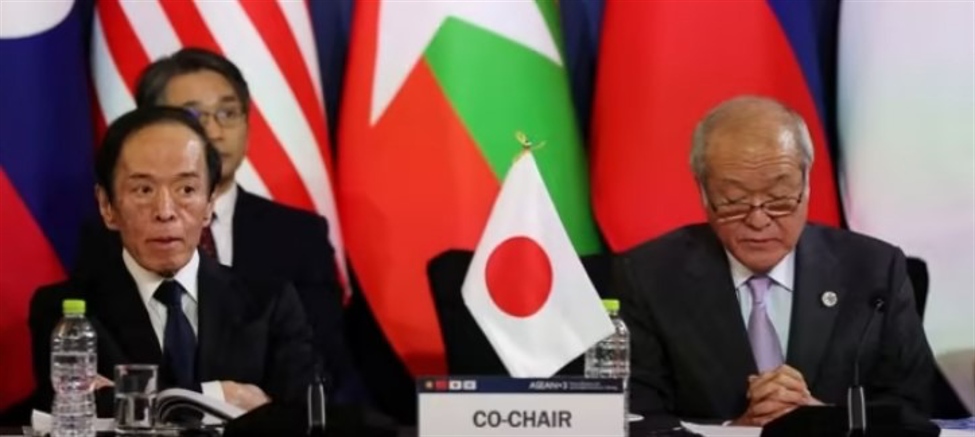
Japan's Ministry of Finance confirmed its first currency intervention since 2022, spending 9.7885 trillion yen ($62.25 billion) between April 26 and May 29 to stabilize the yen after it plunged to a 34-year-low. This intervention coincided with a sharp rebound in the yen, which had been under pressure since the Bank of Japan ended its negative interest rate policy in March.
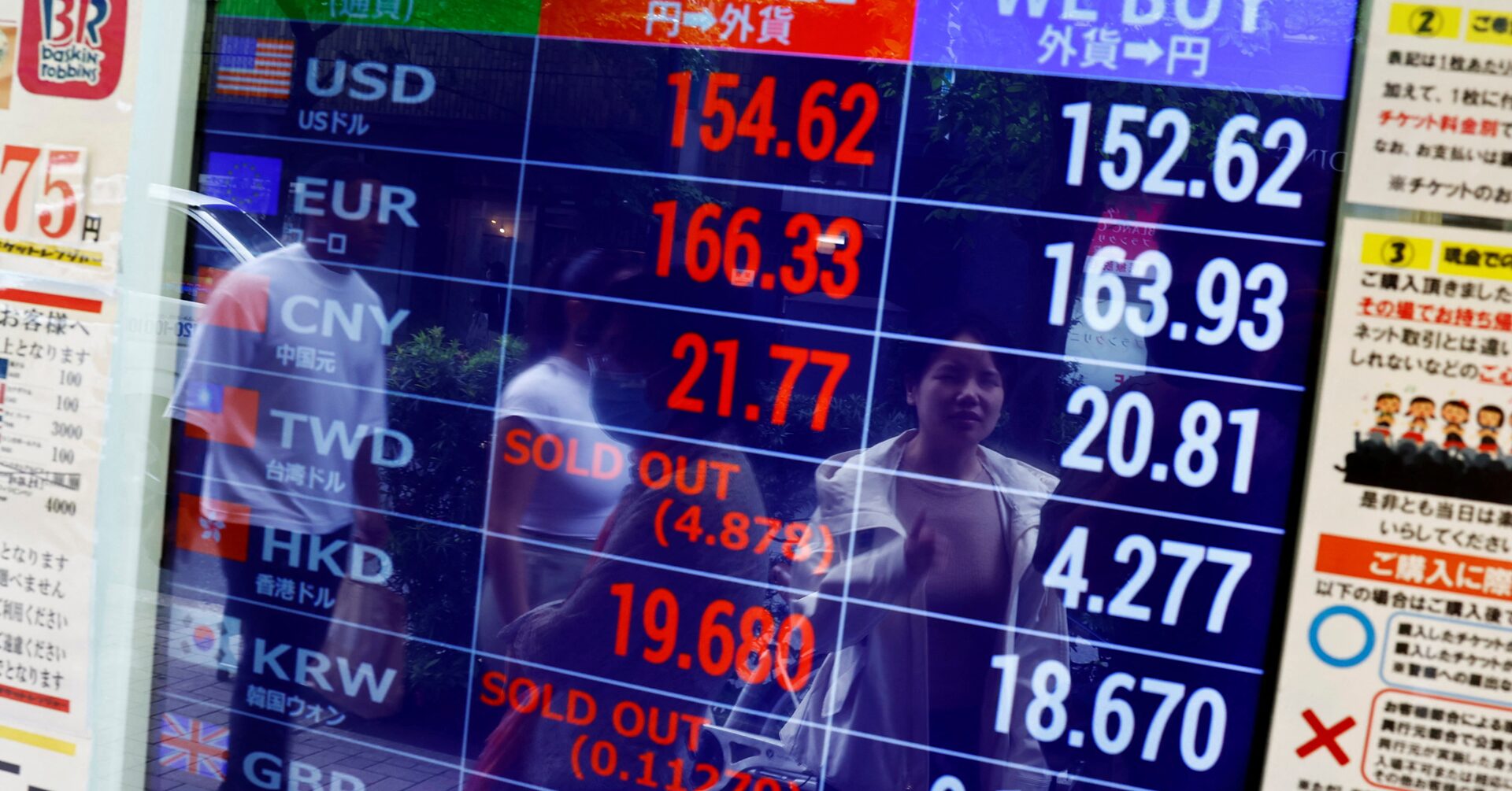
Japan's net external assets reached a record 471.3 trillion yen ($3 trillion) in 2023, maintaining its status as the world's top creditor for the sixth consecutive year, driven by a weak yen and increased overseas corporate acquisitions.
The Bank of Japan (BOJ) may intervene in the USD/JPY exchange rate if the yen weakens further, with past interventions resulting in an initial 500-point drop. The Ministry of Finance (MOF) is responsible for formulating foreign exchange policy and instructs the BOJ to execute interventions. The BOJ conducts operations by buying yen using USD reserves. The MOF and BOJ collaborate closely, with the MOF making the ultimate decision on intervention based on advice from the BOJ. The current JPY weakness is impacting the popularity of Kishida in the polls, potentially prompting the government to announce new economic measures.
JPMorgan analysts predict that Japan's threshold for intervening in the currency market to weaken the yen will likely be around 150 yen per dollar. They believe that the Ministry of Finance (MoF) will not intervene at the current level of 145 yen per dollar, and their threshold for intervention is slightly higher. The analysts also note that the Japanese economy has been improving, reducing the need for intervention compared to previous cases.