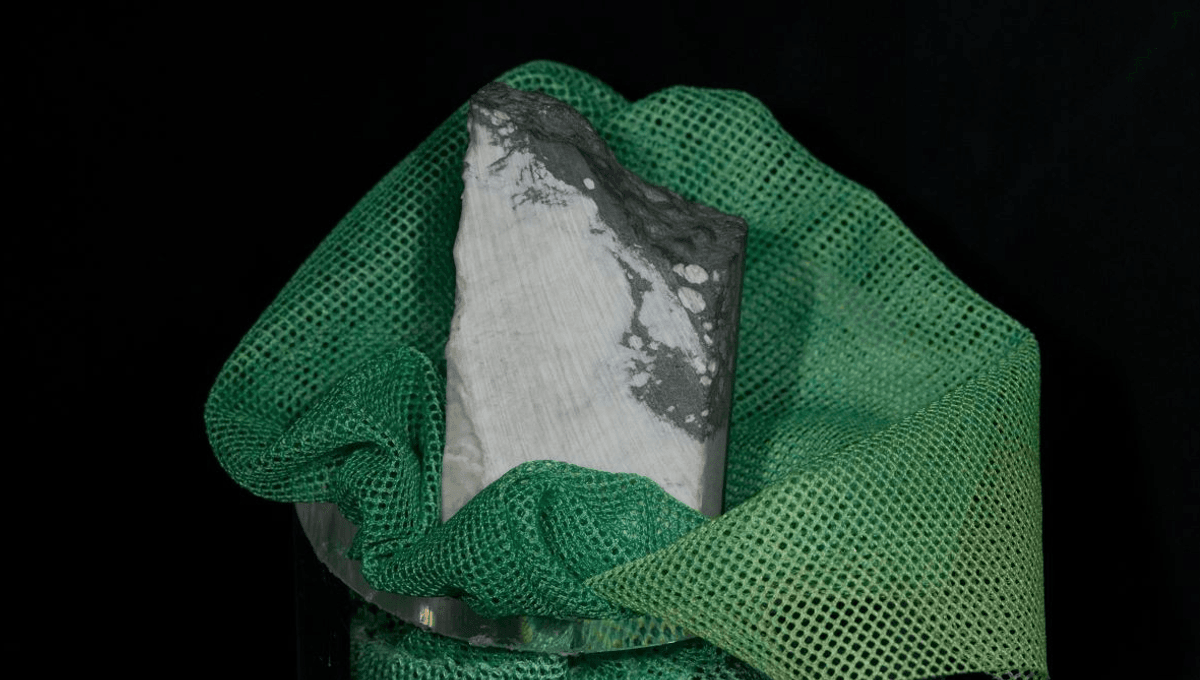
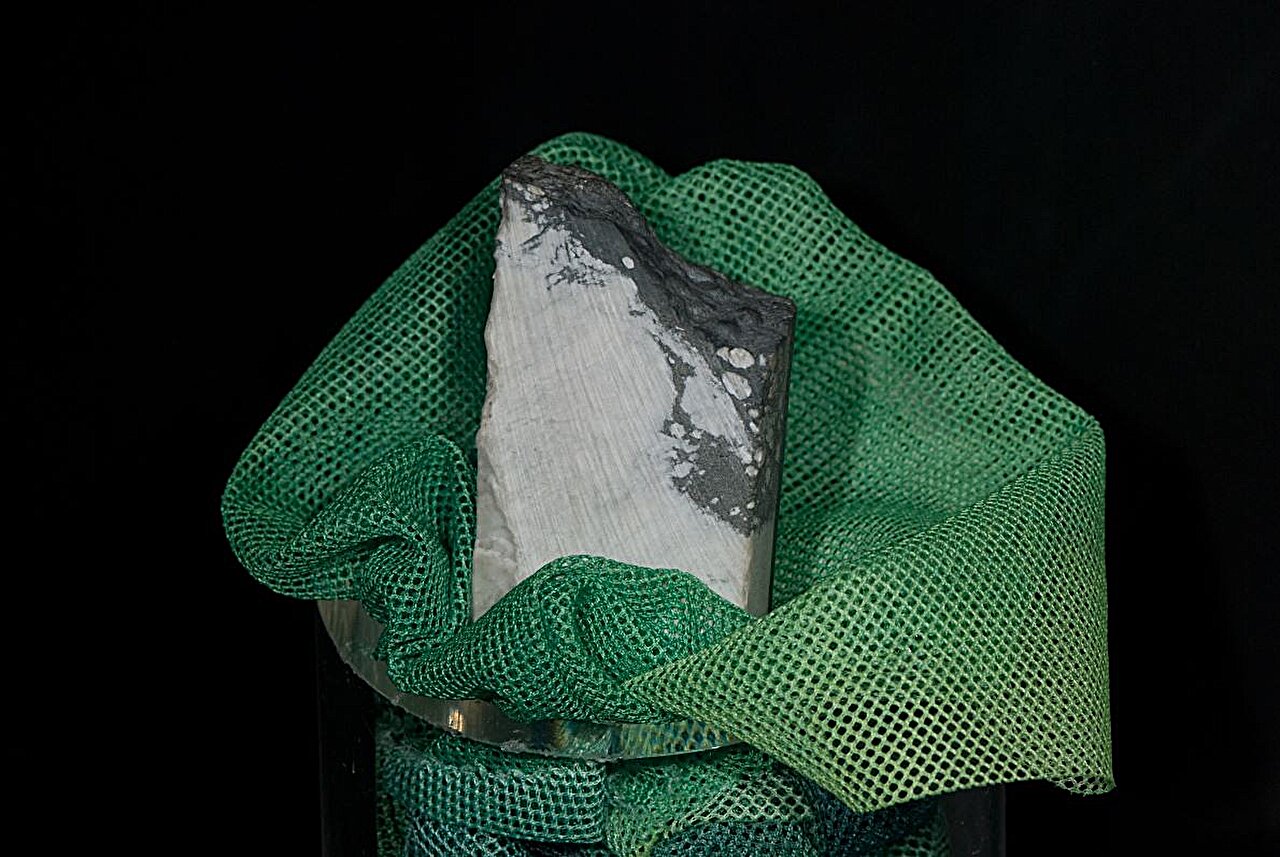
Jadarite, a rare lithium-rich mineral found only in Serbia, has been scientifically characterized, revealing its specific formation conditions, which could aid in discovering new deposits and supporting the green energy transition through lithium extraction for batteries.
Scientists from the Natural History Museum have uncovered the precise geological conditions needed to form jadarite, a rare lithium-rich mineral with potential to support Europe's green energy transition due to its high lithium content and environmentally friendly extraction process.
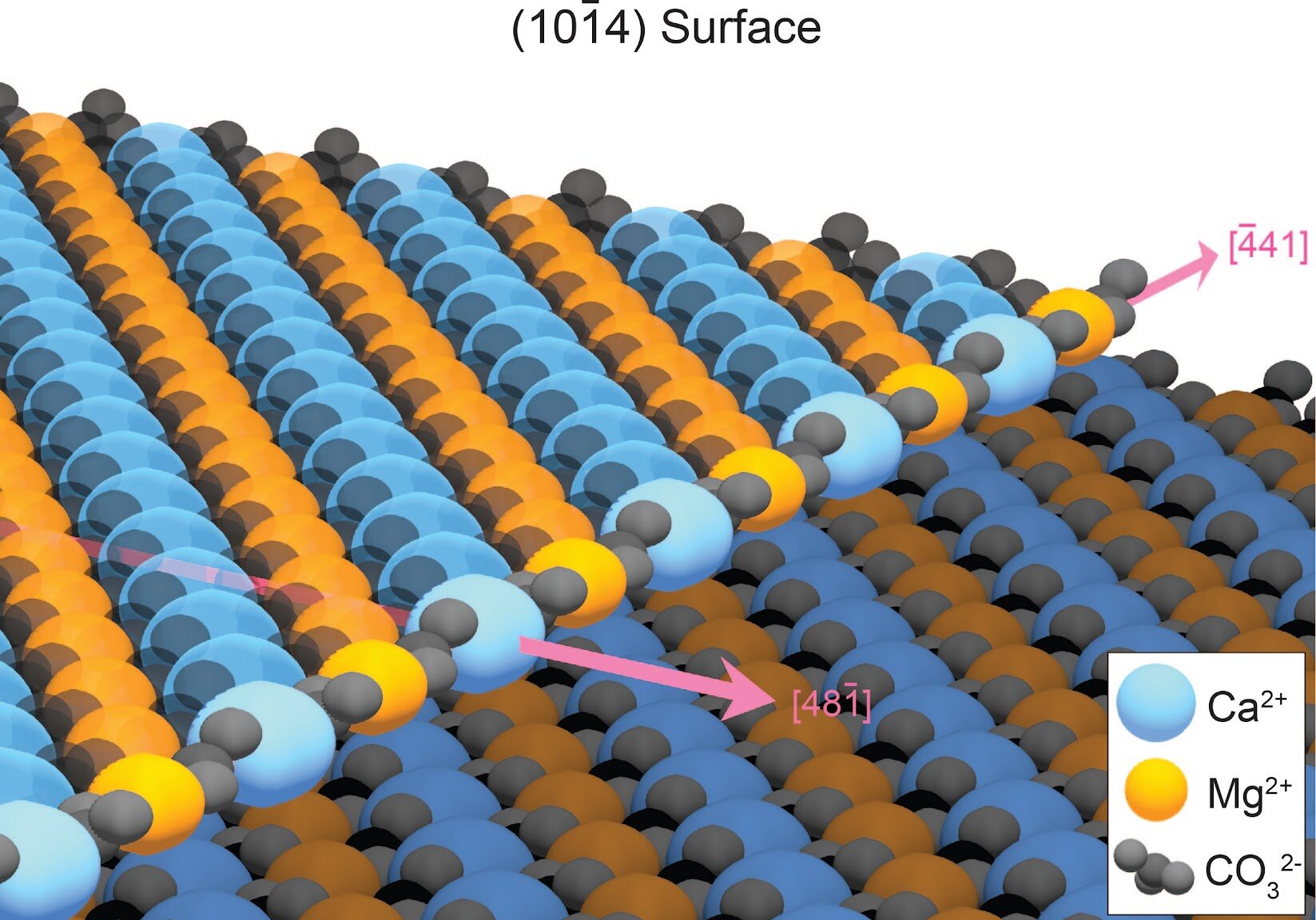
Scientists have successfully grown dolomite in the lab for the first time by dissolving structural defects during growth. Dolomite, a key mineral found in various geological formations, has been a challenge to grow in the lab due to the formation of defects that hinder its growth. By removing these defects, researchers were able to simulate dolomite growth over geologic timescales. The findings have implications for the production of high-quality materials in fields such as semiconductors, solar panels, and batteries.
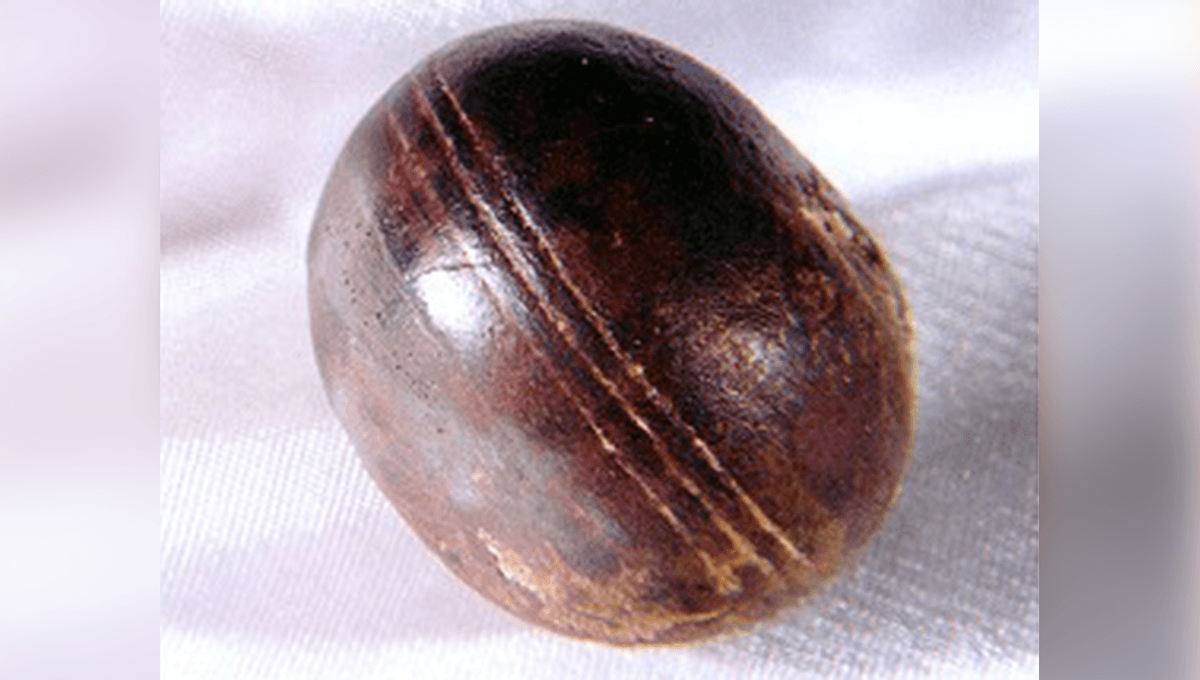
The Klerksdorp Spheres, found in South Africa, have been the subject of conspiracy theories involving aliens and ancient civilizations due to their perfectly spherical shape and seam-like lines. However, geologist Bruce Cairncross offered a rational explanation for the spheres, stating that they are concretions formed by precipitation from an aqueous solution and consist of minerals crystallized in the host rock. The lines across the spheres are caused by imprints from the host rock, which was built up in layers over time. The mystery of why the sphere supposedly spun "on its own" was explained by the curator of the Klerksdorp Museum, stating that it is quite natural for it to rotate a bit due to earth tremors caused by mining activities.