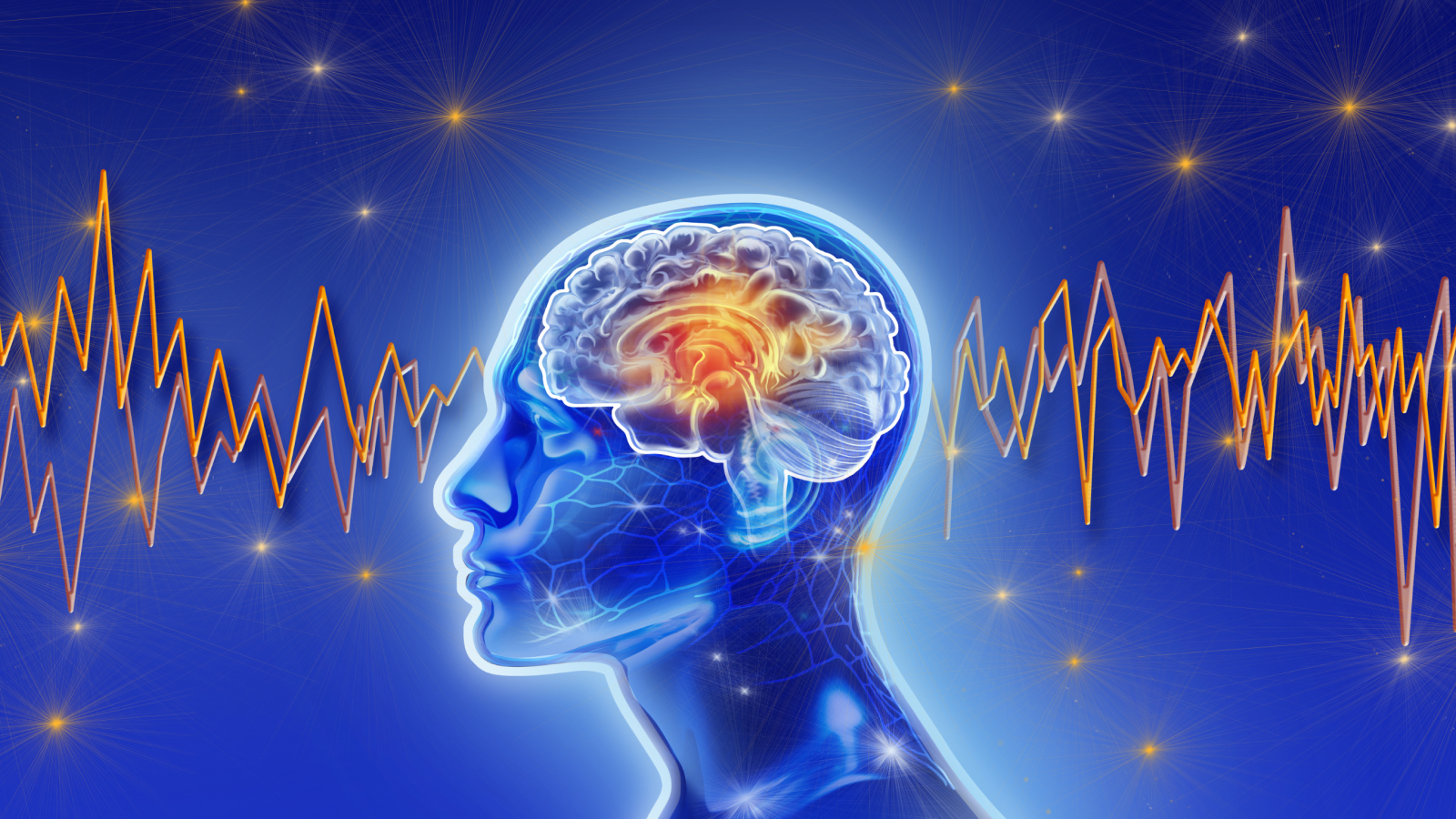
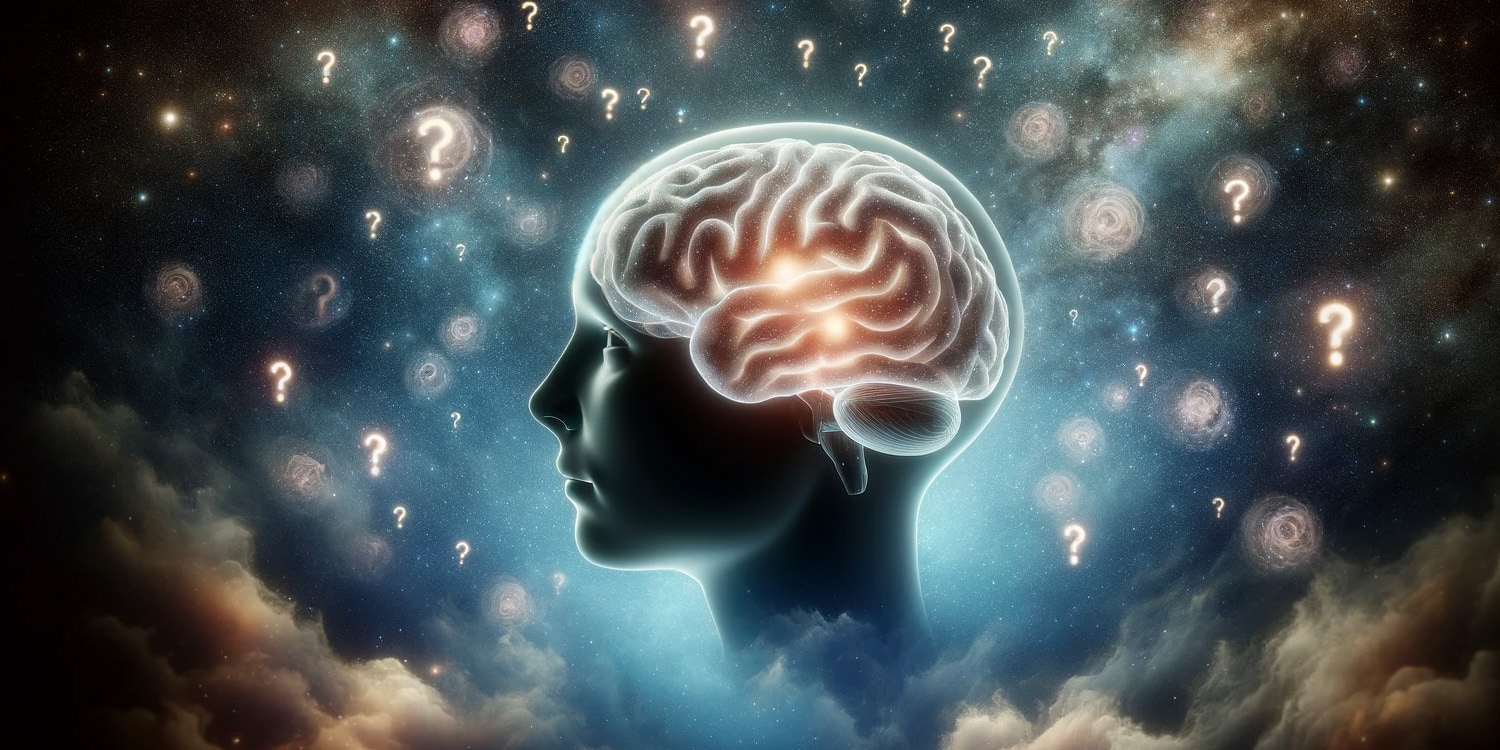
Scientists used EEG and fMRI scans to study 'mind blanking,' a brief state where conscious thought stops, revealing that during this state, brain activity slows down and shows hyperconnectivity similar to deep sleep, possibly serving as a brain reset mechanism.
Recent brain scan studies reveal that 'mind blanking' is a distinct conscious state characterized by slowed and hyperconnected brain activity, similar to deep sleep, which may serve as a brain reset mechanism during wakefulness.
New neuroscience research published in The Journal of Neuroscience reveals that mind blanking, a phenomenon where individuals find themselves unable to recount their immediate-past mental content, is associated with a marked reduction in brain activity across several key regions. The study provides insights into the neural correlates of mind blanking, shedding light on the passive nature of this state of consciousness and differentiating it from induced thought suppression. The findings open new avenues for understanding the complexity of human thought and consciousness, prompting further exploration into the biological basis and potential impact of mind blanking on individuals.