Tag

Blast Exposure

All articles tagged with #blast exposure

military-and-veterans1 year ago

"Maine Gunman's Traumatic Brain Injury and Its Far-Reaching Impact"

The autopsy of Robert R. Card II, the Army reservist who committed a mass shooting in Maine, revealed profound brain damage likely caused by routine blasts on the training range, raising concerns about the safety of military training and the potential impact on veterans. The findings prompt a reevaluation of blast exposure guidelines and the treatment of PTSD, as many veterans with similar injuries may be struggling with mental health issues that have been misunderstood or overlooked. The implications extend to the legal system, as courts and prosecutors may need to consider blast-exposed veterans with the same sympathy and support as those with PTSD, acknowledging the significant impact of military service even without deployment.
us-military2 years ago

"Pentagon Faces Senate Inquiry Over Troops' Blast Exposure"

A bipartisan group of senators, including Elizabeth Warren and Joni Ernst, have written to Defense Secretary Lloyd J. Austin III seeking information on the military's efforts to protect troops from brain injuries caused by blast exposure from firing their own weapons. Recent research and reporting have shown that repeated blast exposure can lead to lasting and profound brain damage, with symptoms often mistaken for PTSD or willful misconduct. The senators are demanding real action to limit and track these risks, as service members have been suffering the health consequences of blast overexposure for too long.

militaryhealth2 years ago

Maine Lawmakers Demand Independent Army Probe into Gunman's Brain Injury

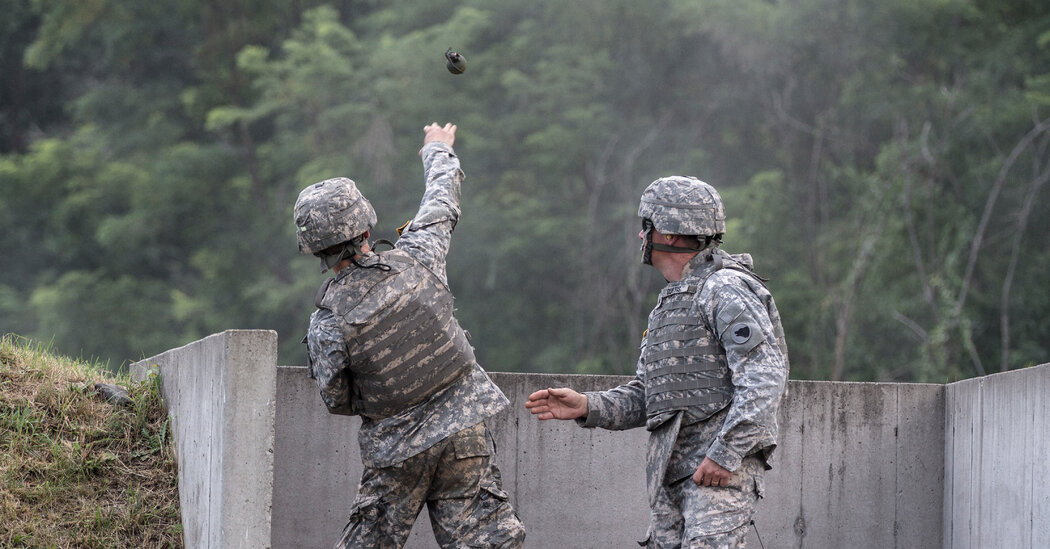
The authorities are investigating whether the psychological collapse and violent rampage of Army Reservist Robert Card, who killed 18 people in Maine, may have been linked to brain damage caused by his role as a grenade instructor. Card worked for years at an Army hand grenade training range, where he was exposed to thousands of explosions. The military has only recently started to recognize the potential harm from blast exposure, and studies have shown that artillery soldiers who fired thousands of rounds developed brain injuries. The state medical examiner has sent part of Card's brain for analysis, and Army investigators are looking into the impact of his military work on his mental state.

militaryhealth2 years ago

"U.S. Troops Persist in Training with Brain Injury-Prone Weapons"

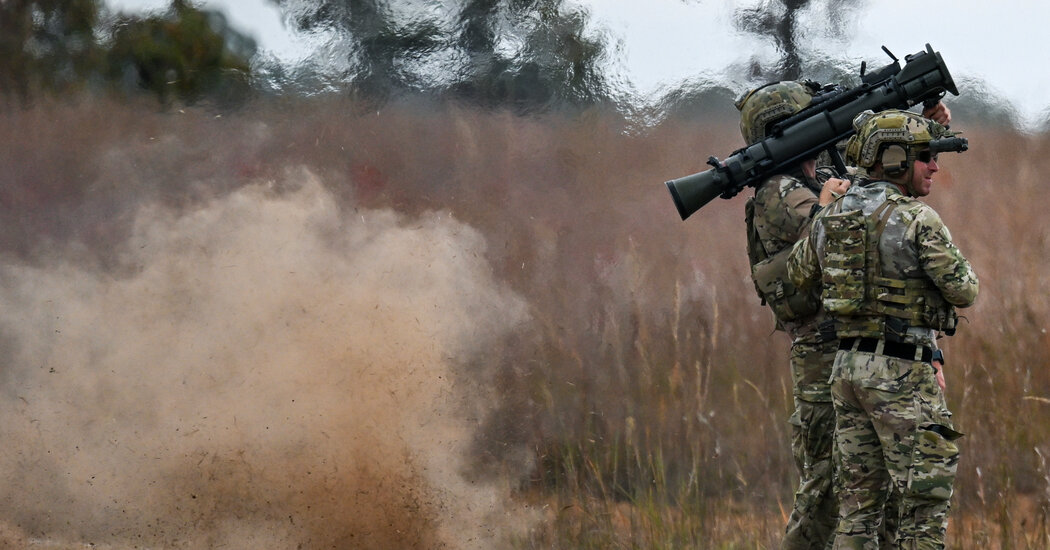
Despite mounting evidence of the serious and lasting harm caused by repetitive blasts, U.S. troops continue to train with weapons like shoulder-fired rockets that deliver shock waves well above the safety threshold. Congress has ordered the military to set safety limits and track troops' exposure, but little has changed on the ground. Troops have reported seeing little being done to limit or track blast exposure, and training continues as usual. Studies have shown that blast exposure can lead to brain injuries and long-term consequences for mental health. The military has been criticized for failing to take practical steps to ensure the safety of its troops, including providing blast gauges for real-time monitoring.

military2 years ago

"U.S. Troops Persist in Training with Brain Injury-Prone Weapons"

Despite evidence of the serious and lasting harm caused by repetitive blasts from weapons like shoulder-fired rockets, U.S. troops continue to train with these weapons, exposing themselves to blast waves far above safety limits. Congress has ordered the military to set safety limits and track troops' exposure, leading to the creation of the Warfighter Brain Health Initiative. However, little has changed on the ground, with troops reporting minimal efforts to limit or track blast exposure. The military's failure to take practical steps to ensure safety has raised concerns about the long-term consequences for mental health and brain damage. Efforts to issue blast gauges to service members and monitor blast exposure have been delayed, despite evidence that troops change their behavior to avoid blasts when provided with real-time monitoring.