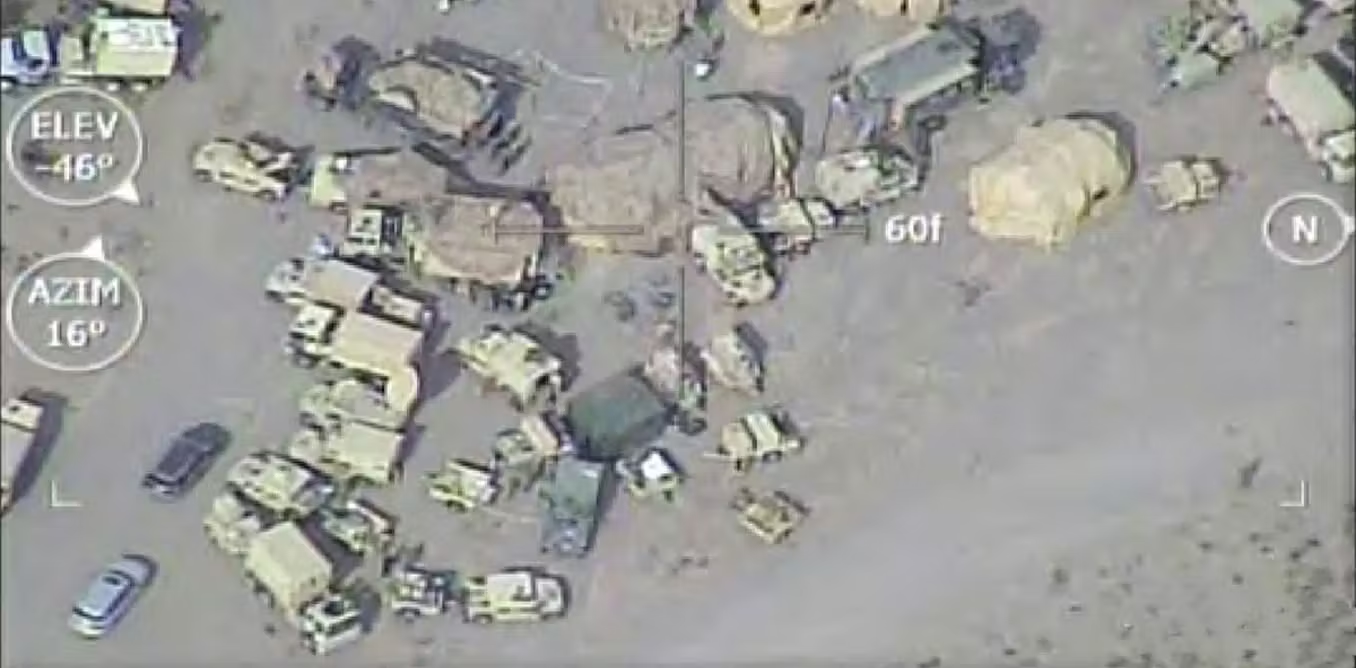
AI agents have the potential to revolutionize military command structures by automating routine tasks, reducing staff sizes, and enabling faster, more flexible decision-making, but significant reforms in training, infrastructure, and doctrine are necessary to fully realize their benefits and avoid outdated, vulnerable command post designs.
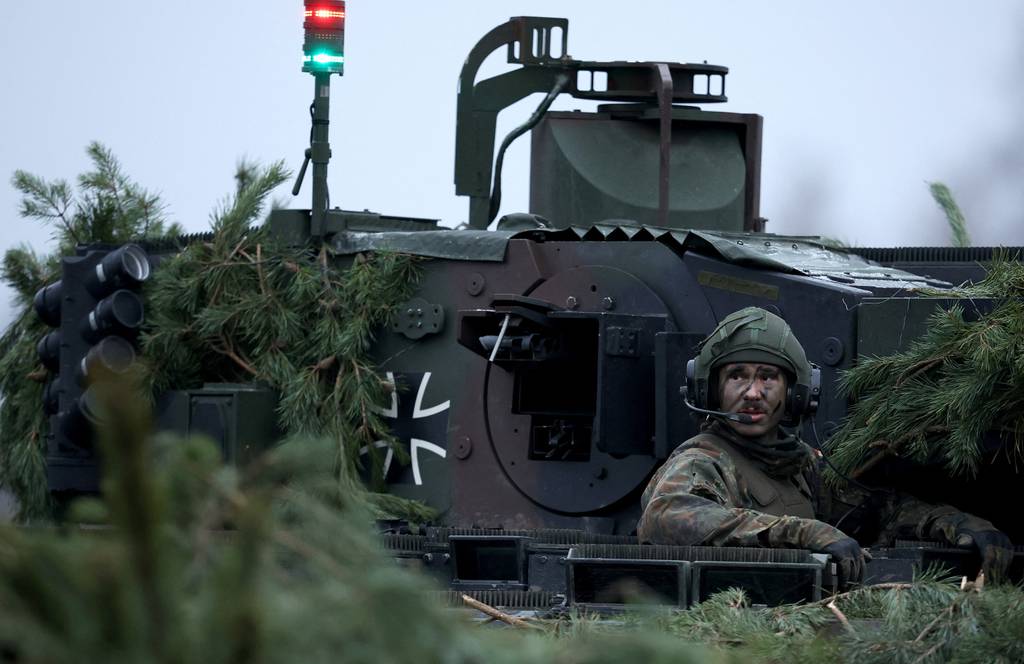
Germany's defense minister announced a plan to reorganize the country's military command to make the armed forces "war-capable," including streamlining operations and expanding the cyber and information department. This comes as part of efforts to increase defense spending to reach the NATO target of 2% of GDP and modernize the Bundeswehr, following Chancellor Olaf Scholz's commitment after Russia's invasion of Ukraine. The overhaul aims to address the need for quick decisions and eliminate duplication within the military, with a focus on defending the country and the alliance.
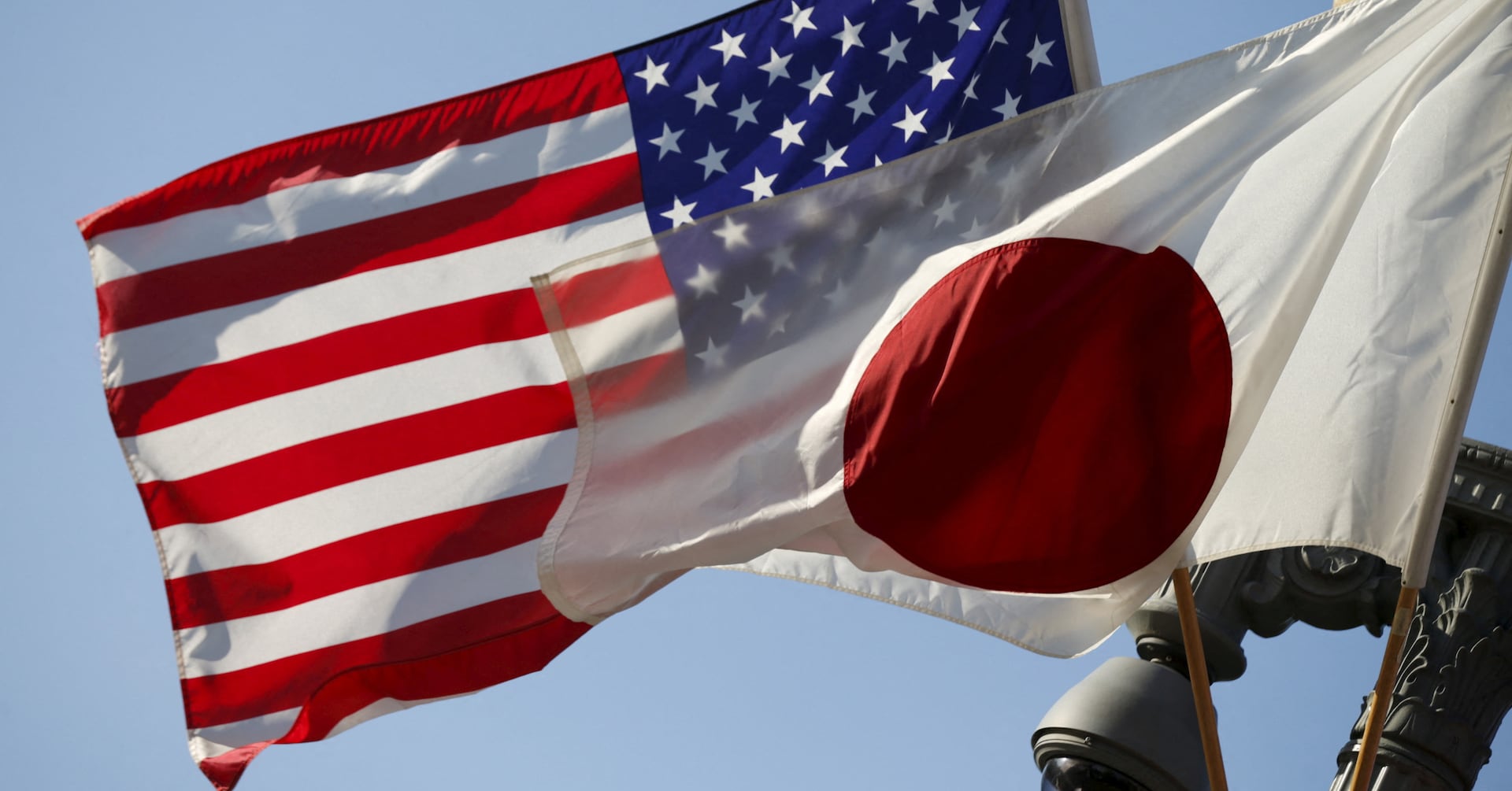
U.S. President Joe Biden and Japanese Prime Minister Fumio Kishida are set to announce a plan to restructure the U.S. military command in Japan, aiming to enhance operational planning and military exercises between the two countries in response to shared concerns about China. The plan, to be unveiled on April 10, reflects the close alliance between the U.S. and Japan and their joint strategy towards China, North Korea, and other Asian security issues.
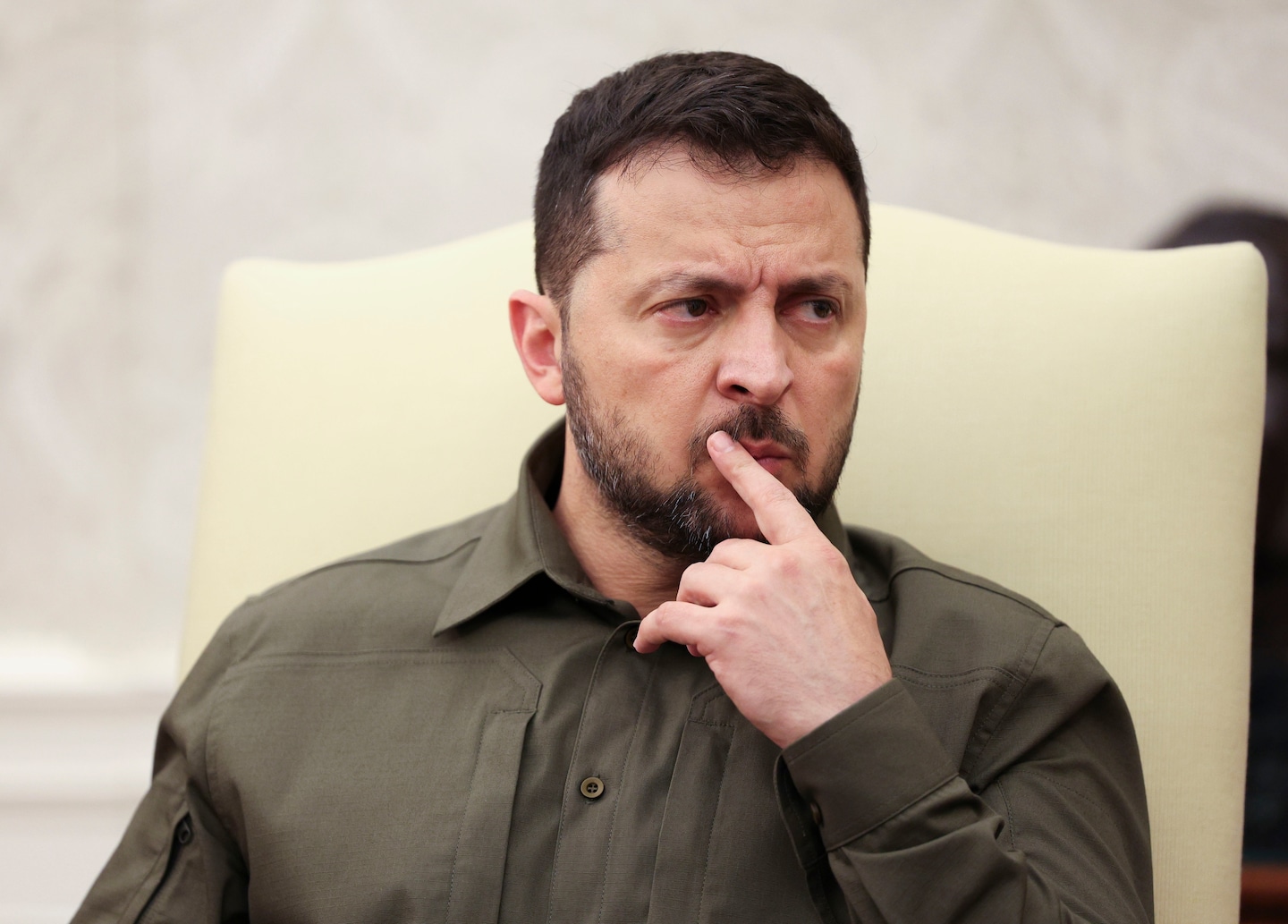
Ukrainian President Zelensky's decision to dismiss Gen. Valery Zaluzhny, the top military commander, in an effort to refresh the leadership has sparked backlash and uncertainty. The move has raised concerns about potential instability and its impact on the ongoing war with Russia. Zelensky's reluctance to mobilize more soldiers and the need for additional resources have been points of contention, leading to tensions between the president and the military leadership. The replacement of Zaluzhny with a more loyal commander could further exacerbate the situation, with implications for Ukraine's defense strategy and the morale of its troops.
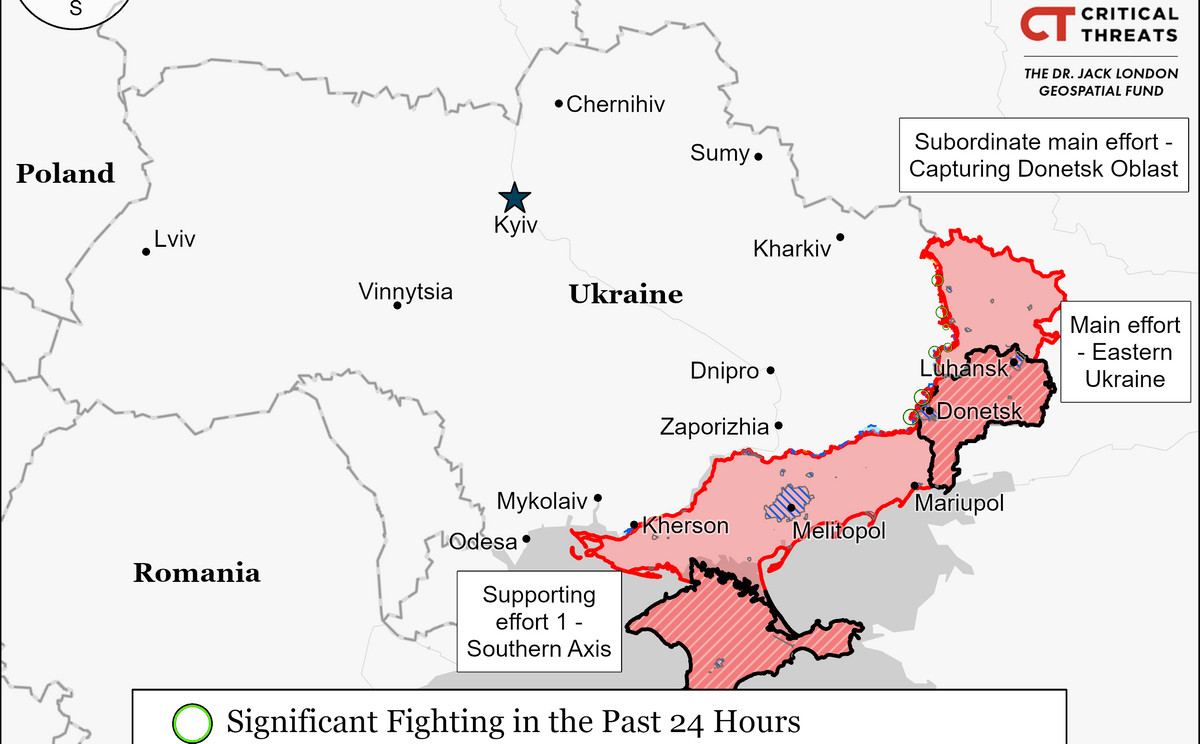
The Russian military command has dismissed the commander of the 106th Guards Airborne Division, Major General Vladimir Seliverstov, as part of an ongoing purge of insubordinate commanders, indicating a worsening corrosion of the Russian chain of command in Ukraine. This growing insubordination is likely to deepen factional divides within the Russian military and wider security sphere. Ukrainian forces have conducted counteroffensive operations, making limited gains in several sectors. The Ukrainian military has adjusted its strategy to minimize casualties while attriting Russian forces. The Belarusian Ministry of Defense has developed a plan for Wagner Group personnel to train Belarusian forces, and Russian authorities continue to forcibly integrate Ukrainian Orthodox Church dioceses into the Russian Orthodox Church.
The Wall Street Journal spoke to several Russian soldiers who surrendered to Ukraine and were taken prisoner in the early days of Ukraine’s offensive. The men describe intense pressure from Russian military command and authorities in Russia to fight at any cost. Many of the prisoners said morale on the Russian side was very low. They doubted their reasons for fighting and feared Russian authorities more than captivity in Ukraine.
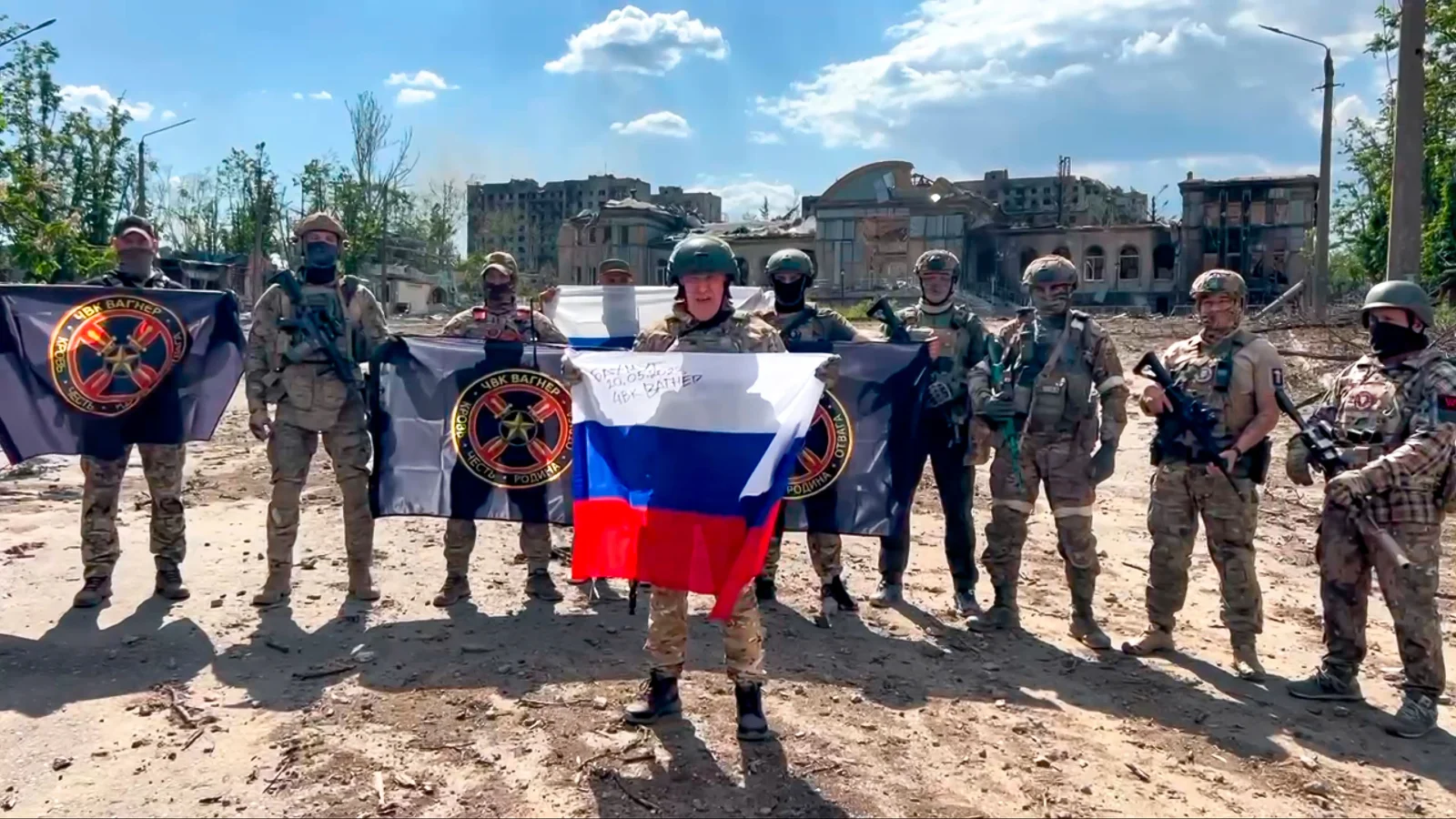
Yevgeniy Prigozhin, the mercenary chief of the Wagner Group, has threatened to withdraw his men from Ukraine if Moscow continues to be led by "clowns," widening the rift between his group and military command. Prigozhin, known as Putin's chef or "butcher," wants a "section of the front where we can fight independently without anyone's help." The feud between Prigozhin and Russia's military command has intensified after a change of personnel earlier this year, which saw the army decrease support for Wagner troops.
Yevgeniy Prigozhin, the head of the Wagner Group, has threatened to withdraw his men from Ukraine if Moscow continues to be led by "clowns," widening the rift between his group and military command. Prigozhin wants a "section of the front where we can fight independently without anyone’s help." The feud between Prigozhin and Russia’s military command has intensified after a change of personnel earlier this year, which saw the army decrease support for Wagner troops.