Donald Trump expressed intentions to run Venezuela and dominate the western hemisphere, with past military actions aimed at stopping migration, drug flow, and reclaiming oil reserves, though he rarely mentioned regime change due to war fatigue among his base.
The US has conducted a series of strikes against alleged drug trafficking vessels in the Caribbean, resulting in at least 70 deaths, amid a broader military campaign in Latin America targeting drug cartels and suspected terrorists, with ongoing tensions involving Venezuela and questions about the legality and civilian impact of these operations.
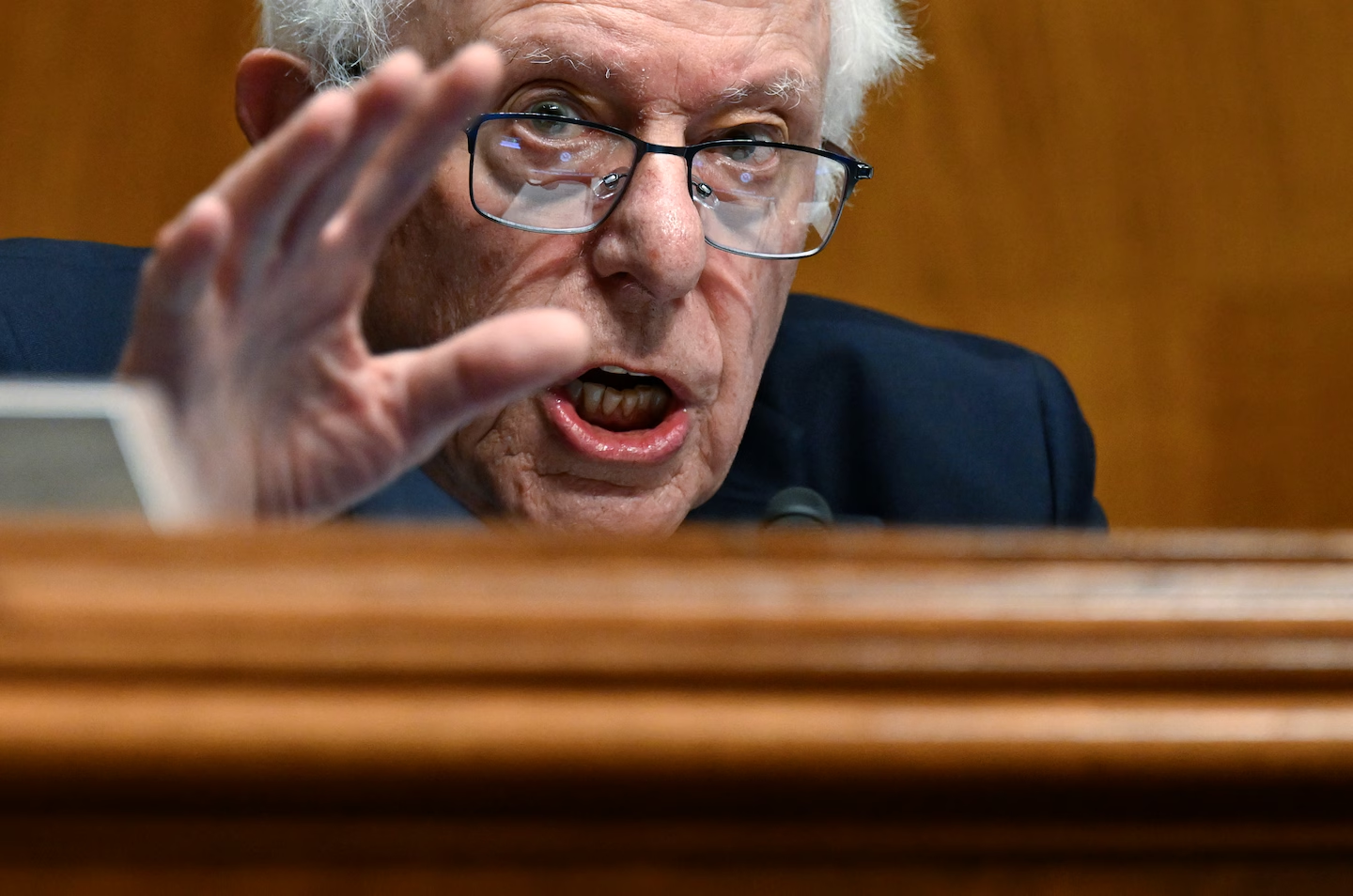
Senator Bernie Sanders publicly described Israel's actions in Gaza as genocide for the first time, marking a significant and high-profile statement amid international criticism of the military campaign.
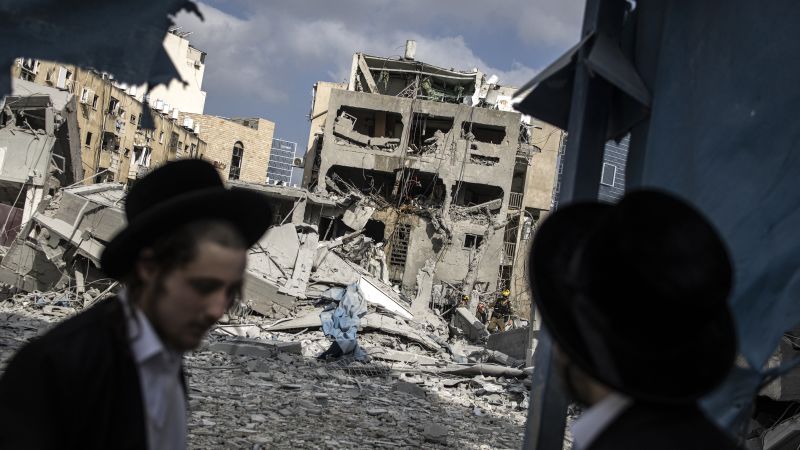
Israel is continuing its military strikes against Iran's nuclear targets, assessing the impact of US attacks, with some officials privately considering ending the campaign if Iran's nuclear capabilities are sufficiently damaged. The operation aims to eliminate Iran's missile and nuclear threats, with Israel claiming significant progress, while Iran has responded with missile attacks on Israel.
Benjamin Netanyahu's political troubles in Israel have been temporarily alleviated by a successful military campaign against Iran, which has unified political support and shifted focus away from domestic issues, though its long-term political impact remains uncertain.
Israeli Prime Minister Benjamin Netanyahu's goal of eradicating Hamas through military campaigns in Gaza is questioned by experts who argue that fully eradicating a group like Hamas is difficult and may lead to further radicalization. With a high civilian death toll, some believe that Israel's actions could fuel the radicalization of groups like Hamas, rather than ending it. The impact of Israel's military campaign on its security and the potential for escalating tensions are also highlighted.
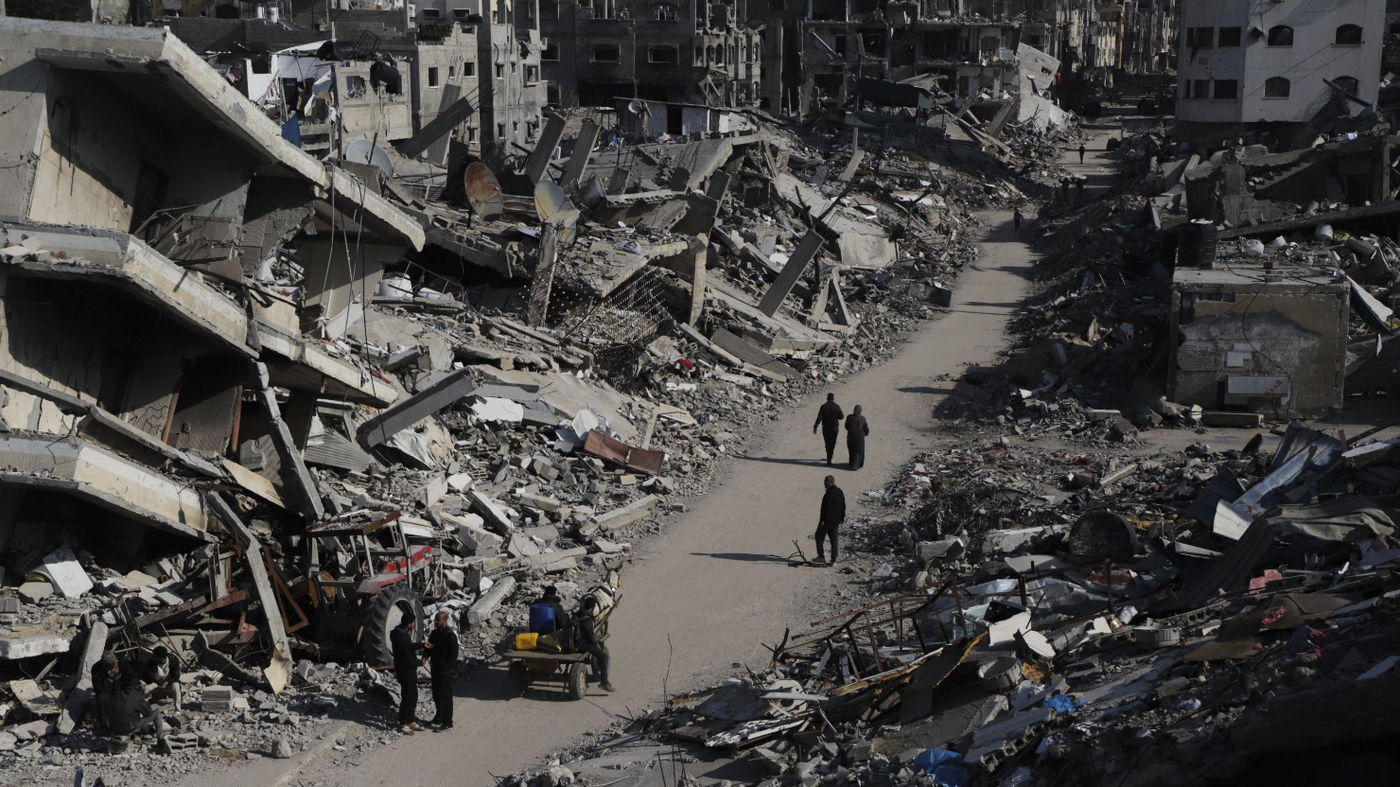
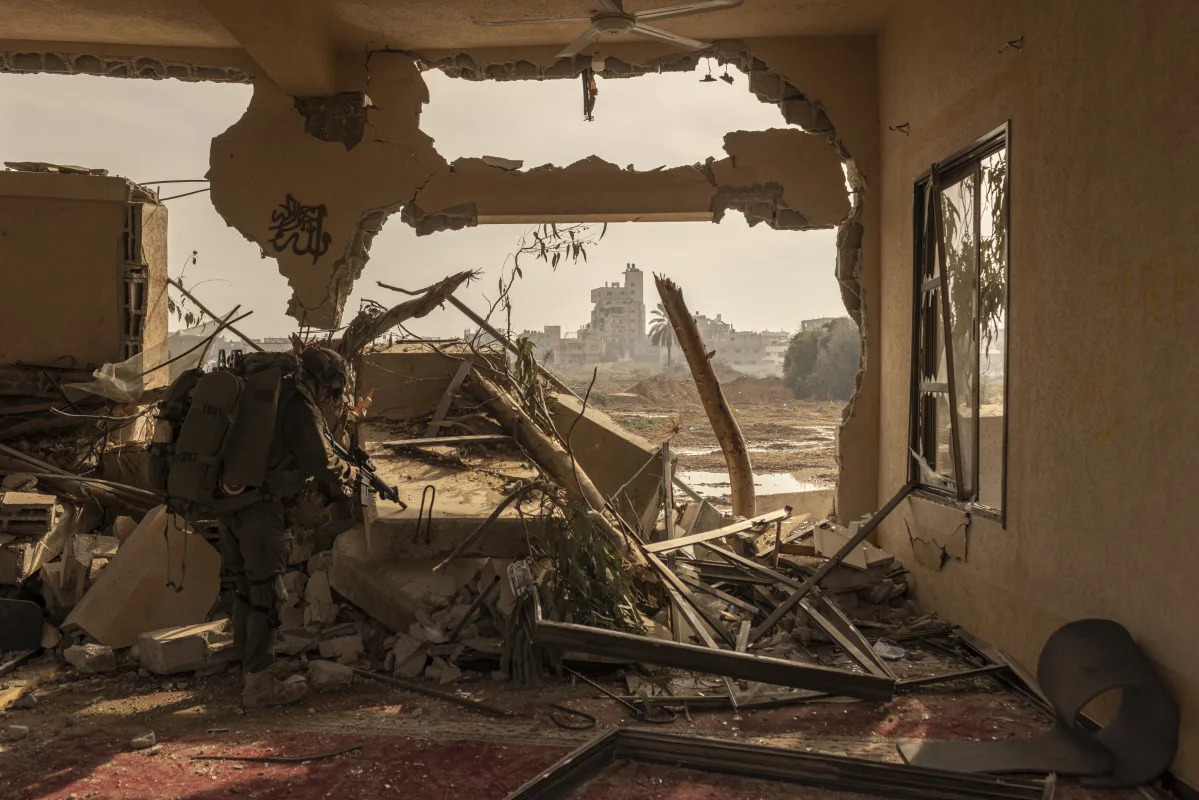
Six months after Hamas's attack, Israel's military campaign in Gaza has inflicted significant damage on Hamas but has also resulted in a high cost in terms of Palestinian lives and Israel's international reputation. Despite tactical successes, including weakening Hamas's military forces and killing top leaders, Israel has failed to set the stage for a new government in Gaza. The ongoing conflict has led to a humanitarian crisis and strained Israel's relationships with Western and Arab states. The Netanyahu government's approach to Gaza is facing criticism, and there are concerns about the lack of a long-term plan for governance in the region.
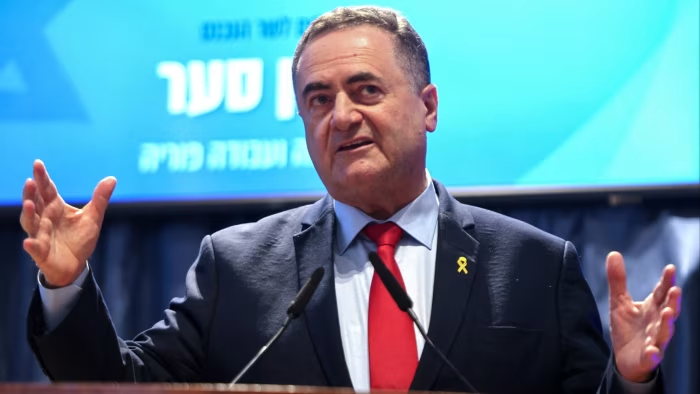
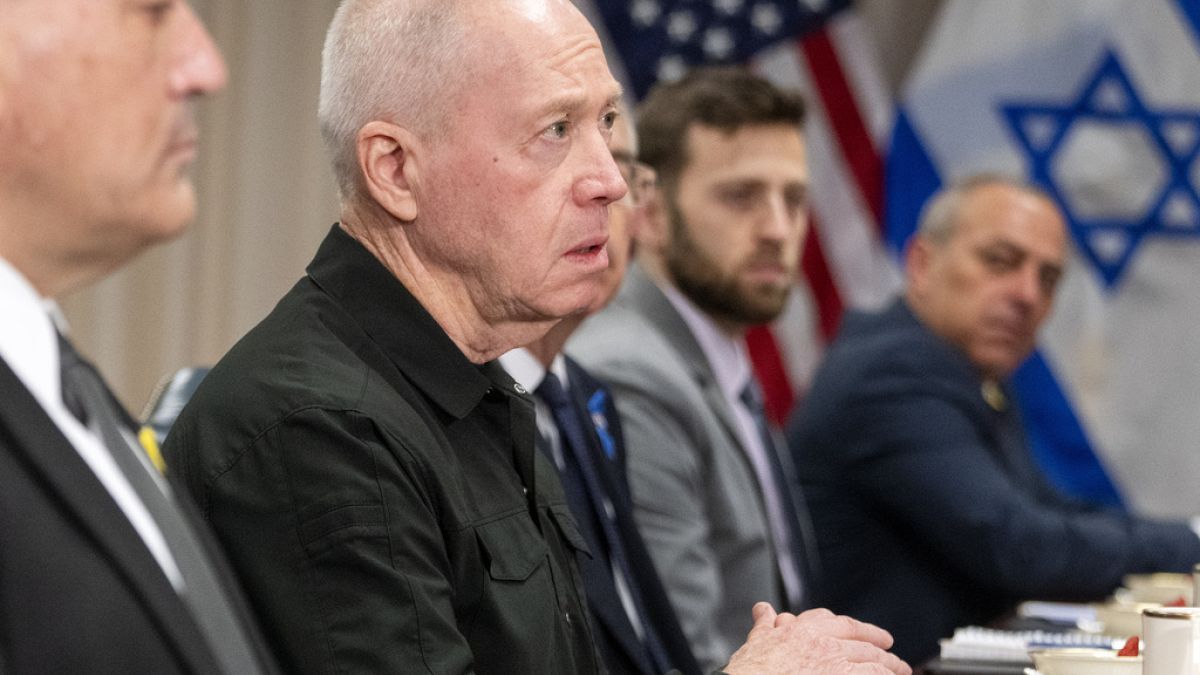
Israel's Defence Minister Yoav Gallant announces plans to expand military campaign, hinting at recent airstrikes in Syria and Lebanon, as talks resume to bring Israeli officials to Washington to discuss potential military operations in Gaza, following Prime Minister Benjamin Netanyahu's cancellation of a planned visit in response to the U.S vote on a UN cease-fire resolution.
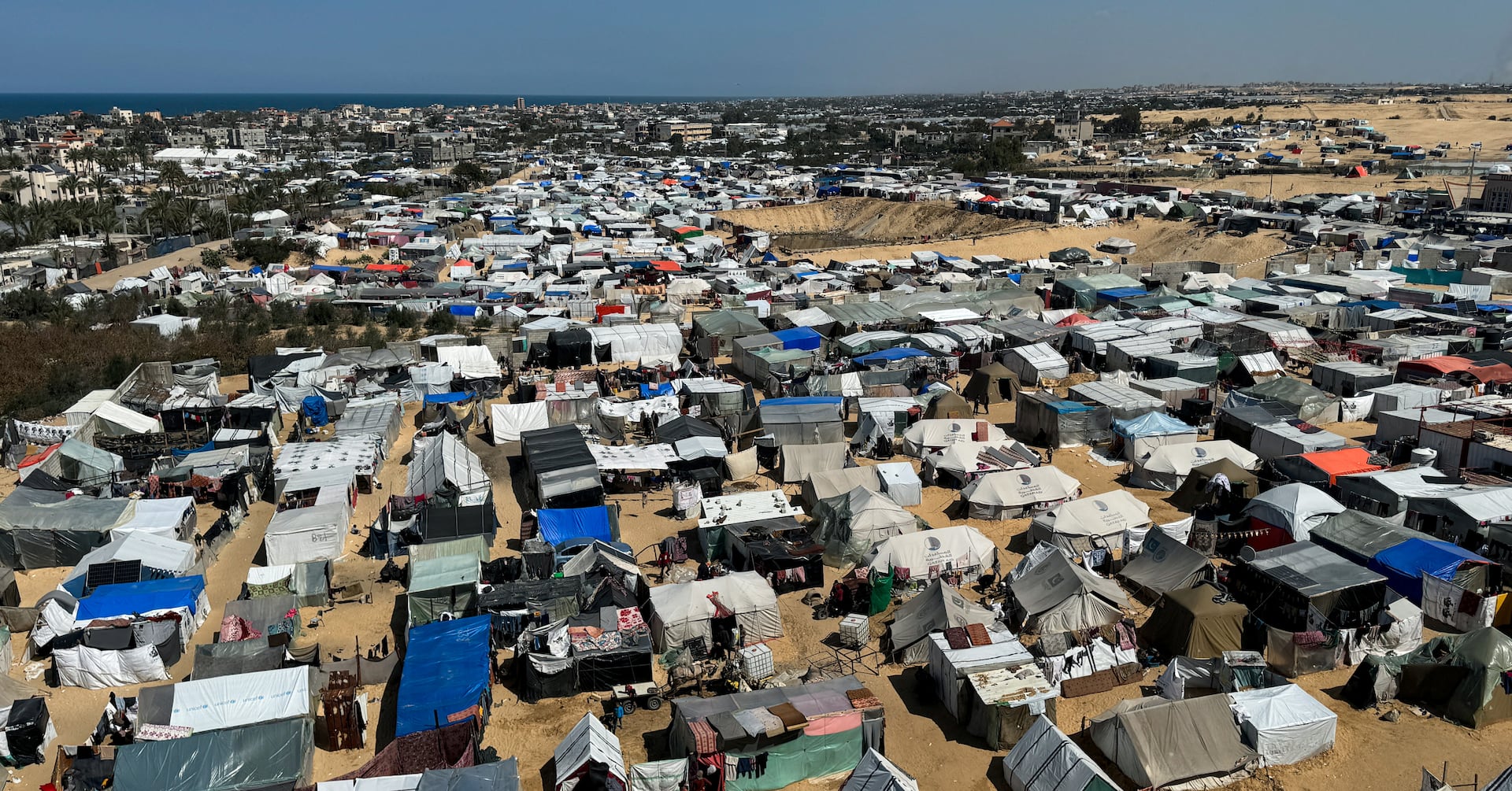
Israeli Prime Minister Benjamin Netanyahu stated that Israel will continue its military campaign in Rafah, despite international pressure to refrain from entering the area where 1.5 million Palestinians have sought shelter. European Union leaders are planning to urge Israel not to launch a ground operation in Rafah, and U.S. President Joe Biden has criticized Netanyahu's approach to the conflict.
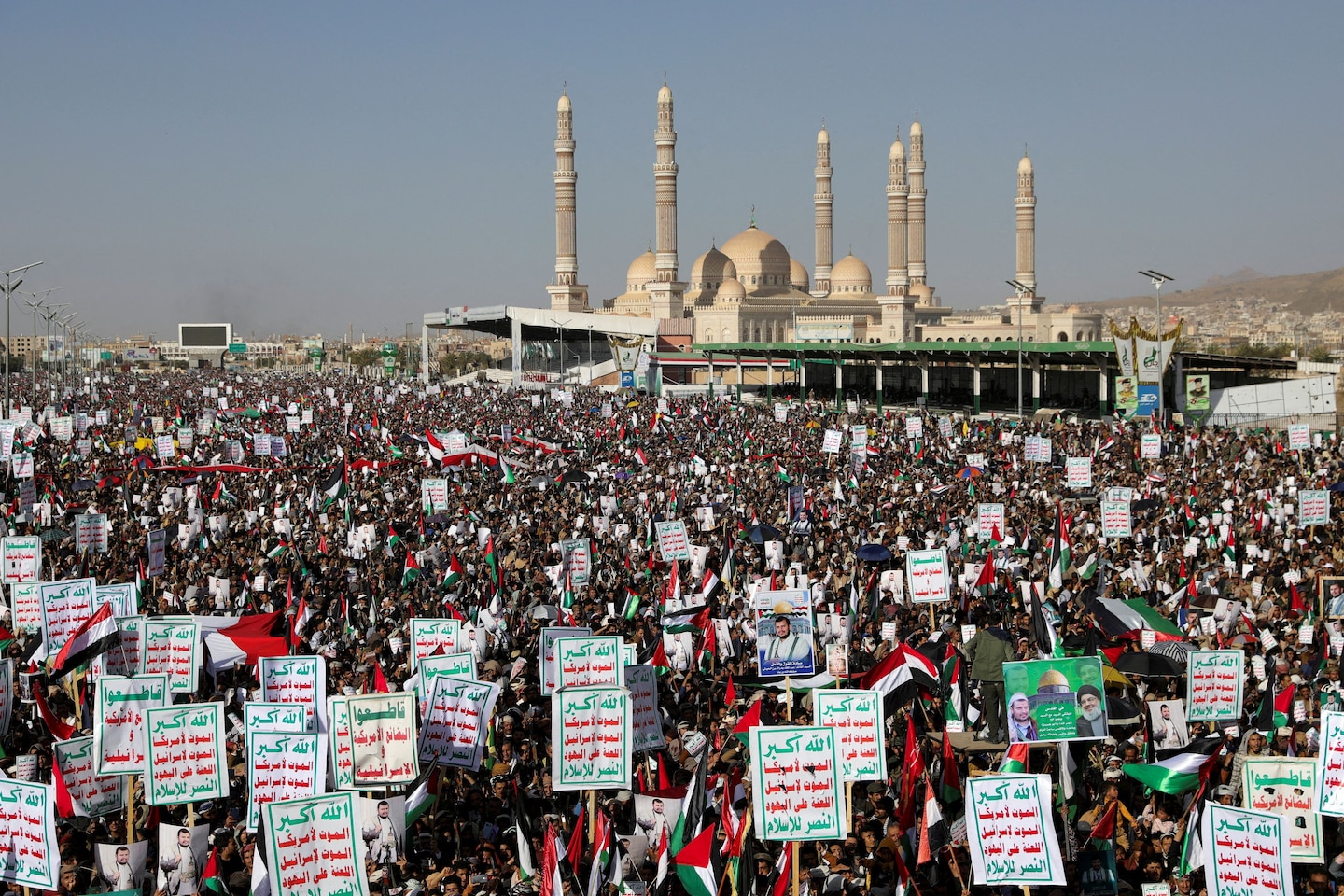
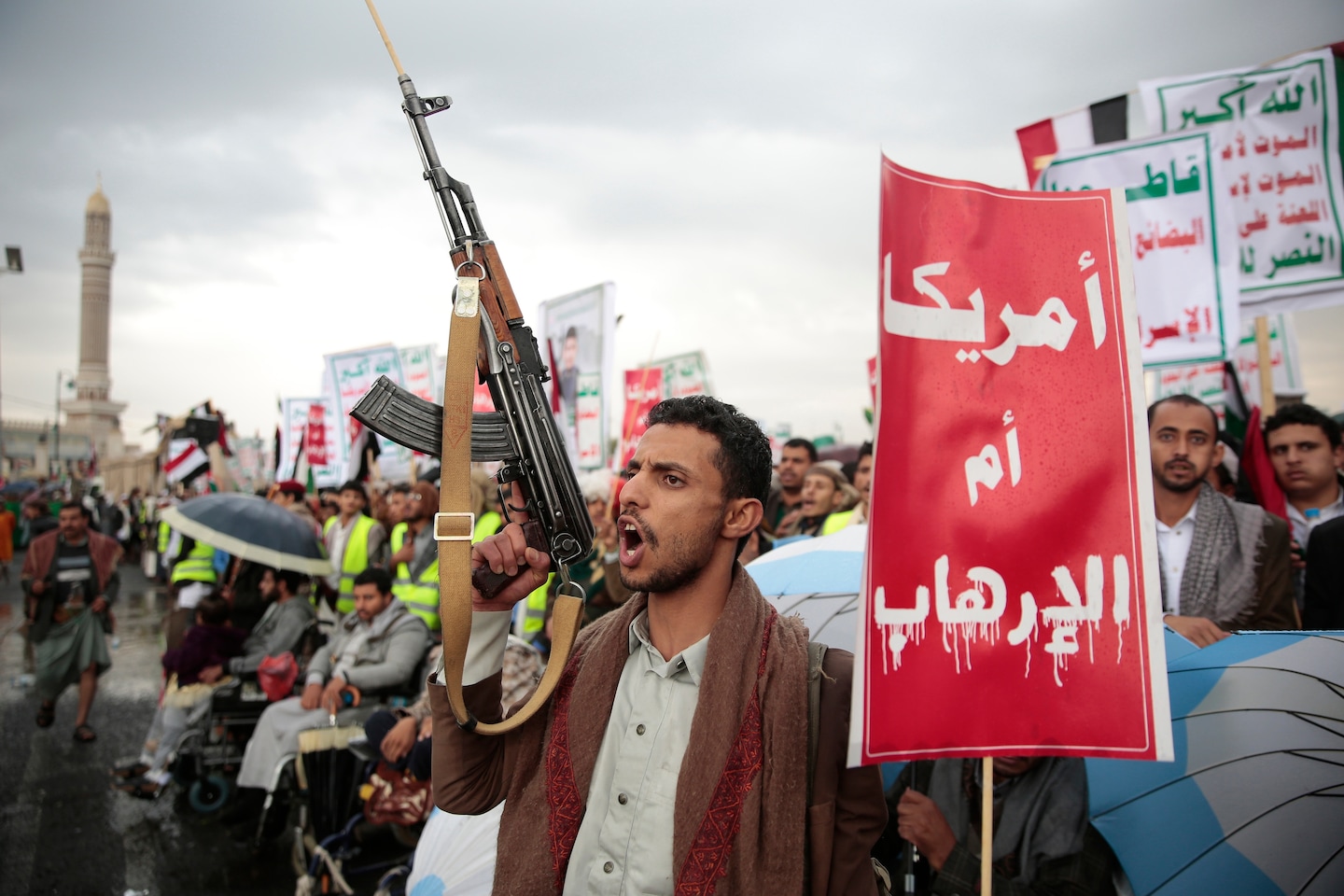
The Biden administration is preparing for a sustained military campaign against the Houthis in Yemen after 10 days of strikes failed to stop their attacks on maritime commerce, while U.S. troops are being assessed for traumatic brain injuries following an attack on the Ain al-Asad Air Base by Iran-backed militants in western Iraq.
The Biden administration is planning a sustained military campaign against the Houthi rebels in Yemen, following 10 days of strikes that failed to halt their attacks on maritime commerce. The escalating violence poses a challenge to President Biden's efforts to refocus U.S. foreign policy on Russia and China. The administration aims to erode the Houthis' military capability to deter their attacks on shipping in the Red Sea and Gulf of Aden, but there is no clear end date for the operation. The U.S. is also working to intercept weapons shipments from Iran, which is believed to provide advanced equipment to the rebels. The situation has raised concerns about potential diplomatic setbacks and humanitarian consequences in Yemen.
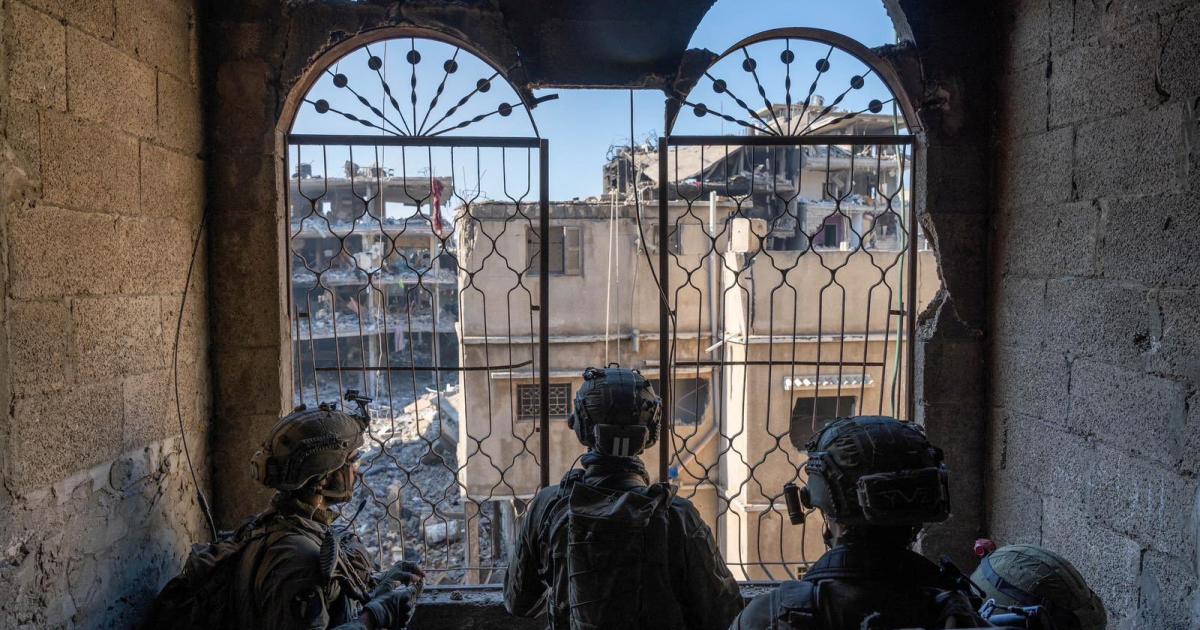
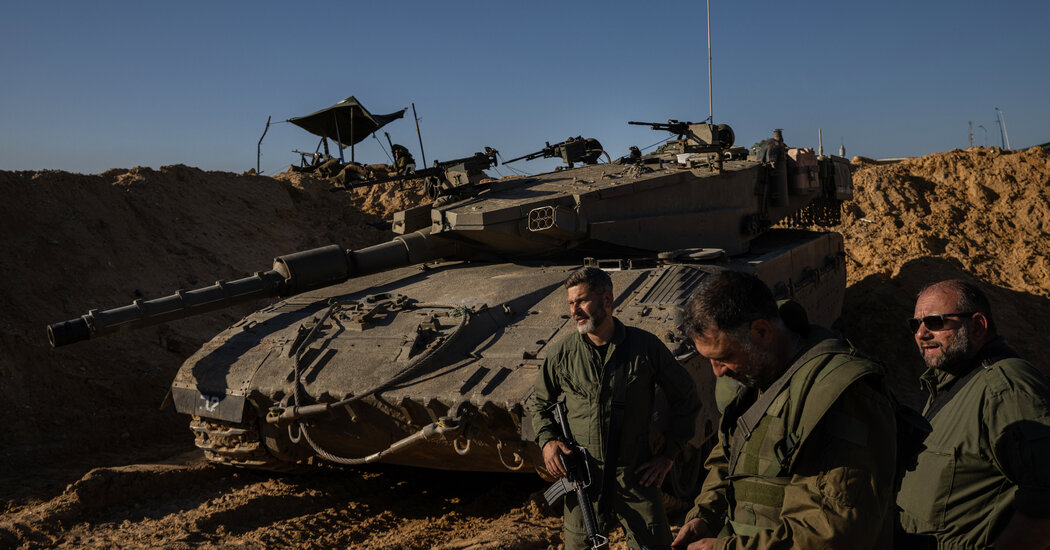
Israel is transitioning its military campaign in Gaza from large-scale ground and air operations to a more targeted phase, aiming to complete the shift by the end of January. The new phase involves fewer troops and airstrikes, focusing on surgical missions by elite forces to find and eliminate Hamas leaders, rescue hostages, and destroy tunnels. The U.S. has urged Israel to curtail its campaign, and there are discussions about restoring public order in Gaza as Israeli troops withdraw, including the possibility of local leaders providing security and the retraining of Palestinian Authority's security forces.
Israel is transitioning its military campaign in Gaza from large-scale operations to a more targeted approach, aiming to complete the shift by the end of January. The new phase involves fewer troops and airstrikes, focusing on surgical missions by elite forces to target Hamas leaders, rescue hostages, and destroy tunnels. The U.S. has urged Israel to curtail its campaign, and there are discussions about restoring public order in Gaza through local leaders and potential retraining of Palestinian Authority security forces. Israeli leaders have ruled out the West Bank-based Palestinian Authority administering Gaza, while the Biden administration sees it as a path toward a two-state solution.
Israel's military claims to have destroyed Hamas in northern Gaza and is now focusing on central and southern regions, with the war expected to last at least a year. Around 8,000 Hamas militants have been killed in the IDF's campaign in northern Gaza alone, with key commanders killed and about 30,000 weapons confiscated. The Biden administration has urged Israel to wind down its ground campaign and rocket assaults on the territory, but Israeli Prime Minister Benjamin Netanyahu has vowed to continue until Hamas no longer poses a threat. The IDF has recovered documents showing Hamas' use of youth summer camps to indoctrinate anti-Israeli sentiment, and the conflict has left both Israeli and Palestinian citizens reeling. Additionally, there are heightened fears of a second front opening against Hezbollah in Lebanon as Israel and that terror group continue to exchange rocket fire over their borders.
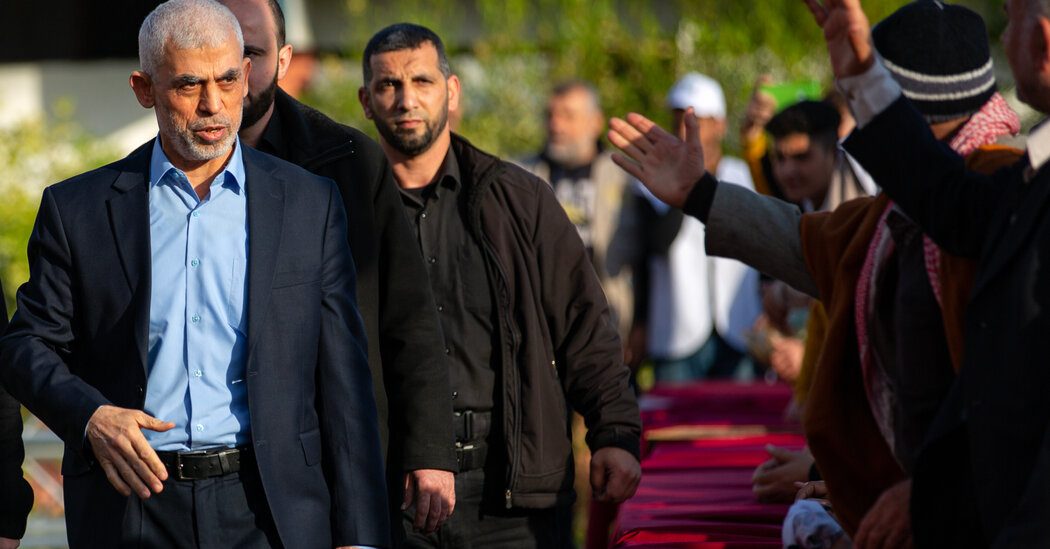
Despite a military campaign that has caused significant destruction and casualties in Gaza, Israel has been unable to locate Yahya Sinwar and other senior Hamas figures believed to be key plotters of the October 7 attack. Israel has offered substantial rewards for information leading to their arrest, but so far, their efforts have been unsuccessful. Yahya Sinwar, the Hamas leader in Gaza, is considered central to the attack and has a reputation for being tough and brutal.