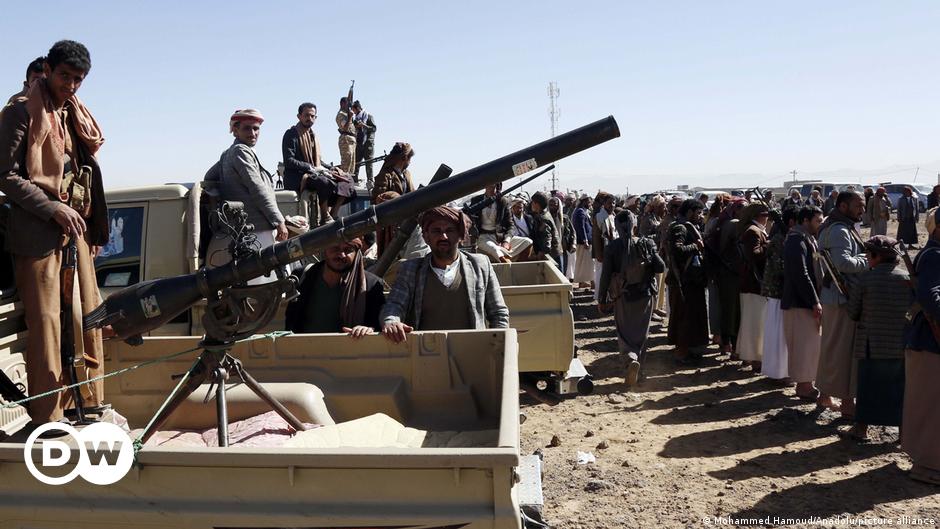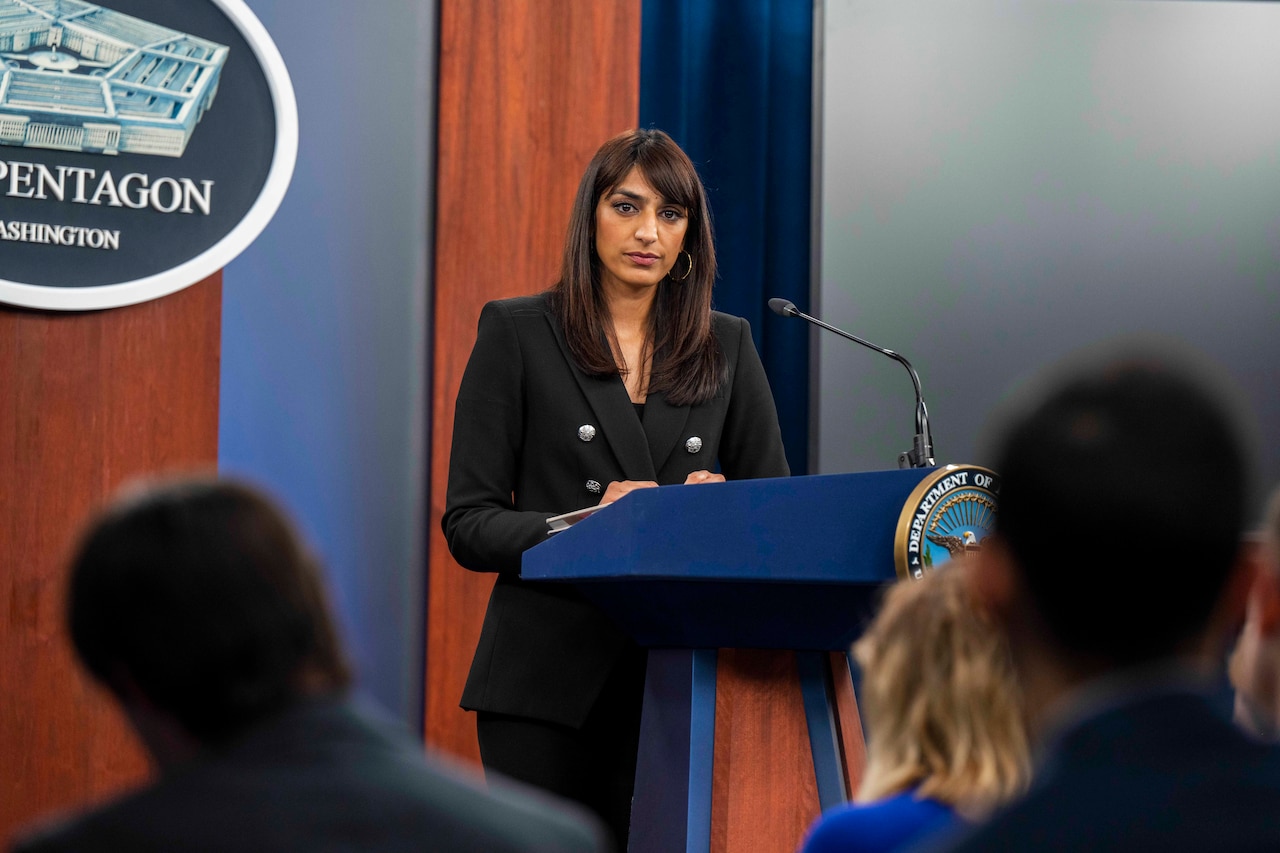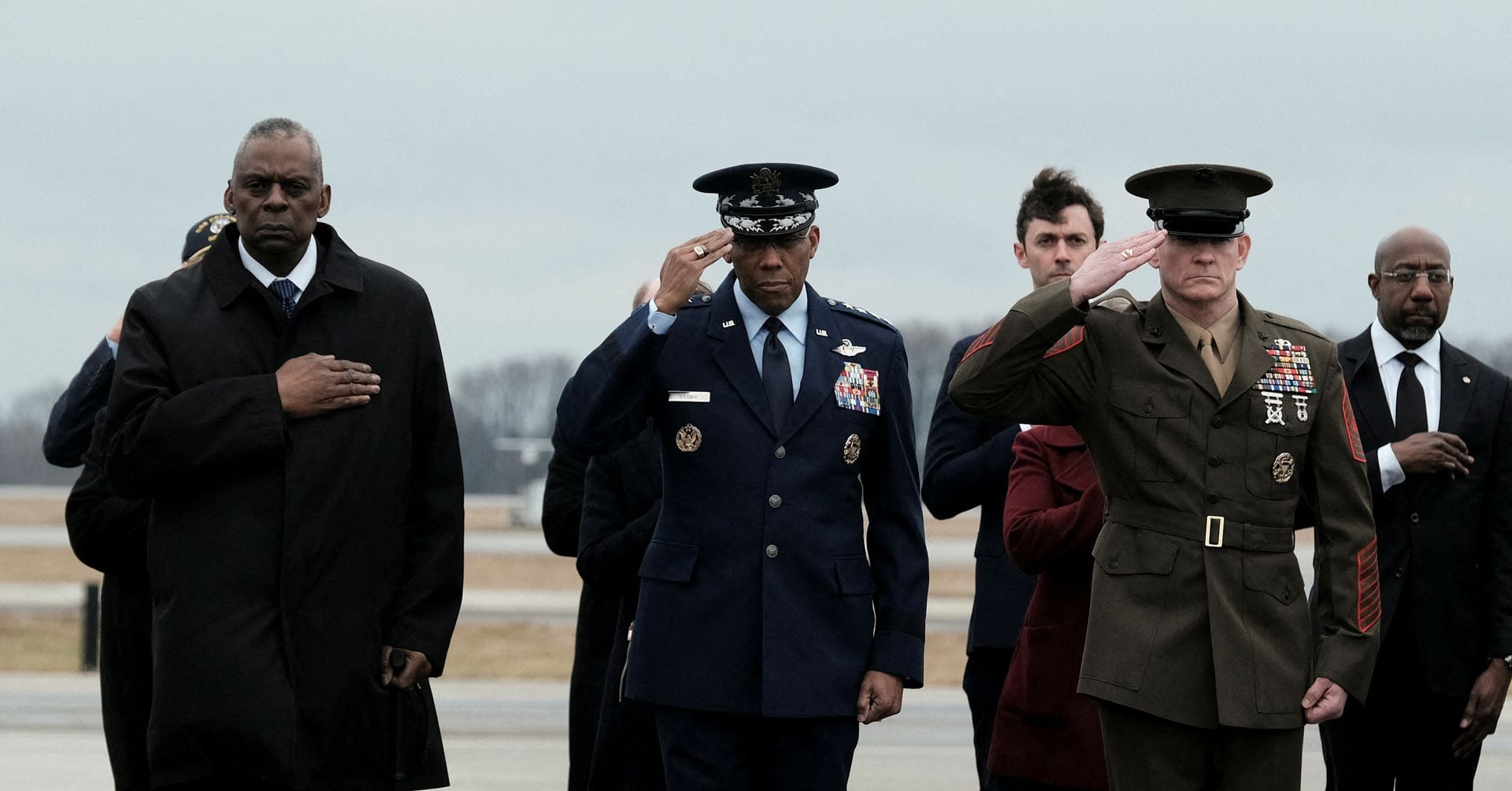
U.S. Defense Secretary Lloyd Austin reassured troops about the military's ability to withstand attacks by Iran-backed militants, stating that they are "not very good at what they do." However, experts caution against underestimating the militants, as they have a history of conducting sophisticated strikes. The recent deadly drone strike in Jordan has prompted the Biden administration to vow to protect U.S. troops from escalating violence in the Middle East, but officials acknowledge that the periodic success of the militants' attacks may be unavoidable. Critics urge more pressure on Tehran, while the U.S. military continues to evaluate and adjust force protection measures.
The US conducted a drone strike in Baghdad, killing the commander of an Iran-backed militia and two other members, in response to a previous attack on an American base. Meanwhile, the Quebec Court of Appeal ruled that asylum seekers in the province can access subsidized daycare, and two individuals pleaded guilty to manslaughter in a Cape Breton killing. Additionally, the Biden administration aims to tighten sanctions on Iran's oil sales to counter its support for militants, but faces challenges due to potential economic impacts and upcoming elections.
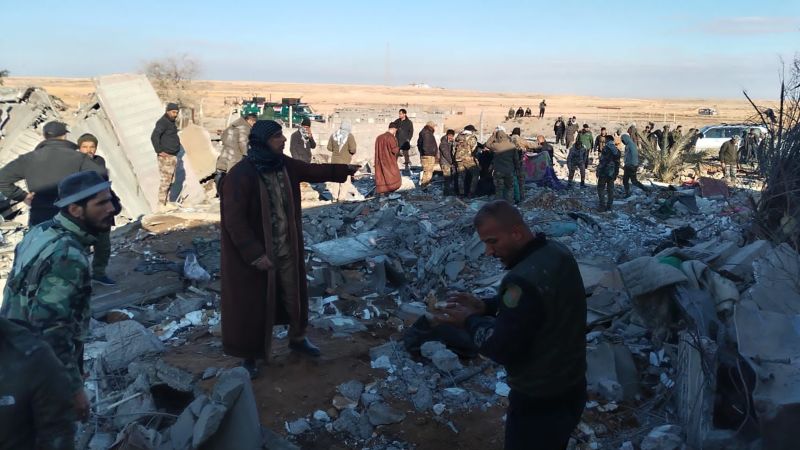
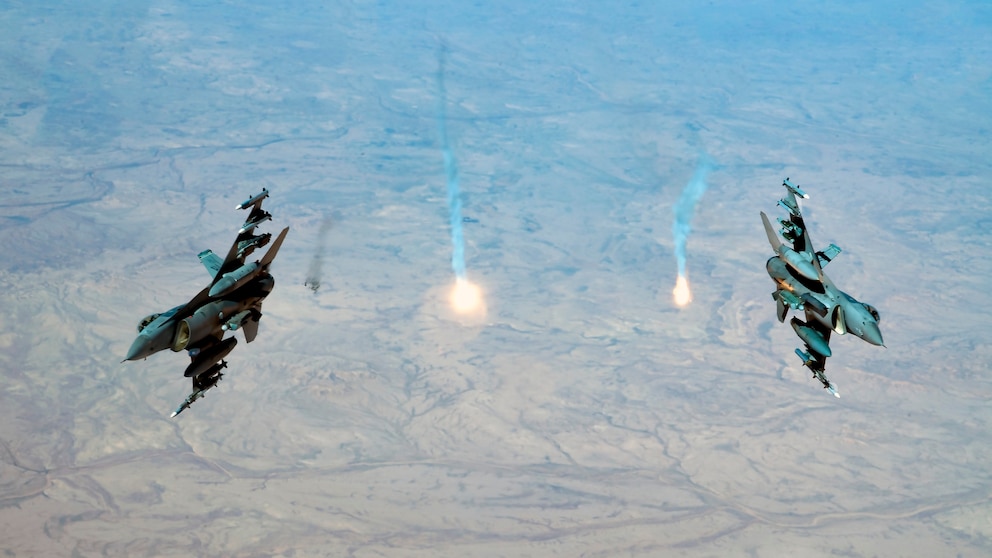
The United States conducted major airstrikes on dozens of targets across Iraq and Syria in retaliation for a drone attack in Jordan last month that killed three US troops. The strikes were larger in number and scale than previous ones launched since October, when Iran-backed armed groups began attacking US forces across the region in protest of Israel’s war in Gaza. The US strikes killed at least 16 people in Iraq, including civilians, and injured 25 others, leading to condemnation from Iraq, Syria, and Iran. The US Defense Secretary has indicated that the strikes are just the start of the response, but both the US and Iran have expressed a desire to avoid a wider regional war.
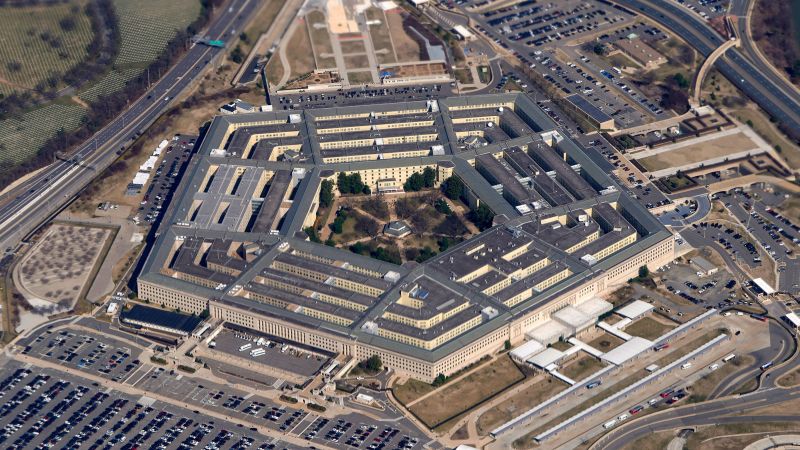
President Biden delayed retaliatory strikes against Iranian-backed Houthi rebels due to bad weather, with military commanders preferring clear conditions to avoid civilian casualties. The strikes were in response to the deaths of three US servicemen in Jordan at the hands of a Houthi drone. Despite the delay, the US has signed off on the strikes, and the Pentagon has deployed significant military assets in the region. The situation remains tense as the Houthi rebels continue to attack vessels, prompting ongoing US defensive actions.
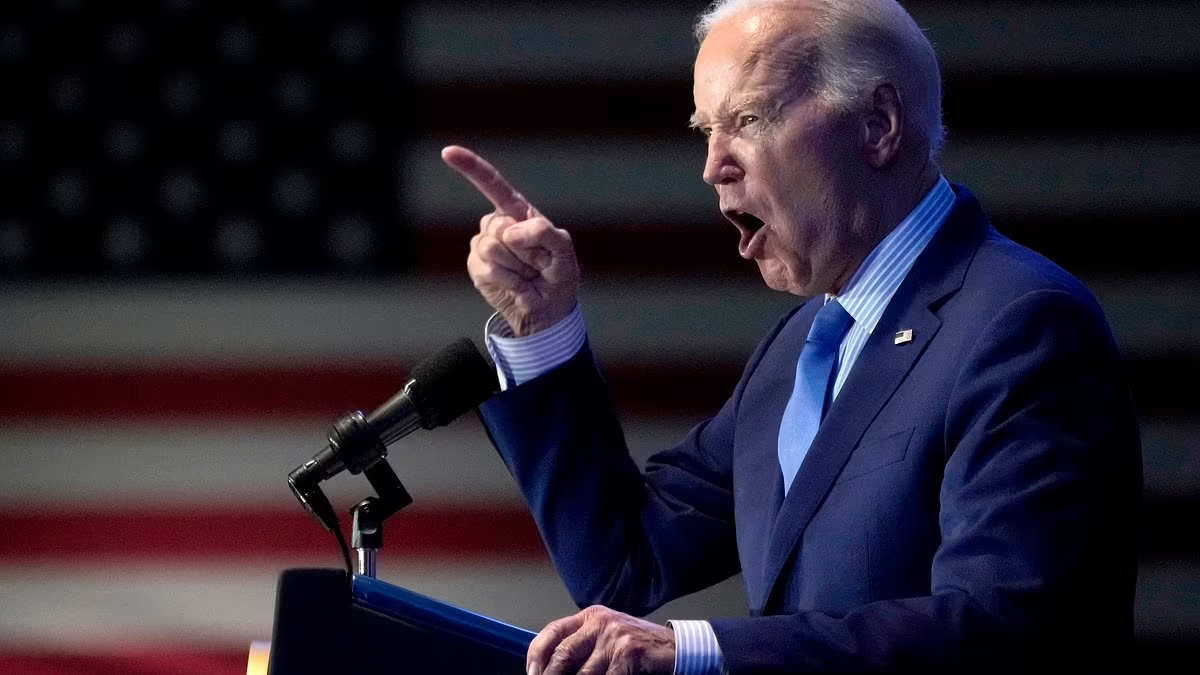
The US is preparing to carry out retaliatory strikes against Iran-backed militants in response to a drone attack that killed three American service members in Jordan. President Joe Biden has indicated that the strikes will be deliberate and targeted at facilities enabling the attacks on US forces, while also emphasizing that the US is not seeking a wider war in the Middle East. The attack, described as a dramatic escalation in tensions, has prompted discussions between the Pentagon, CENTCOM, and the White House on the appropriate response. Meanwhile, some Republicans have called for a major reset of US Middle East policy, while Secretary of State Antony Blinken has emphasized that the response will be decisive and sustained over time.
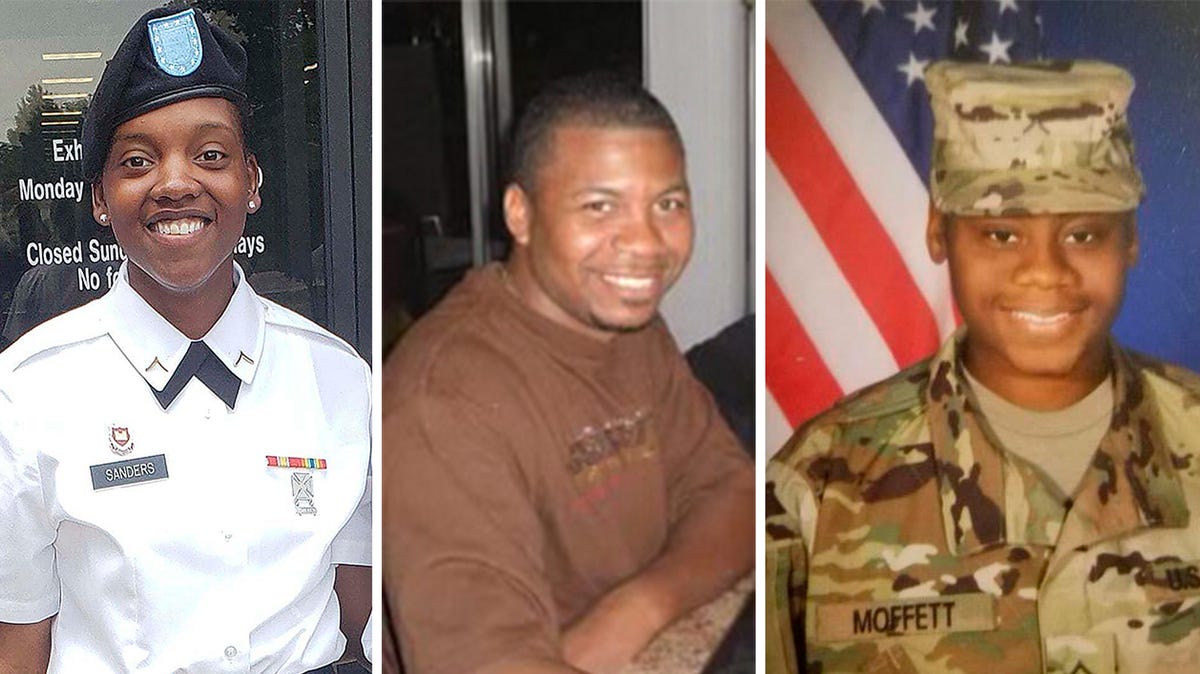
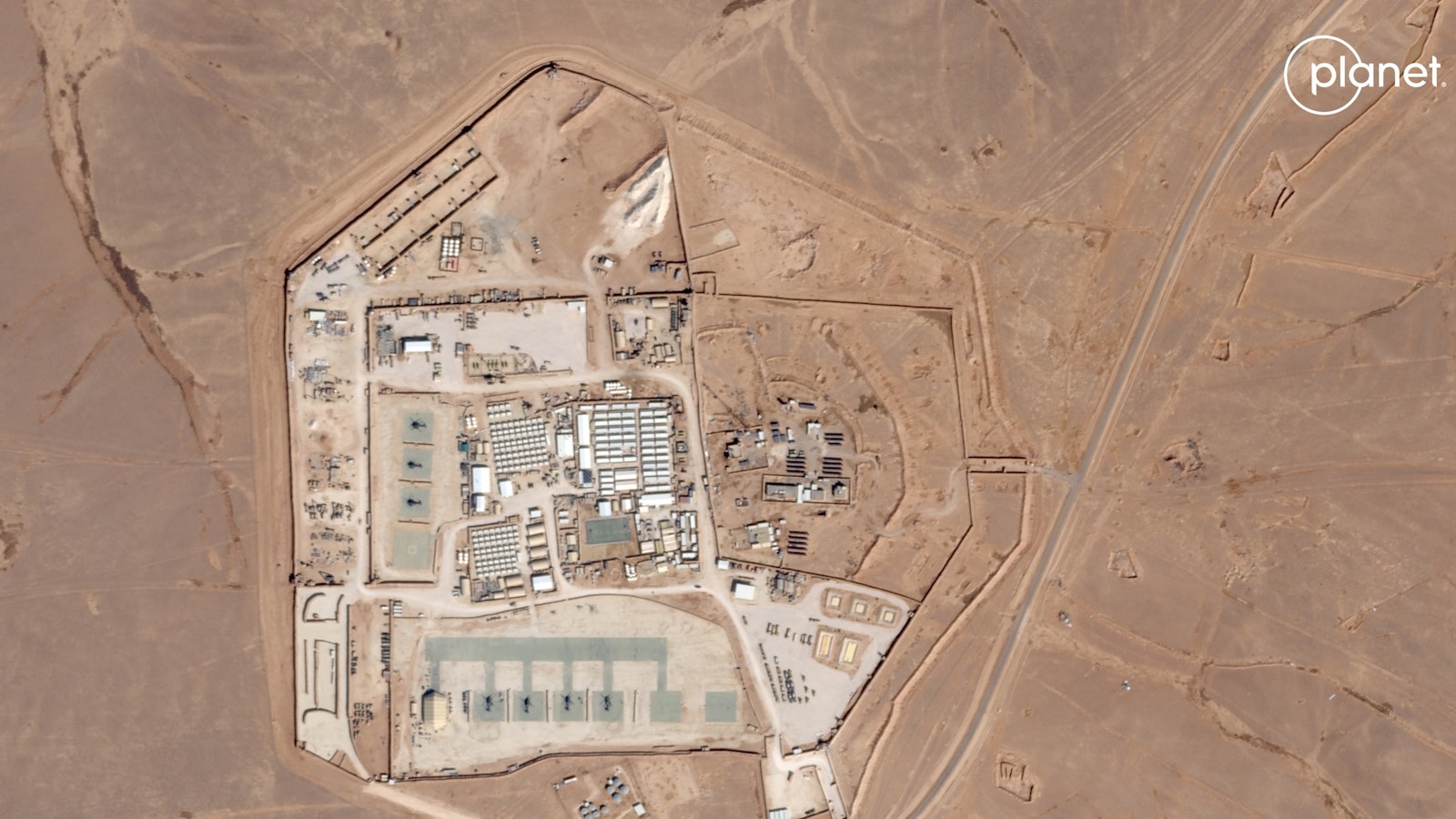
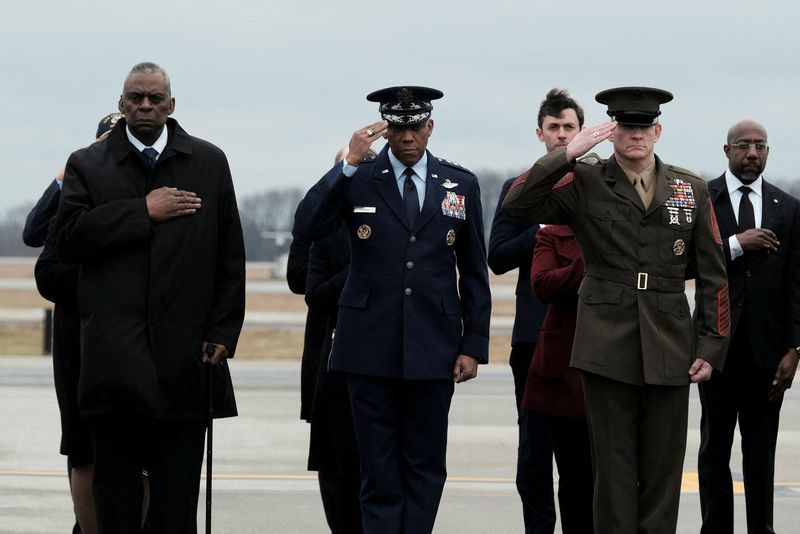
Three U.S. Army Reserve soldiers, Sgt. William Rivers, Spc. Kennedy Sanders, and Spc. Breonna Moffett, were killed in a drone attack by Iran-backed militants at a base in Jordan near the Syrian border. The soldiers were supporting Operation Inherent Resolve and are the first U.S. troops killed by enemy fire in the Middle East since the start of the Israel-Hamas war. The soldiers' deaths have left an indelible mark on the United States Army Reserve, and condolences poured in from their communities.
An enemy drone attack on a US base in Jordan killed three American service members and wounded at least 34 others, with the possibility that the drone was mistaken for an American one. President Biden warned of American retaliation, while Iran denied involvement. The attack marks the first time American troops have been targeted since the start of the Israel-Hamas war, and it is expected to increase US involvement in the region. The Pentagon has promised a strong response, and tensions are rising as the US accuses Iran-backed militants of carrying out attacks in Iraq, Syria, and Yemen.
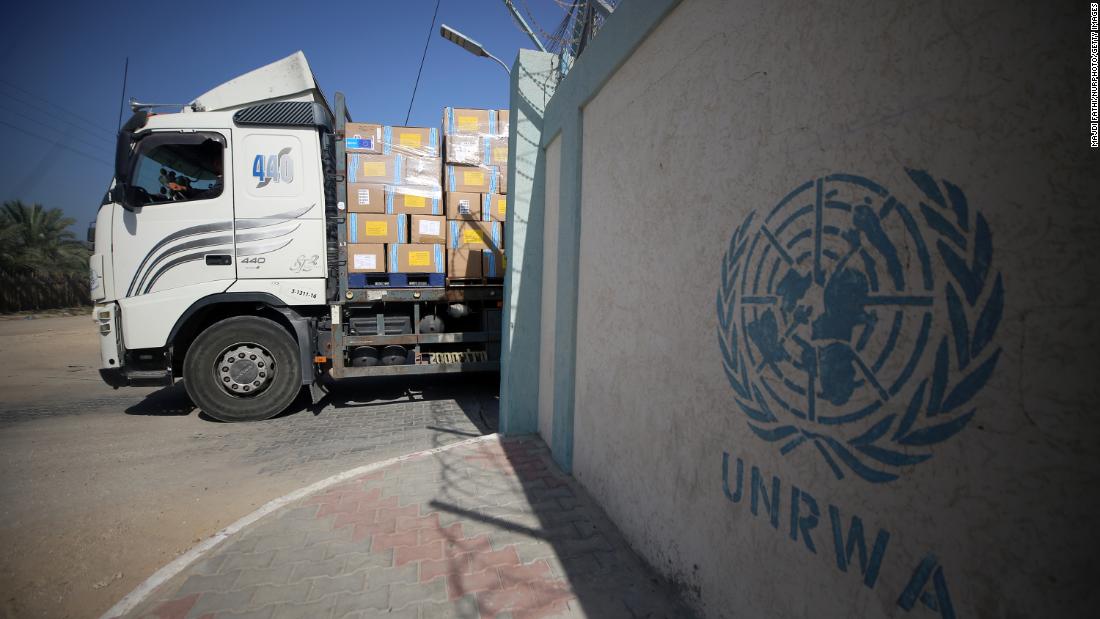
Three US soldiers were killed and over 30 injured in a drone attack on a US outpost in Jordan, marking the first US troop deaths in the Middle East since the start of the Gaza war. The attack is attributed to Iran-backed militants, prompting US President Joe Biden to vow accountability. Meanwhile, the Palestinian Authority urges countries to reconsider suspending funding for the UN relief agency in Gaza, as the region faces a humanitarian crisis and escalating tensions between Israel and Hezbollah in southern Lebanon. France becomes the latest nation to suspend funding for the UN agency over allegations against its staff members.
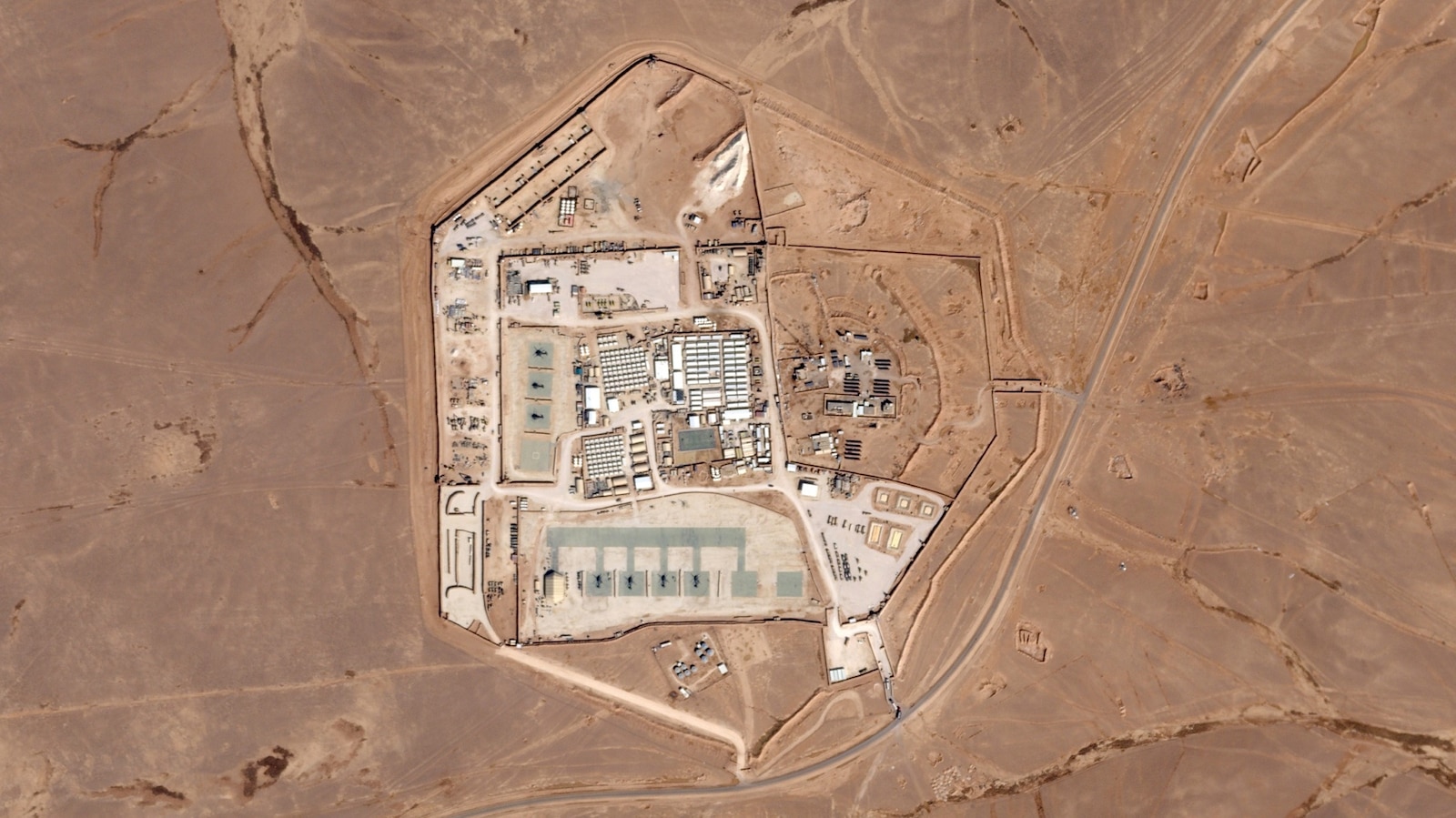
Three US troops were killed and at least two dozen injured in a drone attack on a US outpost in Jordan near the Syrian border, marking the first time US troops have been killed by enemy fire in the Middle East since the beginning of the Gaza war. The drone was fired by Iran-backed militants and appeared to come from Syria, with US officials expressing concern over escalating tensions in the region. The US has taken retaliatory actions against Iran-backed groups in Iraq and Syria, and is expected to begin talks with Iraq about the future of the US military presence in the country.
The US Navy intercepted two missiles fired by Iran-backed Houthi militants at the US-flagged M/V Maersk Detroit container ship in the Gulf of Aden, with no injuries or damage reported. The attack comes after recent US and UK strikes against Houthi targets in Yemen, and the US Navy is escorting the ships back to the Gulf of Aden while Maersk Line, Limited suspends transits in the region for the safety of its crews.
The Biden administration is preparing for a sustained military campaign against the Houthis in Yemen after 10 days of strikes failed to stop their attacks on maritime commerce, while U.S. troops are being assessed for traumatic brain injuries following an attack on the Ain al-Asad Air Base by Iran-backed militants in western Iraq.
U.S. personnel and an Iraqi security force member sustained minor and serious injuries, respectively, in an attack on Iraq's Ain al-Asad air base, with initial reports suggesting it was hit by ballistic missiles or rockets. The U.S. military has faced numerous attacks in Iraq and Syria by Iran-backed militants, amid tensions related to the Israel-Hamas conflict. Iraq is concerned about being caught in the middle of U.S., Israel, and Iran tensions, with moves to evict U.S. forces following a U.S. drone strike in Baghdad. Iran recently struck Erbil with ballistic missiles, claiming it was targeting an Israeli spy headquarters, a claim denied by Iraqi and Iraqi Kurdish officials.
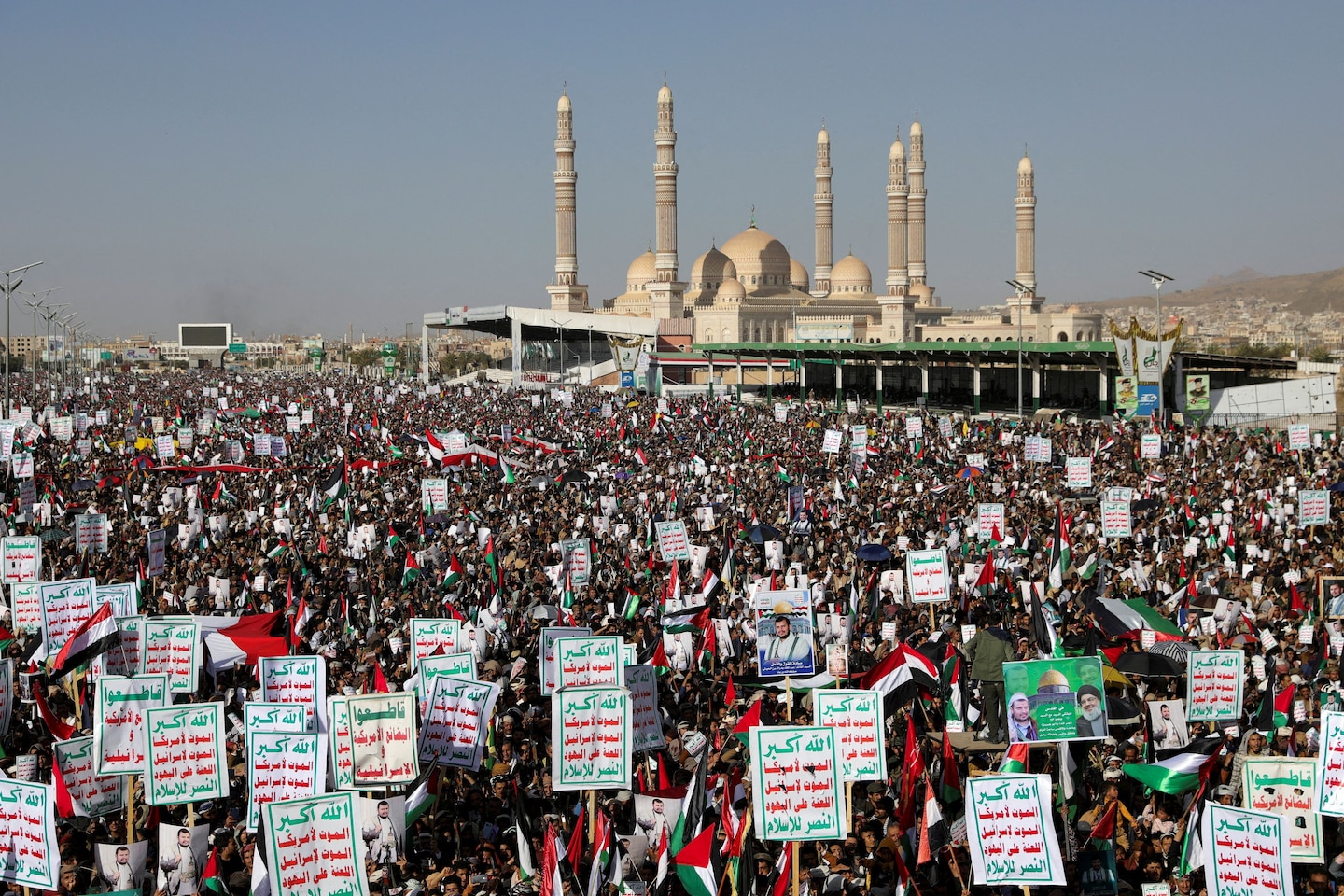
The escalation between Yemen's Houthi militia and the US-led naval coalition in the Red Sea benefits the Iran-backed militants, who seek confrontation with the United States to capitalize on the opportunity and gain international legitimacy. The attacks on cargo vessels have disrupted shipping routes and garnered broad popular support for the Houthis, who aim to provoke further without seeking a military victory, as the conflict serves as a low-cost opportunity for recruitment and bolstering their legitimacy.
The United States has conducted its fourth round of retaliatory airstrikes against Iran-backed militants in Iraq, following a series of attacks on US forces in the region. The strikes targeted two sites used by Kataib Hezbollah, a militant group responsible for recent attacks on US and coalition forces. The airstrikes were in response to the militants launching close-range ballistic missiles at US troops stationed in western Iraq, injuring several service members. The US has emphasized that it does not seek conflict but holds Iran accountable for the actions of the groups it supports, and will take further measures to protect its personnel if necessary.
A U.S. AC-130J Ghostrider aircraft conducted a self-defense strike against an Iran-backed militant group after the group launched a ballistic missile attack on Al-Asad Airbase in Iraq, resulting in non-serious injuries and minor infrastructure damage. The AC-130 gunship was already in the air and able to respond quickly, targeting a militia vehicle and personnel involved in the attack. This marks the first time a ballistic missile of this kind has been used in such an attack. Since October, U.S. forces have been attacked 66 times, and this unplanned strike is seen as an appropriate response to deter further aggression.