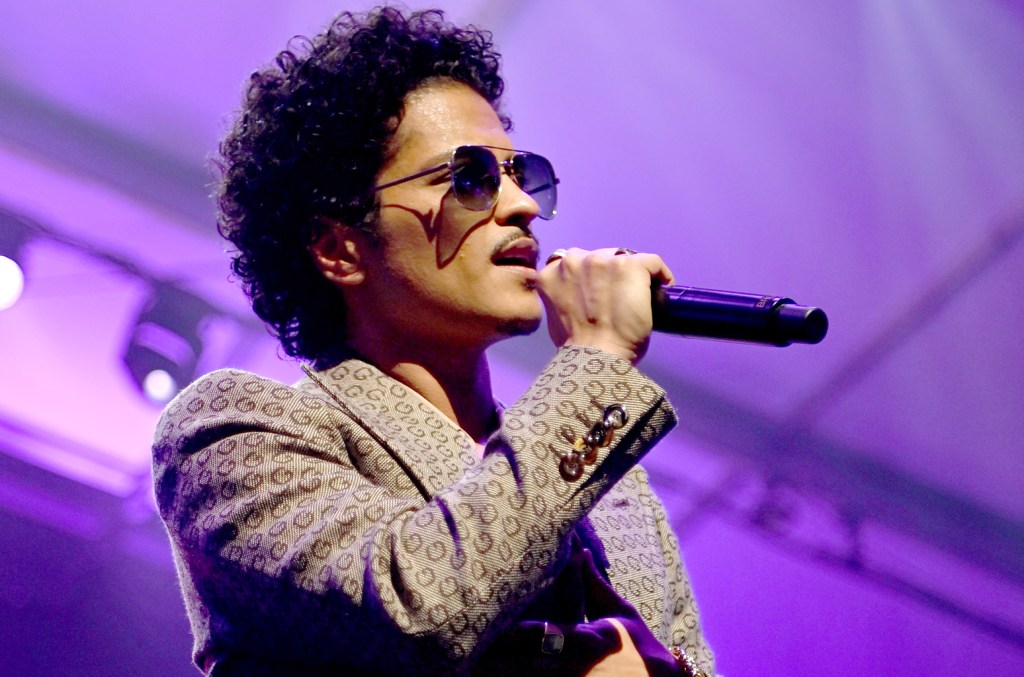
MGM Resorts International has refuted reports claiming that Bruno Mars owes the company over $50 million in gambling debt, asserting that their partnership with the singer is built on mutual respect and denying any financial obligations. The company expressed pride in their longstanding relationship with Mars and emphasized their excitement to continue creating memorable experiences for guests.
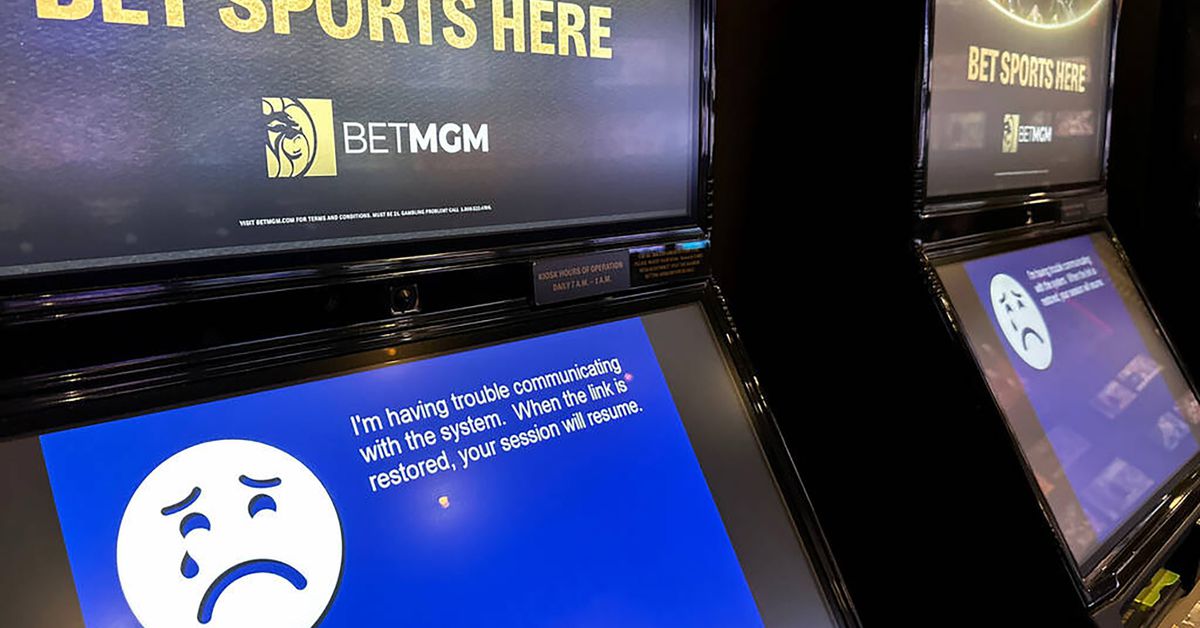
MGM's online gambling subsidiary BetMGM is teaming up with X to integrate sports betting statistics into the platform, aiming to introduce a feature that will display betting odds and provide a direct link to BetMGM for users to place bets. This partnership comes as both companies gear up for the NFL Super Bowl, with X's platform experiencing outages during high-traffic events in the past.
The Culinary union has reached a labor deal with MGM Resorts International, covering 25,400 members and averting a strike at eight Las Vegas casinos. This comes after a similar deal was reached with Caesars Entertainment, avoiding a strike by 10,000 other union members at nine casinos. Both agreements need to be ratified by members before taking effect, but the threat of the largest hospitality strike in US history has largely ended.
A tentative contract is close to being reached between the Las Vegas hotel workers union and MGM Resorts International, following a breakthrough deal with Caesars Entertainment. The contract, which is pending approval by the union's rank and file, would cover 20,000 hospitality workers and is expected to address concerns such as pay increases to combat inflation. The union had threatened to strike if negotiations failed, but the tentative agreement with Caesars has provided momentum for new contracts for all 35,000 members. However, a strike could still occur if deals are not made with MGM Resorts and Wynn Resorts by Friday morning.
MGM Resorts International expects to finalize a deal with the Culinary Union today, following Caesars Entertainment's announcement of a tentative agreement. The company reported third-quarter earnings, revealing a $200 million revenue decline for Las Vegas Strip resorts compared to the same period last year, partly due to the impact of a cyberattack. MGM estimates the cyberattack's cost at $80 million in Las Vegas and plans to invest $30-40 million in cybersecurity measures. Despite traffic disruptions, MGM is anticipating a boost in revenue from the upcoming Formula One race in Las Vegas.
MGM Resorts International did not pay the ransom demanded by hackers who breached its systems last month, resulting in the shutdown of systems at several hotels and casinos. The attack compromised customer data, including names, contact information, and driver's license numbers, with a limited number of social security numbers and passport numbers also affected. MGM believes that passwords, bank account numbers, and card details were not stolen. The company is notifying affected customers and offering free credit monitoring and identity theft protection services. While most guest-facing systems have been restored, MGM expects to incur losses of approximately $100 million.
MGM Resorts International expects a $100 million hit to its third-quarter results due to a cyberattack last month that disrupted its operations. The attack led to a data breach, compromising the private information of customers who used MGM services before March 2019. While the company believes a limited number of Social Security and passport numbers were obtained, it has no evidence of identity theft or account fraud. The hackers did not access customer bank account numbers or payment card information. MGM has restored most of its guest-facing systems and expects no impact on its full-year results. The FBI is investigating the breach.
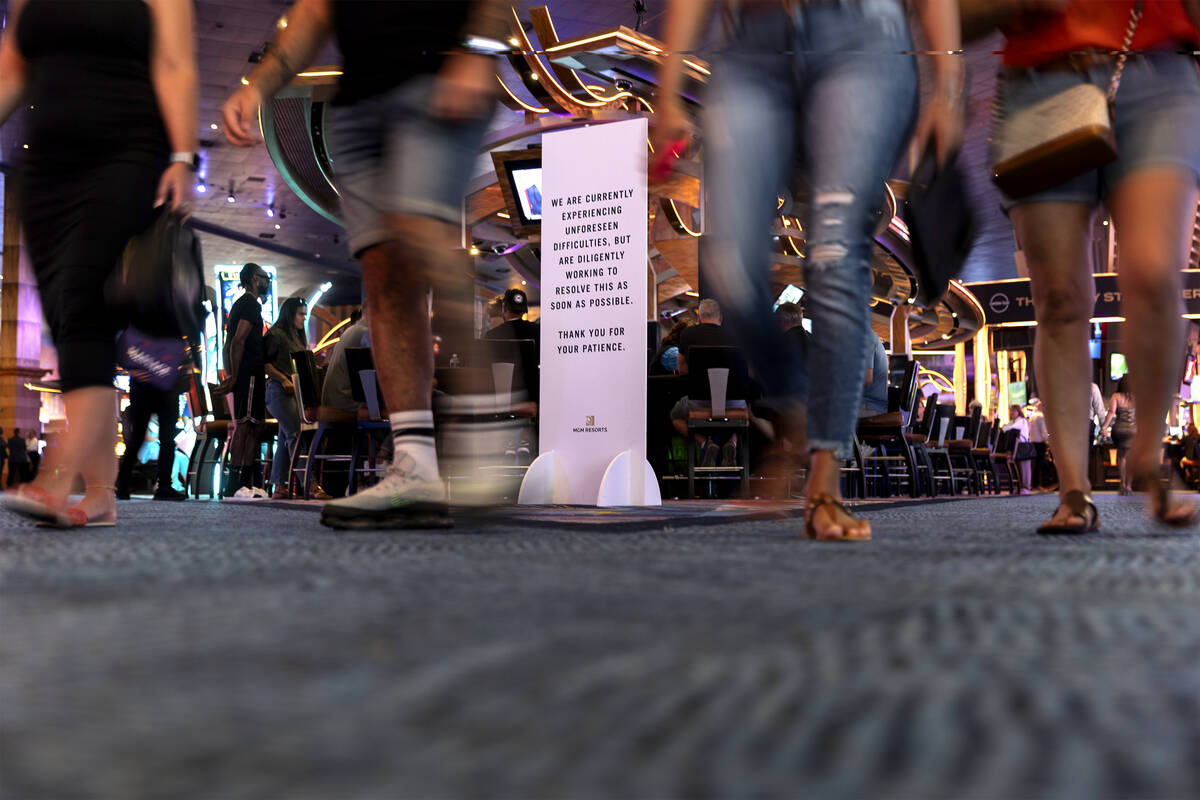
MGM Resorts International is estimated to be losing between $4.2 million and $8.4 million in daily revenue and around $1 million in cash flow due to a cyberattack. The breach has affected the company's computer systems, causing complaints from customers and employees. Analysts believe that the impact will be short-term and largely insurable, but the extent of insurance coverage and the duration of the event are still uncertain. MGM is expected to continue operations, albeit with manual credit card transactions and increased cash-based transactions.
The Scattered Spider hacking group claims to have stolen six terabytes of data from casino giants MGM Resorts International and Caesars Entertainment. The group, known for its effective social engineering tactics, stated that it has no plans to make the data public and did not comment on whether it had asked for ransom. Caesars reported a breach involving its loyalty program members' data, including driver's license and social security numbers, but declined to comment on reports of paying a ransom. MGM is still dealing with the cybersecurity issue, with disrupted operations at its Las Vegas casinos. The FBI is investigating both incidents.
The Nevada Gaming Control Board declined to comment on the cyber attack affecting various MGM Resorts International properties, directing inquiries to the company itself. Governor Joe Lombardo's office stated that they are monitoring the situation and in communication with both MGM executives and law enforcement agencies. The attack has caused disruptions, with slot machines out of service and some guests encountering issues such as occupied hotel rooms. A group called Black Cat has claimed responsibility for the attack, attributing it to a 10-minute phone call. Visitors express concerns about the extent of the breach.
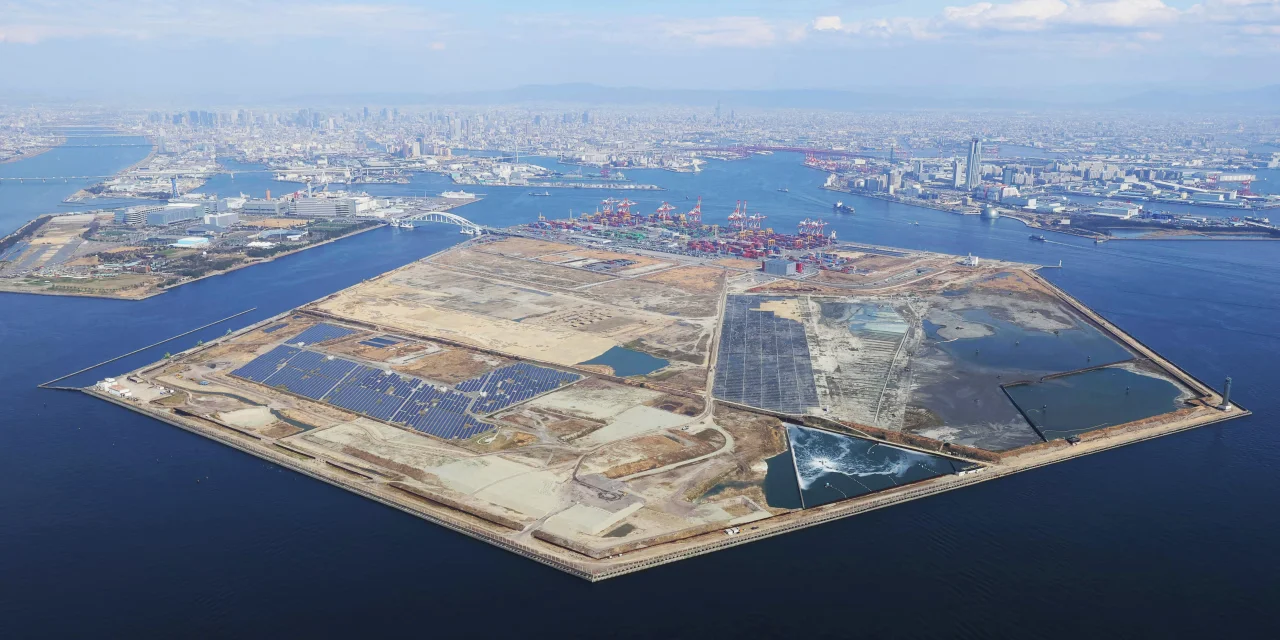
Japan has approved plans for its first casino, which will be part of a $8.1 billion "integrated resort" on an artificial island in Osaka. The resort is expected to open in 2029 and attract 20 million visitors annually. The casino is partly backed by MGM Resorts International and Japan's Orix Corporation. The move marks a significant shift in a nation that prohibited casino gambling until 2018 and is seen as one of Asia's largest untapped casino markets. However, the plans have split the public, with some concerned about a rise in organized crime, gambling addiction, and the use of public resources.
Japan has approved the construction of its first casino, a $10 billion resort in Osaka, paving the way for MGM Resorts International and ORIX Corporation to finalize agreements on construction. The resort will feature hotels, a conference center, a shopping center, and a theater, and is set to open in 2029. The proposed development is designed to transform the region into one of the world’s top entertainment and hospitality destinations and to serve as a hub for tourism across Japan.
MGM Resorts International and its partners have received government approval to build Japan's first casino on an artificial island in Osaka, with plans to complete the project by 2029. The move paves the way for casino resorts to become part of Japan's tourism mix, following legislation in 2016. Osaka, a popular tourist destination with a large international airport, was among the first to apply for a gambling license.