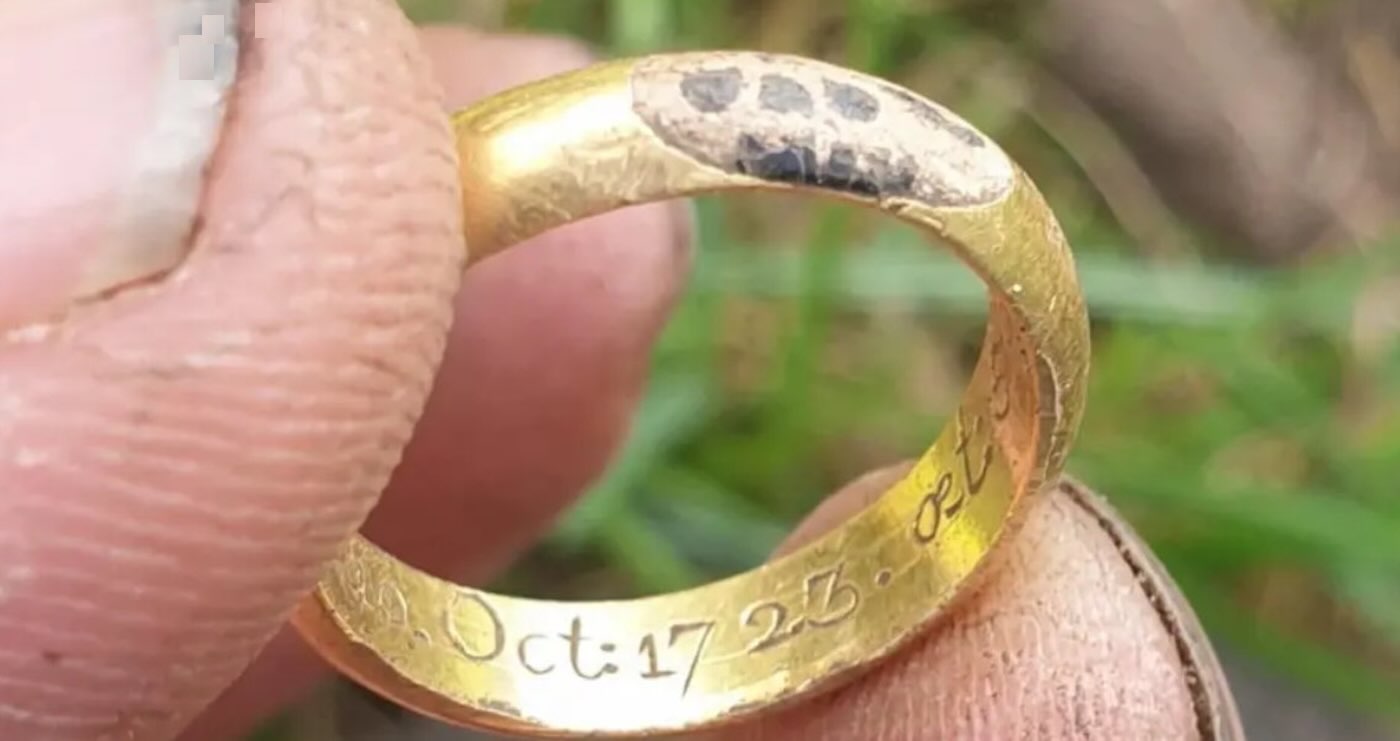
A metal detectorist in Norfolk discovered a unique 18th-century gold mourning ring believed to commemorate Sir Bassingbourne Gawdry, which was declared British treasure and taken to the British Museum for valuation, highlighting a rare personal historical find.
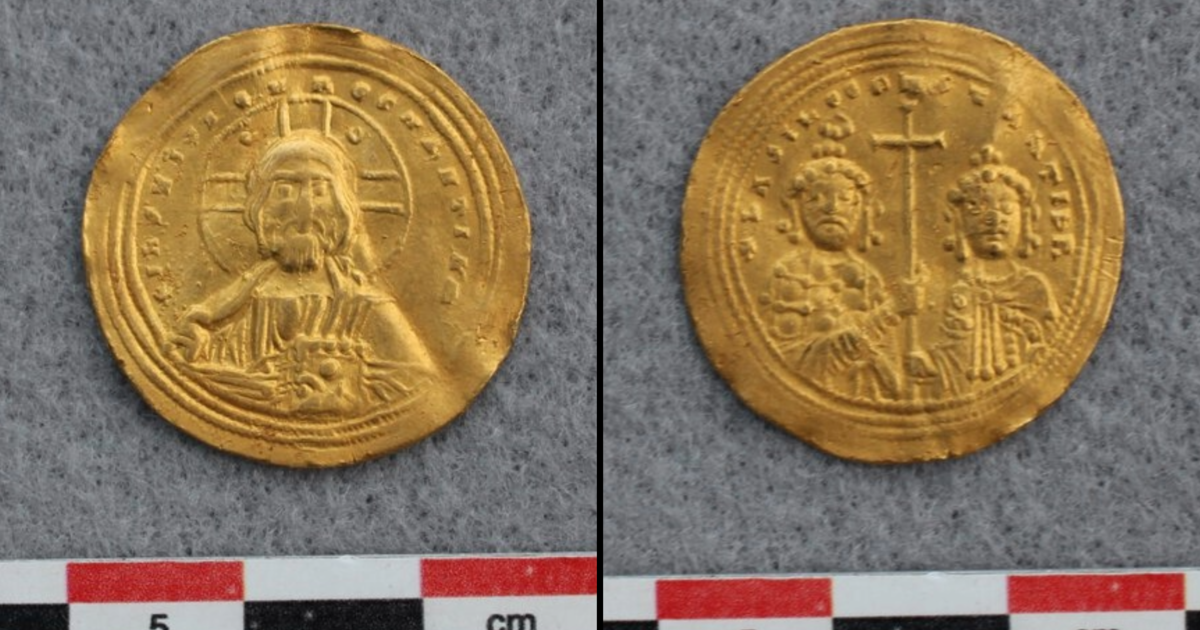
A metal detectorist in Vestre Slidre, Norway, has discovered a "very rare" ancient gold coin believed to have once belonged to an early monarch. The coin, known as a "histamenon nomisma," was introduced in the Byzantine Empire around 960 C.E. and likely minted in Constantinople. Decorated with depictions of Christ, Basil II, and Constantine VIII, the coin is estimated to have been minted between 977 and 1025 C.E. Speculation suggests that the coin may have been acquired by Norwegian king Harald Hardråde during his time as a guard in Constantinople and brought back to Norway. This discovery follows previous findings of gold artifacts in Norway by metal detectorists.
A metal detectorist in southern Poland, Łukasz Jabłoński, unearthed a 700 to 1,000-year-old iron spearhead while searching a forest near Tereszpol. The well-preserved weapon, with a diamond-shaped blade and cone-like sleeve, was found buried about 6 inches underground. This discovery adds to Jabłoński's previous find of 13 bronze artifacts from 2,500 years ago and highlights the rich archaeological history of the region.