A chance discovery of an 18th-century sunken boat near Dubrovnik's old port has been made by diver Ivan Bukelic, with further research planned to study and protect the vessel, which dates back to the late 1700s.
The Rijksmuseum in Amsterdam is displaying a 200-year-old condom decorated with erotic art, believed to originate from a French brothel, as part of an exhibition on 19th-century sex work, highlighting historical perspectives on sexual health and art.
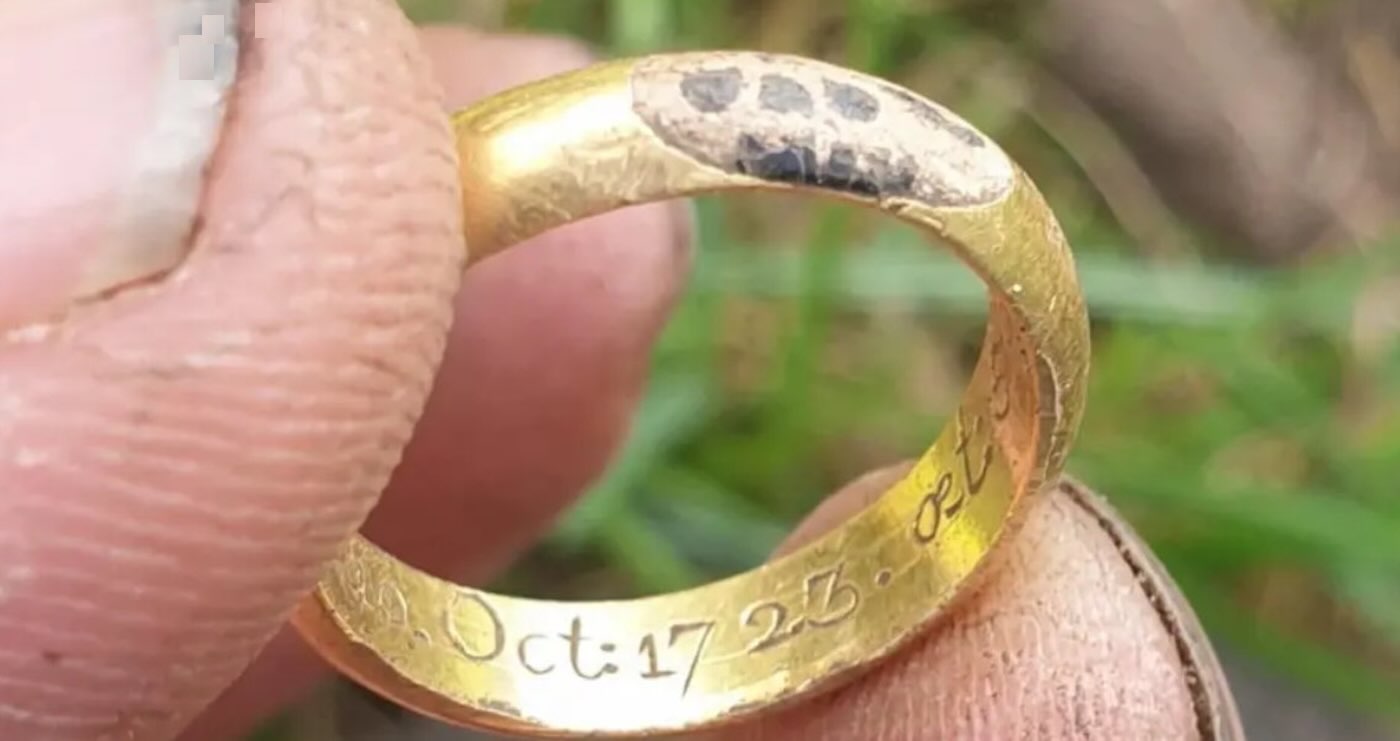
A metal detectorist in Norfolk discovered a unique 18th-century gold mourning ring believed to commemorate Sir Bassingbourne Gawdry, which was declared British treasure and taken to the British Museum for valuation, highlighting a rare personal historical find.
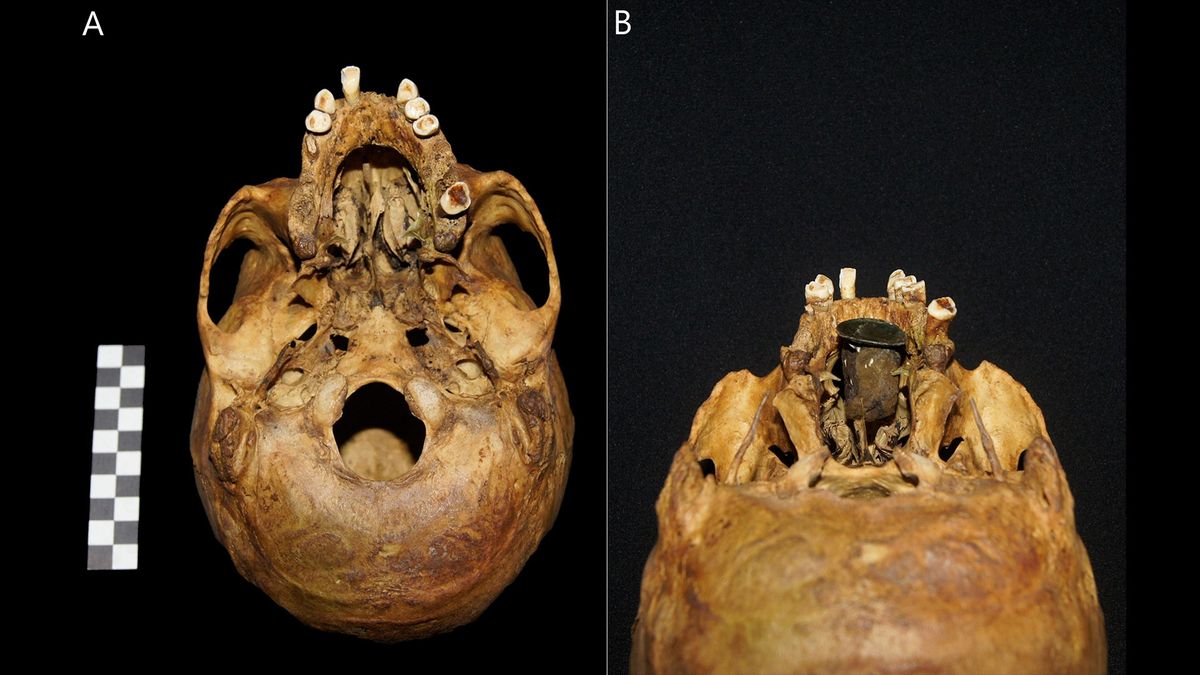
Archaeologists in Poland have discovered a 300-year-old medical prosthesis, made of wool and precious metals, that helped an 18th-century man with cleft palate live more comfortably. The "exceptional" device, known as a palatal obturator, was found in a crypt in Krakow and is the first of its kind in Europe. The prosthesis, weighing 0.2 ounce, comprised a woolen pad sewn to a metallic plate, with traces of gold, silver, and copper. This discovery sheds light on historical medical practices and how developmental defects were managed to improve individuals' quality of life.
Historian Hampton Sides discusses his latest book, "The Wide Wide Sea," which recounts the fateful final voyage of Captain James Cook, an 18th-century explorer known for his scientific approach and remarkable encounters with Indigenous people. The book delves into the challenges of maritime exploration, the impact of Cook's interactions with Indigenous communities, and the unique experiences of the crew during their uncharted voyages, shedding light on the complexities of first contact and the cultural gaps between different societies.
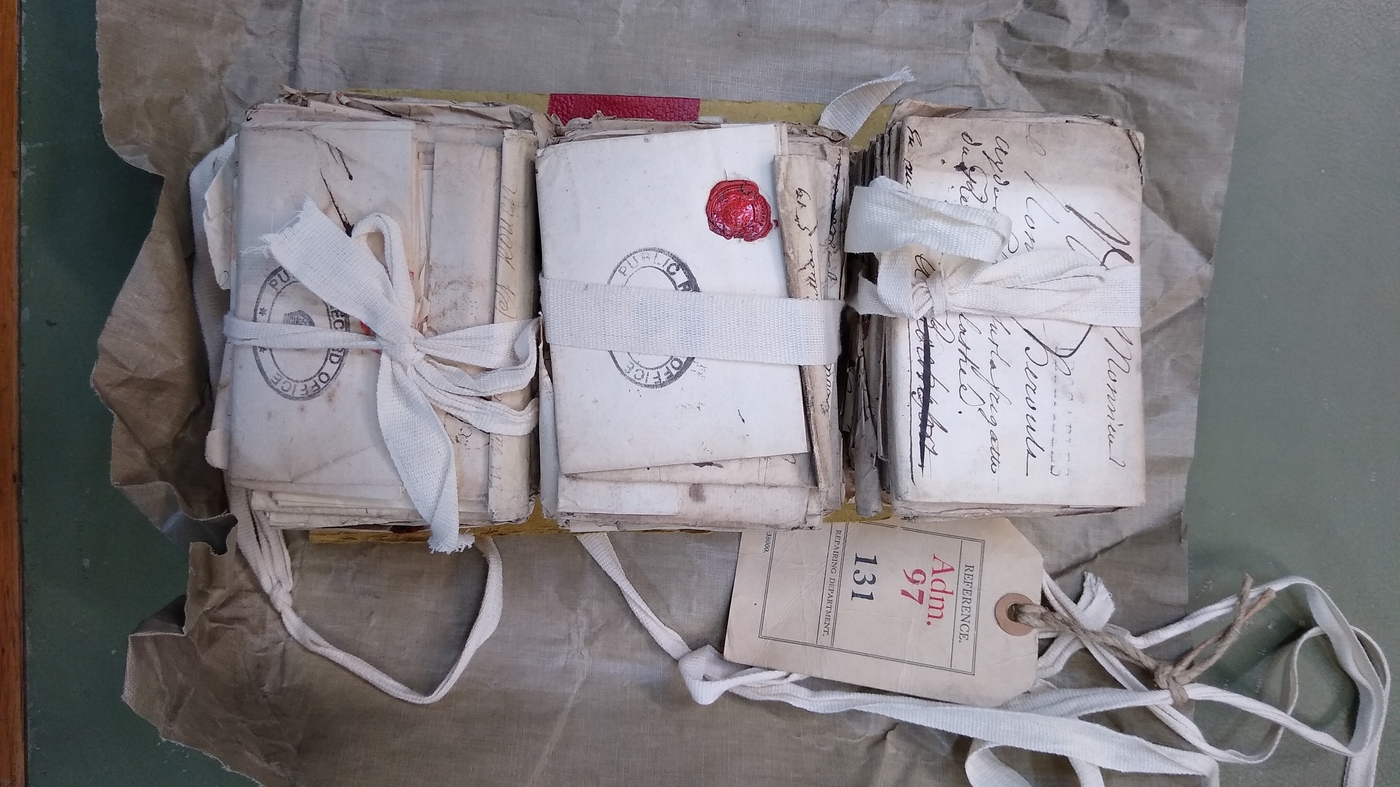
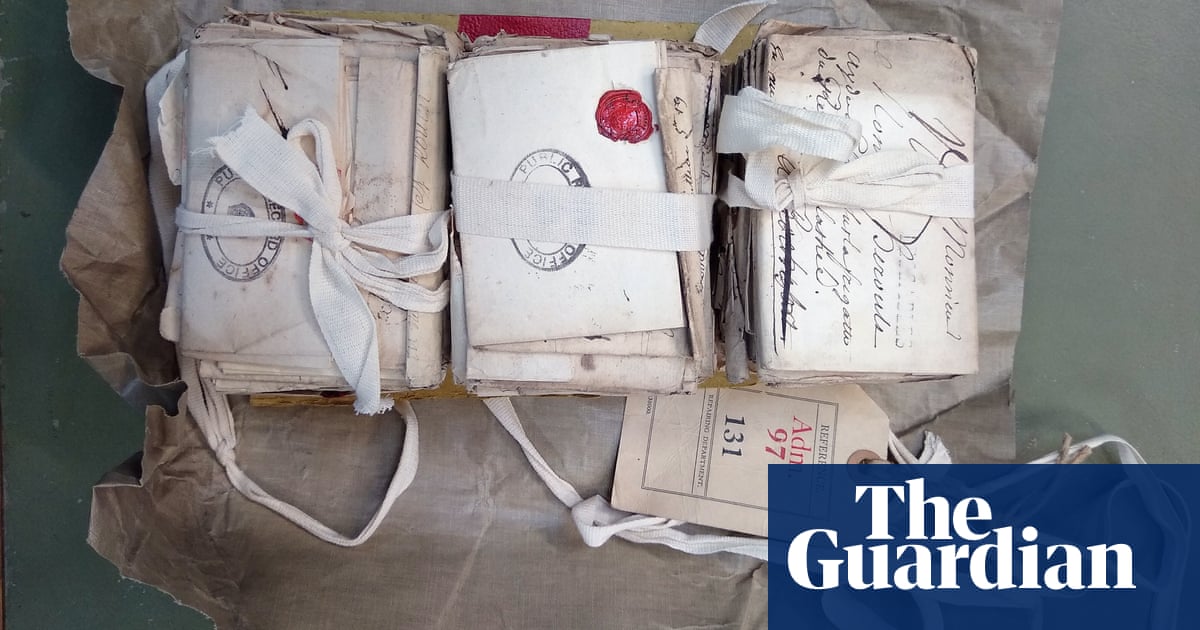
Scores of French love letters from the mid-18th century, sent to French sailors during the Seven Years War, have been opened and studied for the first time since they were written. The letters offer rare insight into the lives of families affected by war, revealing how they dealt with the challenges of distance and uncertainty. The letters, written by common people, shed light on the experiences of lower-class individuals, such as sailors' and fishermens' wives, who are often missing from historical records. The letters also highlight the difficulties of long-distance communication in the 1750s and demonstrate the power of collective resilience in times of crisis.
A collection of over 100 unopened love letters sent to French sailors over 260 years ago has been discovered among British naval archives. The letters, found by a historian at the National Archives in Kew, offer intimate insights into 18th-century marital and family life. The personal and passionate messages, written by wives and loved ones, reveal the challenges faced by women left behind during times of war. The letters were intended for sailors captured during the seven years' war but were never delivered. The discovery sheds light on the universal human experiences of love, longing, and coping with major life challenges.