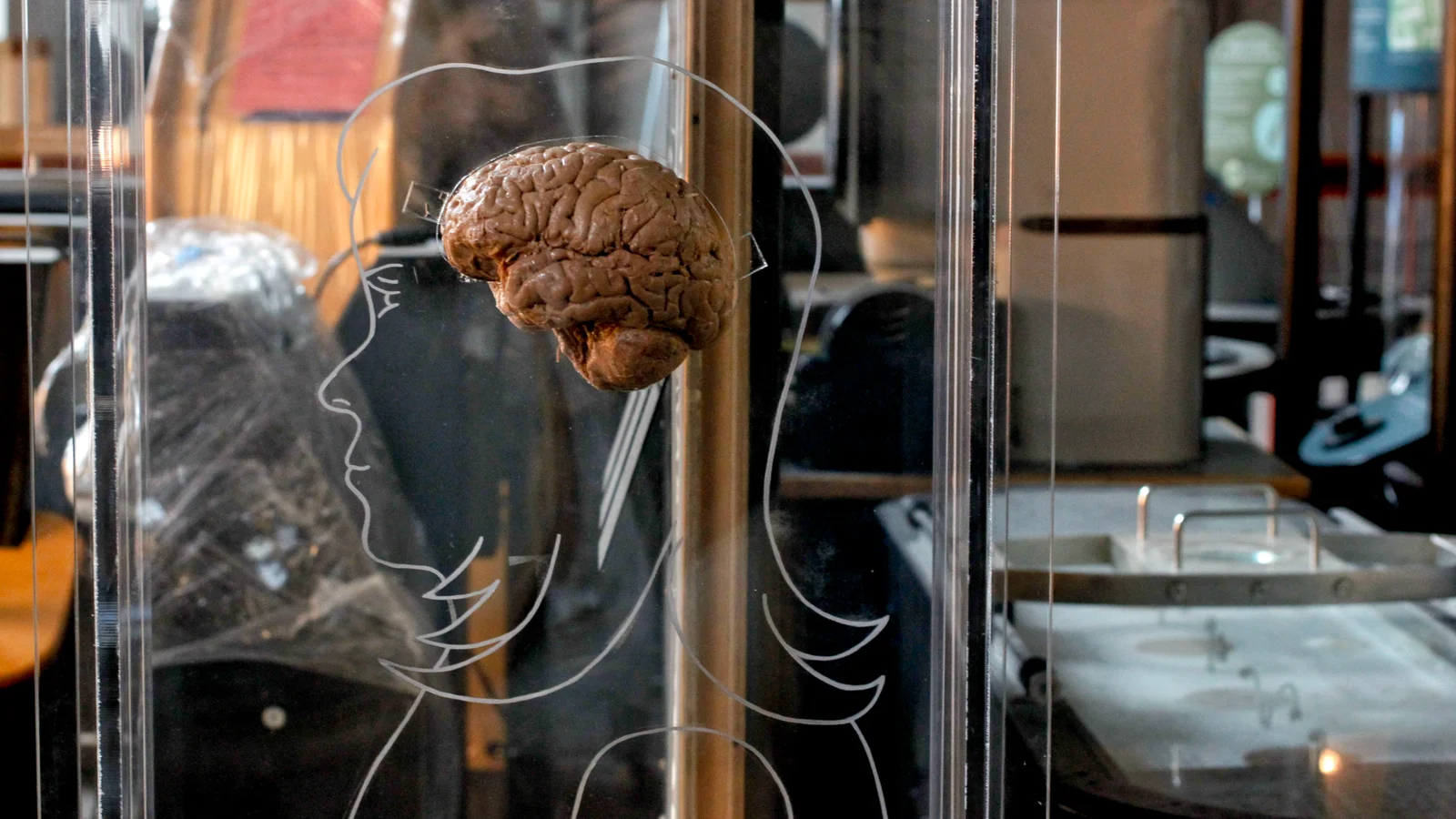
A measured nod to confidence: neuroscience reveals the ideal level of overconfidence
Knowable Magazine’s interview with cognitive neuroscientist Steve Fleming explains metacognition—the brain’s monitoring of its own thinking—unfolds in stages from trial-by-trial uncertainty to post‑decision appraisal. The take‑home: projecting a touch of overconfidence can help others see you as competent, but being blind to your own limits is risky; anxiety can distort learning from feedback, while open‑mindedness correlates with more accurate metacognition and belief updating. The findings suggest teaching metacognition in education could curb polarization and improve decision‑making by balancing confidence with self‑awareness.