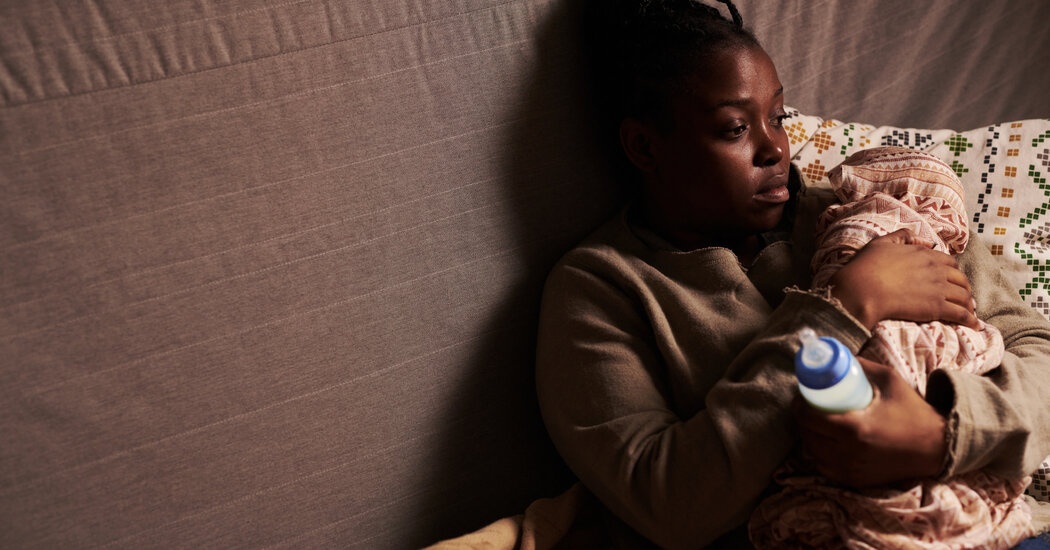
A large study published in JAMA Internal Medicine found that maternal mental health in the US declined significantly from 2016 to 2023, with fewer mothers rating their health as excellent and more reporting poor mental health, especially among single parents and those with Medicaid or uninsured children.
A recent study shows a significant decline in mental health among US mothers from 2016 to 2023, with only 25.8% reporting 'excellent' mental health in 2023, highlighting broader societal issues and the need for increased support for parents' mental health.
A mega global study involving 30,000 individuals from India has found a strong link between frequent consumption of ultra-processed foods (UPFs) and declines in mental wellbeing across genders, age groups, and nationalities. Those who consumed UPFs several times a day were nearly three times more likely to experience mental distress compared to those who rarely or never consumed these foods. The study, conducted by US-based nonprofit Sapiens Labs, analyzed responses from nearly 300,000 people worldwide. UPFs are defined as foods produced on an industrial scale and include items like aerated drinks, packaged snacks, and pre-packaged meals. The findings are of particular concern in India, where the consumption of UPFs is growing rapidly. Previous studies have linked UPFs to health conditions like obesity and diabetes, and this study goes further by revealing links to a range of mental health parameters. The study suggests a causal relationship and emphasizes the need for further research into the mechanisms through which UPFs impact the brain.
Wealthier children in the UK experienced a steeper decline in mental health during the pandemic compared to their less well-off counterparts, according to research. The study suggests that the strain of juggling highly paid work with childcare and education during school closures may have contributed to this decline. Surprisingly, the gap between the mental health of the poorest and richest children narrowed during the pandemic, potentially due to social isolation and reduced access to services affecting traditionally advantaged groups. However, a separate report highlights that the poorest families in England will see little direct benefit from the government's expanded childcare entitlements, continuing the neglect of families in the bottom 30% of income distribution.