Medtronic's stock fell over 4% after announcing new board appointments to appease activist investor Elliott Management, despite reporting a strong fiscal first quarter with sales beating expectations and raising its profit outlook. The company added new directors with extensive medical device experience and is focusing on growth and operational improvements, which Elliott believes will lead to sustained earnings growth.

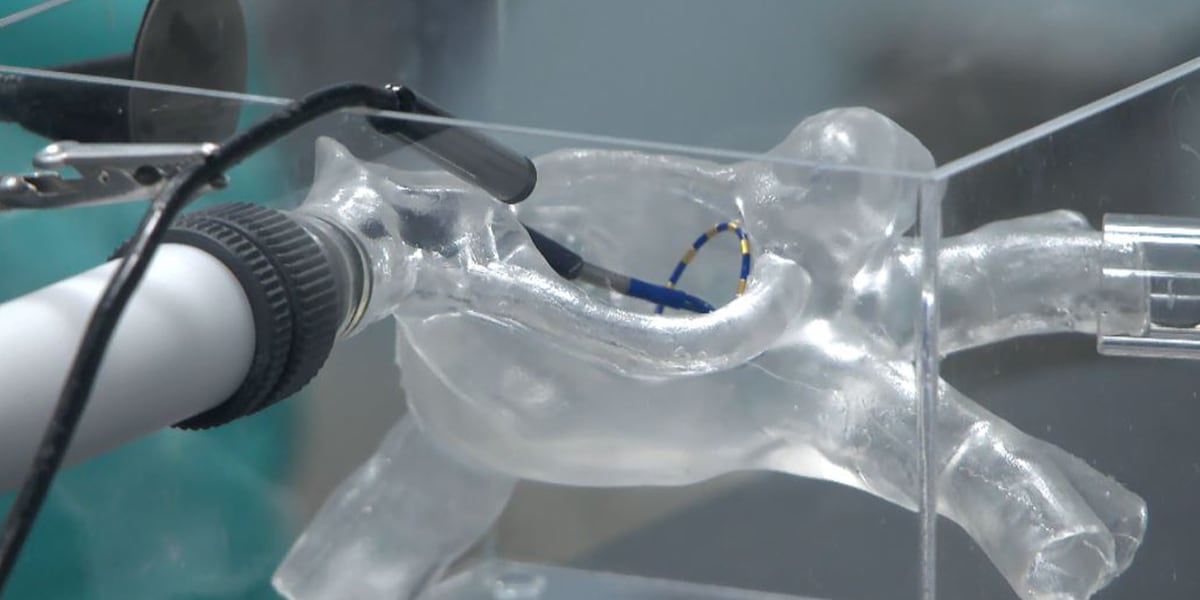
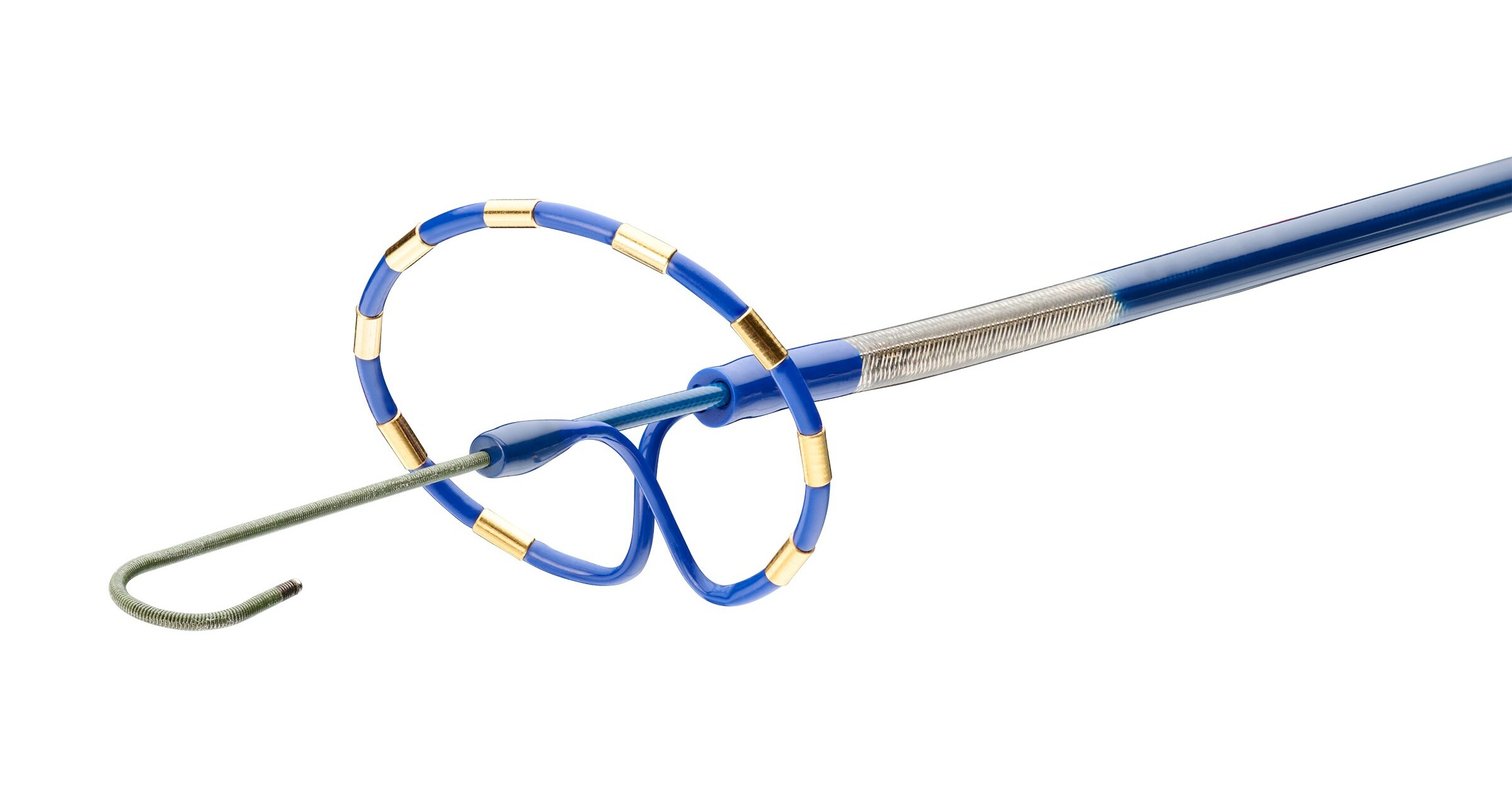
Medtronic, Boston Scientific, and Johnson & Johnson MedTech are racing to commercialize pulsed field ablation (PFA) technology, a safer and quicker treatment for atrial fibrillation (AFib). PFA uses electric pulses to ablate cardiac tissue, reducing procedure time and complications compared to older methods. The technology is expected to drive significant growth in the medtech industry, with global sales projected to surpass $1.3 billion. The new systems, including Boston Scientific's Farapulse and Medtronic's PulseSelect, have received FDA approval, marking a shift in AFib treatment.
Medtronic reported strong Q4 2024 earnings with sales of $8.59 billion, surpassing expectations. The company saw broad-based organic revenue growth across all segments, particularly in neurology devices. Adjusted EPS was $1.46, slightly above consensus. Medtronic also increased its quarterly dividend to $0.70 per share and provided optimistic guidance for fiscal year 2025, forecasting adjusted EPS of $5.40-$5.50 and organic revenue growth of 4%-5%. Despite the positive results, MDT shares were down 2.64%.
Medtronic's stock fell 2.8% despite beating earnings expectations due to underwhelming year-over-year sales growth and a significant drop in GAAP earnings. Investors are concerned about the company's high valuation and modest growth forecast for fiscal 2025, leading to a sell-off.
The potential of artificial intelligence (AI) in healthcare has attracted investor attention, with the market expected to reach $148 billion by 2029. Moderna, known for its COVID-19 vaccine, is utilizing AI in its pipeline and research processes, potentially leading to faster product development and new revenue sources. Medtronic, a medical device giant, has already secured approvals for AI-powered products and established an AI center of excellence, positioning itself for growth in the AI healthcare market. Both companies present long-term investment potential in the evolving landscape of AI in healthcare.
Investing in dividend-paying stocks can provide regular cash payouts and potential for stock appreciation. Three smart dividend stocks to consider are Medtronic, offering a 3.3% dividend yield and consistent payout growth; Starbucks, with a 2.5% dividend yield and strong revenue growth; and PepsiCo, yielding 2.9% and boasting a long history of dividend increases. These stocks also have attractive valuations and potential for future growth, making them appealing options for investors looking to build a dividend-focused portfolio.
The AI-in-healthcare market is set to reach over $148 billion by the end of the decade, presenting investment opportunities in healthcare companies leveraging AI. Two top stock picks in this space are Medtronic, a medical device giant with a focus on AI-driven products for surgical planning and diabetes management, and Moderna, known for its coronavirus vaccine and also heavily invested in AI for drug development, with both companies showing potential for significant growth in the future.
Roper St. Francis in Charleston, S.C. is set to introduce an innovative treatment for atrial fibrillation (AFib) using Medtronic's pulsed ablation technology, which involves a less invasive catheter delivering electrical pulses to the heart to correct irregular heartbeats. Dr. Micheal Field, one of three doctors at Roper offering the procedure, anticipates shorter procedure times, better safety, and easier recovery for patients with AFib, and encourages those affected to discuss this new treatment option with their doctors.
Medtronic plc reported strong financial results for the third quarter of fiscal year 2024, with a 4.7% increase in worldwide revenue to $8.1 billion. The company saw growth in Core Spine, Cardiac Surgery, Structural Heart, Cardiac Pacing, and international markets, as well as a double-digit increase in Diabetes revenue. Medtronic raised its full-year guidance for organic revenue growth and EPS, and provided an update on its portfolio management and product approvals. The company also announced plans to exit its ventilator product line and combine the remaining Patient Monitoring & Respiratory Interventions businesses into a new unit called Acute Care and Monitoring.
The 2024 J.P. Morgan Healthcare Conference featured updates from industry leaders including Medtronic, Abbott, Shockwave Medical, Dexcom, and Johnson & Johnson MedTech. Medtronic focused on restoring earnings power and highlighted growth opportunities in cardiac ablation, diabetes, and structural heart, while also announcing the creation of the Medtronic AI Center of Excellence. Abbott touted the success of its FreeStyle Libre continuous glucose monitoring device and its plans for further growth, while Shockwave Medical emphasized product launches and global expansion efforts. Dexcom unveiled its new Stelo sensor designed for people with type 2 diabetes, and Johnson & Johnson MedTech highlighted its growth through M&A activities and recent developments in surgical robotics and pulsed field ablation.
In 2023, the S&P 500 index soared 24%, and the Dow Jones Industrial Average reached a new record high. Two dividend stocks, Medtronic and AbbVie, offer above-average yields and have the potential to maintain and raise their payouts in the coming decade. Medtronic, the world's largest medical device manufacturer, has earned regulatory approvals for multiple devices and expects adjusted earnings to cover its dividend payout. AbbVie, a biopharmaceutical company, has seen rising sales of its top-selling drugs and has new growth drivers to offset revenue losses from its lead drug, Humira. Both companies have the potential for dividend growth in the future.
Medtronic has received FDA approval for its PulseSelect Pulsed Field Ablation (PFA) System, making it the first PFA technology to be approved. The system provides a safe and effective treatment for both paroxysmal and persistent atrial fibrillation (AF). It offers differentiated safety features, rapid pulmonary vein isolation, and a seamless transition to PFA in a clinician's workflow. The approval follows the recent European CE Mark of the PulseSelect PFA system. Commercialization is set to begin in early 2024.
Medtronic's turnaround is showing signs of progress as the company beat Wall Street's expectations in its fiscal second-quarter report. The strong performance was driven by sales growth in its diabetes devices, particularly the MiniMed 780G, as well as its cardiovascular, neuroscience, and medical surgical portfolios. Medtronic also raised its outlook for full-year organic sales growth and adjusted profit. Analysts believe that the company's turnaround is becoming more tangible, although some investors may want to see more solid results before fully acknowledging the improvement.
The BNY Mellon Dynamic Value Fund, managed by Brian C. Ferguson, John Bailer, and Keith Howell, has a strong performance record and holds three standout value stocks: JPMorgan Chase, Medtronic, and Constellation Energy. Bailer believes these stocks are currently undervalued and offer good investment opportunities. The fund's approach combines intrinsic value, momentum, and strong quality fundamentals to avoid value traps. JPMorgan Chase is praised for its core strength and low valuation, Medtronic is seen as a high-quality stock with rising earnings estimates, and Constellation Energy is considered a renewable energy stock with low debt service.
Medtronic's return on capital employed (ROCE) has remained stagnant over the past five years, indicating a lack of reinvestment and potential growth. With an ROCE of 7.2%, below the industry average of 9.7%, the company is not compounding its earnings and has given away 14% of its stock in the last five years. Unless there are significant changes in ROCE and investment strategies, Medtronic may not be a promising investment for those seeking substantial returns.