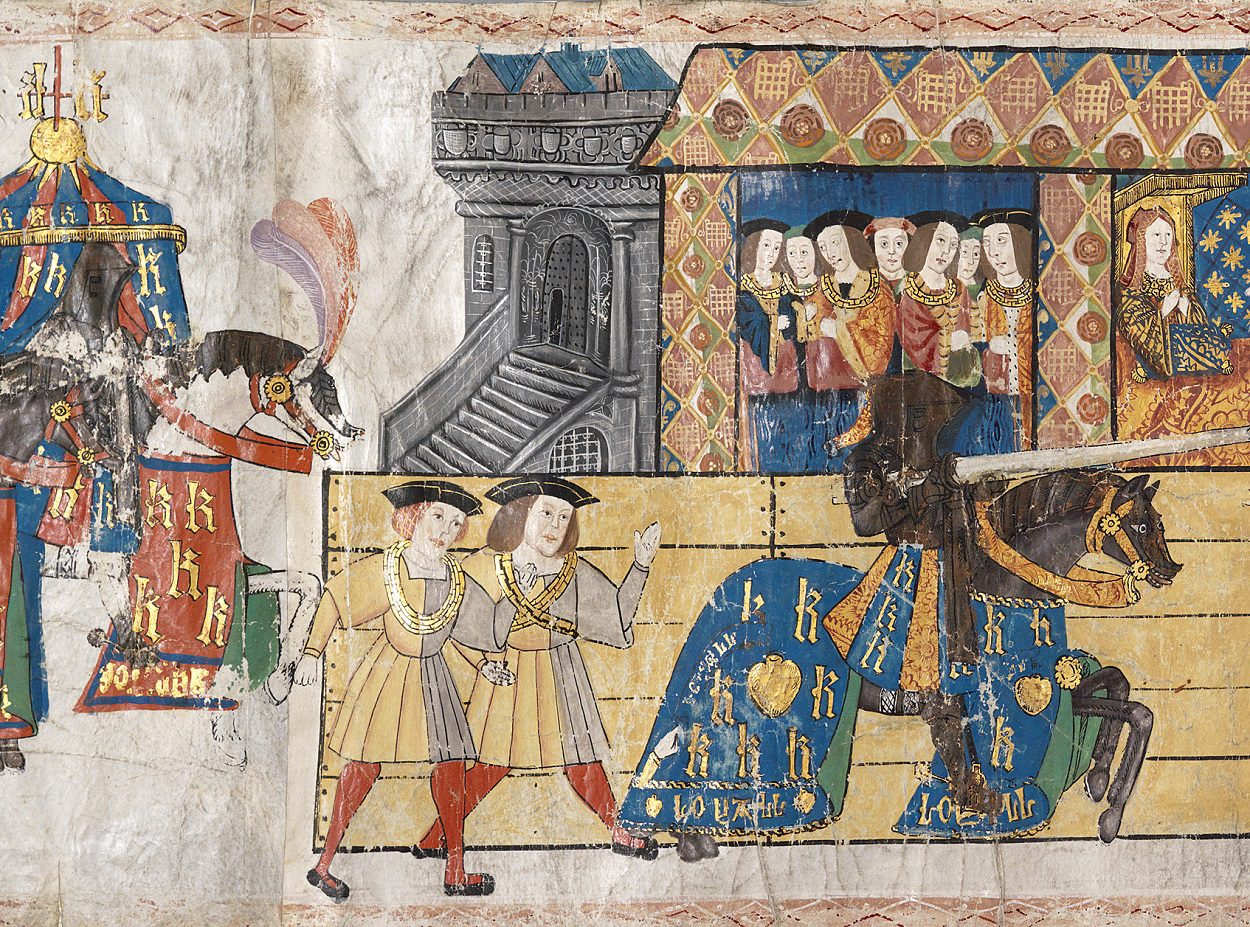
An animal cemetery discovered in Westminster, London, 30 years ago was found to contain exotic horses used in jousting tournaments during the medieval and Tudor period. Researchers from the University of Exeter analyzed the chemical composition of the horse burials, revealing that the horses were imported from Scandinavia, the Alps, and other northern and eastern European locations. The findings provide unprecedented evidence of horse movement and trading practices in medieval London, shedding light on the elite's efforts to acquire the best quality horses for jousting contests held in Westminster.
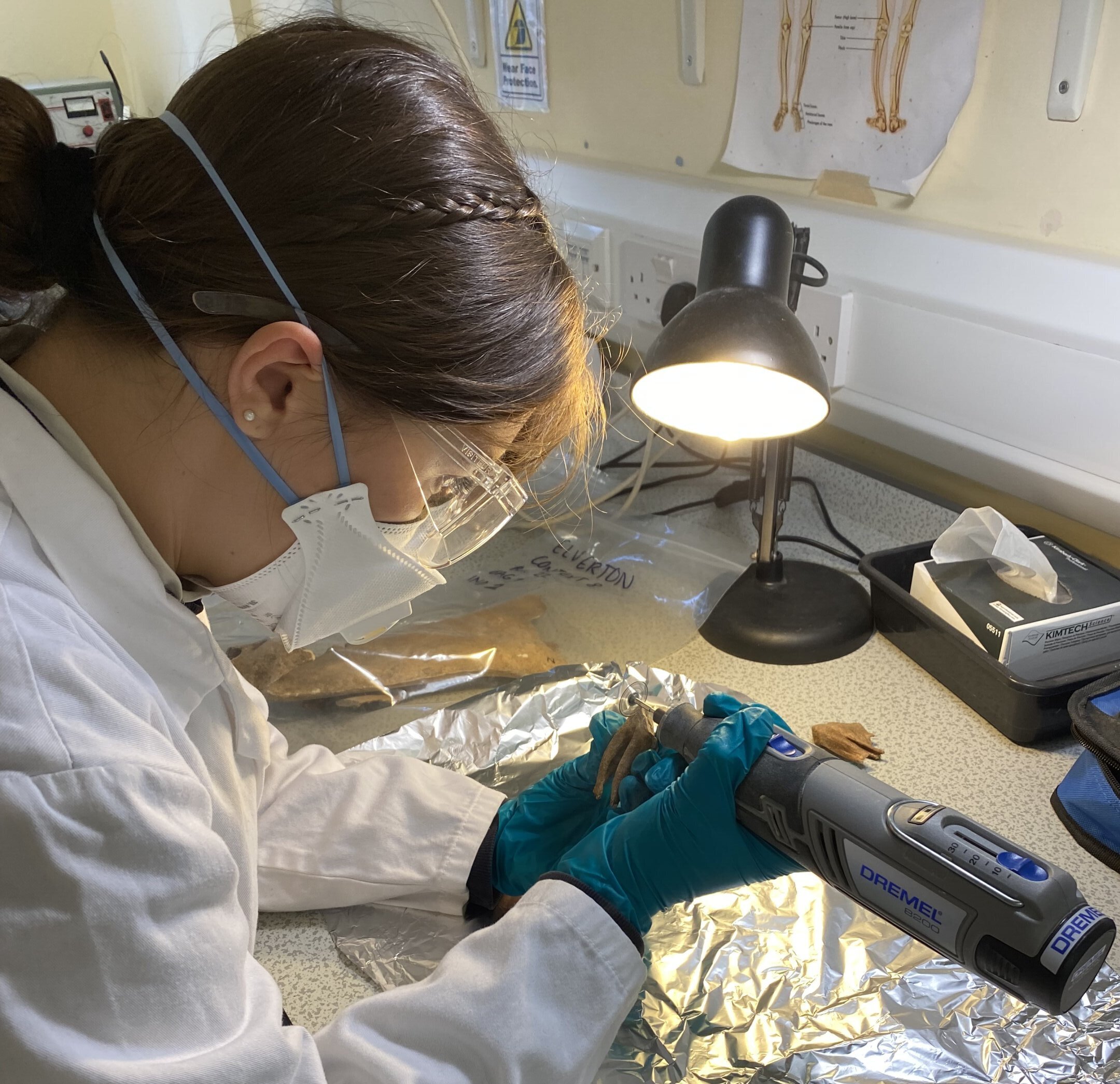
Researchers from the University of Exeter have analyzed a horse cemetery in Westminster, London, dating back to the late medieval and Tudor era, revealing the international scale of horse trading by the elites of that time. Using advanced archaeological science techniques, including studying chemical composition, the researchers identified the likely origins of physically elite horses imported from various locations across Europe for use in jousting tournaments and as status symbols. The analysis of horse skeletons and isotope tests on teeth provided unprecedented evidence for diverse horse movement and trading practices in the Middle Ages, shedding light on the breeding patterns and international scale of this trade.
A new study analyzing the remains of plague victims from medieval London has revealed that Black women of African descent were disproportionately affected by the Black Death. The research, led by the Museum of London, found that the number of African Londoners in the cemeteries studied was higher than the percentage of people of African descent living in the city at the time. The study highlights the devastating effects of premodern structural racism and sheds light on the challenges faced by marginalized communities during the Middle Ages.