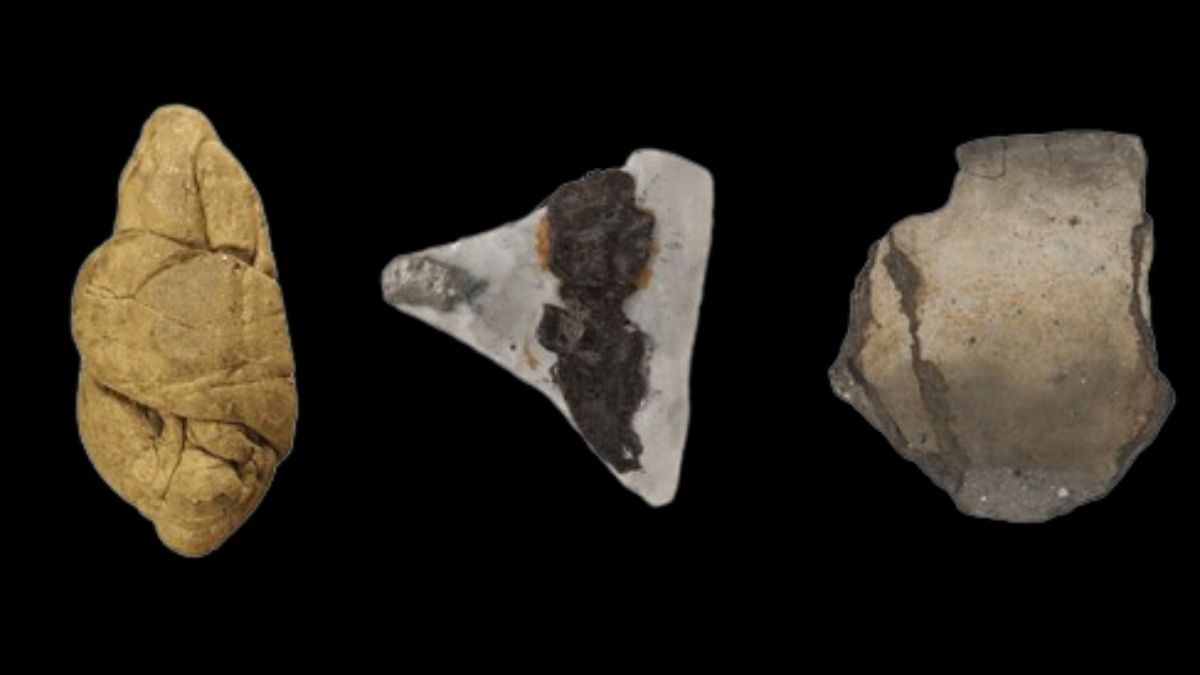
Ancient birch tar used as chewing gum 6,000 years ago reveals insights into Neolithic gender roles, diet, and practices through preserved human and microbial DNA, showing differences in usage between males and females and offering a unique window into prehistoric life.
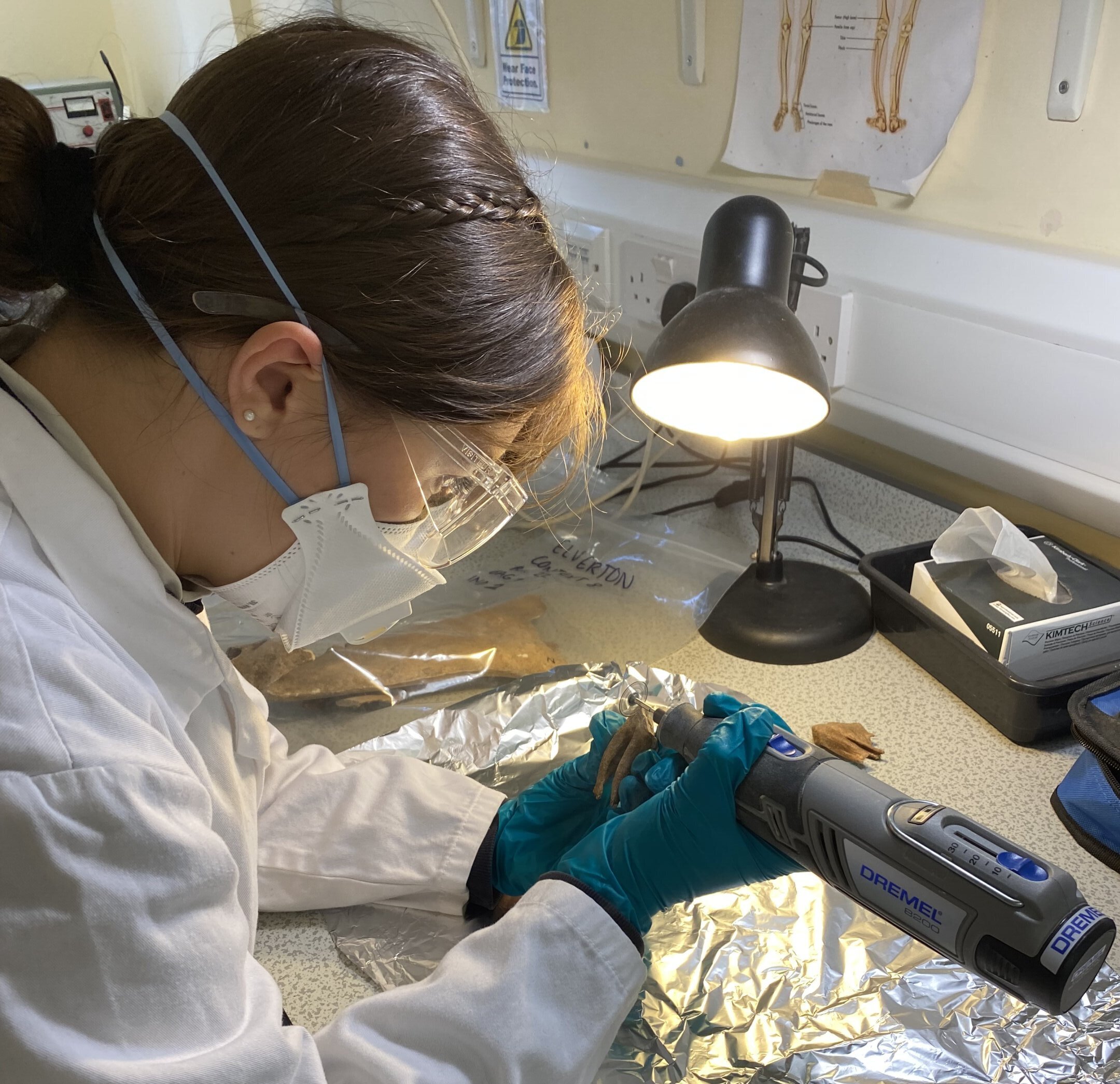
Researchers from the University of Exeter have analyzed a horse cemetery in Westminster, London, dating back to the late medieval and Tudor era, revealing the international scale of horse trading by the elites of that time. Using advanced archaeological science techniques, including studying chemical composition, the researchers identified the likely origins of physically elite horses imported from various locations across Europe for use in jousting tournaments and as status symbols. The analysis of horse skeletons and isotope tests on teeth provided unprecedented evidence for diverse horse movement and trading practices in the Middle Ages, shedding light on the breeding patterns and international scale of this trade.
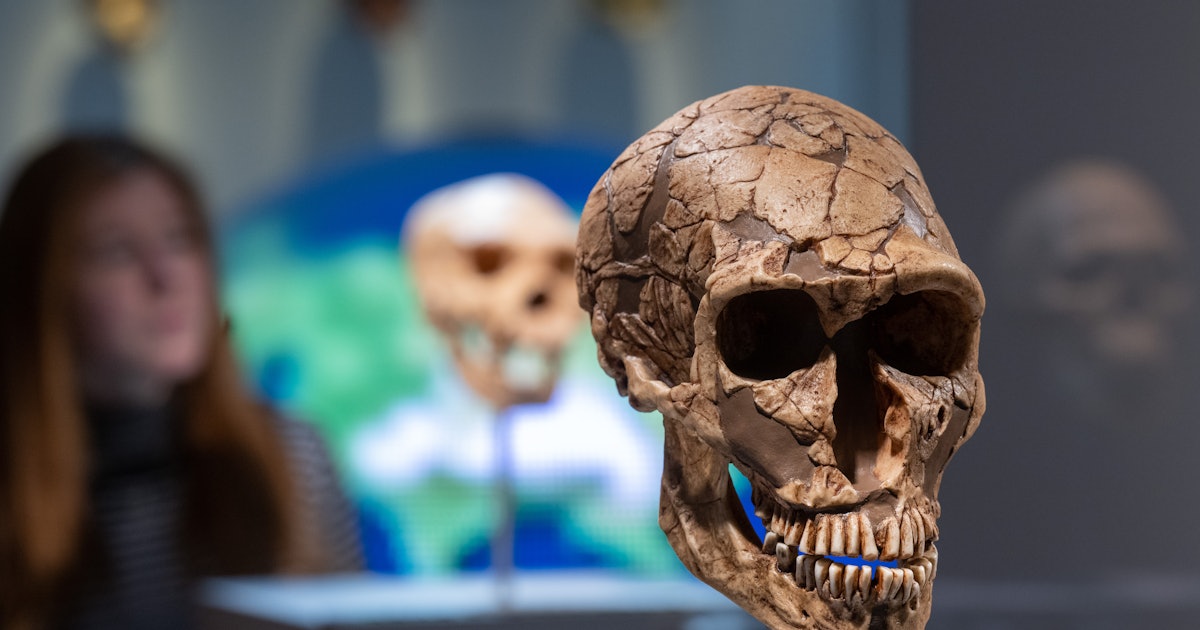
An archaeological analysis of skeletal remains from Ilsenhöhle in Germany reveals that modern humans arrived in northwestern Europe at least 45,000 years ago, overlapping with Neanderthals for thousands of years before their extinction. The discovery challenges previous knowledge and sheds light on the coexistence of the two hominid ancestors. The findings also raise questions about stone tool technology and genetic relationships, providing growing evidence of a longer overlap between Neanderthals and modern humans than previously thought.