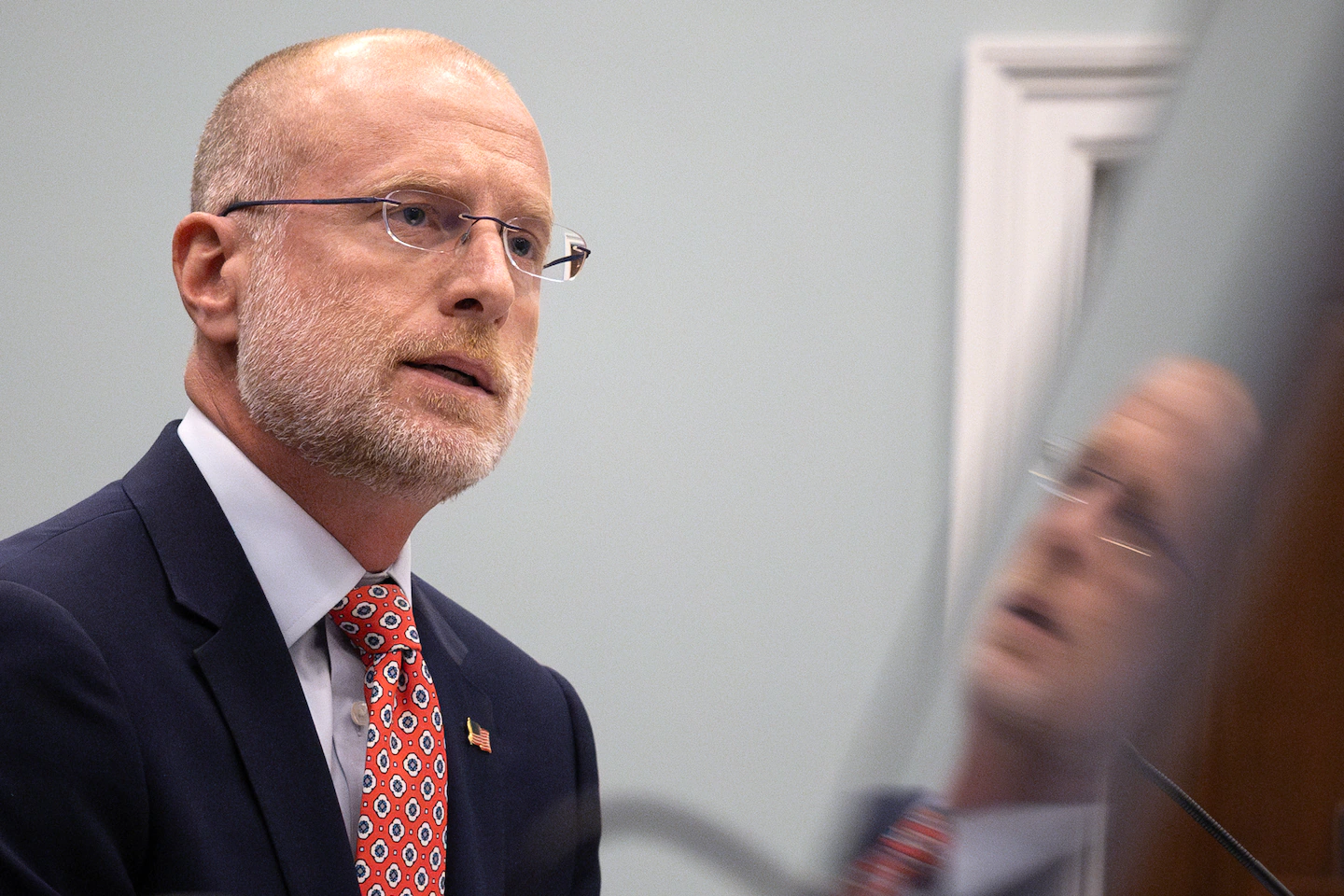
David Ellison is aggressively pursuing a takeover of Warner Bros Discovery with bids up to $23.50 per share, totaling around $93 billion, but his offers have been rejected. WBD is exploring sale options amid interest from other tech giants like Netflix, Amazon, and Apple, and is considering splitting into two companies. The potential merger with Paramount could lead to significant layoffs and industry consolidation, driven by the need for scale and high-value IP in the declining linear TV market.
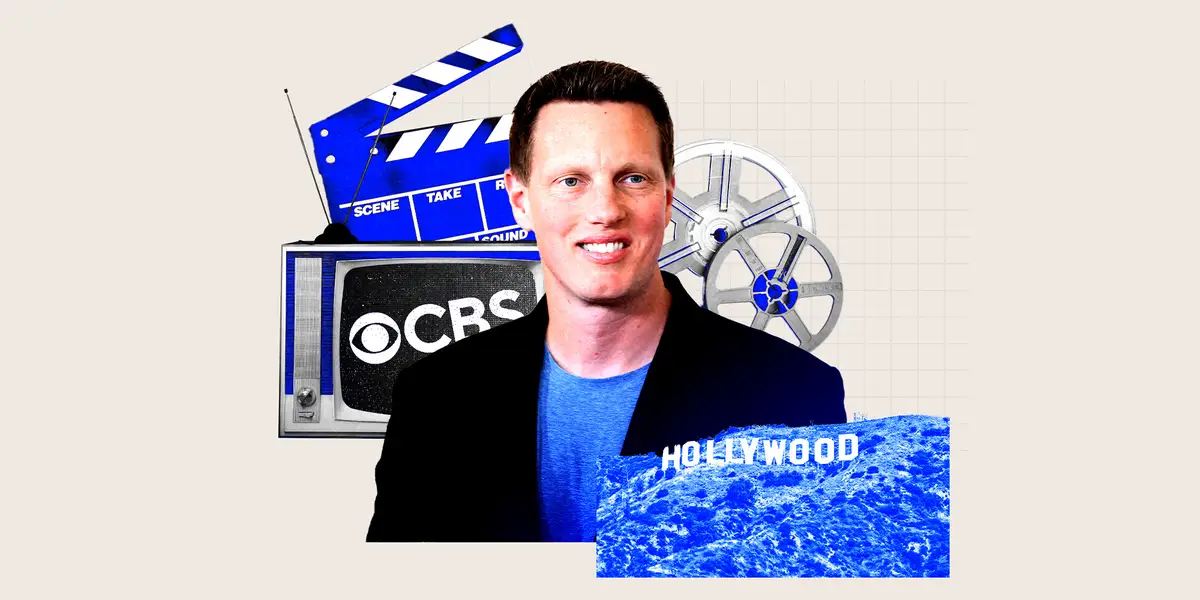
Warner Bros. Discovery is exploring strategic options including a potential merger with Paramount, which would create a media giant combining major film, TV, and streaming assets, but the deal faces challenges and significant layoffs are expected regardless of the outcome.
Paramount CEO David Ellison is aggressively reshaping the media landscape by appointing Bari Weiss to CBS News and considering acquisitions like Warner Bros. Discovery, backed by his father's wealth, aiming to create a new media empire that could significantly impact Hollywood's structure and employment, while also raising concerns about media consolidation and industry disruption.
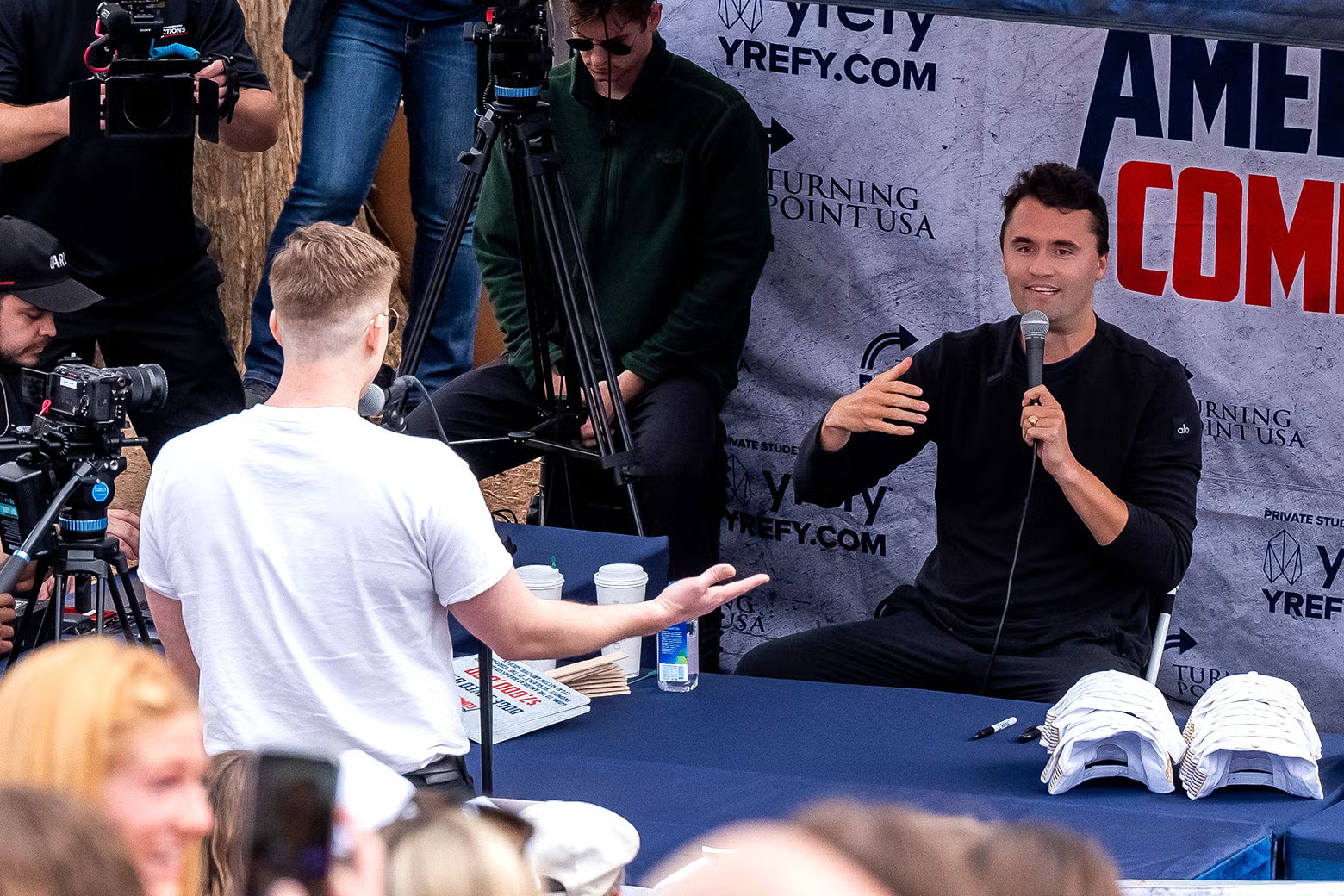
The article critiques the current state of free speech in America, highlighting how political and corporate consolidations, along with tactics like harassment and censorship, undermine genuine free expression. It questions the ideal of marketplace of ideas, exposing how power imbalances and strategic suppression distort true open discourse, especially in the context of figures like Charlie Kirk and the broader political climate.
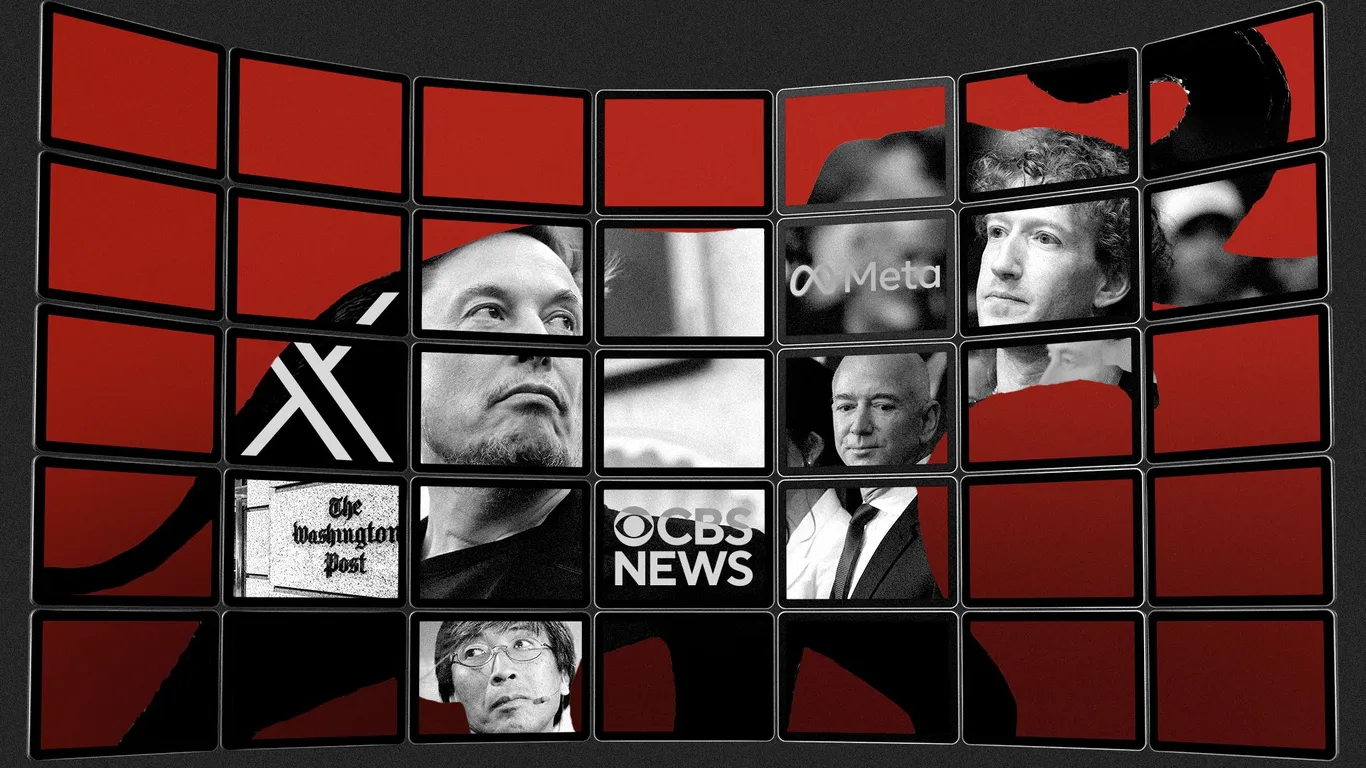
The article argues that the traditional trope of a 'liberal media' is outdated, as media ownership consolidates under right-wing influence and political pressures, especially from Trump and his allies, threaten independent journalism and dissenting voices, leading to a decline in credible, diverse media outlets.
The U.S. media landscape is undergoing a significant conservative shift, with Trump-friendly billionaires acquiring and rebranding major platforms, influencing coverage and political discourse, while traditional outlets face regulatory and financial pressures, all amid ongoing legal battles and industry realignments.
Paramount Skydance is preparing a bid to acquire Warner Bros. Discovery, which could lead to the biggest Hollywood merger since 2019, as Warner Bros. plans to split into separate businesses and both companies aim to strengthen their streaming and studio operations amid industry restructuring.
Nexstar's proposed $6.2 billion acquisition of Tegna aims to consolidate local TV stations across the US, potentially reducing competition and coverage, but hinges on regulatory changes by the FCC, which may lift ownership restrictions to allow such mergers, raising concerns about media diversity and public interest.
Nexstar Media Group announced a $6.2 billion deal to acquire Tegna, aiming to expand its reach to 265 TV stations across 44 states, covering 80% of U.S. households, with the deal expected to close by mid-2026 pending regulatory approval. The merger is driven by industry deregulation efforts and aims to strengthen local news and programming.
Shares of Tegna surged nearly 30% amid reports that Nexstar is in advanced talks to acquire the company, potentially leading to significant media consolidation. The deal's approval may be facilitated by the FCC easing local TV ownership rules, which are currently under review. The move reflects ongoing industry trends towards deregulation and consolidation, amid debates over monopolistic practices and market competition.
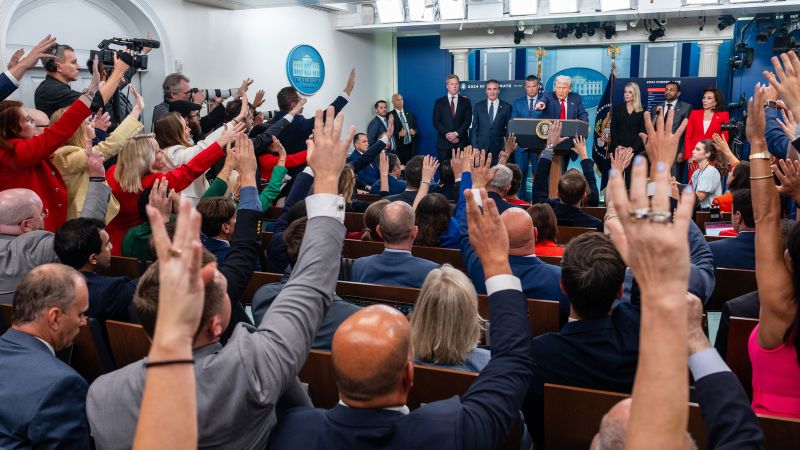
The FCC is installing a 'bias monitor' at CBS as part of the approval process for its merger, aimed at ensuring the network is favorable to Trump, raising concerns about government influence on media independence and bias.
Bob Iger, Disney's CEO, defended the company's $71 billion acquisition of 20th Century Fox assets in 2019, emphasizing its strategic importance for Disney's streaming ambitions. The deal, which included control of Hulu and content like "Avatar" and numerous Emmy-winning shows, was seen as crucial for Disney's content and distribution capabilities. Despite mixed reactions from Wall Street and increased debt, Iger highlighted the acquisition's role in Disney's streaming success and future outlook.
Warner Bros. Discovery CEO David Zaslav expressed optimism that Donald Trump's potential presidency could facilitate media industry consolidation by easing regulatory constraints. Zaslav believes this could positively impact the industry by allowing companies to merge and improve consumer experiences. Analysts anticipate that Trump's administration might reverse the Biden administration's regulatory approach, potentially spurring mergers and acquisitions across various sectors.
Warner Bros. Discovery CEO David Zaslav suggested that Donald Trump's potential re-election could accelerate media industry consolidation, offering opportunities for mergers and acquisitions. Zaslav emphasized the need for consolidation to improve consumer experience, as the current fragmented media landscape is unsustainable. His comments came during WBD's quarterly earnings call, highlighting the company's strategic stance amid industry changes and past regulatory challenges under Trump's administration.
Pitchfork, a renowned music publication, is being absorbed by GQ, a men's fashion and style magazine, leading to layoffs and concerns about the future of music journalism. The move raises questions about the role of insightful culture writing in the digital age and the impact on diverse music coverage. Musicians express worry about the site's future and its influence on their careers, while industry insiders debate the implications of the consolidation for independent and experimental artists.