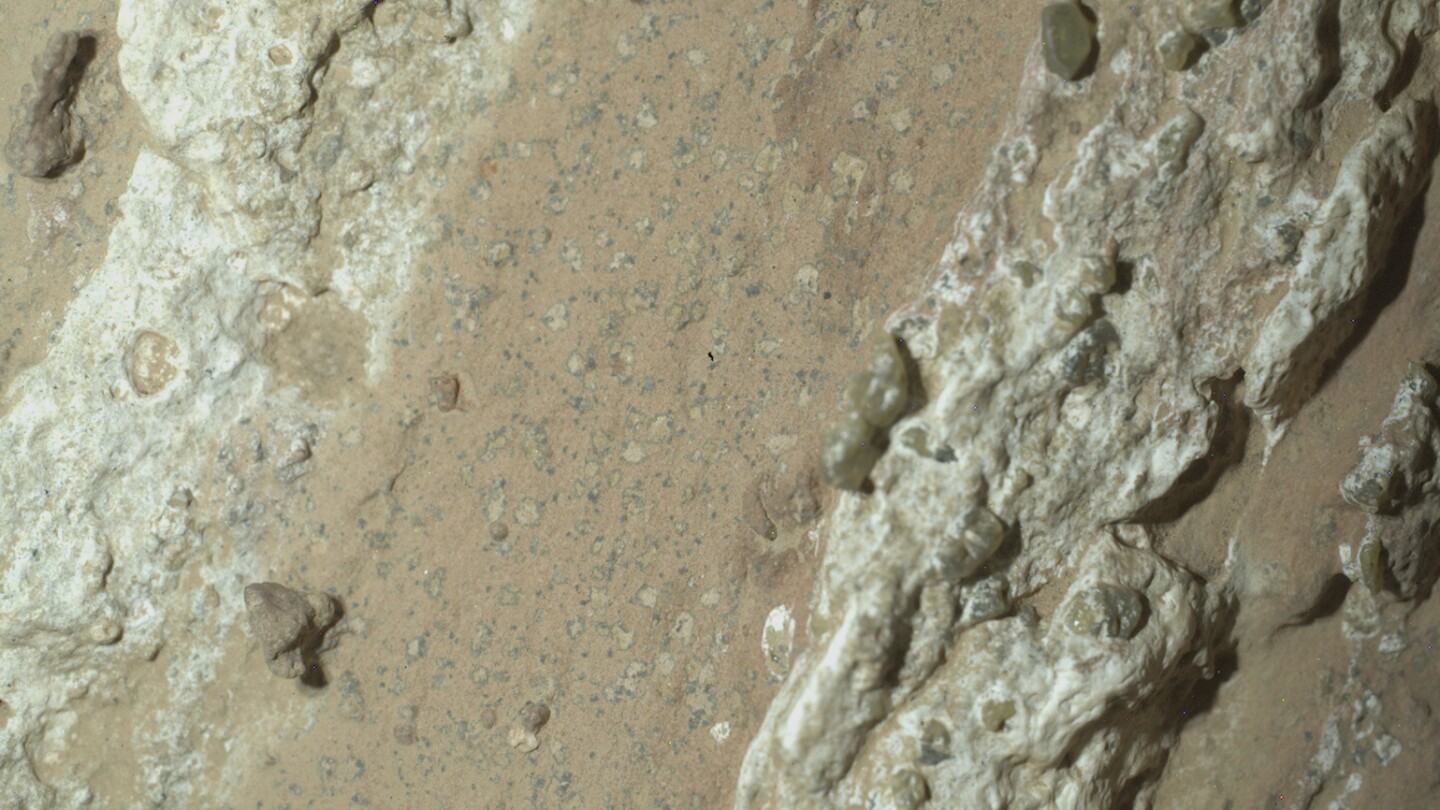
NASA's Perseverance rover found promising signs of ancient microscopic life in Martian rocks, particularly in a dry river channel, but further analysis is needed to confirm any biological origin, with the samples awaiting return to Earth for detailed study.
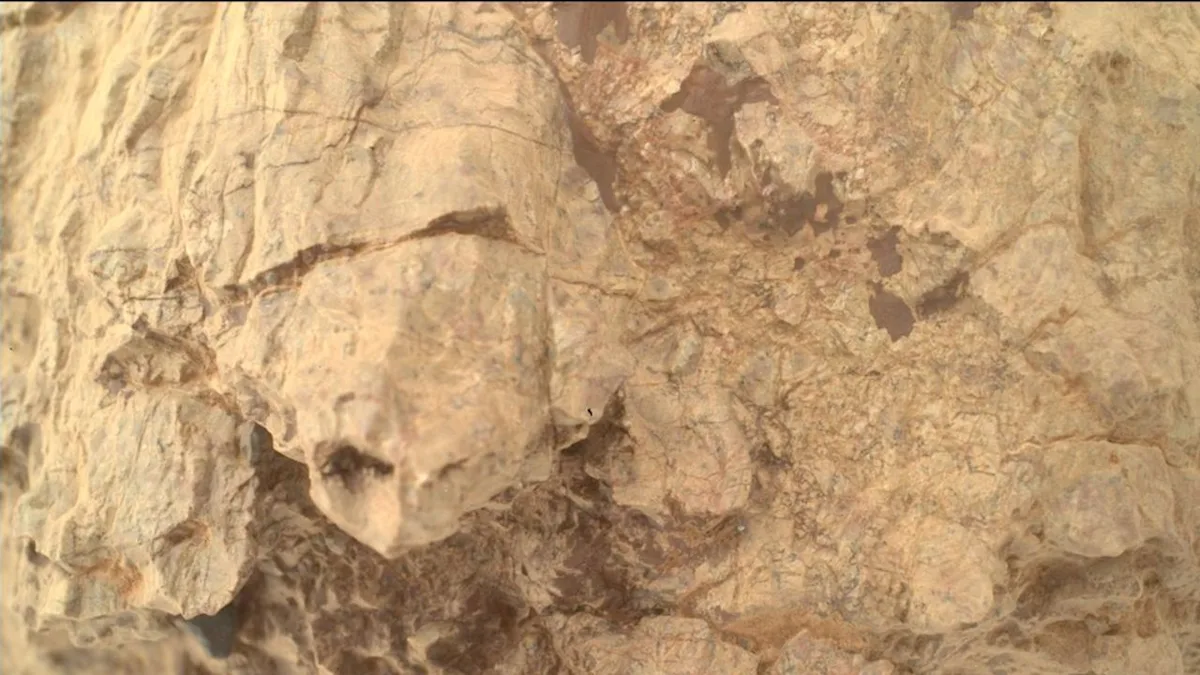
NASA's Perseverance rover captured a photo of a uniquely shaped Martian rock resembling a turtle, highlighting the planet's intriguing geological features and the phenomenon of pareidolia, where humans see familiar shapes in random objects.
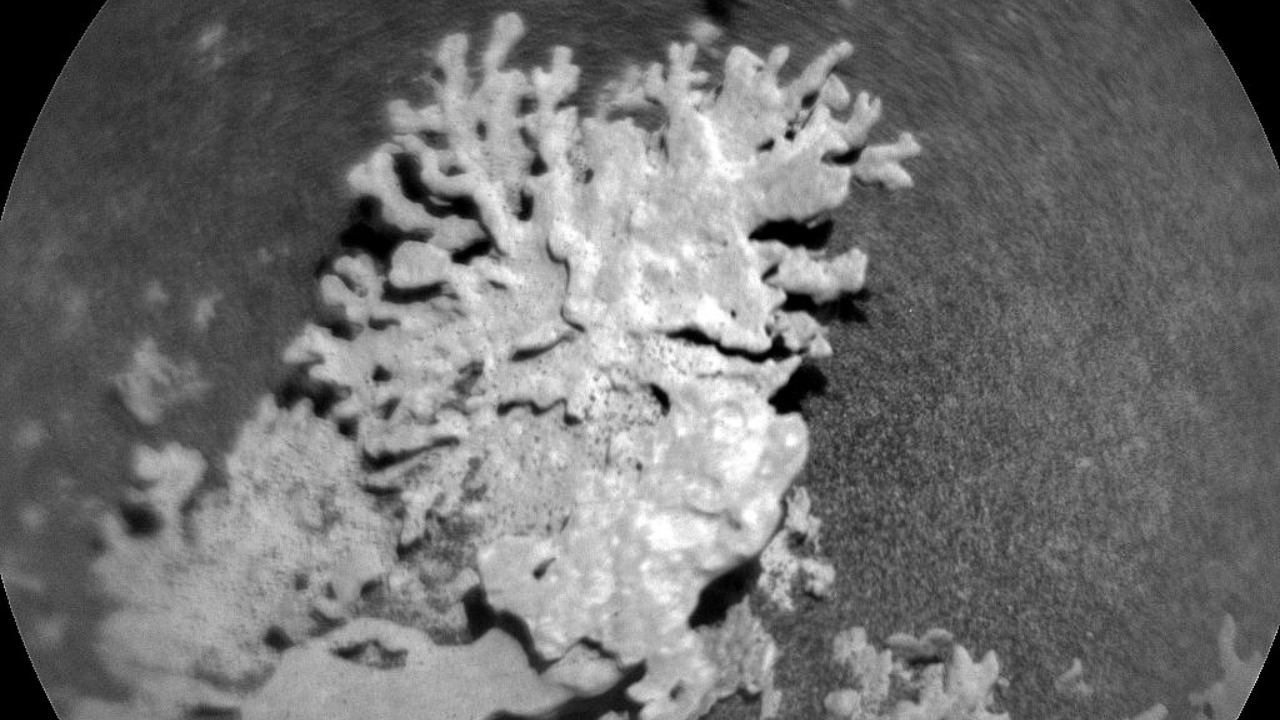
NASA's Curiosity rover discovered a rock on Mars that resembles coral, formed billions of years ago when the planet had water, providing evidence of past habitability and ancient water activity on Mars.
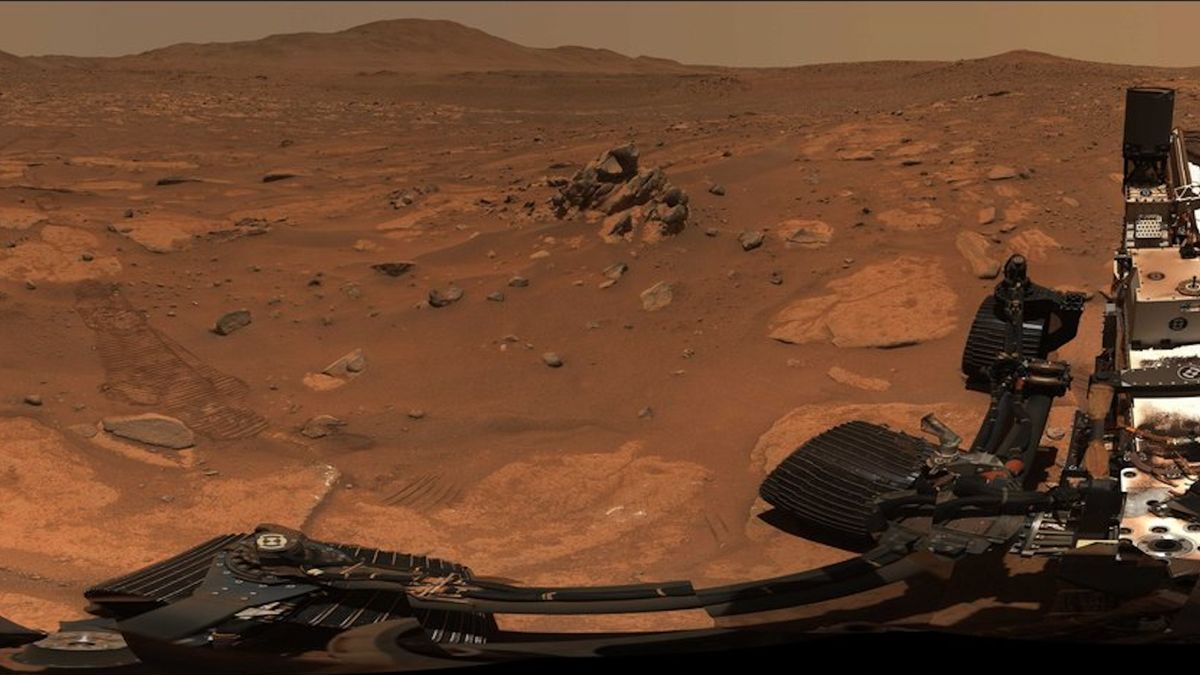
NASA's Perseverance rover has successfully completed its primary mission on Mars, collecting intriguing Martian rocks and soil samples. Initial analysis of the samples reveals the presence of carbonate-rich minerals, minuscule silica grains, and iron phosphate, suggesting the potential for preserving organic molecules and the availability of phosphorus for life. The rover has also reached a significant milestone of 1,000 Mars days on the Red Planet. In a bonus mission starting next spring, Perseverance will climb the rim of Jezero Crater, exploring an area that may have interacted with ancient Martian groundwater and uncovering rocks that are much older. The collected samples will be returned to Earth in the 2030s for further analysis.
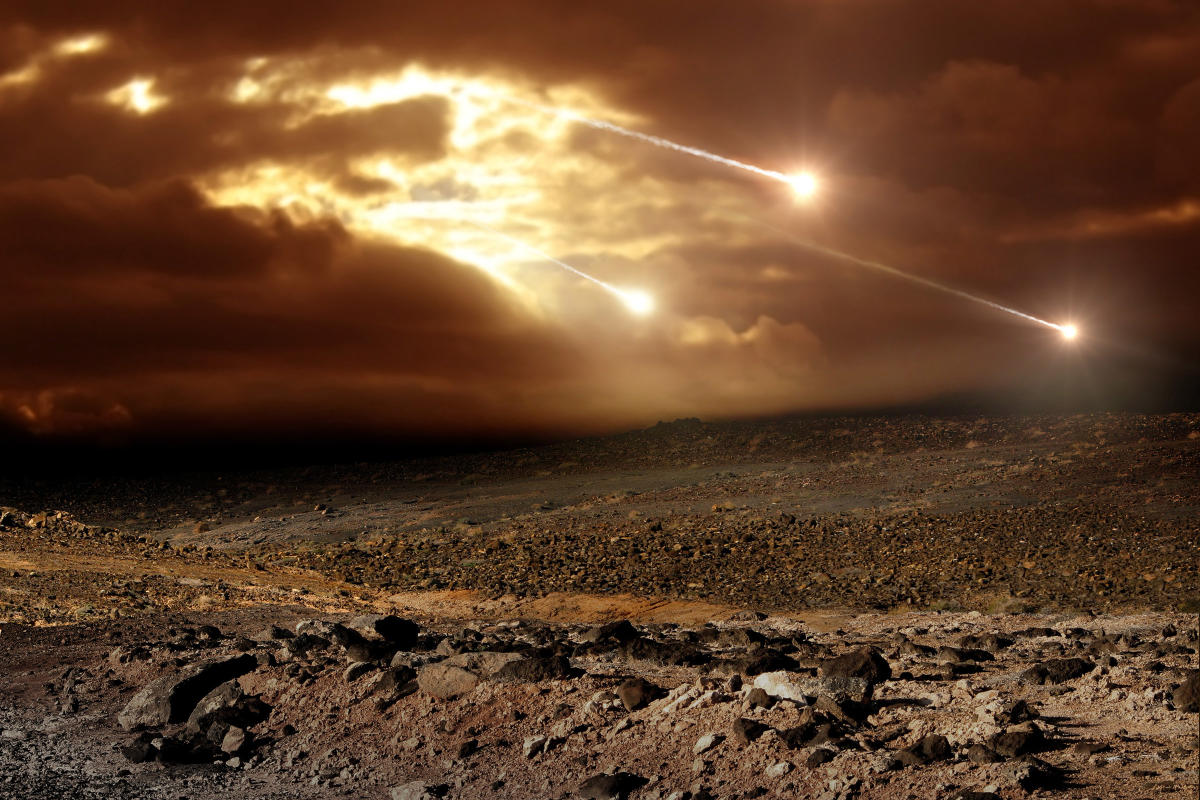
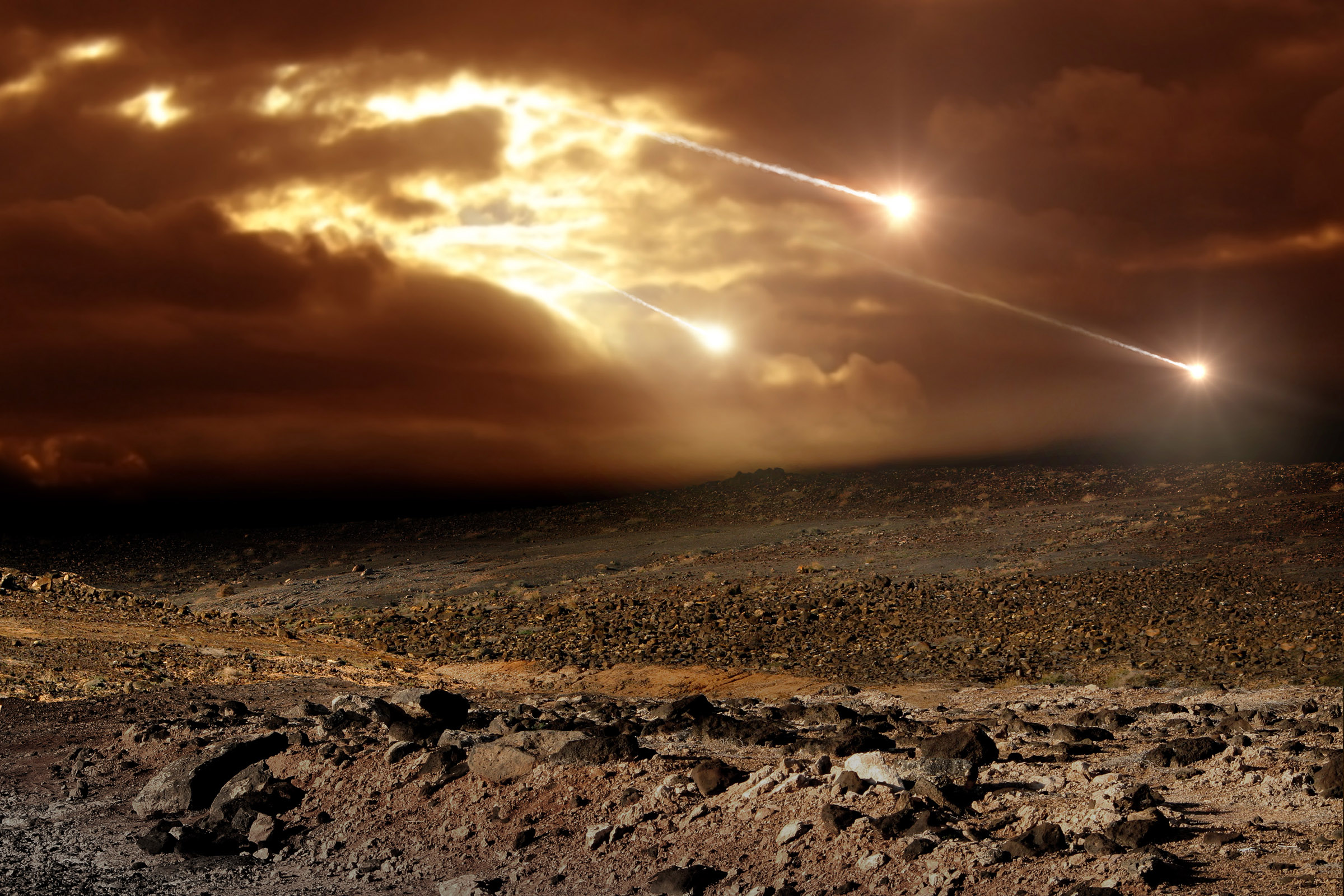
Martian rocks that have bombarded Earth over thousands of years appear to be younger than expected, raising questions about the age of Mars as a whole. Scientists believe that the constant bombardment of the Martian surface by meteorites and asteroids is responsible for this age discrepancy. As younger rocks replace older ones that are ejected into space, the Martian rocks found on Earth appear younger. Understanding these processes is crucial for future manned missions to Mars and for gaining insights into the formation of planets in our solar system.
Martian rocks that have bombarded Earth over thousands of years appear to be younger than expected, raising questions about the age of Mars as a whole. Scientists believe that the constant bombardment of the Martian surface by meteorites and asteroids is responsible for this age discrepancy. As younger rocks replace older ones that are ejected into space, the Martian rocks found on Earth appear younger. Understanding these processes is crucial for future manned missions to Mars and for gaining insights into the formation of planets in our solar system.
Martian rocks that have bombarded Earth for thousands of years appear younger than expected, raising questions about Mars' age. Scientists believe that the constant bombardment of the Martian surface by meteorites and asteroids is responsible for this discrepancy. The younger rock from beneath the surface, replenished by volcanic activity, replaces older rock and gets ejected into space, eventually reaching Earth. Understanding this process is crucial for future manned missions to Mars and for gaining insights into the formation of planets in our solar system and the universe's evolution.
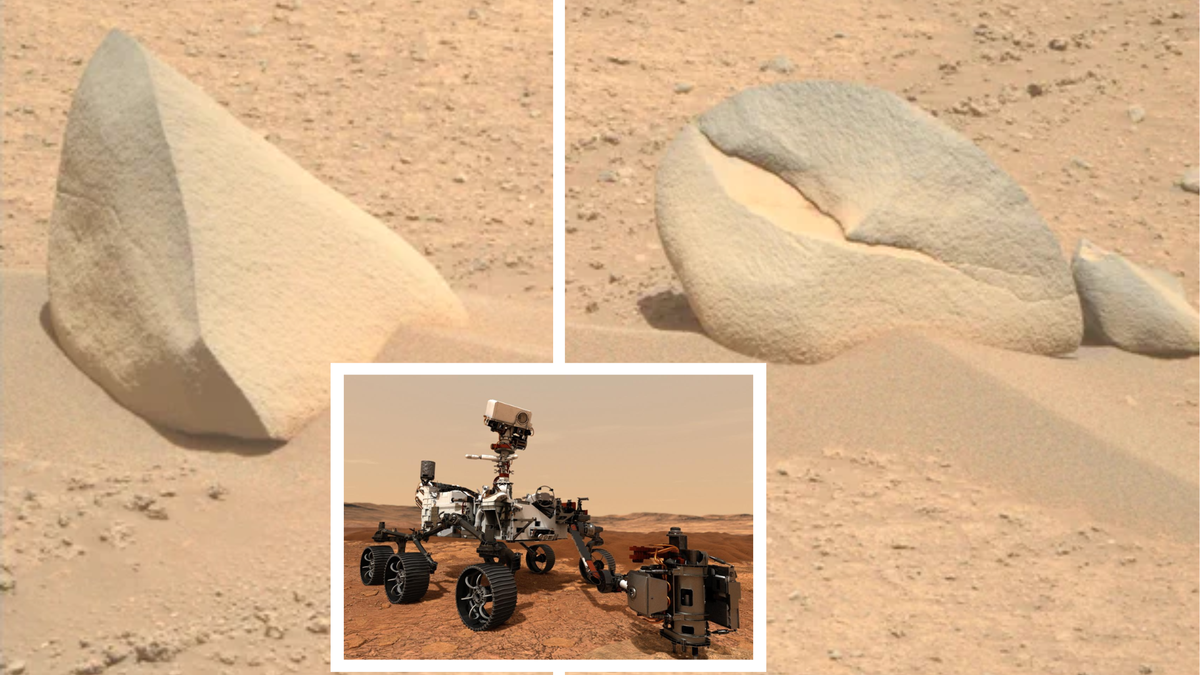
NASA's Perseverance Rover has captured images of rock formations on Mars that resemble a shark fin and a crab claw, sparking interest and speculation. These formations are examples of pareidolia, a phenomenon where the brain perceives meaningful images from random visual data. The famous "Face on Mars" from the 1970s was also a result of pareidolia, later revealed to be a natural geological feature. Despite these formations being random rock formations, the fascination with Mars-related pareidolia continues.