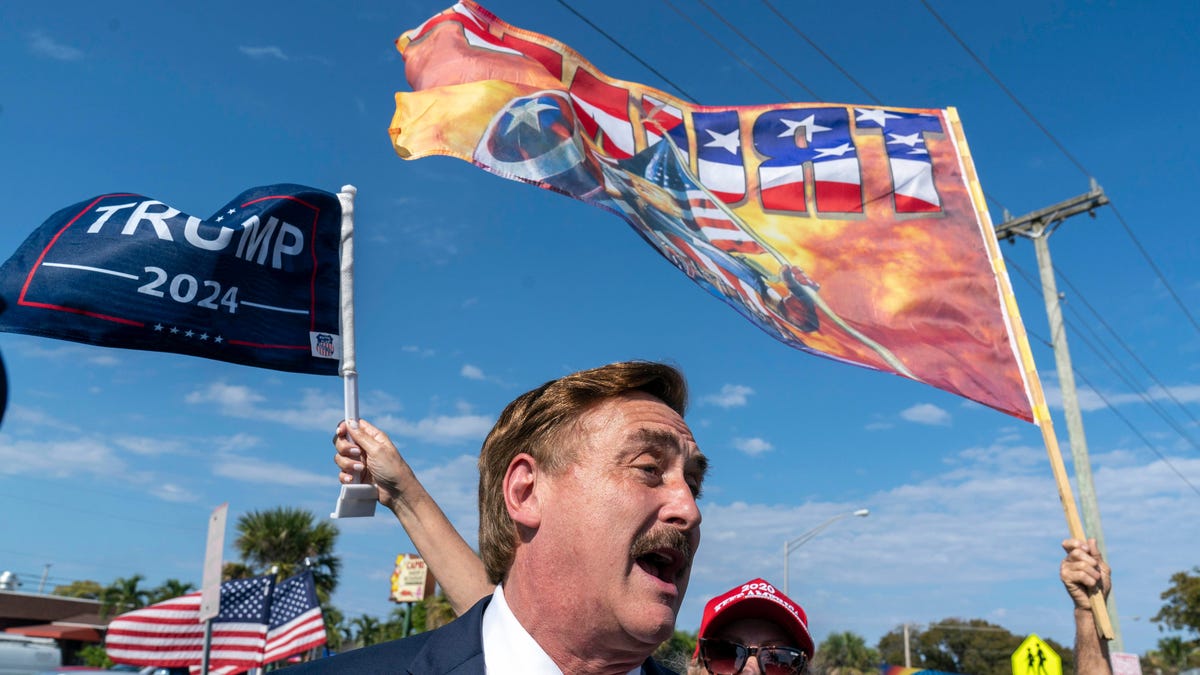
The Supreme Court rejected an appeal from MyPillow CEO Mike Lindell, who claimed his rights were violated when the FBI seized his phone during an investigation into the sharing of sensitive information from Colorado’s voting systems. Lindell, a prominent election denier and ally of Donald Trump, argued that the government was retaliating against those questioning the integrity of computerized voting systems, particularly those used in the 2020 election.
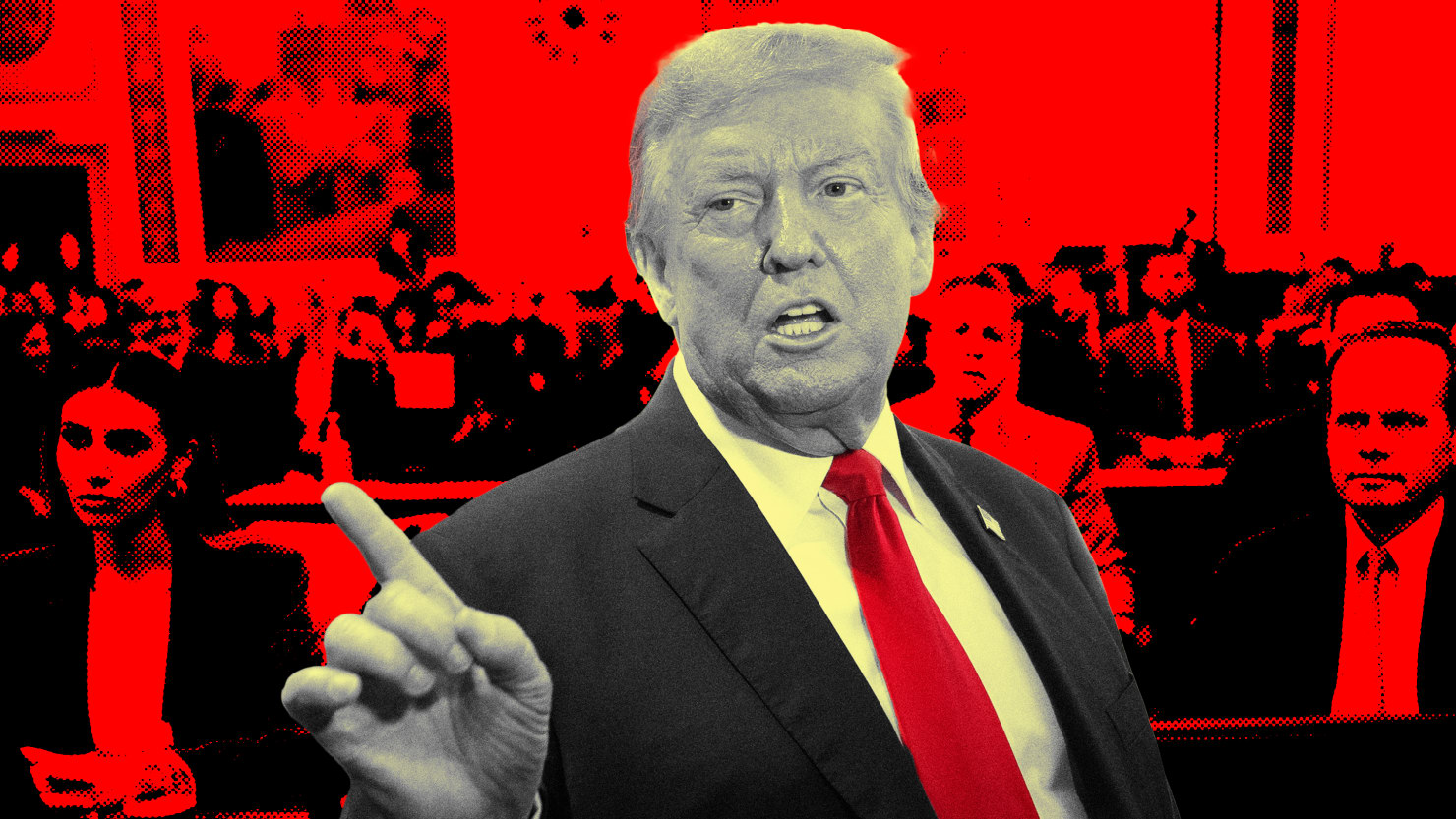
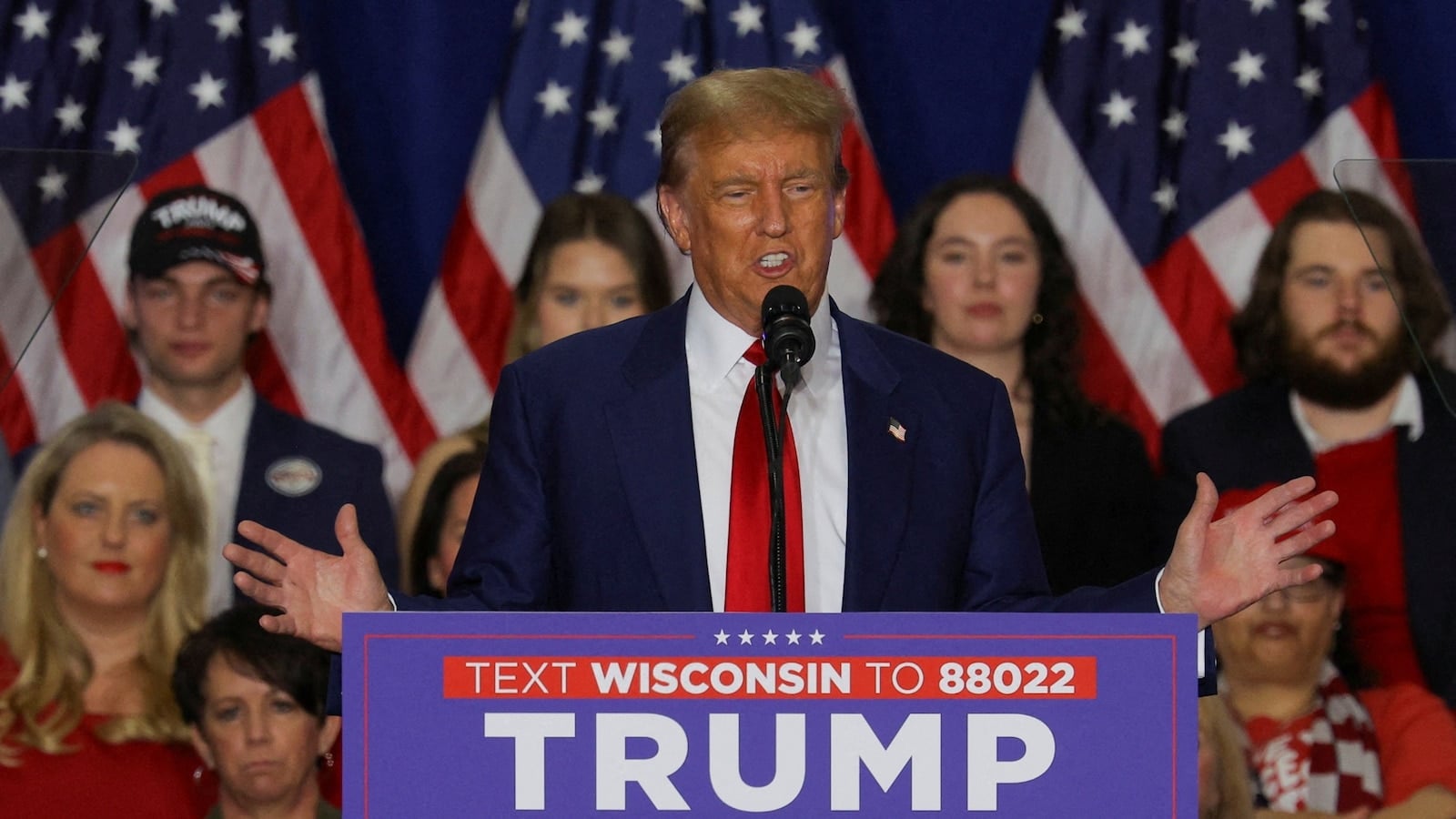
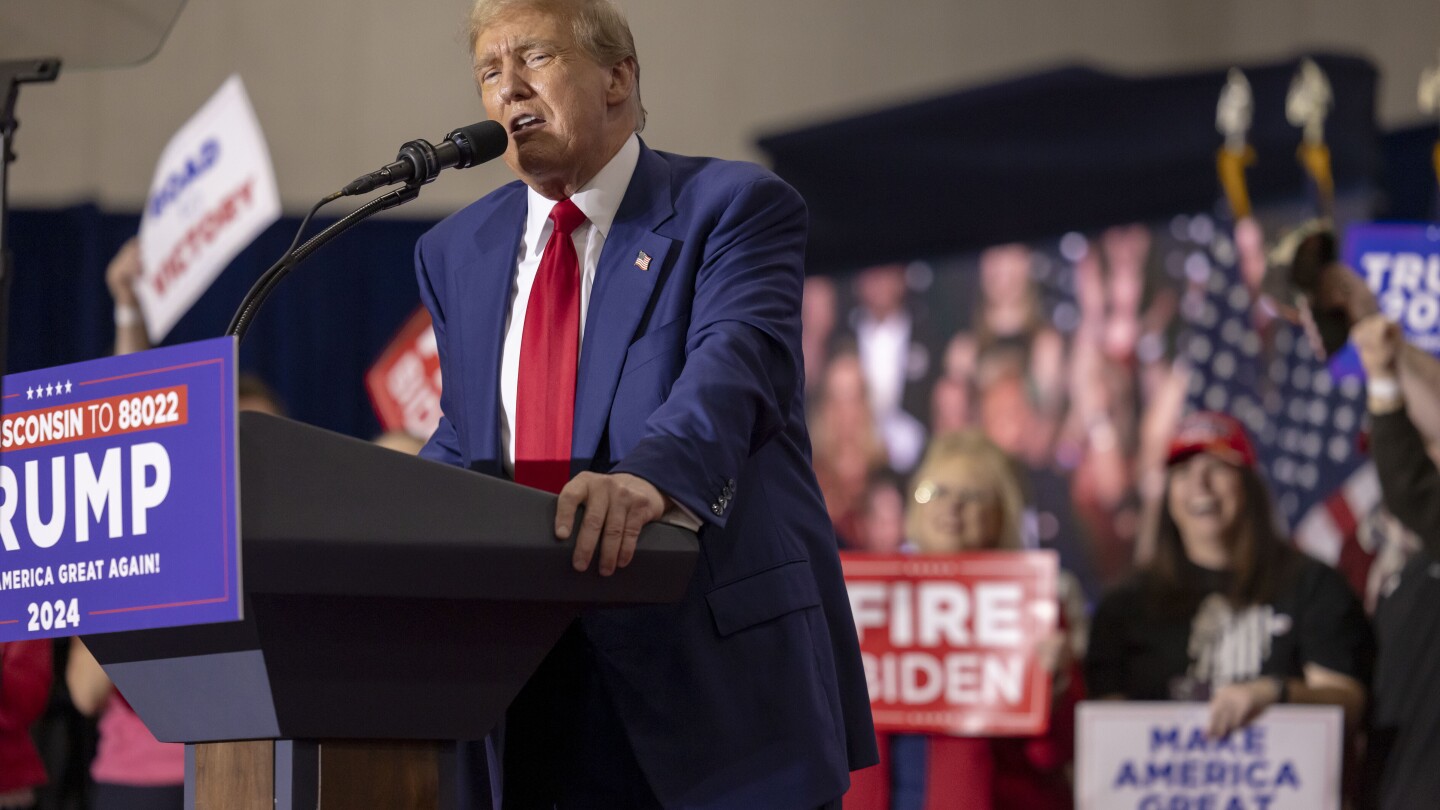
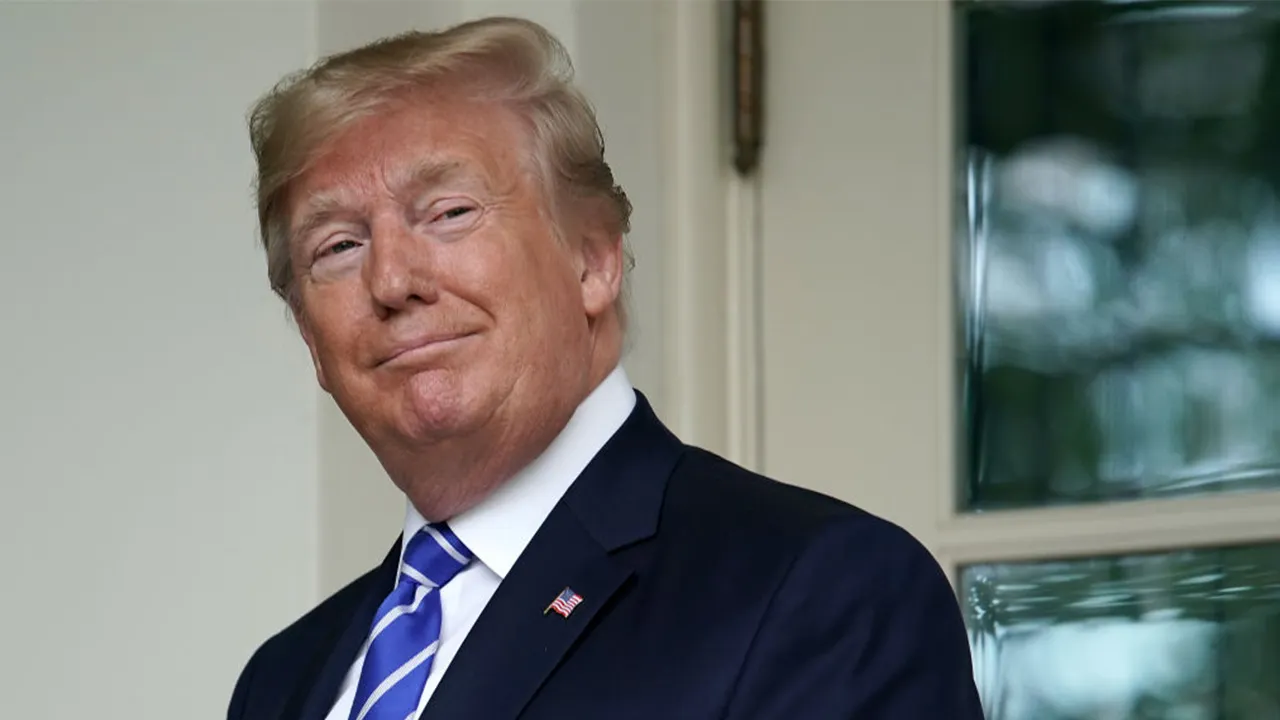
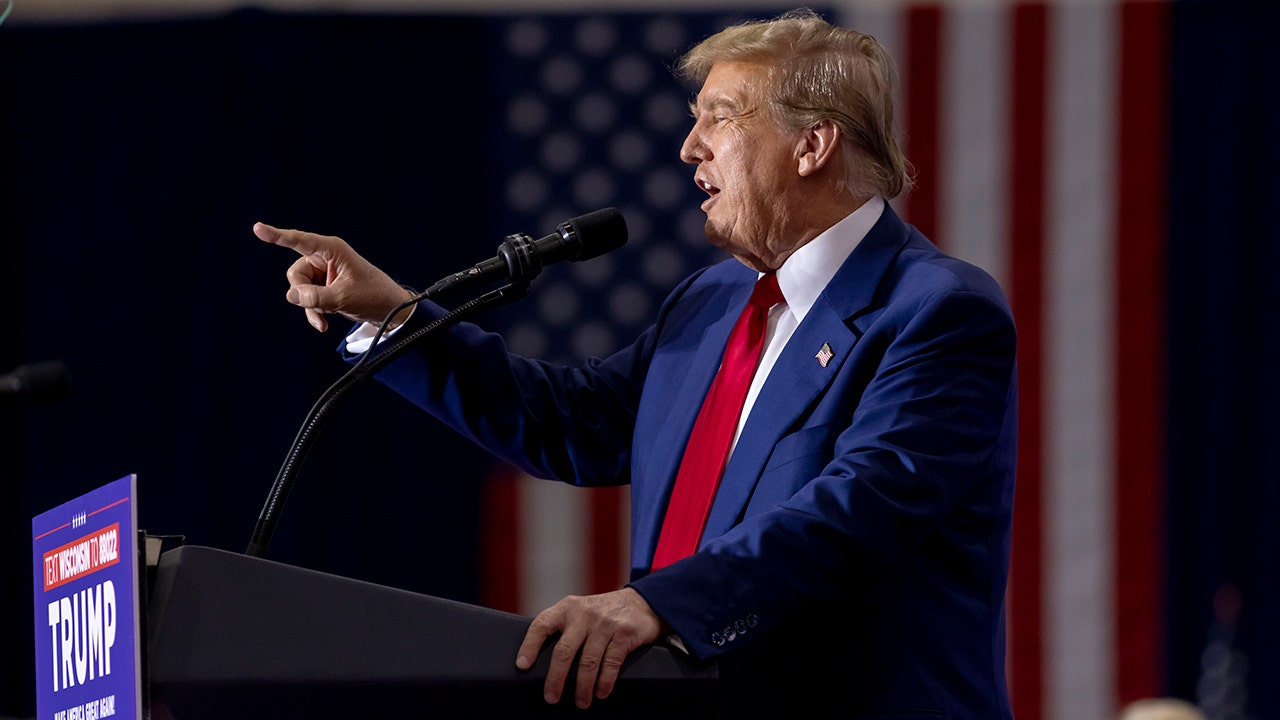
Former President Donald Trump's legal team has been unable to secure delays or dismissals in the criminal cases pending against him, despite their efforts to disqualify the judge, move the case to another jurisdiction, and extend arguments about presidential immunity. Trump's behavior in the court of public opinion, characterized by bluster and bullying, has not translated to success in actual court proceedings, as evidenced by his recent legal losses. The upcoming trial in New York over alleged misuse of campaign funds presents the potential for criminal liability and jail time, signaling a serious legal challenge for the former president.
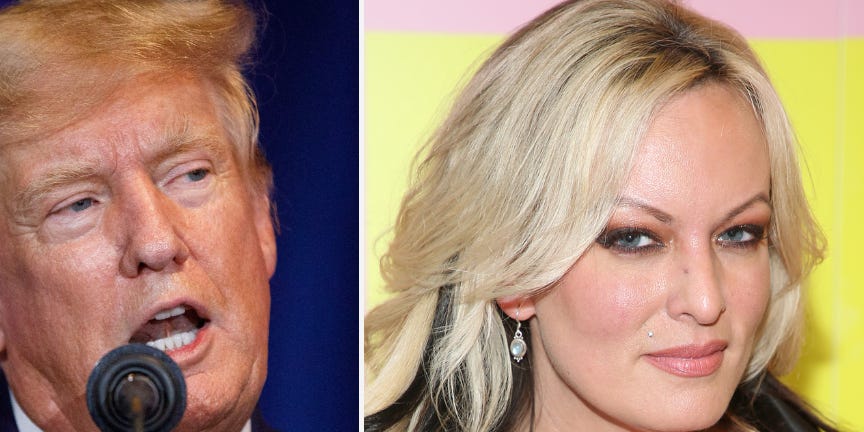
Former President Donald Trump has requested an interim stay from a New York appellate court to delay his upcoming criminal hush money trial, challenging the judge's refusal to recuse himself and allow arguments about presidential immunity. Trump's attempts to delay the trial have been unsuccessful this week, as he also challenges a gag order and seeks to move the case out of Manhattan. The trial, involving a 34-count indictment related to a hush money payment made to Stormy Daniels, is set to begin jury selection on Monday in New York City.
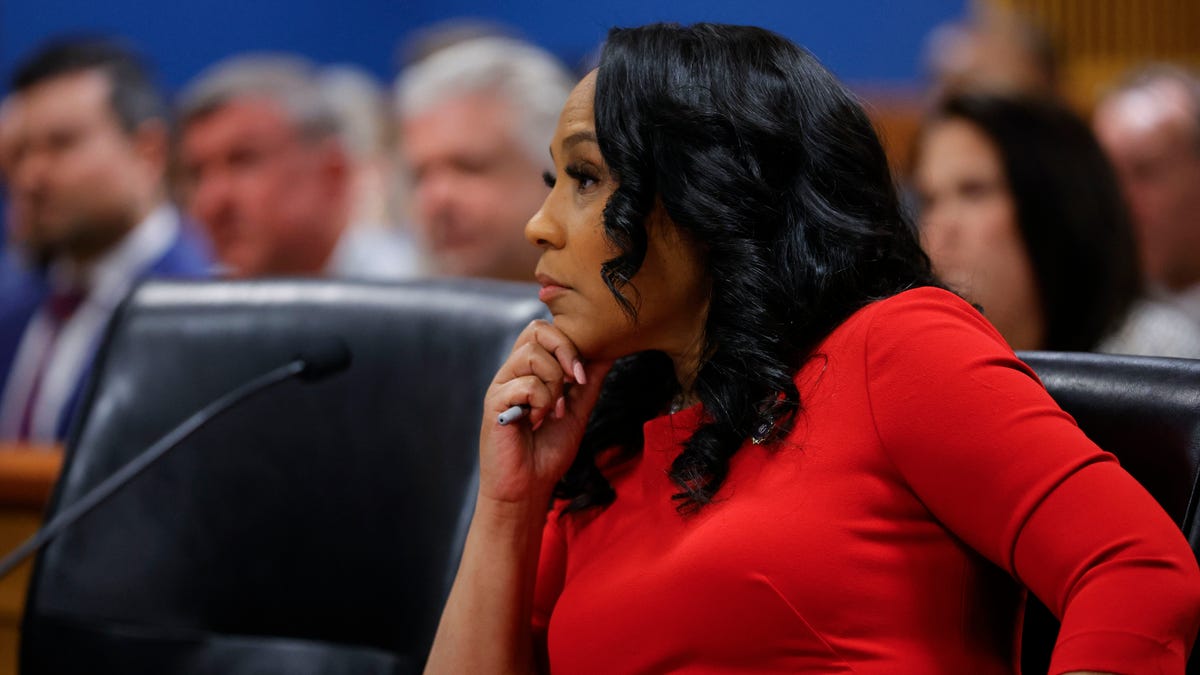
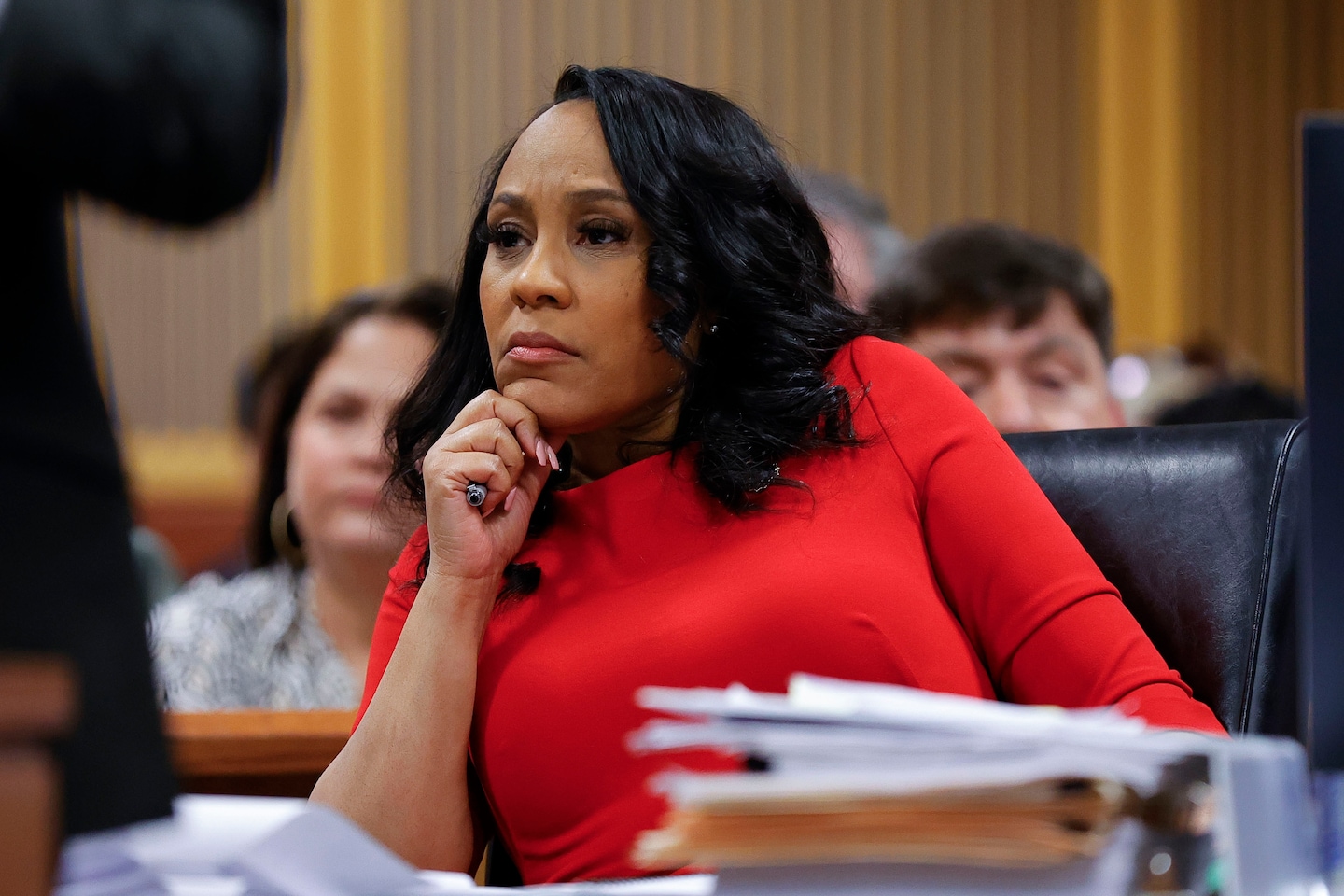
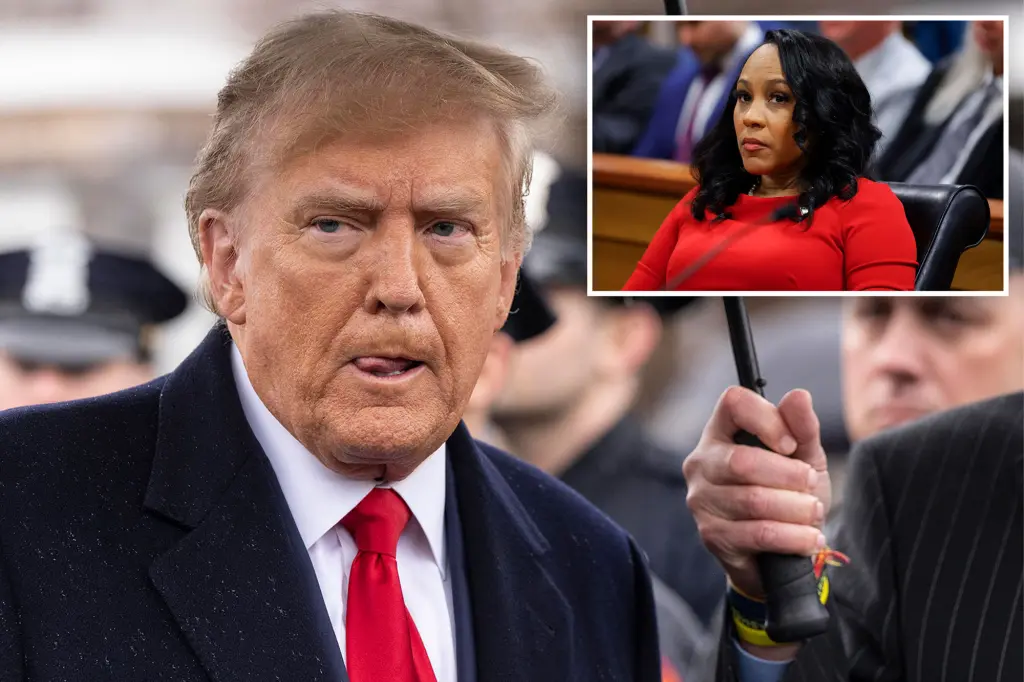
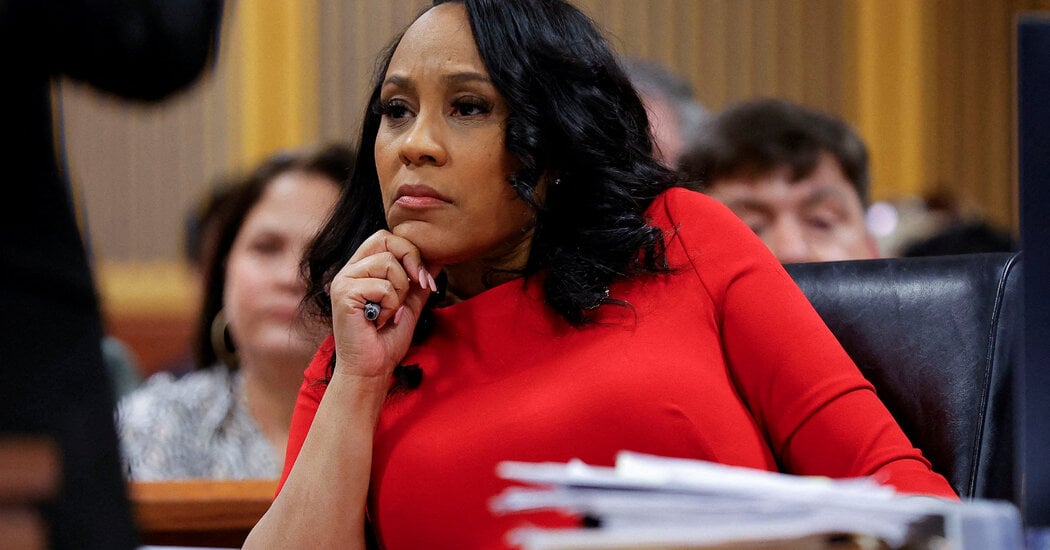
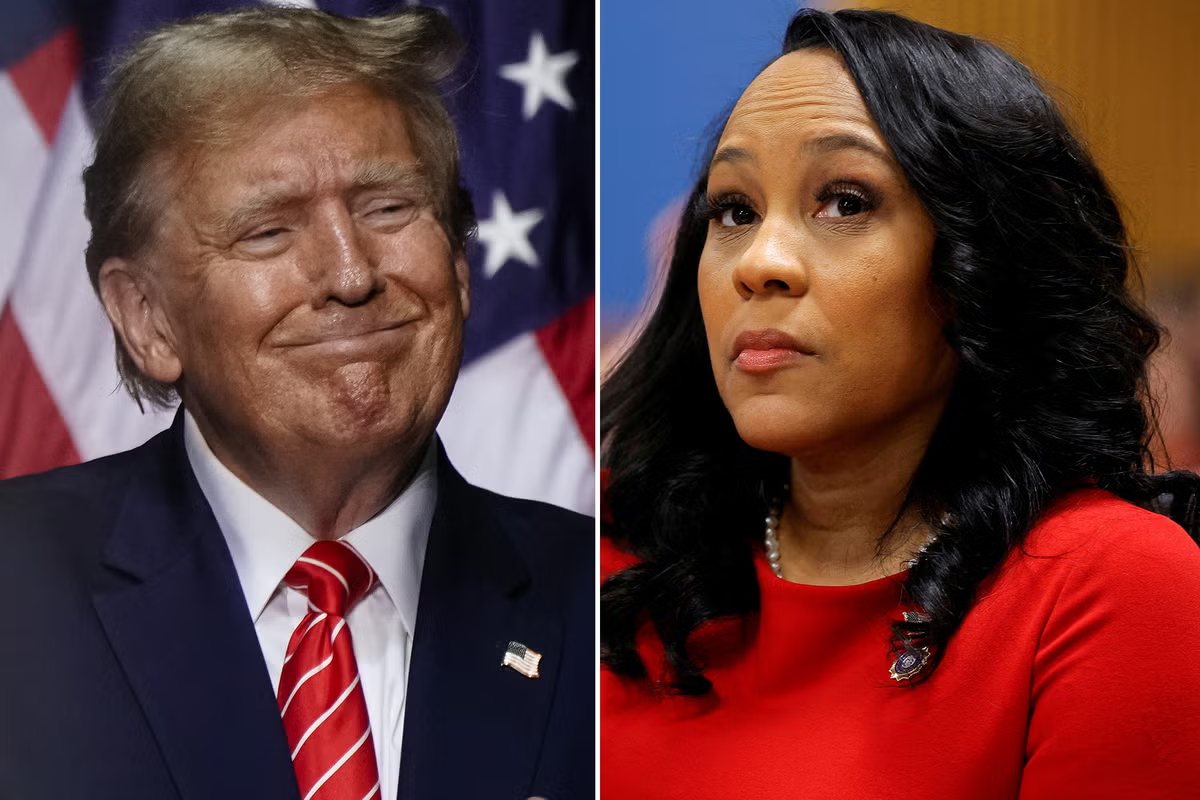
Fulton County District Attorney Fani Willis is fighting Donald Trump's appeal to remove her from the election interference case, arguing that she had no conflict of interest despite her romantic relationship with special prosecutor Nathan Wade and that her church speech did not harm the case. Trump and eight co-defendants are seeking to disqualify Willis due to her relationship with the prosecutor and her public speech. The appeals court has 45 days to decide whether to hear the case, while the trial continues to move forward.
Donald Trump's lawyers are seeking a delay and a change of venue for his hush money criminal trial in Manhattan, arguing that he faces potential prejudice in the heavily Democratic borough. They also seek to reverse a gag order that prohibits Trump from making comments about the judge's family. The trial, scheduled to start on April 15, is the first of Trump's four criminal indictments to go to trial and would be the first criminal trial of a former president. Trump has made numerous attempts to delay the trial, including filing lawsuits against the judge and challenging his rulings.
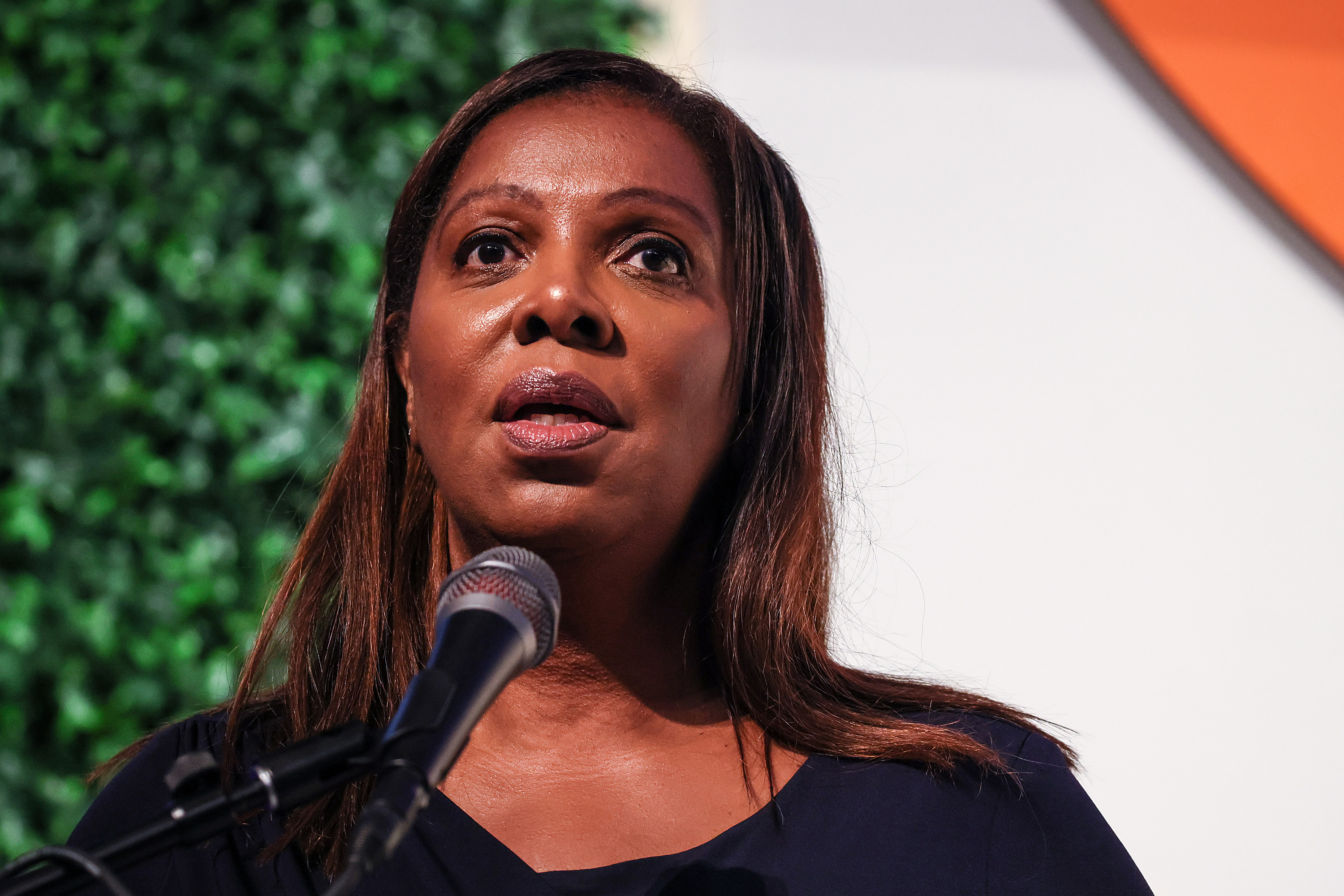
New York Attorney Letitia James faces potential concerns over the sufficiency of the $175 million bond posted by Donald Trump in her civil fraud case, as a report reveals a line in the agreement that may leave her in the same position as before Trump secured the bond if he loses the appeal. Questions have been raised about the insurance company's ability to pay the bond, with James's office expressing doubt about its sufficiency and the bond being rejected by a court for lacking a current financial statement.
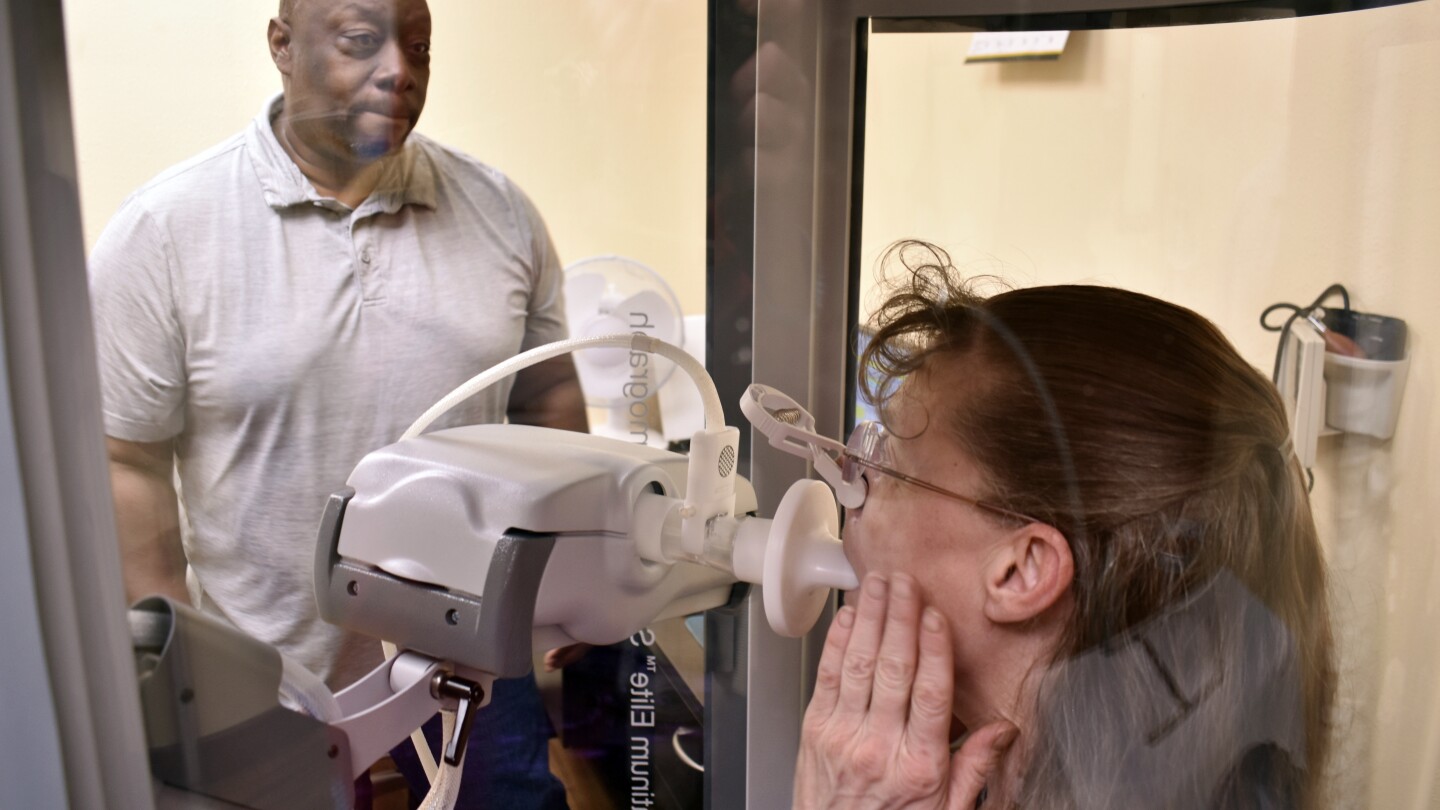
Victims of asbestos pollution in Libby, Montana, are taking BNSF Railway, owned by Warren Buffet's Berkshire Hathaway Inc., to court, alleging negligence and wrongful death for failing to control contaminated dust from the rail yard that led to hundreds of deaths and over 3,000 illnesses. The upcoming trial is the first among hundreds of lawsuits against BNSF, with victims seeking accountability for the asbestos-related diseases caused by the vermiculite shipped by rail from Libby for use across the U.S. The cleanup has cost an estimated $600 million, with most covered by taxpayer money, and the victims hope for justice in the upcoming trials.
The judge in former President Donald Trump's classified documents case, Aileen Cannon, has been making pre-trial decisions that have raised concerns among legal experts and Special Counsel Jack Smith. The latest controversy revolves around the judge's request for jury instructions on the Presidential Records Act, which suggests she may be crediting Trump's defense that he was authorized to keep the documents. Smith's team has expressed concerns about the judge's legal premise and the potential impact on the case, emphasizing the need for a prompt resolution to avoid complications during the trial.
Fulton County Superior Judge Scott McAfee denied former President Donald Trump's motion to dismiss charges related to the 2020 election in Georgia on First Amendment grounds. The judge also denied a motion from defendant David Shafer. The trial may be delayed due to recent controversy surrounding the district attorney. Legal experts anticipate more challenges from Trump and his co-defendants, with the trial window closing faster as the November general election approaches.
A Manhattan judge rejected Donald Trump's bid for "presidential immunity" in his hush money trial, allowing prosecutors to share his statements about Stormy Daniels with jurors. The judge ruled that Trump's effort was too late and failed to provide a convincing explanation for the delay. The hush money trial remains on track for jury selection on April 15, with the Manhattan District Attorney alleging that Trump falsified business documents to disguise the payment to Daniels. Trump has pleaded not guilty and faces up to four years in prison if convicted.
Special Counsel Jack Smith criticized U.S. District Judge Aileen Cannon's request for hypothetical jury instructions in the case of former President Trump's possession of classified documents, arguing that it rests on a "fundamentally flawed legal premise." Smith asserted that the Presidential Records Act is not relevant to Trump's case and warned that if the judge proceeds with her order, prosecutors will appeal. The case remains unsettled, with multiple defense motions to dismiss the indictment pending, and the trial date uncertain.
Donald Trump and his allies have appealed a judge's ruling allowing Fulton County District Attorney Fani T. Willis to remain on the Georgia election interference case, citing allegations of an improper relationship with a special prosecutor and financial enrichment from trips together. They argue that the judge's decision to keep Willis on the case is a "structural error" and are seeking the appeals court to reverse it. The defendants also raised concerns about Willis's comments on racism and have sought to appeal the ruling. The Georgia Court of Appeals has 45 days to determine whether it will take the case.
Donald Trump has asked a Georgia appeals court to overturn a ruling allowing Fulton County District Attorney Fani Willis to continue prosecuting the election fraud case against him due to her affair scandal involving a former colleague. Trump and his co-defendants seek to have Willis disqualified over a conflict of interest and misuse of public funds. The move is likely to cause further delays in the trial, which had been scheduled for August, and the Georgia Court of Appeals must decide whether to take the case on before the trial within 45 days.
Lawyers for former President Donald Trump and his co-defendants are appealing a judge's ruling that allowed Atlanta prosecutor Fani T. Willis to remain on the Georgia election interference case, arguing that her entire office should be disqualified due to a romantic relationship between Willis and a subordinate prosecutor. The judge had previously ruled that Willis could stay on the case if the subordinate prosecutor stepped aside, but the defense maintains that this is not enough to restore the public's faith in the integrity of the judicial system.
Donald Trump and his co-defendants have appealed a judge's decision to keep Fulton County District Attorney Fani Willis on the Georgia election interference case, claiming she should not be allowed to preside over the case due to concerns about impartiality. The appeal comes after a ruling allowing Willis and her office to continue pursuing the case, provided her former partner and prosecutor on the case, Nathan Wade, resigned. The defendants argue that the judge's decision lacked appellate guidance and that Willis's romantic relationship with Wade raised ethical concerns, leading to public mistrust in the judicial system.