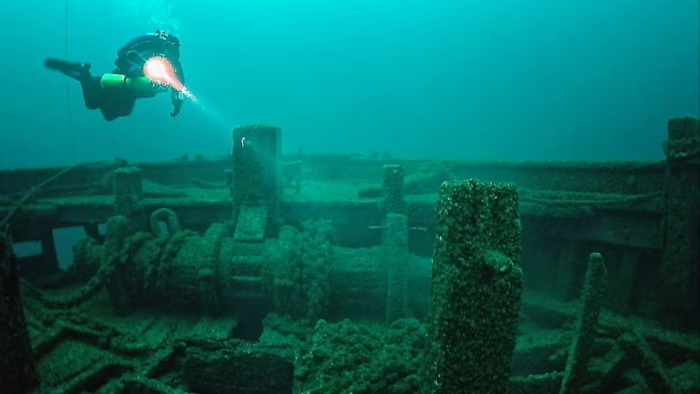
The Great Lakes, despite their calm appearance, are dangerous waters with over 6,000 shipwrecks, now increasingly being discovered due to better technology and the invasive quagga mussel, which makes wrecks more visible but also threatens their preservation. These wrecks serve as underwater museums, revealing stories of maritime history, immigrant journeys, and industrial past, with many still undiscovered.
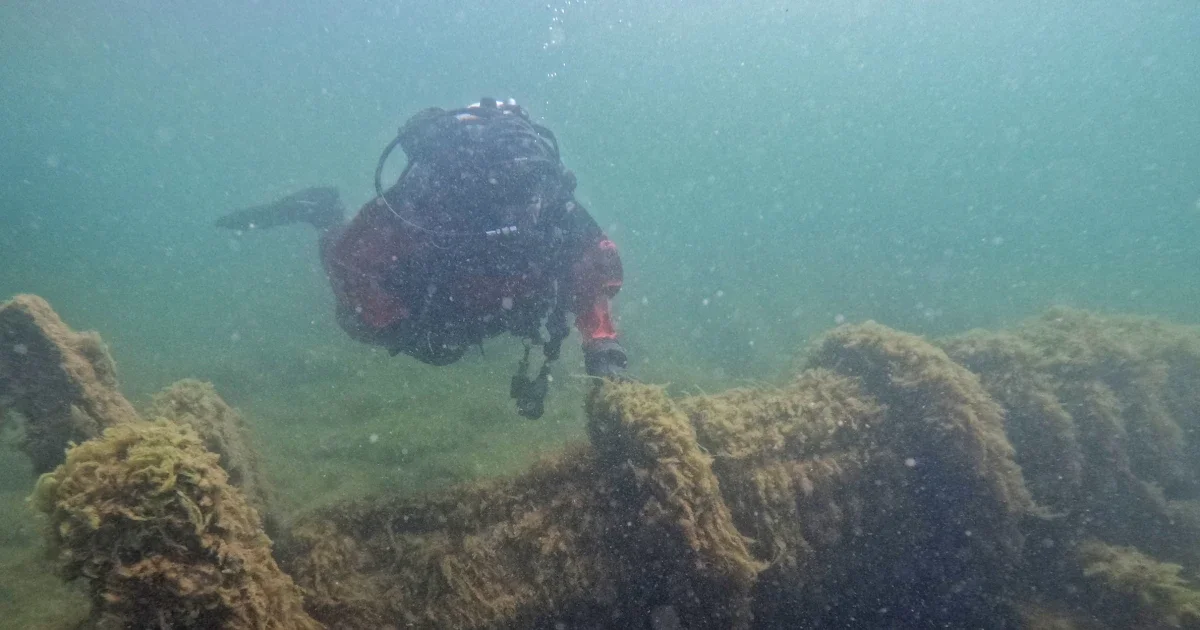
A Wisconsin boater discovered the long-lost 1867 shipwreck of the Frank D. Barker in Lake Michigan, which had been stranded on Spider Island after running aground in 1887. The shipwreck, largely intact despite weathering, was confirmed through archaeological efforts, marking a significant historical find after 138 years. The discovery was personally meaningful for the boater, who shared the experience with his son.
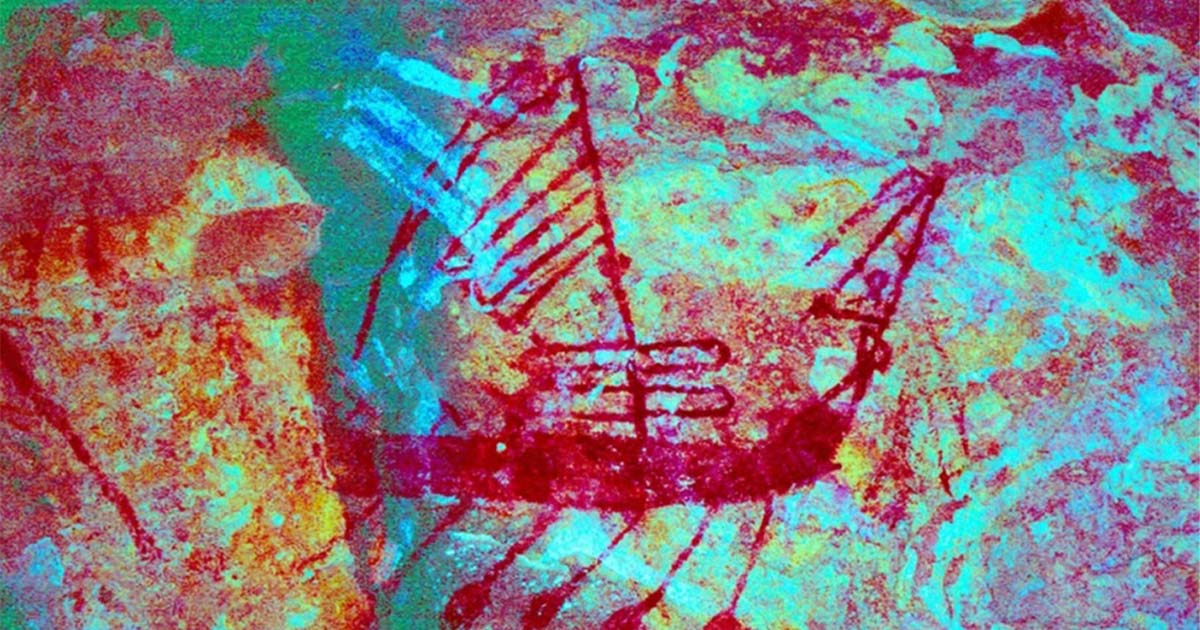
Archaeologists from Flinders University in Adelaide have identified two Indonesian Moluccan warships depicted in indigenous rock art found in a small cave in Arnhem Land in the Northern Territories of Australia. The ships bear a striking resemblance to vessels known to have been built by people living on the Maluku Islands of eastern Indonesia nearly 300 years ago. The discovery confirms that contacts between Southeast Asian islanders and Northern Australian indigenous people in past centuries were more extensive than previously known. The Moluccan ships were outfitted for warfare, suggesting that some type of invasion may have occurred.
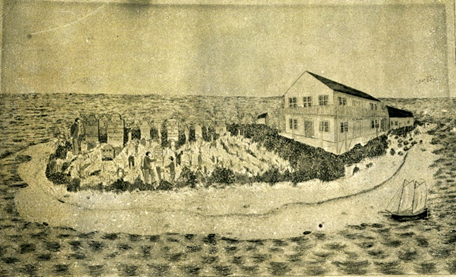
An island submerged off the coast of Florida has been found to contain a Civil War-era cemetery and quarantine hospital. The island was discovered by maritime archaeologist Joshua Marano in 2016, and a recent survey revealed intact grave markers, including one for John Greer, a laborer at Fort Jefferson who died in 1861. The archaeologists plan to leave the site undisturbed and undisclosed to protect it under federal law. The discovery highlights the importance of preserving underwater cultural heritage sites, which are at risk from climate change and storms.
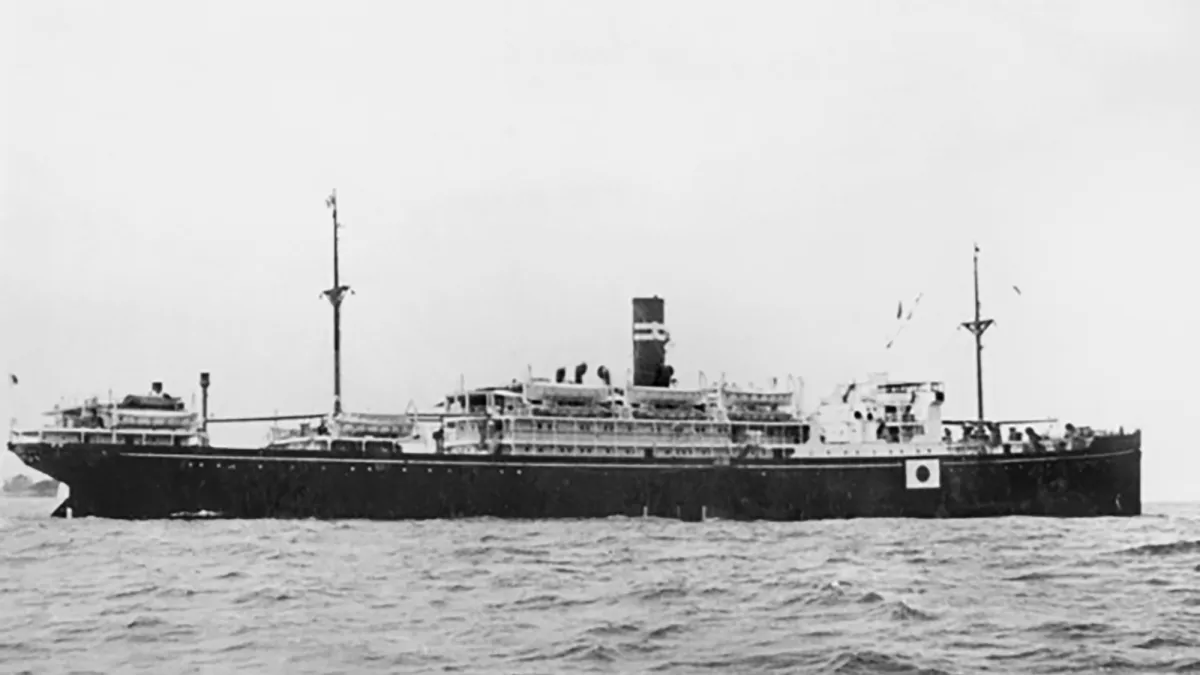
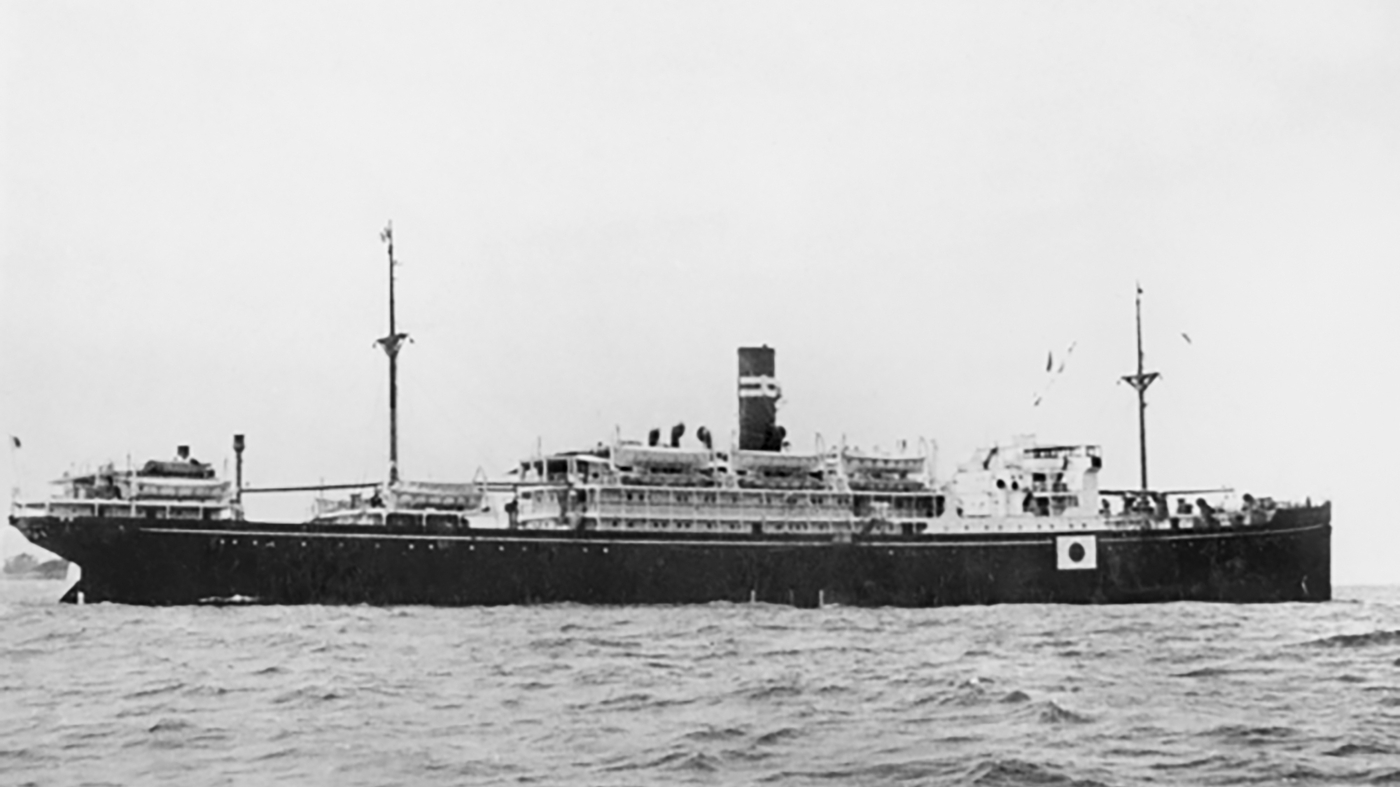
A team of explorers has found the sunken Japanese ship, Montevideo Maru, which was transporting over 1,000 Allied prisoners of war when it was torpedoed off the coast of the Philippines in 1942, resulting in Australia's largest maritime wartime loss. The wreck was located after a 12-day search at a depth of over 4000 meters off Luzon island in the South China Sea. There will be no efforts to remove artifacts or human remains out of respect for the families of those who died.
The Montevideo Maru, a Japanese ship carrying Allied prisoners of war, was found by a team of explorers off the coast of the Philippines. The ship was torpedoed in 1942, resulting in Australia's largest maritime wartime loss with 1,080 lives lost. The wreck was located using an autonomous underwater vehicle with in-built sonar. No efforts will be made to remove artifacts or human remains out of respect for the families of those who died.