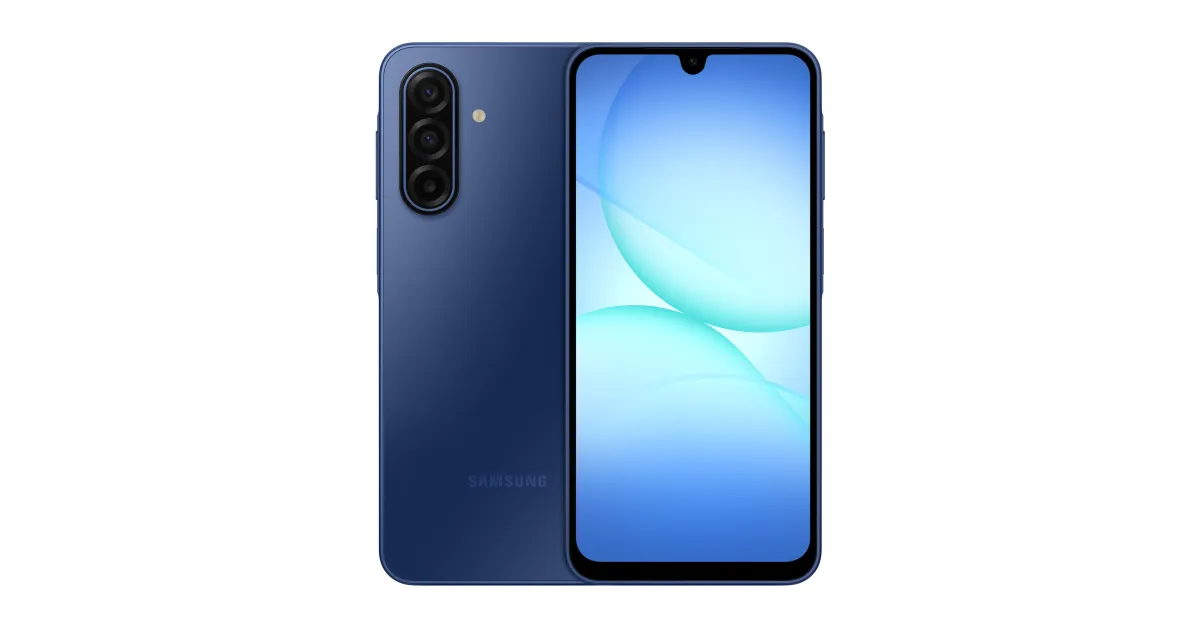
Samsung's new Galaxy A17 5G and Tab A11 Plus showcase significant advancements in Samsung's budget lineup, with the A17 5G offering a 6.7-inch display, a 50MP camera with OIS, and six years of Android updates, while the Tab A11 Plus features a 90Hz display, quad speakers, and up to 8GB RAM, emphasizing value and software enhancements.
Samsung announced the Galaxy A17, a budget Android phone priced at $199 with a 6-year update commitment, launching in the US on January 7. It features a 6.7-inch display, triple cameras, and a 5,000 mAh battery, continuing Samsung's trend of affordable phones with long-term support.
Google is rolling out an update for Pixel phones that introduces notification summaries for chat conversations, along with expanded scam detection across messaging and calls, and new AI photo remixing features, primarily for Pixel 6 and newer devices, enhancing user experience and security.
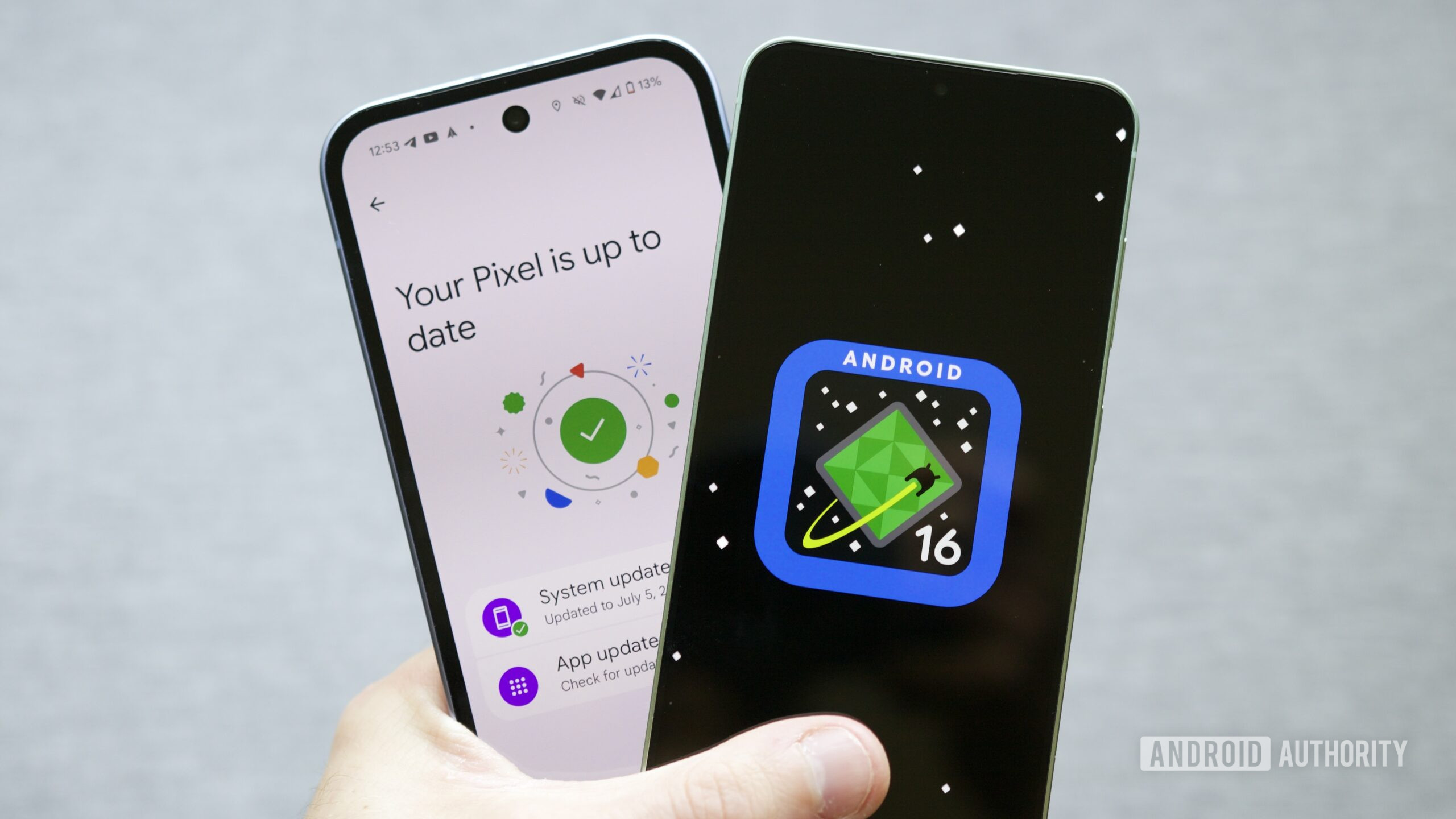
Google has released Android 16 QPR2 Beta 3 for Pixel devices, bringing significant updates, bug fixes, and stability improvements ahead of its December launch, with support for various Pixel models and the Android Emulator.
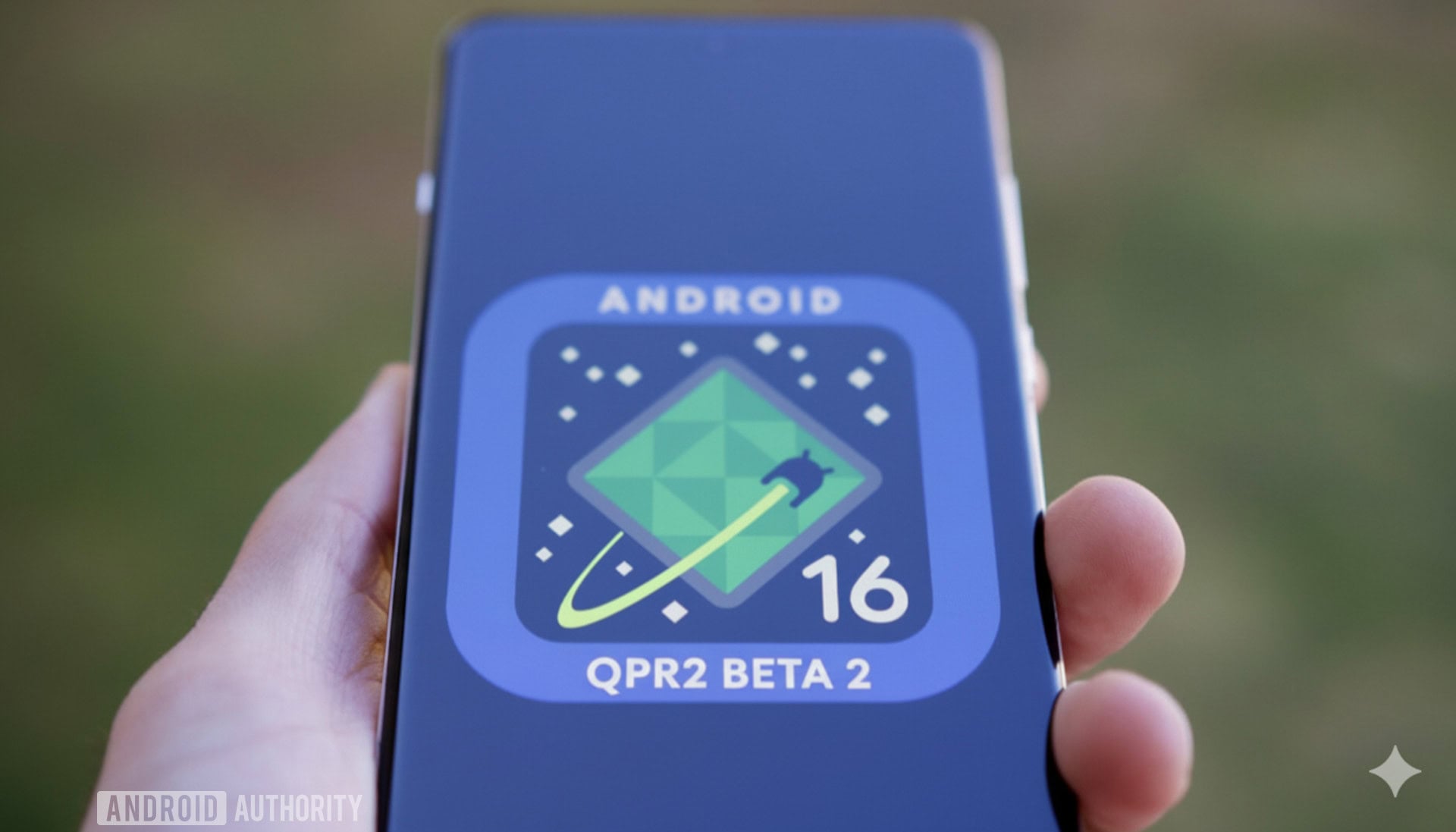
Google is rolling out Android 16 QPR2 Beta 2 to Pixel devices, introducing icon shape customization, new developer APIs, enhanced security features to prevent OTP hijacking, a new garbage collector for better performance, and step tracking support in Health Connect, ahead of the December stable release.
Google is rolling out updates to Android devices, including the widespread availability of Pixel 10's AI-powered writing tools that offer spellcheck and style rephrasing, and a redesigned Quick Share app that functions more like a standalone application with enhanced features. Additionally, new features like browsable Emoji Kitchen stickers and Bluetooth audio sharing with LE Audio devices are being introduced.
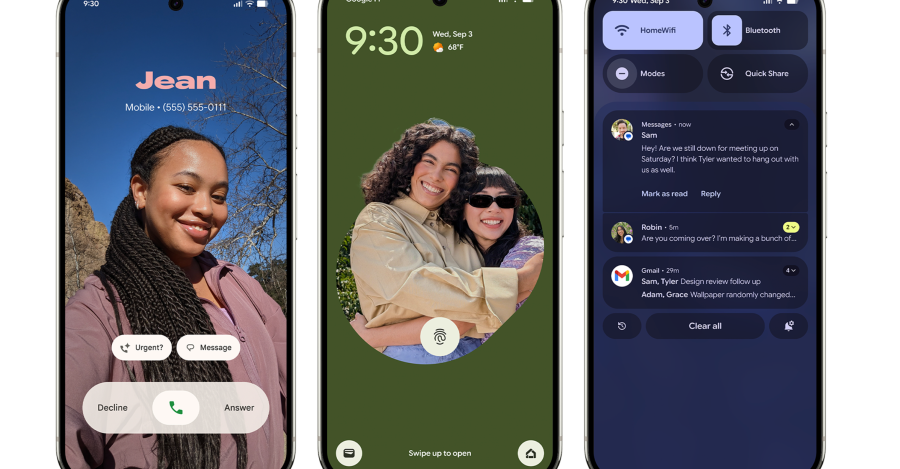
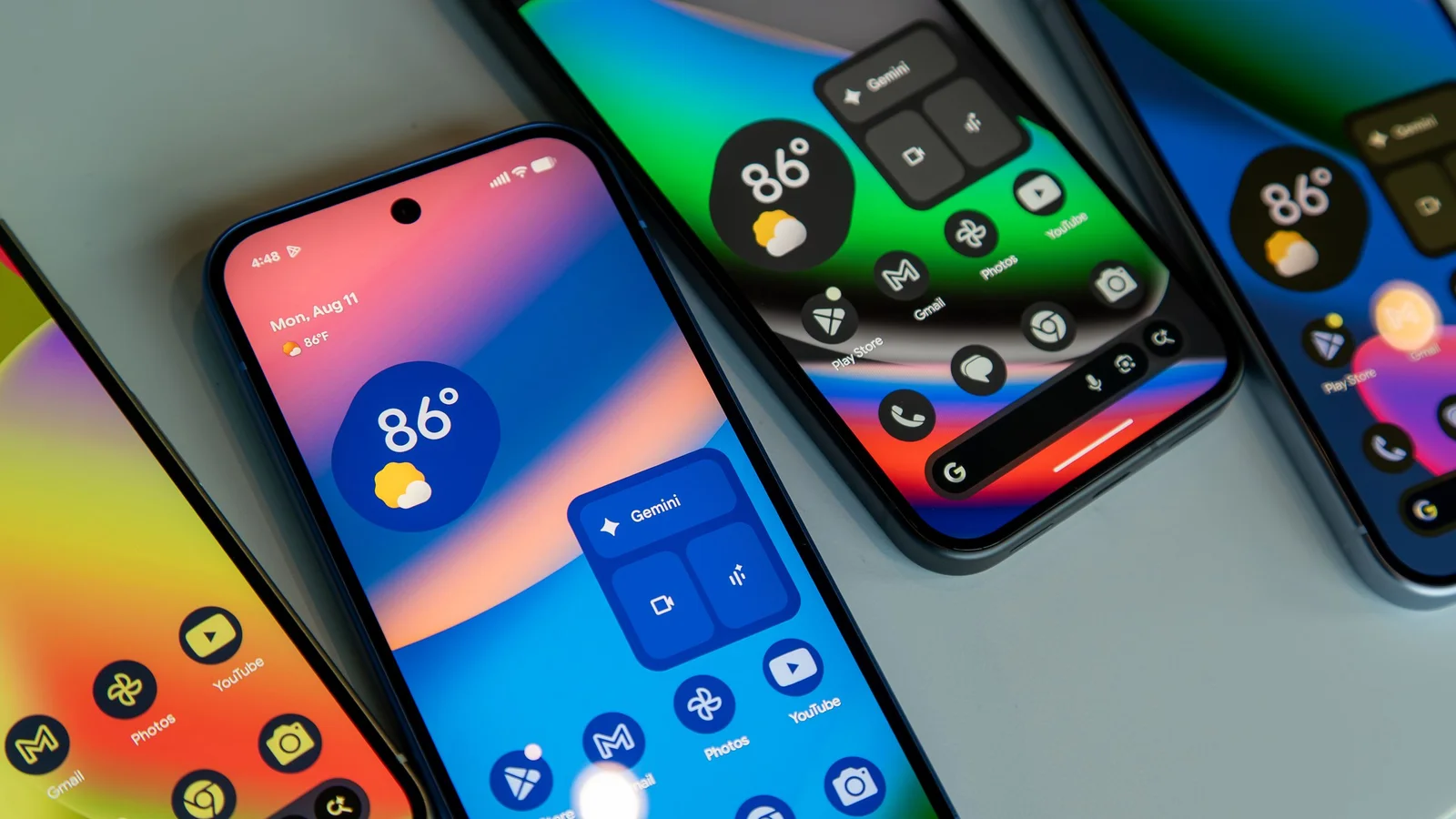
Google is expanding its new Material 3 design language to Pixel 6 and newer devices, along with new features for Pixel Buds Pro 2, updates for Pixel Watch, and broader Android improvements like Bluetooth sharing and AI writing suggestions, with rollout ongoing over the next few weeks.
Google's upcoming Android 16 QPR2 update, expected in December 2025, will introduce new AI capabilities allowing AI agents to control other apps, enhanced parental controls with local supervision, and support for advanced ultra-wideband (UWB) features, expanding device functionality and privacy controls.
Google is rolling out a new Material 3 Expressive design and a gesture-based call answering feature to the Phone app, initially in beta, now increasingly available to more Android users, featuring rounded edges, high contrast, and new interaction options.
Google and Samsung are changing the traditional Android update cycle, with Google releasing more frequent, staggered updates like Android 16 QPR1, and Samsung shifting focus from Android OS updates to One UI X.5 updates, making the significance of Android version upgrades less prominent and emphasizing UI updates instead.
Google's Android 16 release process has become highly confusing due to rapid development, multiple preview stages, and the introduction of Android Canary, a new and unpredictable release track that complicates the timeline for new features, leaving enthusiasts frustrated despite minimal impact on average users.
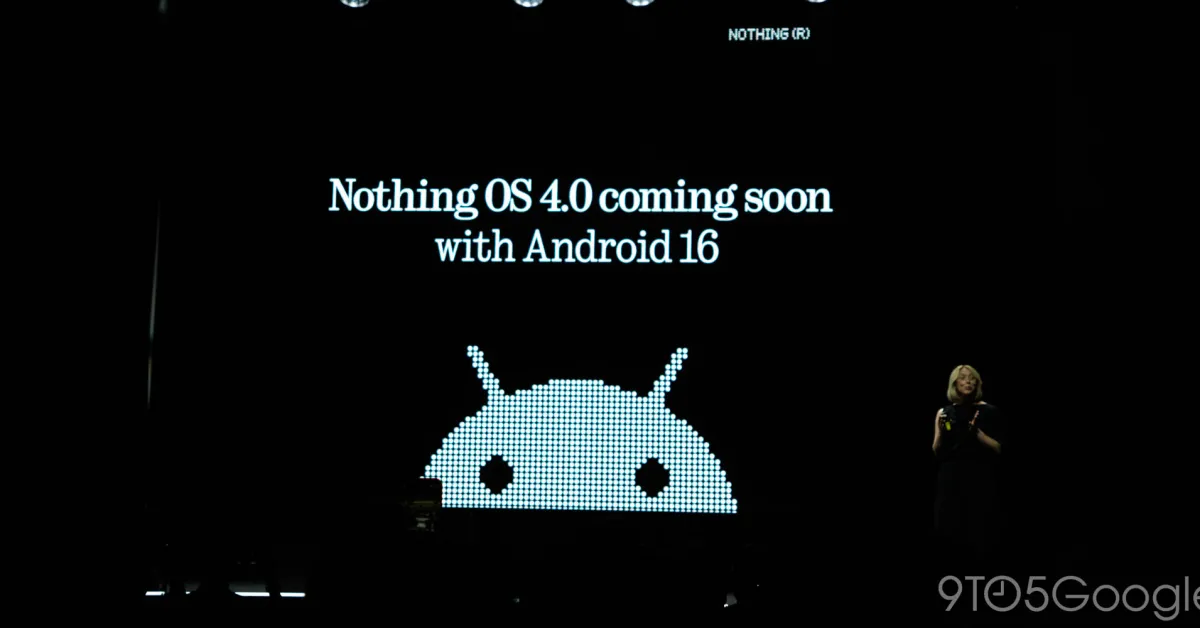
Nothing has confirmed that its Android 16 update, Nothing OS 4.0, will be released before the end of September, marking a faster update cycle than previous versions, and will likely debut alongside the new Nothing Phone (3).
Google released its June 2025 system updates across Android devices, Wear OS, Google TV, Auto, and PC, introducing new features like a Material 3 redesign for Google Wallet, improvements in system management, device connectivity, and app experiences, along with bug fixes and developer tools. Notable updates include a more expressive Wallet interface, new sports content in the Play Store, and enhanced security and privacy features. Some features are rolling out gradually and may take time to reach all users.
Google's Gemini AI will soon be able to access connected apps on Android devices to improve functionality, with a new update on July 7 allowing users to control app access and maintain privacy, even if App Activity is disabled, enhancing user experience and personalization.
The Nothing Phone (3) will receive five years of major Android OS updates and seven years of security updates, making it the longest support timeline for Nothing phones, supported by the Snapdragon 8s Gen 4 chipset, although it still lags behind industry leaders like Samsung in update longevity.