The Cambridge Dictionary has added 6,212 new words, including 'skibidi,' 'delulu,' 'tradwife,' and 'lewk,' reflecting how internet and social media culture are influencing the English language, especially among younger generations and influencers.
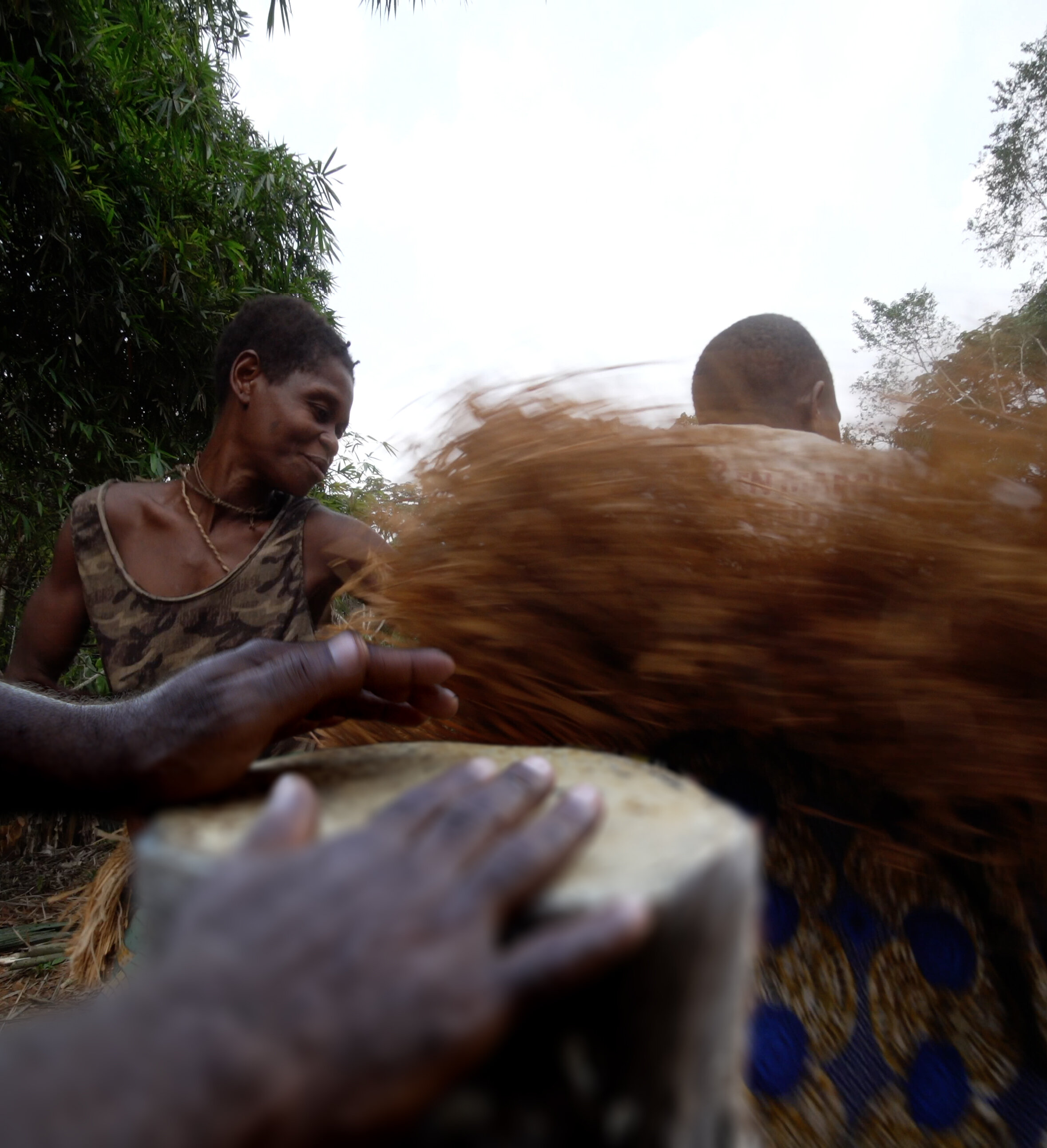
A study by the University of Zurich reveals that Central African hunter-gatherer groups had extensive social networks and cultural exchanges long before the advent of agriculture, preserving ancient cultural diversity. The research, which analyzed genetic data, musical instruments, and specialized vocabulary, shows that these interactions influenced the genetic, linguistic, and cultural traits of these populations, highlighting deep-rooted cultural networking in the region.
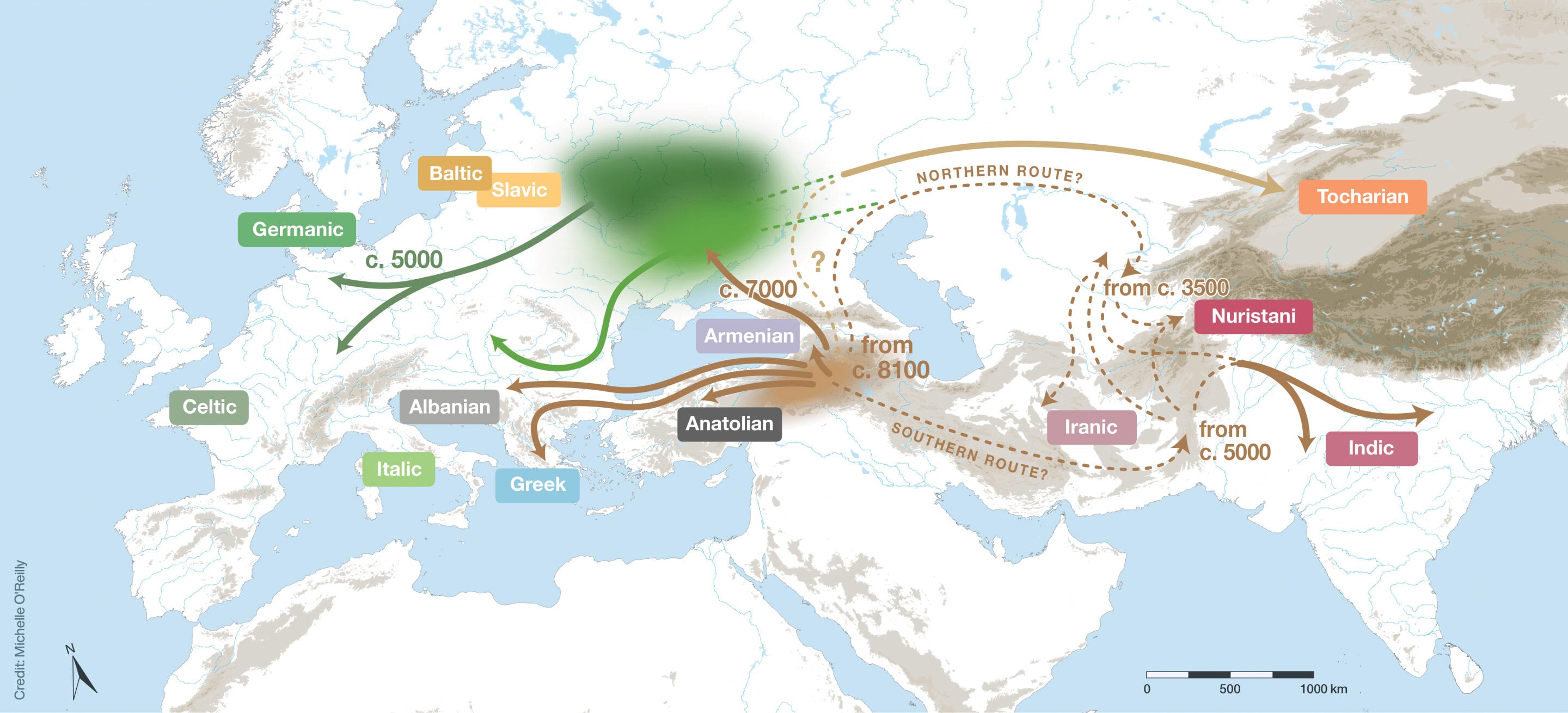
A team of linguists and geneticists from the Max Planck Institute for Evolutionary Anthropology has shed new light on the origins of the Indo-European languages, spoken by nearly half of the world's population. By analyzing a comprehensive dataset of core vocabulary from 161 Indo-European languages, including ancient and historical languages, the researchers estimated the age of the language family to be around 8,100 years old. Their findings suggest a hybrid hypothesis, with an ultimate homeland south of the Caucasus and subsequent migrations to the Pontic-Caspian Steppe and Europe. This new model integrates genetic and linguistic evidence, providing a more plausible explanation for the origin of Indo-European languages.