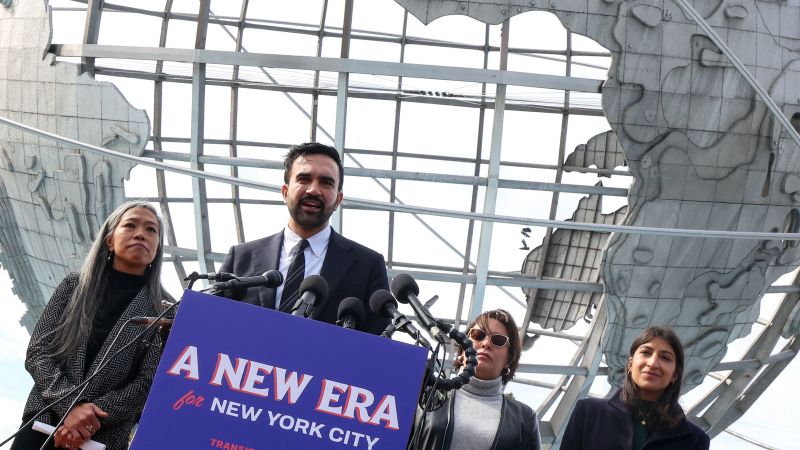
Zohran Mamdani, the mayor-elect of New York City, announced an all-female transition team including former FTC Chair Lina Khan, signaling a focus on progressive policies and anti-oligarchy measures. He emphasized broad outreach for his team, called for renewed donations to fund the transition, and expressed openness to dialogue with President Trump to address city issues.
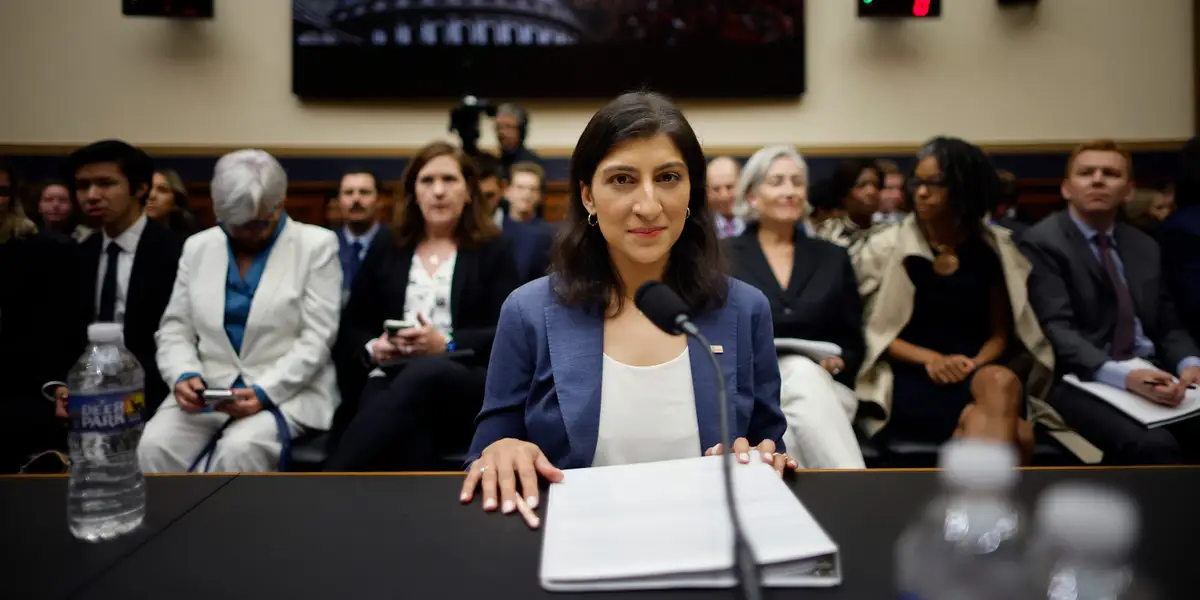
Silicon Valley critics, including venture capitalists, strongly oppose Lina Khan's antitrust enforcement efforts, especially after her role in blocking mergers like Adobe-Figma, because these regulations threaten their primary profit source—mergers and acquisitions—viewed as a safe exit strategy for startups and a lucrative revenue stream for dealmakers. The backlash highlights the tension between regulatory efforts to promote competition and the financial interests of the tech industry and its financiers.
Lina Khan, former FTC chair, celebrates Figma's successful IPO as validation of her approach to scrutinizing tech mergers, highlighting the importance of fostering independent growth over acquisitions, despite some critics attributing Figma's success to its innovation rather than regulatory influence.
Donald Trump has appointed Andrew Ferguson as the new chairman of the Federal Trade Commission, replacing Lina Khan. Ferguson, an FTC commissioner, aims to address what he describes as "big tech's vendetta against competition and free speech." Additionally, Trump nominated antitrust lawyer Mark Meador as a commissioner, securing a Republican majority on the FTC.
The article critiques the Republican Party's claim to populism, highlighting the contradiction between JD Vance's anti-corporate rhetoric and Donald Trump's decision to replace Lina Khan, a prominent antitrust advocate, as FTC chair. Despite some Republicans' support for Khan's efforts against corporate monopolies, Trump's administration is expected to favor big business, undermining genuine populist economic policies. This move exposes the party's continued alignment with corporate interests over consumer protection.
President-elect Donald Trump has chosen Andrew Ferguson to lead the Federal Trade Commission, signaling a shift towards more lenient antitrust enforcement. Ferguson, who was initially nominated by President Biden as a Republican commissioner, aims to reverse current chair Lina Khan's stringent policies on mergers and regulations. His appointment, which does not require Senate confirmation, has raised concerns among current FTC commissioners and antitrust advocates, who fear it may prioritize corporate interests over consumer protection and economic fairness.
President-elect Donald Trump has chosen Andrew Ferguson, a Republican member of the US Federal Trade Commission, to replace Lina Khan as the agency's chair. Trump praised Ferguson for his stance against Big Tech censorship and commitment to free speech, describing him as the most 'America First' and pro-innovation FTC Chair in history.
The U.S. Federal Trade Commission, led by Chair Lina Khan, has launched a broad antitrust investigation into Microsoft's business practices, focusing on its cloud and cybersecurity sectors. This follows Khan's previous attempts to block Microsoft's acquisition of Activision-Blizzard. The investigation is reportedly driven by complaints from competitors like Google and Amazon about Microsoft's Azure platform and its bundling practices. This move comes amid a broader scrutiny of tech monopolies in the U.S., with other giants like Google, Amazon, and Apple also facing antitrust challenges.
The Federal Trade Commission (FTC) has reportedly initiated an antitrust investigation into Microsoft, focusing on potential violations in its cloud, AI, and cybersecurity sectors. The investigation scrutinizes Microsoft's practice of bundling its cloud services with office and security tools. This move comes as FTC Chair Lina Khan may soon depart with the incoming Trump administration, which may alter the current administration's approach to regulating big tech companies.
President-elect Donald Trump is considering several candidates to replace Lina Khan as chair of the Federal Trade Commission, including Gail Slater, an aide to JD Vance, and current FTC commissioner Andrew Ferguson. Khan, known for her aggressive antitrust enforcement, is expected to leave after Trump's inauguration. The shortlist also includes Melissa Holyoak, Mark Meador, and Alex Okuliar. The new chair will oversee significant lawsuits against major tech companies, with the Trump administration likely to adopt a softer stance on mergers than Khan.
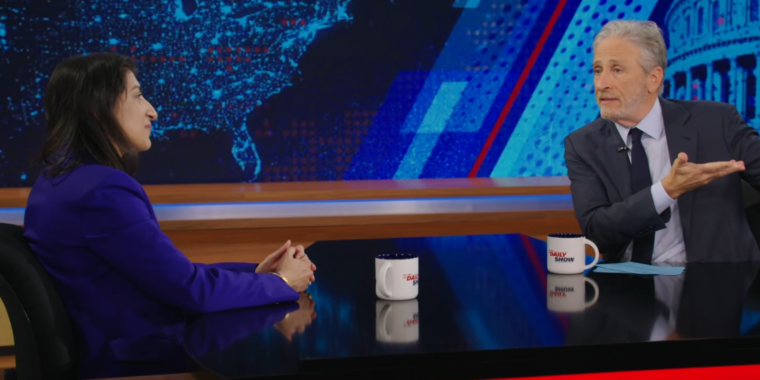
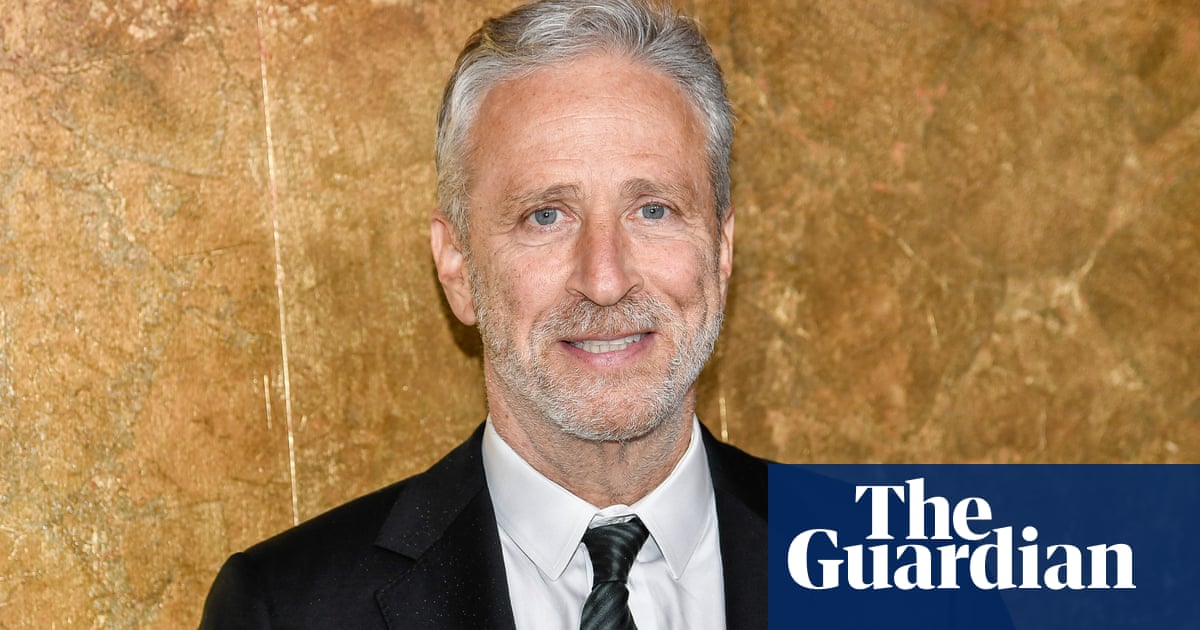
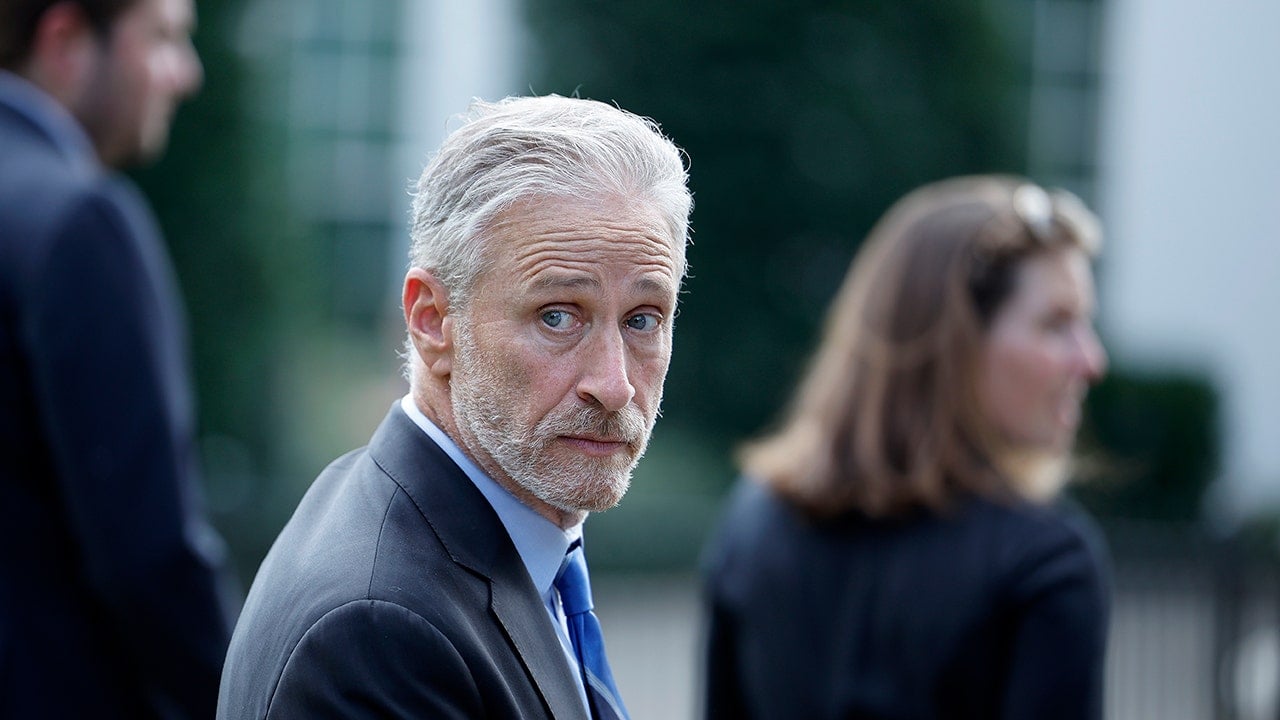
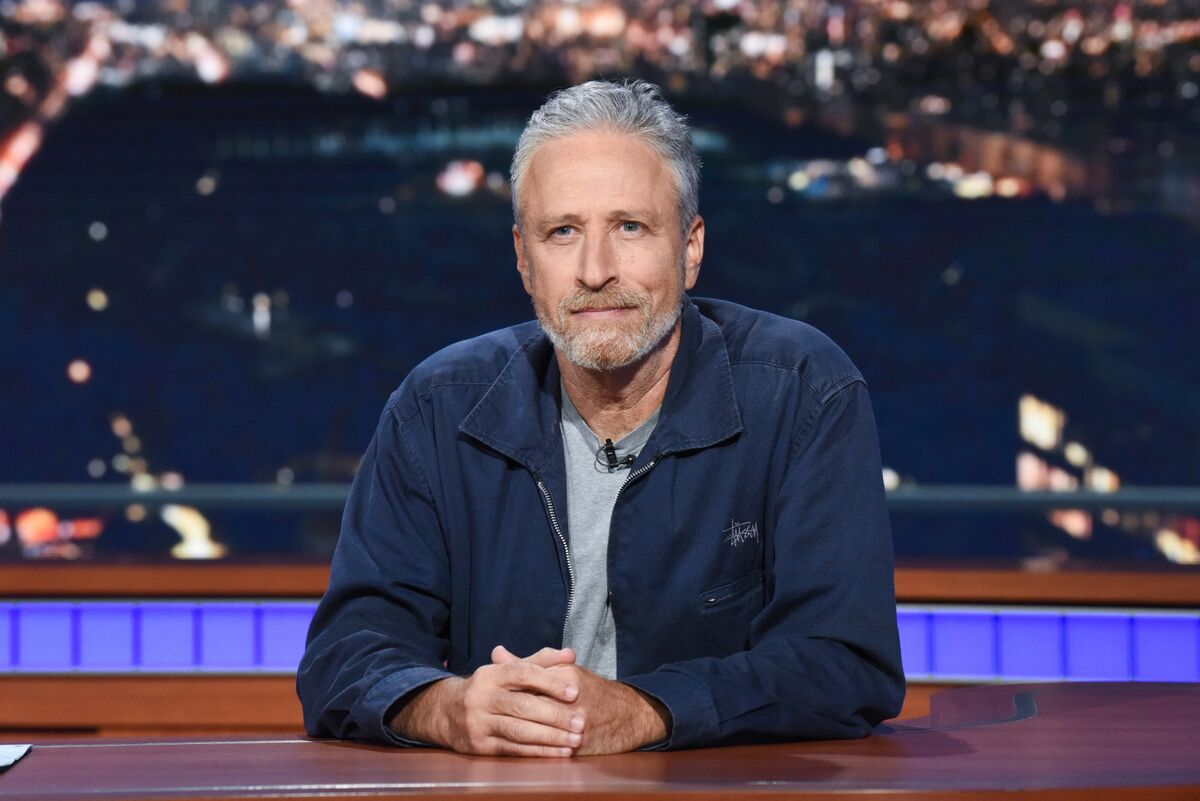
Jon Stewart claims that Apple prohibited him from interviewing FTC Chair Lina Khan and from addressing issues related to artificial intelligence on his show, The Problem with Jon Stewart, which was canceled by Apple TV+. This is not the first time reports of creative differences between Stewart and Apple have surfaced. During an interview with Khan on The Daily Show, Stewart revealed that Apple had asked him not to have her on a podcast. Additionally, Apple reportedly objected to a segment on AI in the show. Khan, known for her critical stance against Big Tech, appeared on the show to discuss the FTC's efforts against corporate monopolies. Apple is expected to introduce generative AI features in its upcoming iOS 18 update.
Jon Stewart accused Apple of preventing him from interviewing FTC chair Lina Khan for his show, citing a sensitivity to discussing certain topics. Khan, who has pursued anti-trust litigation against major tech companies, highlighted the dangers of concentrated power in a small number of companies. The tension between Stewart and Apple over show topics led to the cancellation of the show's third season. While the FTC has not sued Apple, it has targeted other big tech companies, and the US justice department recently filed an anti-trust lawsuit against Apple. During the interview, Stewart praised the FTC's work and asked about pushback from big tech companies, to which Khan noted that monopolies resist enforcement of anti-monopoly laws.
Comedian Jon Stewart revealed that Apple asked him not to interview FTC chair Lina Khan for his podcast attached to the Apple TV+ show "The Problem With Jon Stewart." Stewart claimed that Apple had "creative differences" with him and also took issue with a humorous AI-focused segment he wanted to do for the show. This comes amid Apple's ongoing legal battles, including a lawsuit from the Department of Justice alleging monopolization of smartphone markets, as the tech giant gears up for its Worldwide Developers Conference in mid-June.
Comedian Jon Stewart revealed that Apple asked him not to interview antitrust enforcer Lina Khan, who is now involved in a lawsuit against the tech giant. Stewart mentioned this during an interview with Khan on The Daily Show, stating that Apple specifically requested that he not speak with her.
Jon Stewart revealed that Apple asked him not to interview Lina Khan, chair of the Federal Trade Commission, while he was hosting a show on Apple TV+. This comes amid growing antitrust scrutiny of major tech companies, with Khan and others in the Biden administration spooking Apple. Stewart made light of Apple's attempt to stop the interview, joking about the company's concerns. Khan emphasized the importance of antitrust laws in safeguarding against concentration of economic power. Apple has not responded to Stewart's claims.