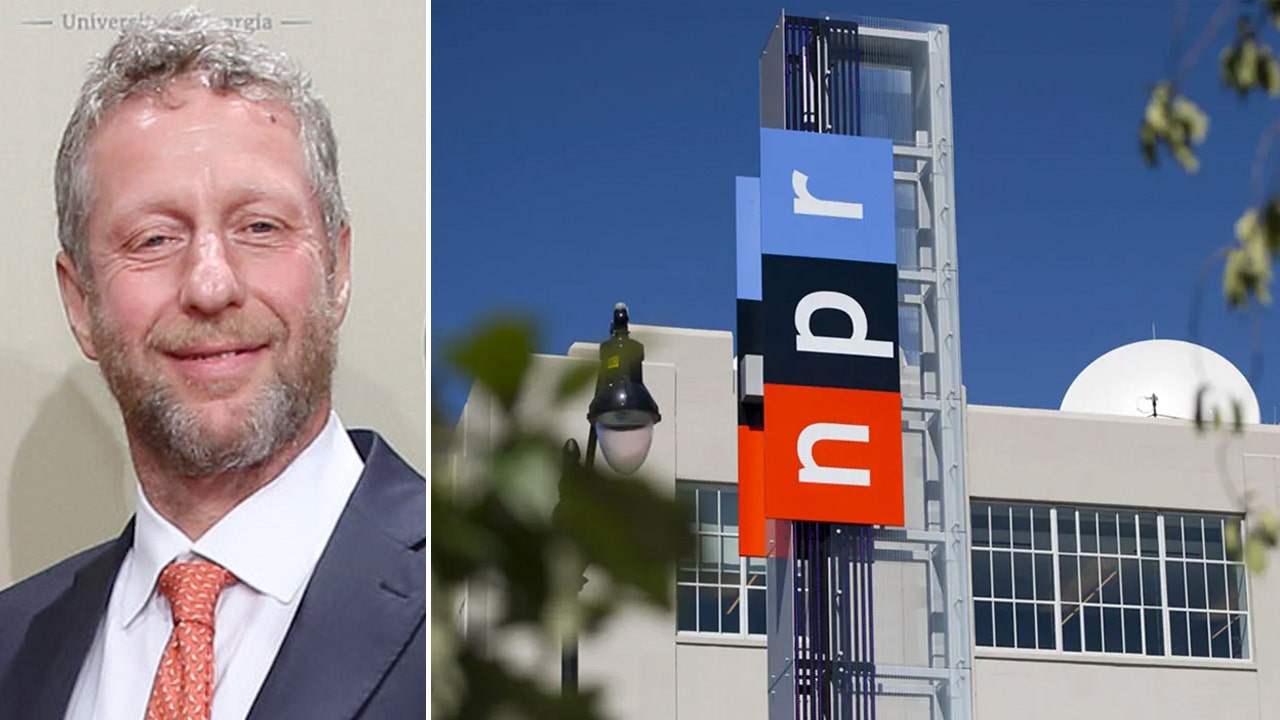
An NPR editor, Uri Berliner, who accused the organization of liberal bias and a lack of viewpoint diversity has resigned after being suspended without pay. In his resignation letter, Berliner cited his inability to work in a newsroom where he felt disparaged by the new CEO and where he believed there was a lack of open-mindedness. His accusations stemmed from an essay he wrote for Free Press, in which he criticized NPR for embracing a narrow worldview and losing touch with a diverse audience. NPR's chief content officer disagreed with Berliner's views, emphasizing the importance of inclusion in their coverage. Berliner's suspension was also attributed to not receiving approval for outside work, as required for NPR journalists.
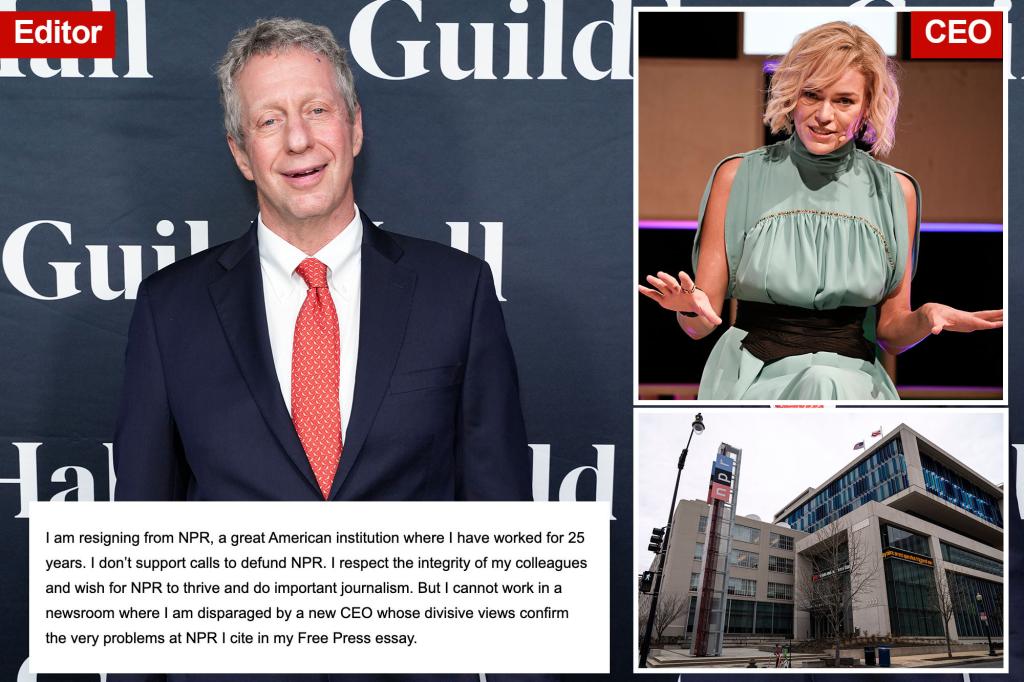
NPR editor Uri Berliner resigned after criticizing the network's left-wing bias and CEO Katherine Maher's controversial social media posts. Berliner's essay highlighted the lack of political diversity among NPR's editorial staff and accused the network of ignoring stories like the Hunter Biden laptop scandal to avoid helping Donald Trump's re-election. He also criticized NPR's focus on race and identity in the workplace. Berliner's resignation comes amid calls to strip NPR of government funding and a growing controversy over the network's alleged liberal bias.
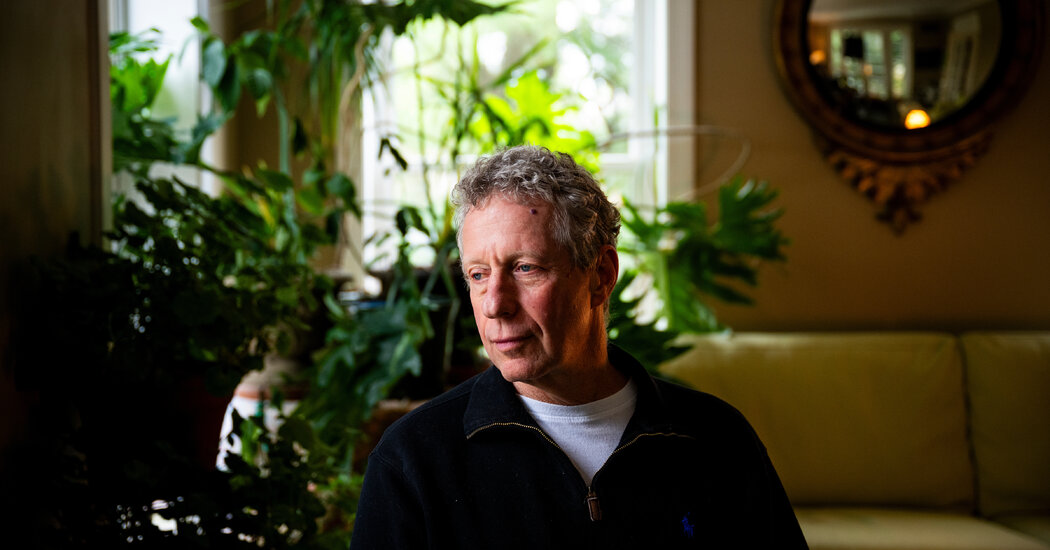
Uri Berliner, an NPR editor of 25 years, has resigned after accusing the broadcaster of liberal bias in an online essay, citing criticism from the network’s chief executive, Katherine Maher, as the reason for his departure. Berliner expressed his love for NPR and respect for his colleagues in his resignation letter, but stated that he could not work in a newsroom where he felt disparaged. His essay sparked controversy within NPR, leading to his resignation and making him a pariah within the network.
Longtime NPR editor Uri Berliner has resigned after being suspended for criticizing liberal bias at the organization and expressing his inability to work in a newsroom where he feels disparaged by the new CEO, Katherine Maher, whose far-left personal views he finds divisive. Berliner's whistleblowing essay cited NPR's coverage of Russiagate, the COVID lab leak theory, Hunter Biden's laptop scandal, and systemic racism, as well as an alleged disparity between Democrats and Republicans in the NPR newsroom. NPR has stood by Maher, and Berliner's resignation comes after a media firestorm sparked by his criticism.
NPR has suspended senior business editor Uri Berliner for five days after he published an essay criticizing the network's liberal bias without obtaining permission. The essay, which was published in The Free Press, sparked controversy within NPR, with employees expressing distrust towards Berliner. The incident has also brought renewed scrutiny to NPR's new chief executive, Katherine Maher, as conservative activists resurfaced her old social media posts criticizing former President Donald J. Trump and embracing progressive causes.
NPR has suspended senior business editor Uri Berliner for penning an essay criticizing the network's alleged left-wing bias, prompting right-wing backlash and calls to defund the public radio network. Berliner's suspension came after he openly ridiculed NPR's news coverage and claimed the broadcaster had lost "viewpoint diversity." NPR's editor-in-chief and other staffers rejected Berliner's assessment, while Republicans and right-wing media accused the network of liberal bias and called for defunding. Berliner, however, rejected the notion of defunding NPR and distanced himself from Trump's comments, while NPR's chief executive faced criticism over old tweets skewering Trump.
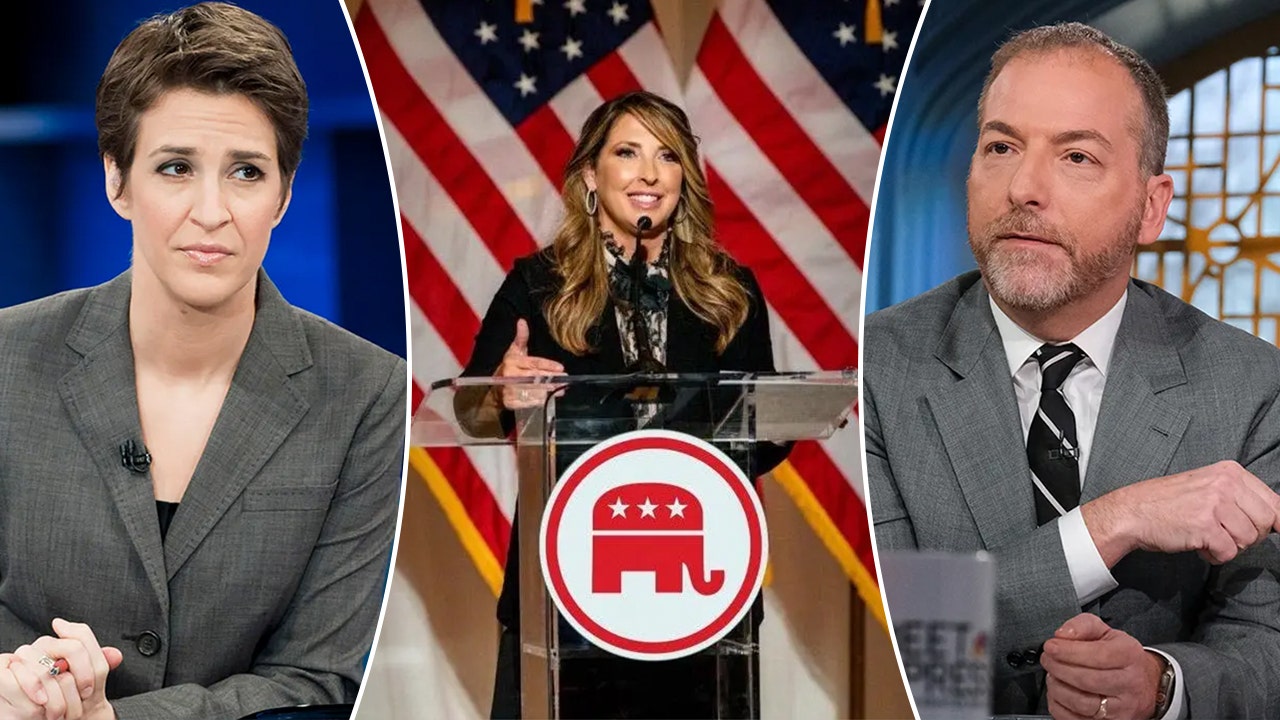
NBC News hired and swiftly fired former RNC chair Ronna McDaniel as a political analyst, sparking backlash from liberal stars like Rachel Maddow and Chuck Todd, who claimed the objections were not political but about credibility. Critics pointed out MSNBC's lack of outrage over hiring former Biden-Harris officials and highlighted the network's predominantly left-leaning contributors. The incident underscores the network's perceived liberal bias and raises questions about its commitment to ideological diversity and journalistic integrity.
A study conducted by researchers at the University of East Anglia reveals that OpenAI's ChatGPT, an artificial intelligence language model, exhibits a significant and systematic liberal bias in its responses. The researchers found that ChatGPT showed a preference for the Democrats in the U.S., Lula in Brazil, and the Labour Party in the U.K. This highlights the challenge faced by AI companies in controlling the behavior of their bots as they are deployed to millions of users worldwide.
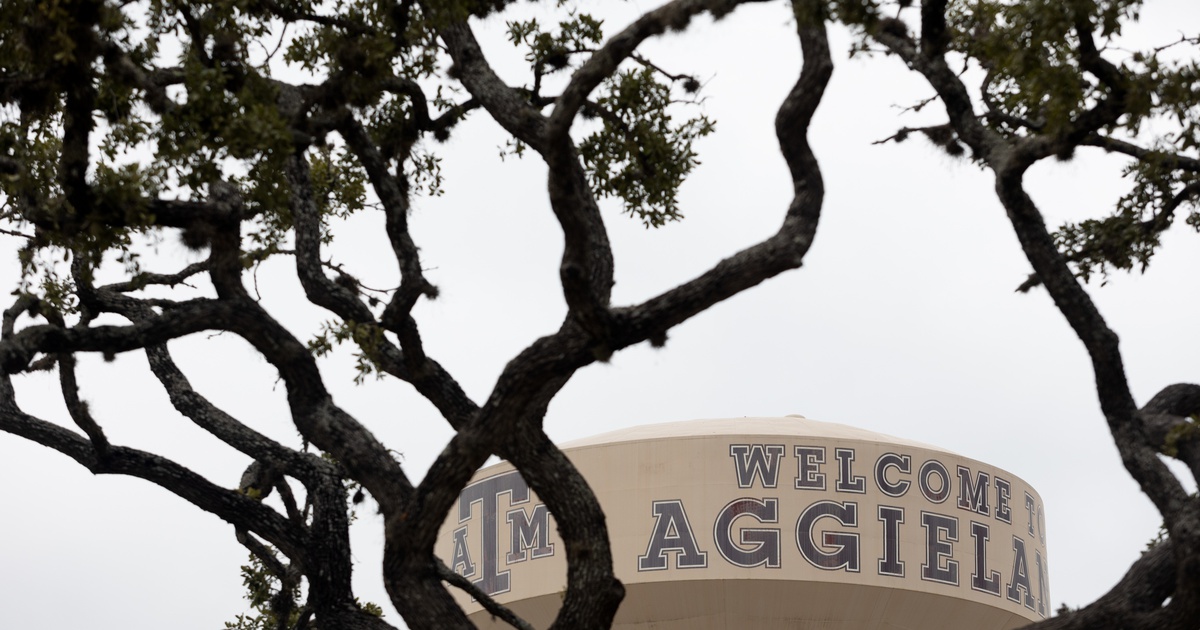
Text messages released by the Texas A&M University System reveal that some leaders had a desire to counteract what they perceived as a liberal agenda in higher education. The messages showed concerns about hiring a journalism professor with left-leaning credentials and a resistance to recruiting someone who might work counter to conservative goals. This reflects a broader movement among Texas conservatives to combat what they view as a liberal bias in public universities. The internal investigation into the failed attempt to hire the professor has raised concerns about political considerations impacting academic freedom and university operations.
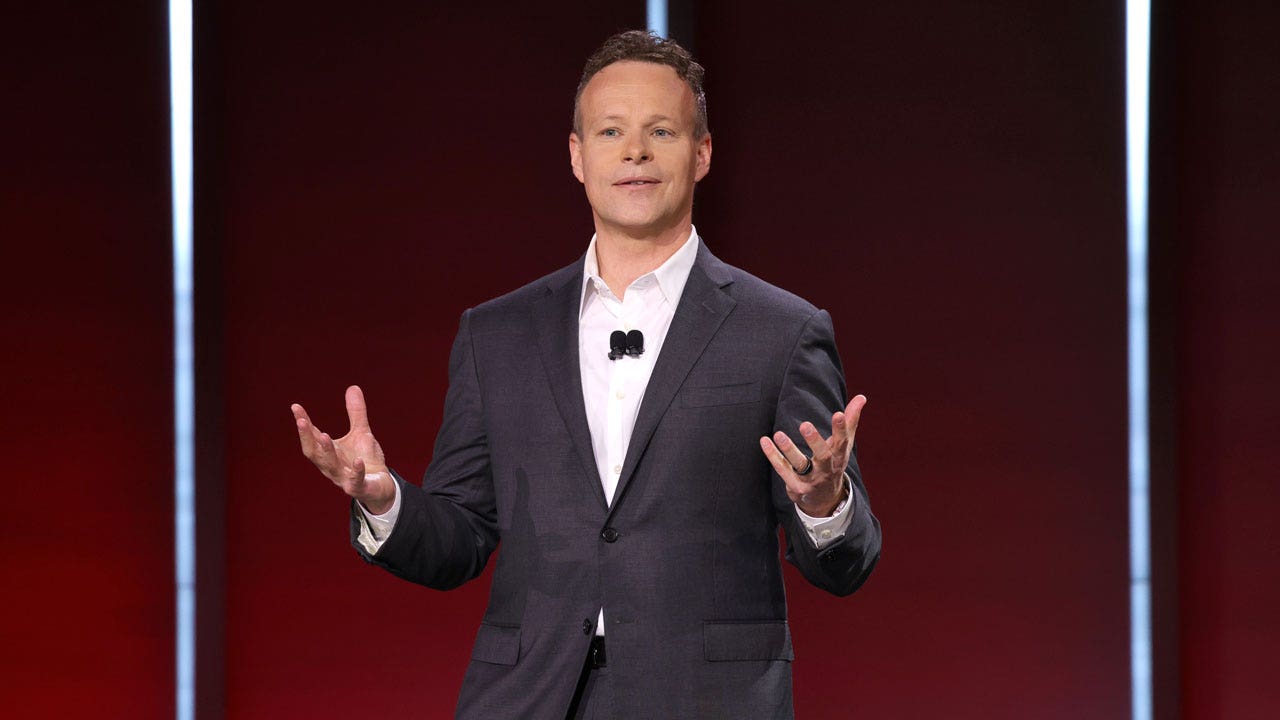
Chris Licht, former CEO of CNN, was fired after losing the support of the network's liberal employees who preferred the more partisan strategy of his predecessor, Jeff Zucker. Licht aimed to dial back the left-leaning opinion programming and alienated some of the network's well-known liberal anchors and reporters. However, his efforts to make the network less biased were met with resistance from the newsroom culture. Licht's departure was inevitable after he offered former President Trump a chance to appear in a CNN town hall, which was publicly criticized by CNN reporters.