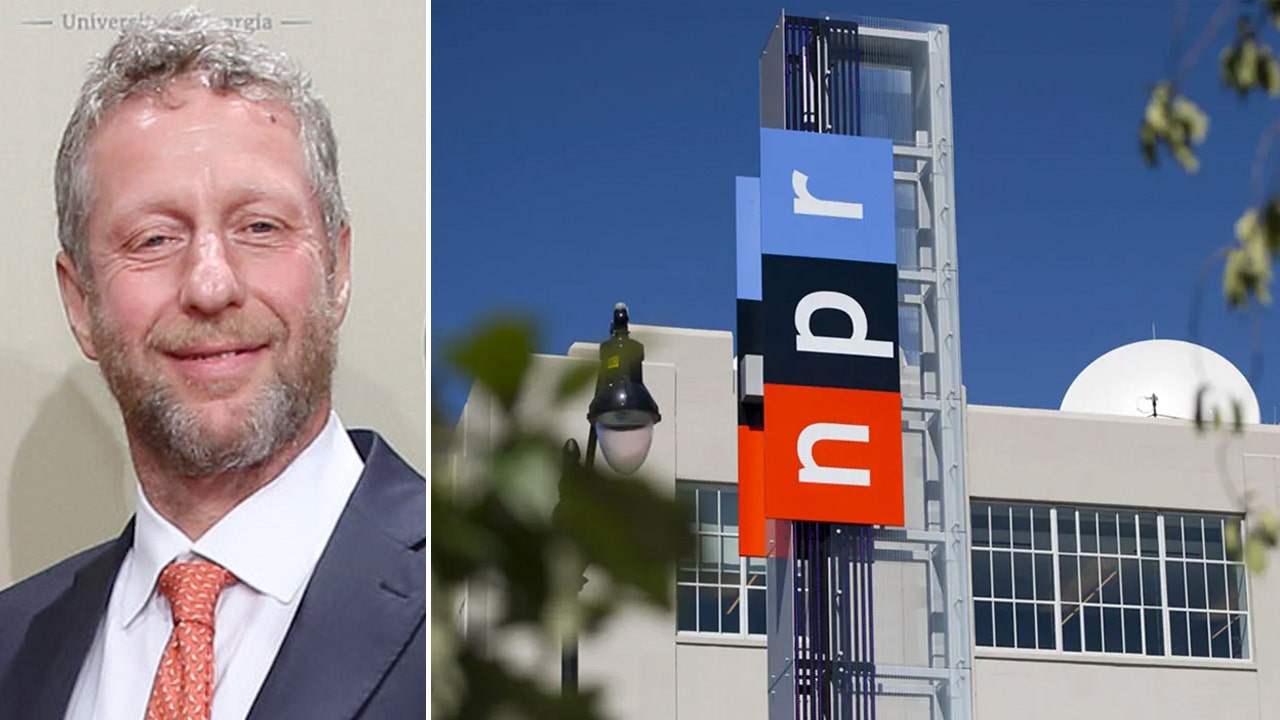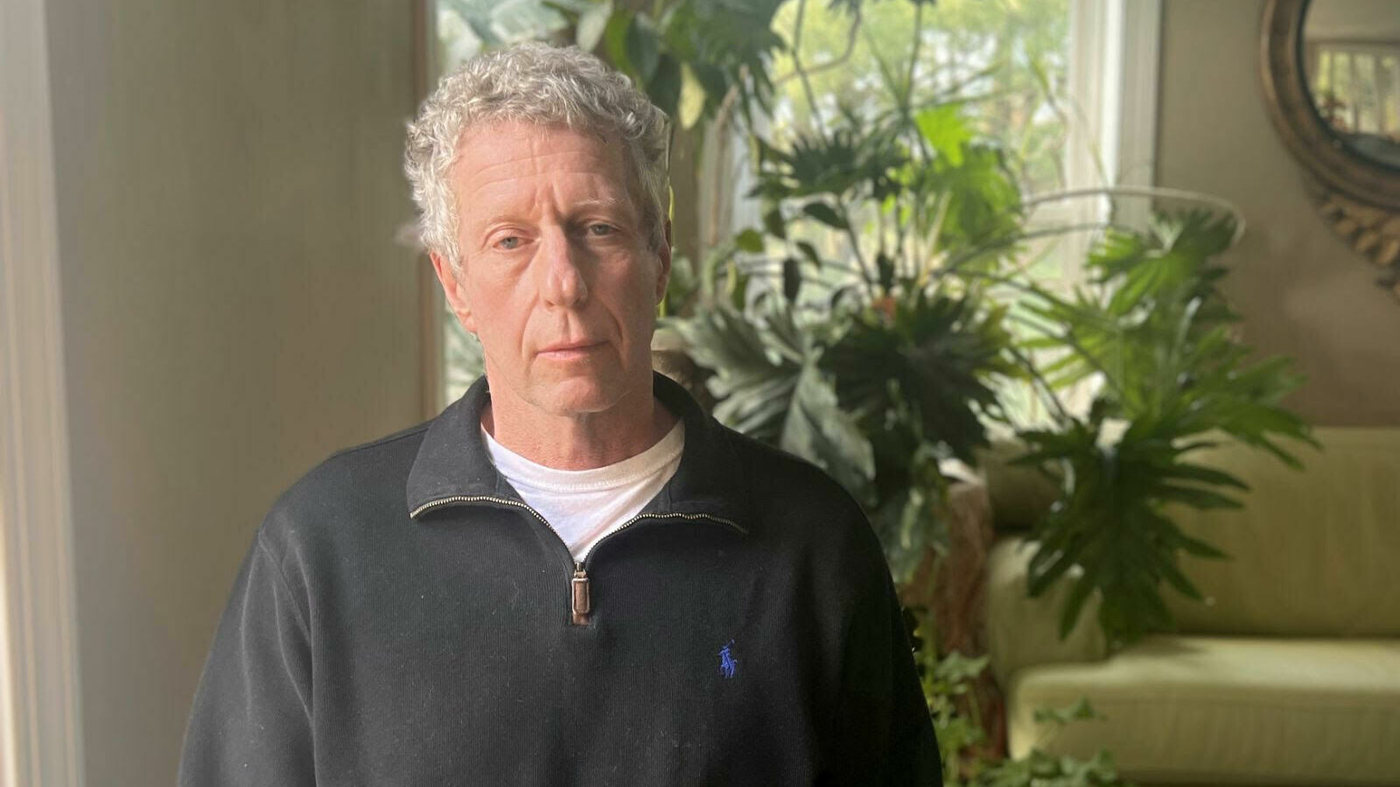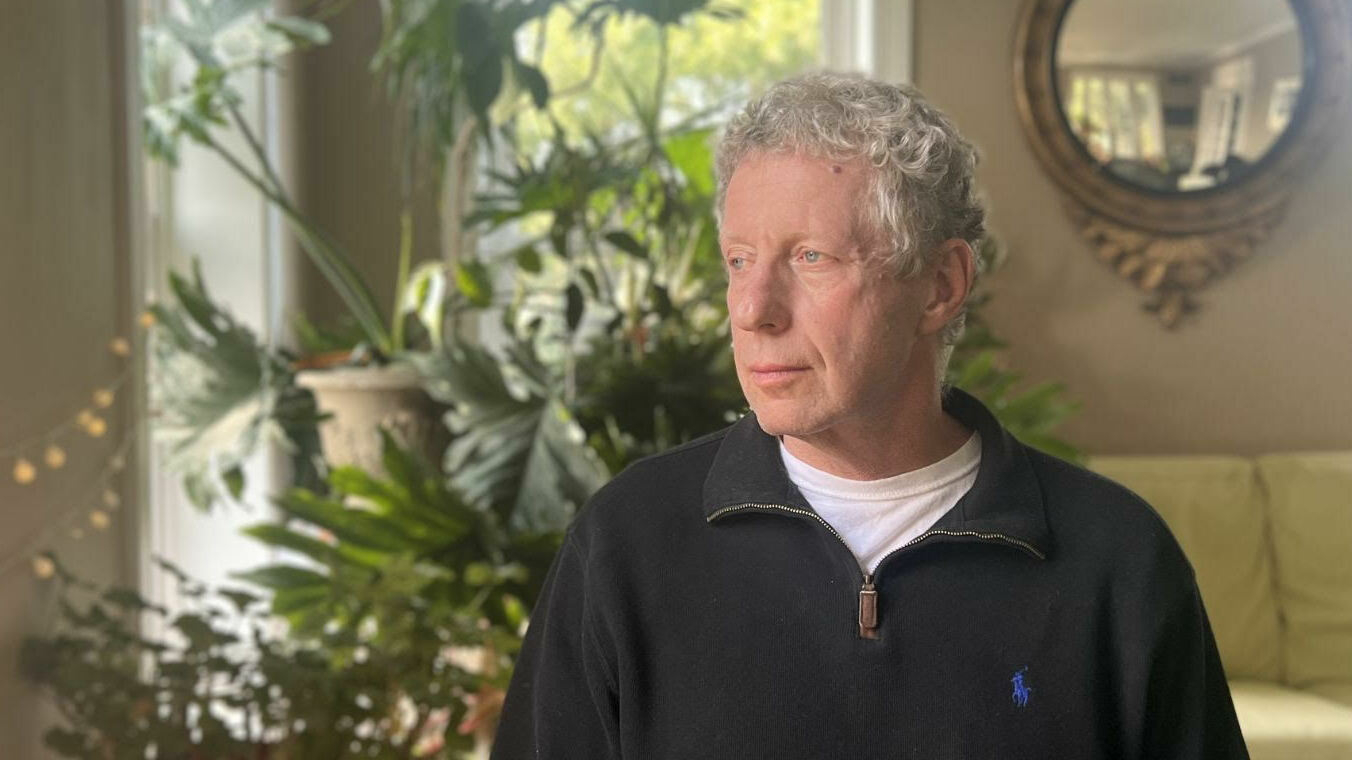
NPR senior business editor Uri Berliner resigned, citing the response of the network's CEO to his criticism of NPR's coverage. In his resignation letter, Berliner expressed his inability to work under the new CEO Katherine Maher, who he accused of holding divisive views. His critique has sparked debate within NPR, with some colleagues expressing anger and dismay, while others acknowledging the need for healthy discussion and diversity of viewpoints in the network's coverage.
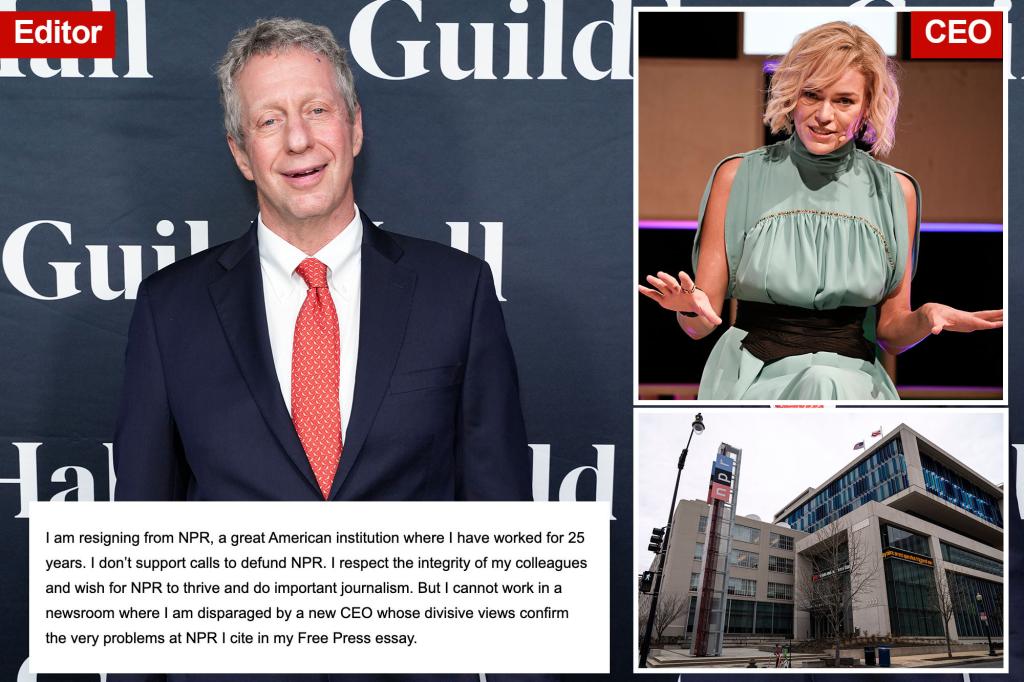
NPR editor Uri Berliner resigned after criticizing the network's left-wing bias and CEO Katherine Maher's controversial social media posts. Berliner's essay highlighted the lack of political diversity among NPR's editorial staff and accused the network of ignoring stories like the Hunter Biden laptop scandal to avoid helping Donald Trump's re-election. He also criticized NPR's focus on race and identity in the workplace. Berliner's resignation comes amid calls to strip NPR of government funding and a growing controversy over the network's alleged liberal bias.
Uri Berliner, an NPR editor of 25 years, has resigned after accusing the broadcaster of liberal bias in an online essay, citing criticism from the network’s chief executive, Katherine Maher, as the reason for his departure. Berliner expressed his love for NPR and respect for his colleagues in his resignation letter, but stated that he could not work in a newsroom where he felt disparaged. His essay sparked controversy within NPR, leading to his resignation and making him a pariah within the network.
Longtime NPR editor Uri Berliner has resigned after being suspended for criticizing liberal bias at the organization and expressing his inability to work in a newsroom where he feels disparaged by the new CEO, Katherine Maher, whose far-left personal views he finds divisive. Berliner's whistleblowing essay cited NPR's coverage of Russiagate, the COVID lab leak theory, Hunter Biden's laptop scandal, and systemic racism, as well as an alleged disparity between Democrats and Republicans in the NPR newsroom. NPR has stood by Maher, and Berliner's resignation comes after a media firestorm sparked by his criticism.
NPR suspended senior editor Uri Berliner for publicly criticizing the network's news coverage, leading to internal turmoil and conservative criticism. The network's new CEO, Katherine Maher, faces scrutiny for past social media posts, while Berliner's suspension and public remarks have sparked anger and betrayal within NPR. The network is now grappling with questions over news judgment and confidentiality, with monthly meetings announced to review coverage.
Katherine Maher, former chief executive of the Wikimedia Foundation, has been named the next chief executive of NPR, bringing her extensive nonprofit experience to lead the organization during a critical period of declining traditional radio listenership and financial challenges. Maher's background in supporting reliable and accessible information aligns with NPR's need to reach audiences on new and existing platforms, as the network aims to reinvent and reimagine itself in step with an ever-changing world.
Katherine Maher, former Wikimedia Foundation chief, has been chosen as NPR's new CEO to navigate declining listenership, financial uncertainty, and technological changes. Maher aims to uphold NPR's mission of serving the public independently and plans to expand its loyal listener base. With a background in tech and international affairs, Maher brings a fresh perspective to NPR's leadership, emphasizing the importance of integrity and autonomy. She faces the challenge of addressing financial setbacks and declining audiences while seeking to build on NPR's recent achievements under outgoing CEO John Lansing.
Katherine Maher, former CEO of the Wikimedia Foundation, has been selected as the next president and CEO of NPR, starting her term on March 25th. Maher is known for her leadership in driving growth and impact at Wikimedia, and she brings extensive experience in technology, information, and media to her new role. She succeeds John Lansing, who led NPR through the COVID-19 pandemic and focused on diversifying the newsroom, content, and audiences. NPR aims to continue its mission of creating a more informed public through rigorous reporting and storytelling.