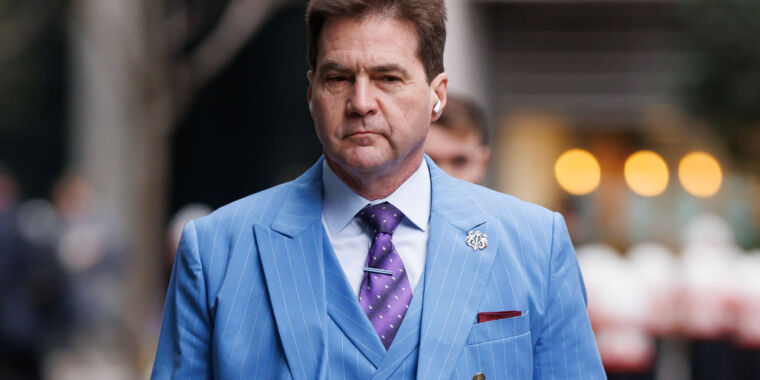
A UK judge has referred Craig Wright, who claims to be Bitcoin's inventor Satoshi Nakamoto, to the Crown Prosecution Service for potential perjury and forgery charges. The judge also issued injunctions preventing Wright from re-litigating his claim and pursuing related lawsuits. Wright's current location is unknown, and the judge criticized his repeated false claims and document forgeries.
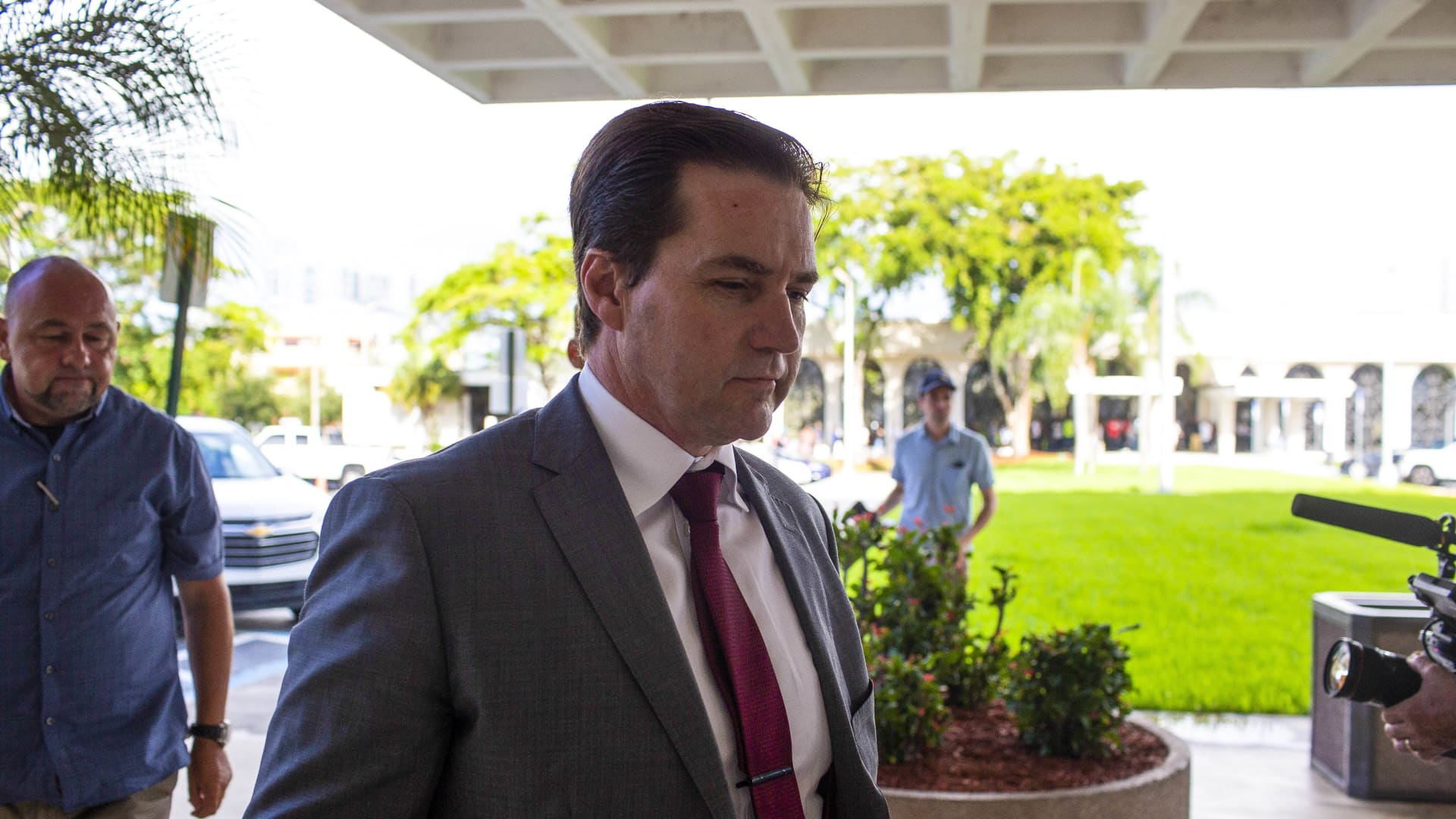
Craig Wright, who claims to be Bitcoin's inventor, has been referred to UK prosecutors for alleged perjury and document forgery. The British High Court found that Wright lied extensively in his attempt to prove he is Satoshi Nakamoto, the creator of Bitcoin. The Crown Prosecution Service will now decide whether to prosecute Wright and possibly issue an arrest warrant.
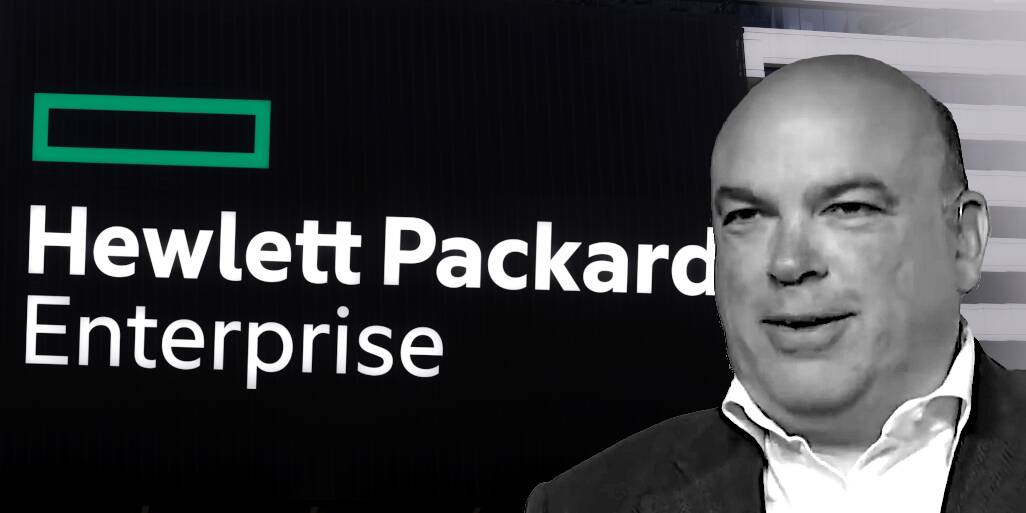
Mike Lynch, founder of Autonomy, and Stephen Chamberlain, former VP of finance, were acquitted of all charges in a US fraud trial related to the 2011 sale of Autonomy to Hewlett-Packard. The federal court jury in San Francisco cleared Lynch of 15 charges, including wire fraud and conspiracy. Lynch, who was extradited from the UK, maintained his innocence, arguing he was being scapegoated for HP's failed acquisition. HP had paid $11 billion for Autonomy but wrote down $8.8 billion within a year, leading to years of legal battles.
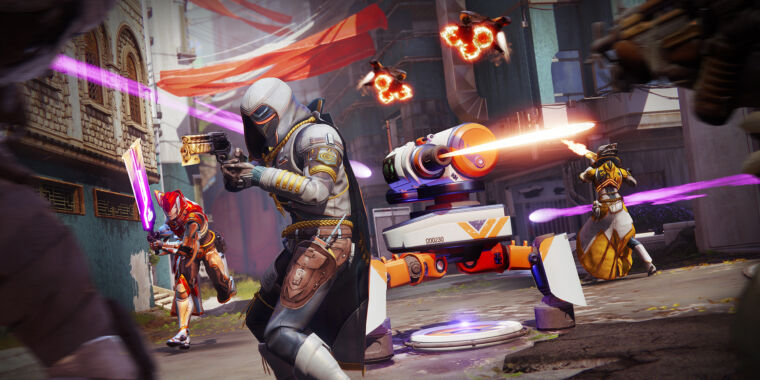
Bungie won a significant lawsuit against cheat-maker AimJunkies, with a federal jury finding the company and its associates liable for copyright infringement and awarding $63,210 in damages. This case sets a potential legal precedent for future game-cheating lawsuits in the US. AimJunkies plans to appeal the verdict, while a separate arbitration ruling has already granted Bungie $4.4 million in damages.
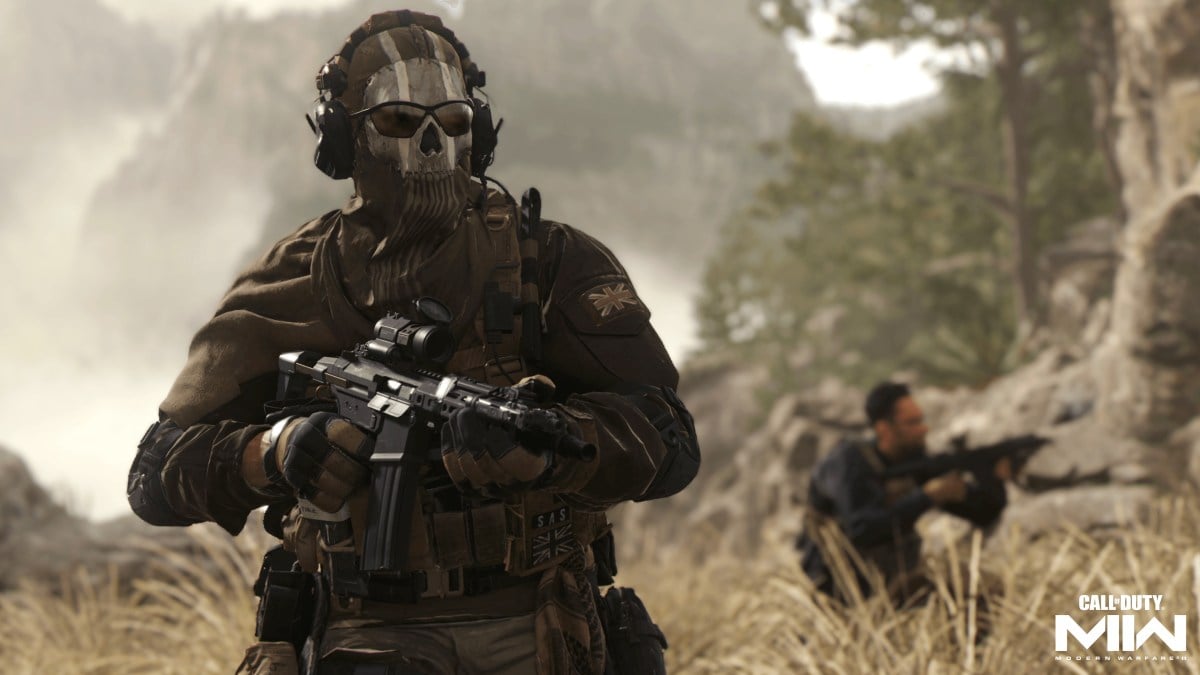
Families of Uvalde shooting victims are suing Activision, Meta, and gun manufacturer Daniel Defense, alleging that Activision's "Call of Duty" games and Meta's Instagram facilitated a culture promoting gun violence. The lawsuit claims these companies collaborated with the firearms industry to target young consumers. Activision denies any causal link between video games and gun violence, citing academic research.
Bungie has won a landmark lawsuit against Destiny 2 cheat sellers AimJunkies/Phoenix Digital, receiving $63,210 in damages. This case, potentially the first of its kind in the US, sets a precedent that game cheats can infringe on copyright, which could influence future legal battles. AimJunkies had counter-sued, alleging unauthorized access to their computer, but the jury sided with Bungie.
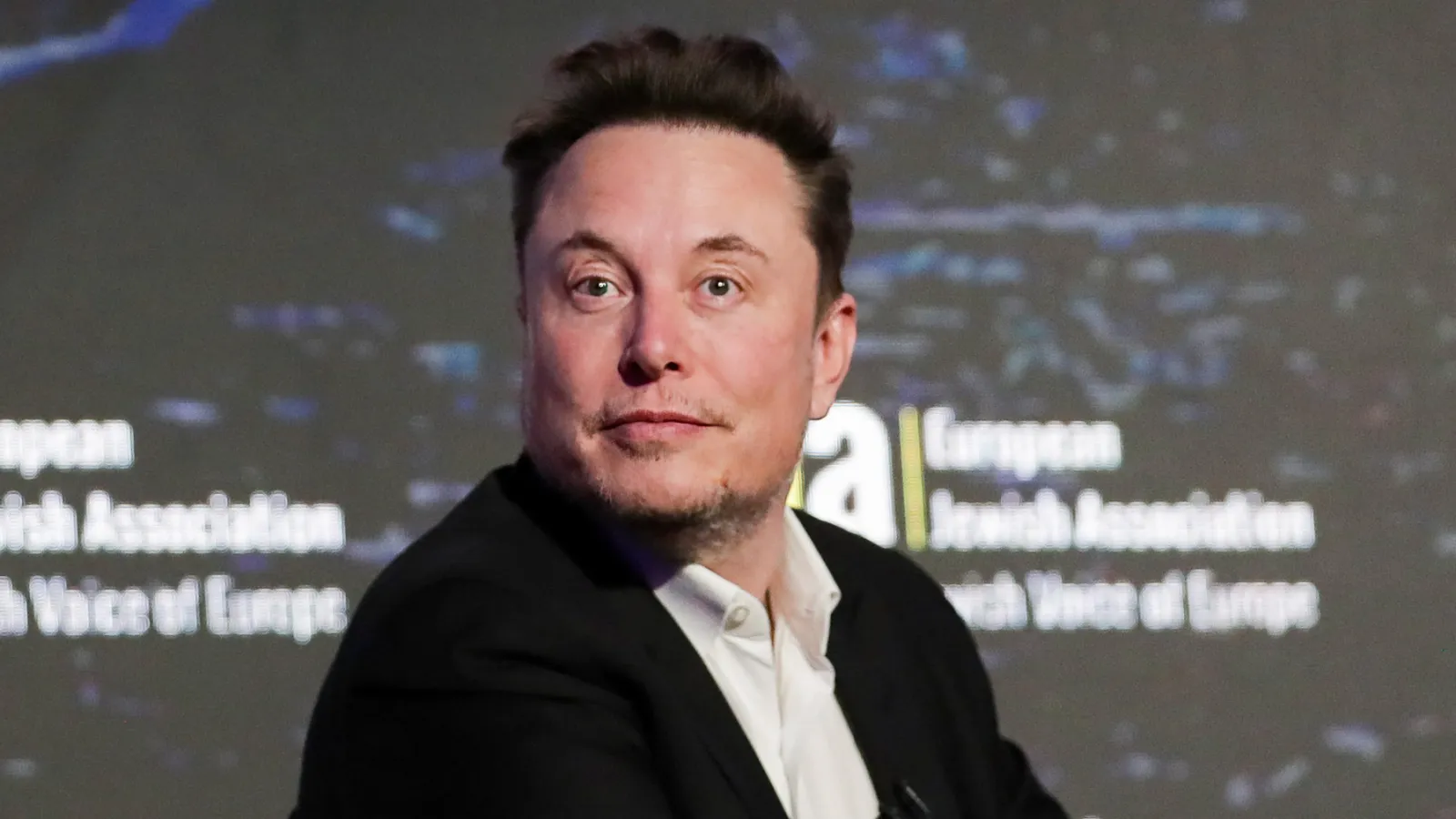
The Brazilian Supreme Court is investigating Elon Musk for alleged obstruction and disinformation, as he is accused of waging a public "disinformation campaign" and obstructing justice. This is part of an investigation into a network of people spreading defamatory fake news and threats against Supreme Court justices. Musk's comments on social media platform X have led to the opening of a separate investigation. The court has warned of fines and legal consequences for disobeying its orders. This comes amid a broader crackdown on fake news and threats to Brazilian democracy, with Musk's actions drawing criticism from some and support from others.
Brazil's Supreme Court Justice Alexandre de Moraes has opened an inquiry into Elon Musk over possible obstruction of justice and his defiance of court orders to restrict or suspend certain accounts on X (formerly Twitter). Musk's actions have escalated a dispute over misinformation, with the tech billionaire making unsupported claims against the judge and threatening to publish information that would paint Moraes as a traitor. The investigation is part of a broader inquiry into "digital militias" spreading misinformation to attack democratic institutions in Brazil. The conflict comes amid a divisive municipal election year in Brazil, with Musk's vocal opposition to Moraes drawing attention in the country.
Brazil's Supreme Court Justice has initiated an inquiry into whether Elon Musk obstructed justice and engaged in a disinformation campaign through his social media platform X, formerly known as Twitter. The court alleges that X is abusing its economic power to illegally influence public opinion, and Musk has been added to a criminal inquiry investigating anti-democratic acts by "digital militias."
The Wisconsin Supreme Court unanimously upheld a lower court ruling that Amazon delivery drivers in the Amazon Flex program are employees, not independent contractors, entitling them to unemployment benefits. The decision means Amazon Logistics may face a tax bill of over $200,000. This ruling has significant implications for the gig economy and worker classification, as courts across the country grapple with similar questions about the employment status of workers in the gig economy.
A judge has dismissed a lawsuit filed by X Corp. (formerly Twitter) against the Center for Countering Digital Hate (CCDH), ruling that the tech company's lawsuit was an attempt to punish the CCDH for exercising free speech. The CCDH successfully moved to strike X's claims under California's law on Strategic Lawsuits Against Public Participation (SLAPP) and to dismiss the case entirely. The decision marks a legal defeat for Elon Musk, who sought to silence the group for accurately reporting on Twitter's moderation struggles. The judge noted that X's motivation in bringing the case was to punish CCDH for its publications that criticized the company, and Musk has yet to comment on the lawsuit's dismissal.
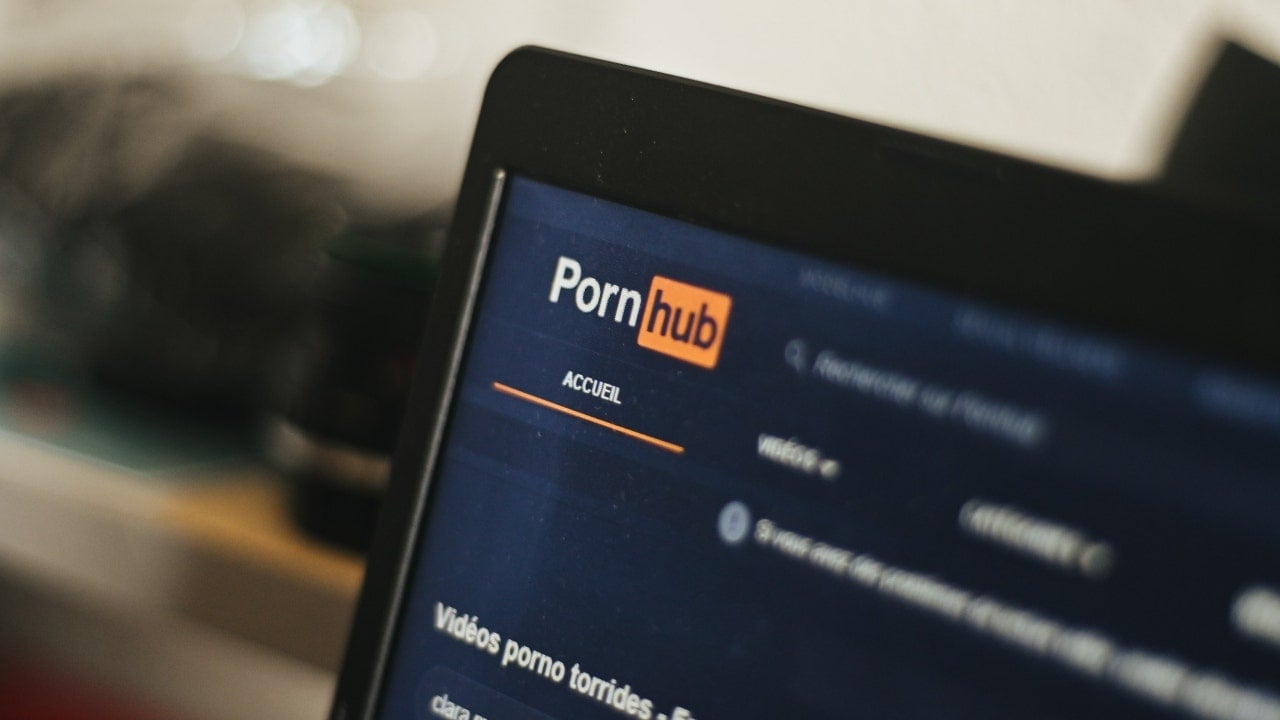
Pornhub and affiliated adult websites have blocked access to users in Texas following a legal battle with the state's attorney general over an age-verification law. The law requires pornography sites to implement age-verification measures, and while a federal appeals court upheld the law, it struck down a requirement for displaying "health warnings" about the content. Pornhub's parent company, Aylo, stated that the Texas age-verification is "ineffective, haphazard, and dangerous," and called for a more effective solution to protect minors and user privacy. The law, which was signed by Texas Governor Greg Abbott, is also being challenged in other states, and Pornhub's parent company is focused on building trust and safety while complying with regulations.
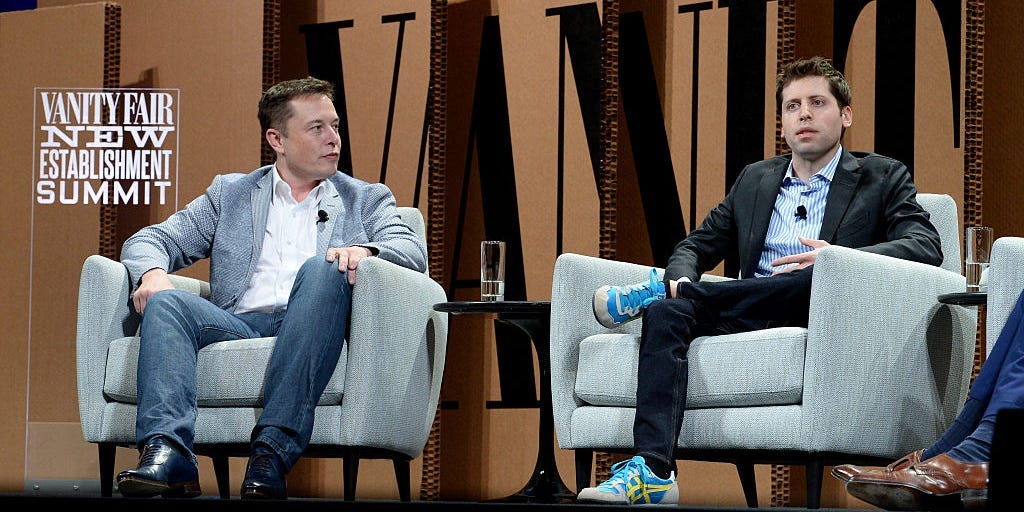
OpenAI has hired high-profile attorneys, including one who previously helped Twitter sue Elon Musk, to fight Musk's lawsuit alleging that OpenAI breached its "founding agreement." Musk has his own formidable lineup of attorneys as well, and the legal battle could be a headache for OpenAI if it drags out in court. Musk helped found OpenAI in 2015 but walked away from the board in 2018, citing a potential conflict of interest over Tesla's AI efforts. The lawsuit has sparked public exchanges between Musk and OpenAI, with the company calling Musk's suit "frivolous" and "incoherent."
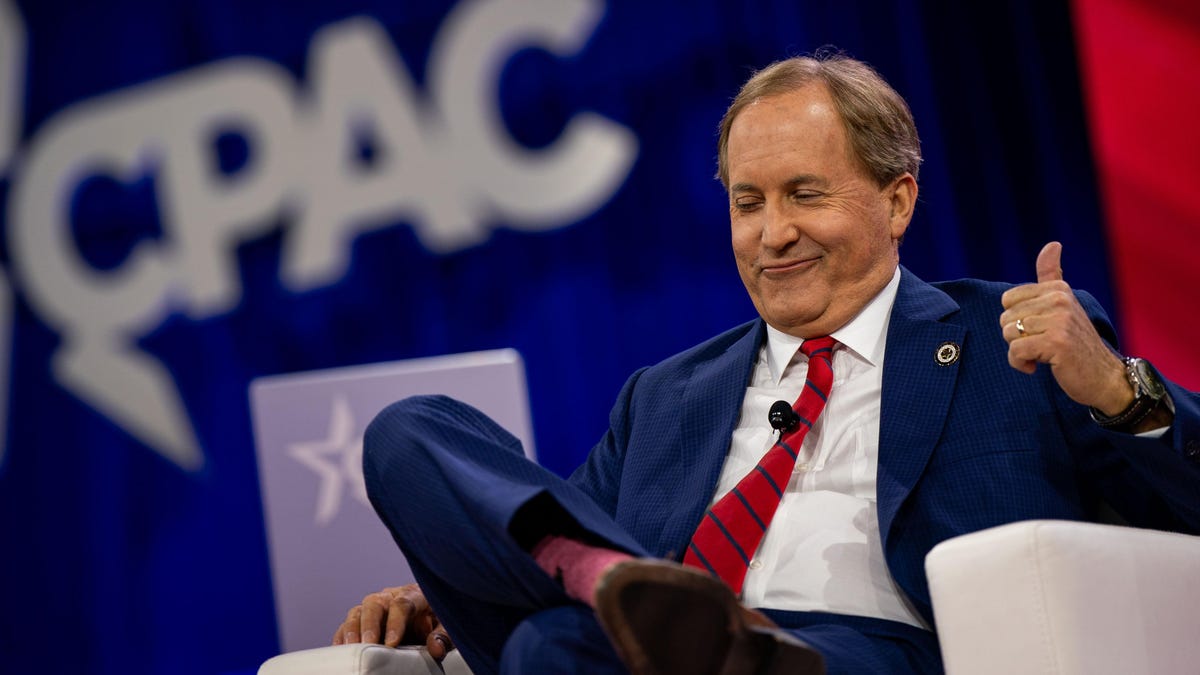
The Texas attorney general has filed a lawsuit against the parent company of PornHub, alleging that the adult website has failed to verify users' ages as required by the state's new regulations. The lawsuit claims that the company immediately presents minors with pornographic content without age verification, violating Texas law. The legislation requires adult websites to use reasonable age verification measures, and companies that violate the law could face significant financial penalties. The attorney general is seeking up to $1,600,000 in damages from the company, as well as attorney's fees and other costs.
Texas Attorney General is suing Aylo, the parent company of Pornhub, for failing to enforce the state’s new age verification laws, which aim to keep minors off pornographic websites. Aylo argues that age verification puts privacy at risk and has refused to comply. The lawsuit seeks to force Aylo into compliance with Texas law and could set a precedent for other states with similar laws, potentially resulting in a civil penalty of $1.6 million for Aylo. Texas’ age verification law also mandates a disclaimer from Texas Health and Human Services on all pornographic sites.