The article previews key Texas political stories for 2026, including a contentious Senate race, a high-stakes attorney general election, shifting Latino voter dynamics, redrawn congressional districts, and potential legislative shifts, all amid a backdrop of recent political and natural upheavals.
Democratic candidates in Texas, including U.S. Senate hopeful James Talarico and Congressman candidate Bobby Pulido, are uniting in the Rio Grande Valley to appeal to Latino voters, emphasizing bipartisanship and community issues amid competitive races and shifting political dynamics in the region.
A Newsom adviser emphasizes the importance of Democrats leaning into immigration issues, arguing that avoiding the topic legitimizes Republican criticism and that addressing immigration is crucial for engaging Latino voters and reflecting community realities, especially in light of recent cases like Kilmar Abrego Garcia.
In Passaic County, New Jersey, there is a noticeable decline in enthusiasm and voter turnout among Latino communities for the upcoming election, with signs of apathy and low campaign visibility, raising concerns about Democratic efforts to mobilize these voters, while Republicans see potential for a broader realignment of Latino and working-class voters.
The DNC is officially supporting Gavin Newsom's redistricting campaign in California, marking its first major involvement in this year's redistricting efforts, with a focus on engaging Latino voters and countering Republican gains, amid shifting voter sentiments and recent political losses for Democrats.
A new poll indicates that Donald Trump's approval ratings are declining among Latino voters, with a 20-point unfavorable margin, especially among men and young voters, posing a challenge for Republicans in upcoming elections. Democrats see this as an opportunity to regain support, although Republicans remain optimistic based on other polling data. The shift among Latino voters reflects broader demographic changes and could significantly impact the 2024 midterm elections.
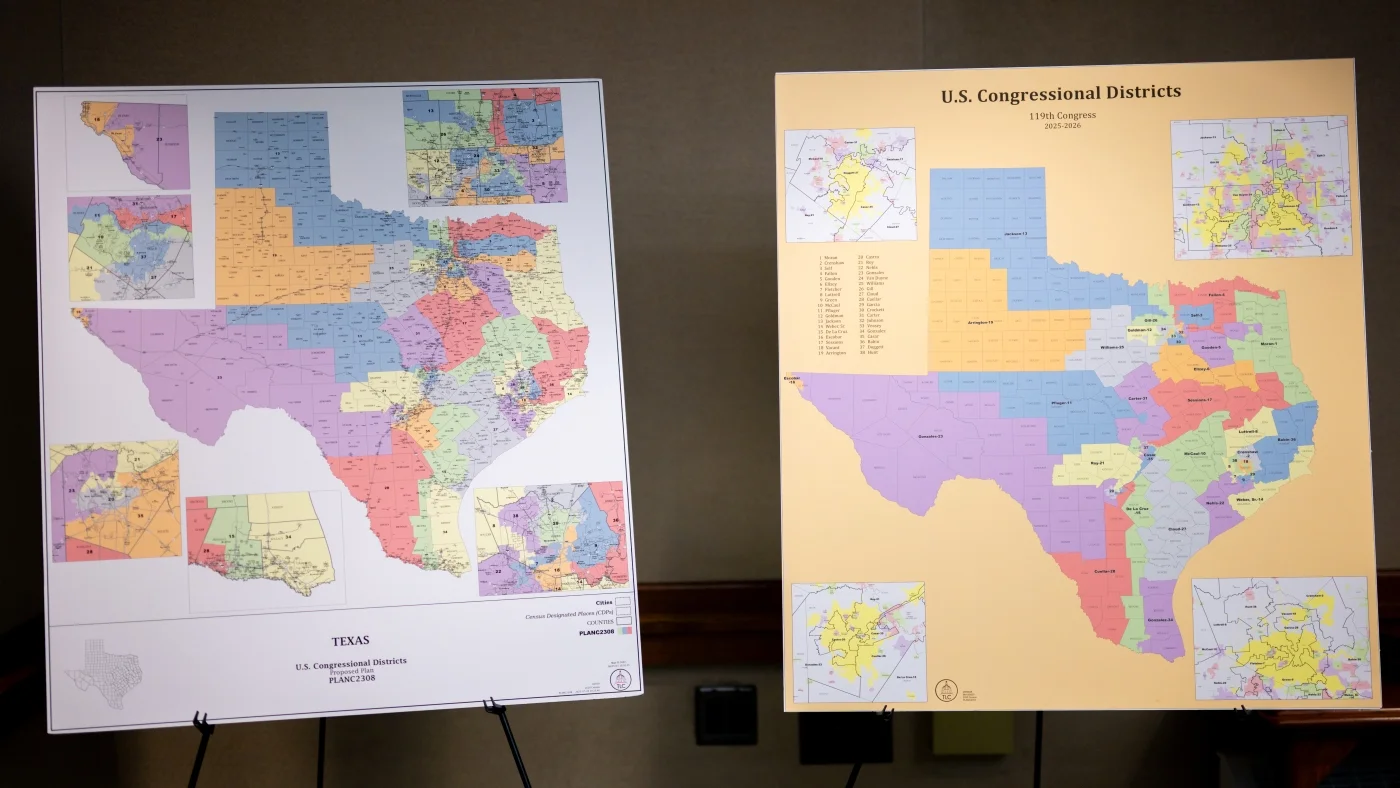
Texas Republicans have approved new congressional maps aimed at consolidating their control ahead of the 2024 midterm elections, including five new safe Republican districts, four of which are Hispanic-majority, testing the party's recent gains with Latino voters. While GOP leaders are optimistic about their prospects, Democrats and some analysts warn that recent polling shows Latino voters turning away from Trump and the GOP, making the redistricting effort a risky gamble that could backfire.
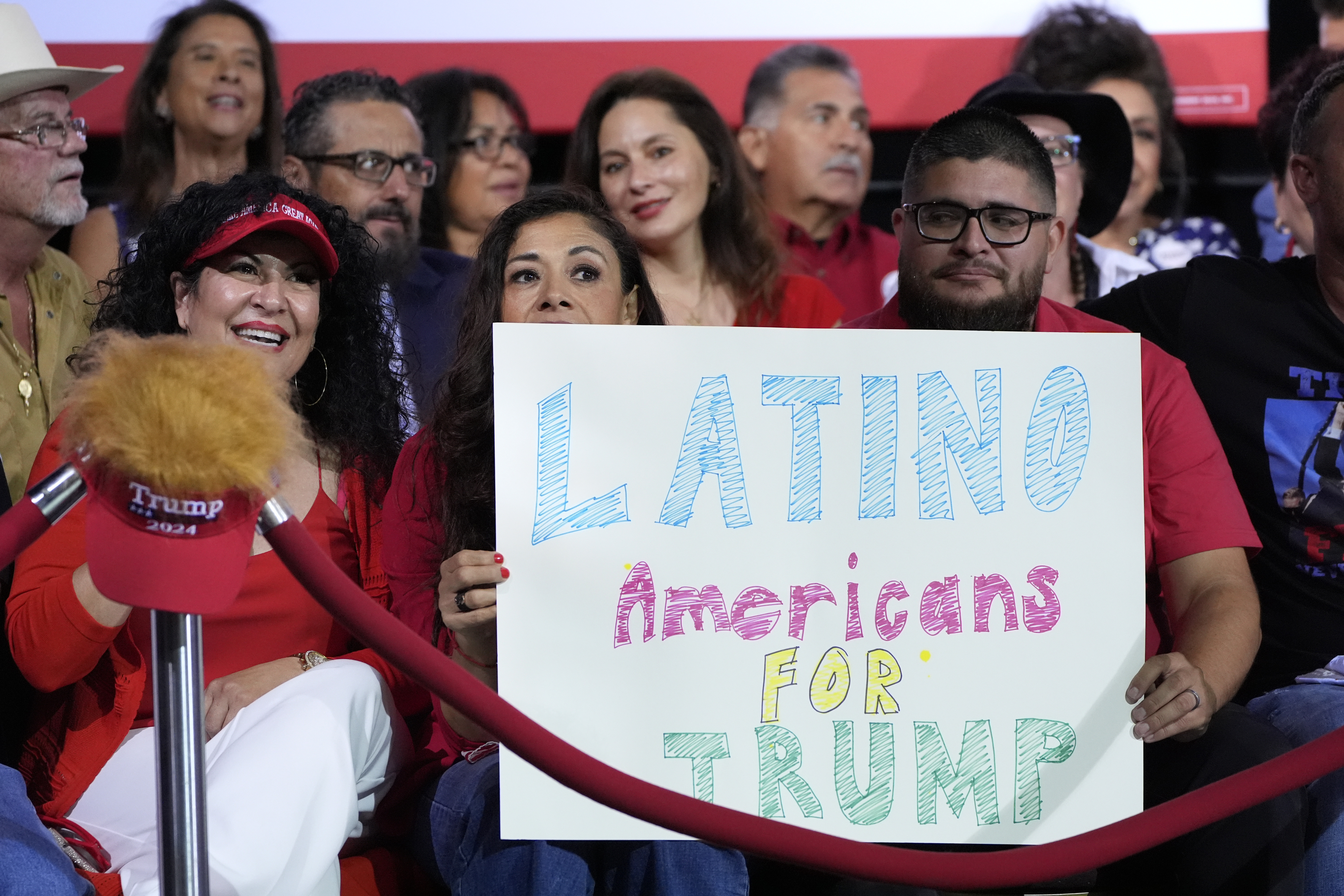
Both major U.S. political parties are struggling to secure Latino voters, with recent polls showing disapproval of Trump among Latino men and a split in voter preferences in competitive districts, highlighting the challenges each party faces in appealing to this key demographic.
Texas Republicans are redrawing congressional districts to favor GOP candidates by increasing Hispanic voter majorities in key districts, betting that Latino support for Republicans will continue into 2026 despite recent shifts and Trump's unique appeal to Latino voters. The strategy hinges on maintaining margins in districts where Trump performed strongly, but Democrats are countering with economic messaging and efforts to court Latino voters, making the future electoral landscape in Texas highly competitive.
Texas Republicans have redrawn congressional districts to favor the GOP and target Latino voters, betting on their continued shift towards the right, despite recent polls showing Latino voters' mixed support for Trump and Democrats. The new maps create four majority-Hispanic districts, reflecting a strategic move to capitalize on Latino voting patterns, though there is debate over the effectiveness of this approach given the complex political dynamics within Latino communities. The outcome of these redistricting efforts could significantly influence the balance of power in the upcoming midterm elections.
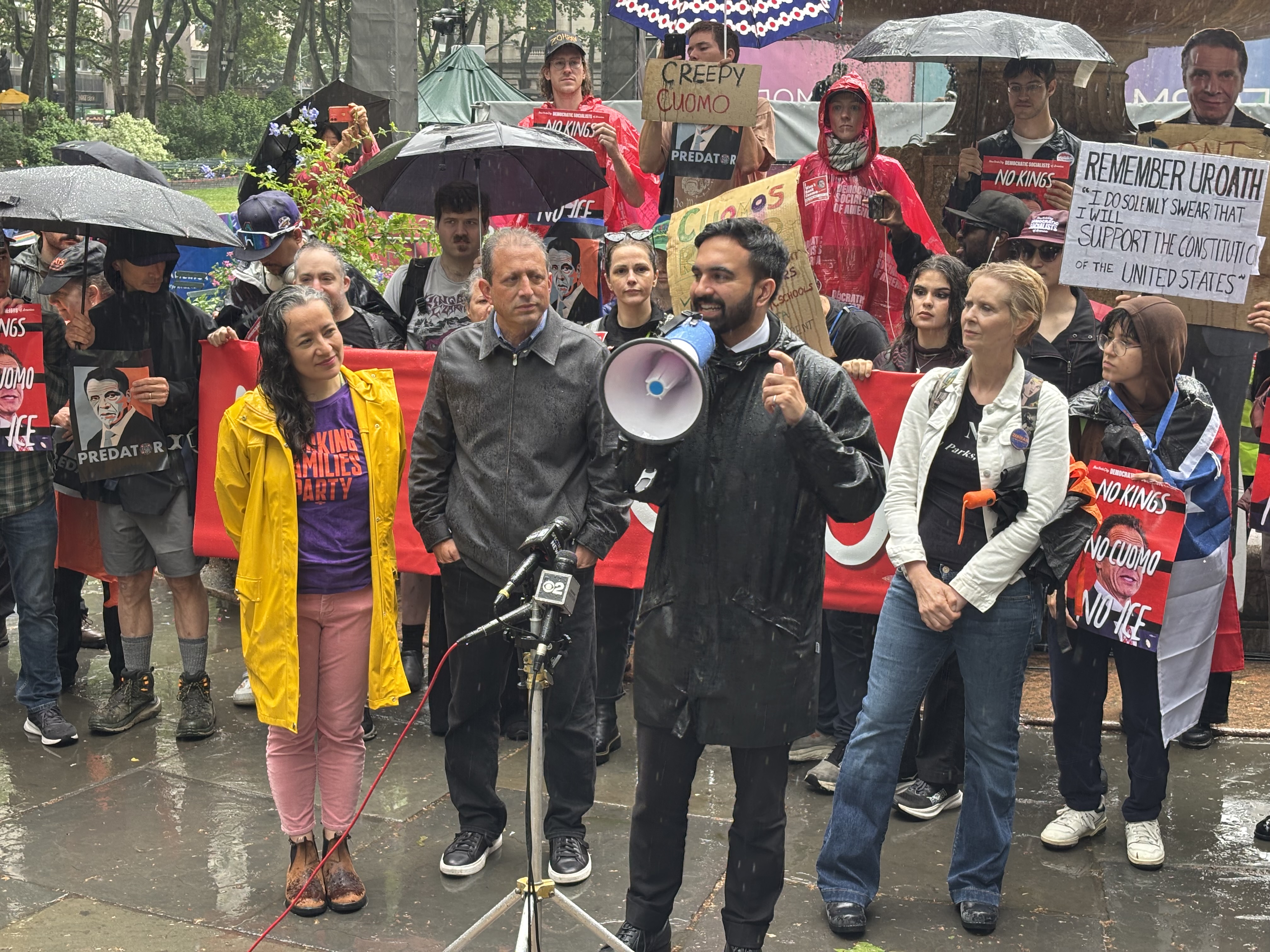
Zohran Mamdani, a democratic socialist candidate in NYC's mayoral race, appeals strongly to younger, white, left-leaning voters but faces challenges gaining support from Black and Latino voters, who are crucial in the city's Democratic primaries. Endorsements and outreach efforts are aimed at expanding his base, but traditional voting patterns among Black and Latino communities favor more moderate candidates like Cuomo. The race highlights broader Democratic divides between progressive and moderate voters.
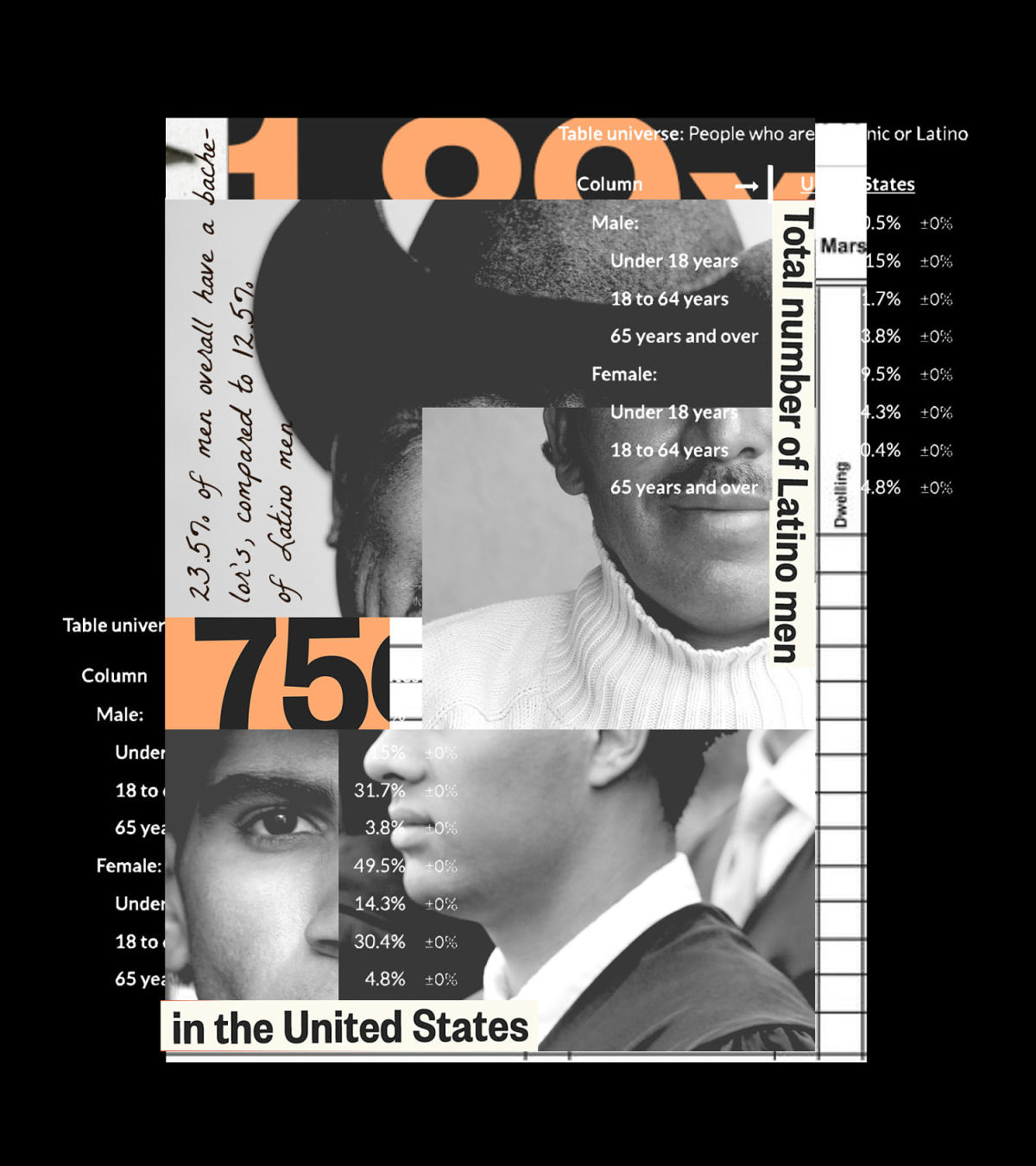
Latino men showed significant support for Donald Trump in the recent election, driven by desires for economic relief, job opportunities, and homeownership. Despite progress in education and workforce participation, Latino men still face challenges such as lower income and higher poverty rates compared to white men. Many are turning to entrepreneurship out of necessity, but face hurdles in scaling their businesses. The community's future political support may hinge on whether they see tangible improvements in their economic and social standing.
Donald Trump's increased support among Latino voters in the 2024 election is reshaping the U.S. political landscape, particularly affecting congressional battlegrounds. Districts with significant Latino populations, such as those in Texas' Rio Grande Valley and California's Central Valley, have shifted right, challenging Democrats' hold on these areas. Both parties are reassessing strategies, with Republicans aiming to capitalize on Trump's success and Democrats seeking to regain Latino support. This shift has made previously safe Democratic seats more competitive, altering future electoral strategies.
Latino voters in key battleground states played a crucial role in Donald Trump's victory over Kamala Harris in the recent presidential election, with the economy being a significant issue for voters. Republican candidates have been gaining support among working-class Latino voters, as seen in Miami-Dade County flipping red for the first time in over 30 years. Trump's economic proposals include extending tax cuts, eliminating certain federal taxes, capping credit card interest rates, and imposing tariffs.
Donald Trump is expected to appoint U.S. Senator Marco Rubio as Secretary of State, making him the first Latino in this role. Rubio, known for his hawkish stance on China and Cuba, has softened some positions to align with Trump's more restrained foreign policy. His appointment could strengthen Republican support among Latino voters, a demographic that has increasingly leaned Republican. Rubio's selection reflects a shift in Republican foreign policy towards restraint, particularly in Europe, and highlights his influence on issues like Ukraine and China.