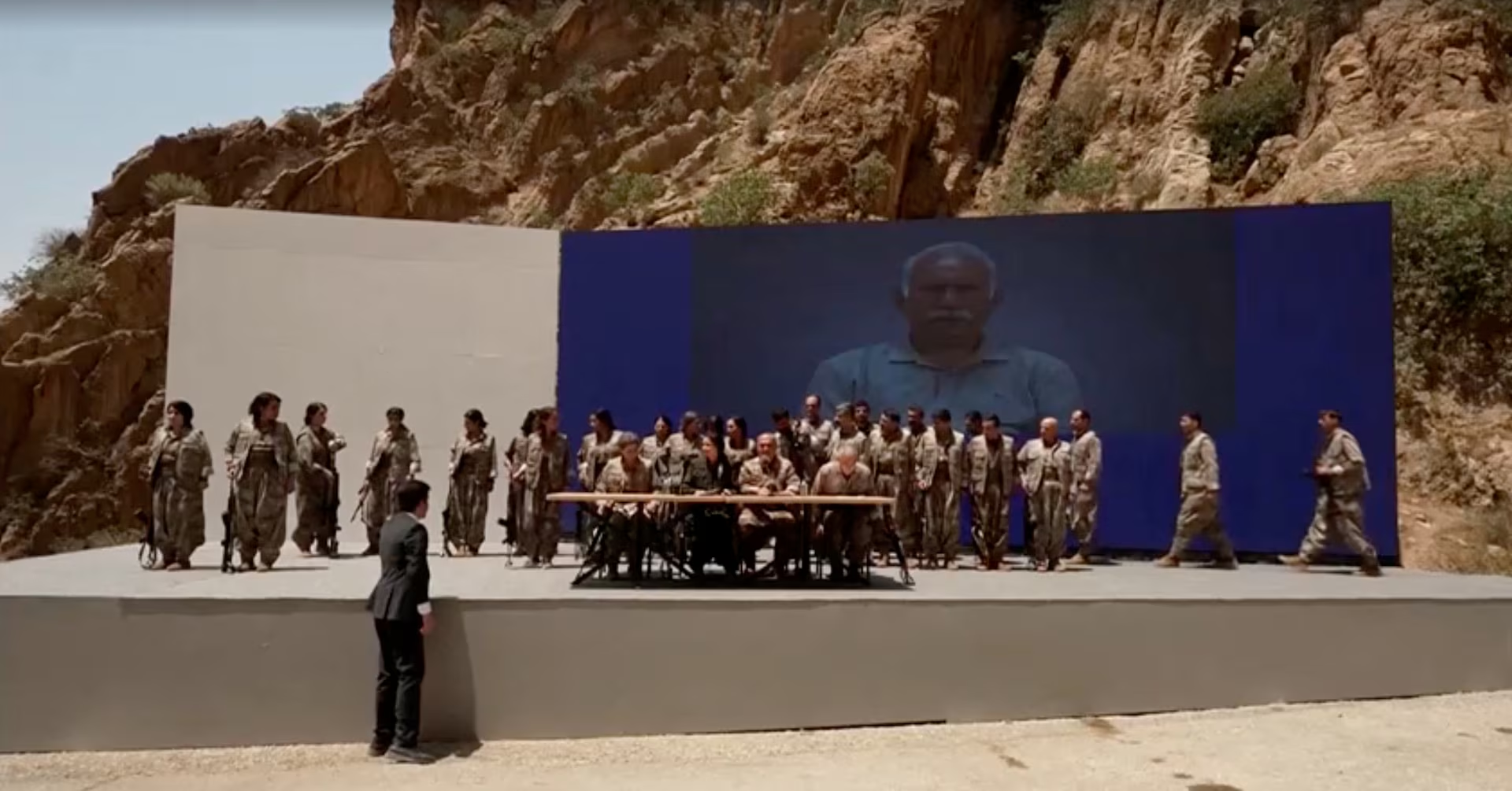
PKK militants in northern Iraq symbolically burned their weapons in a ceremony, marking a significant step towards ending their long-standing insurgency against Turkey, following a decision to disband and disarm led by their imprisoned leader Abdullah Ocalan. The event, attended by Turkish, Iraqi, and Kurdish officials, could influence regional stability and peace efforts, including in Syria, and reflects ongoing demands for Kurdish rights in Turkey.
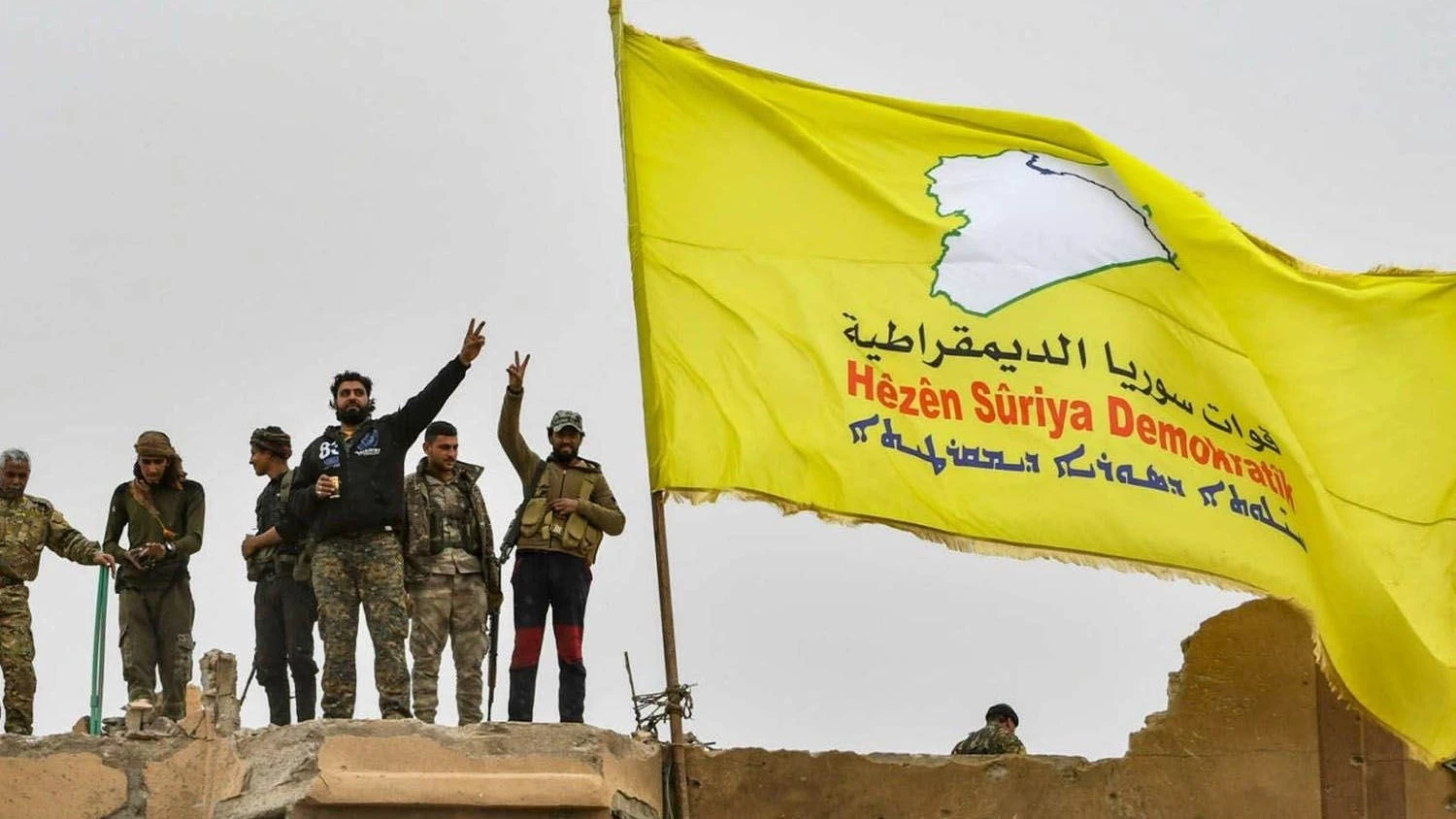
Kurdish militants in northern Syria are seeking assistance from Israel after extremist groups, including HTS, attacked their villages and ISIS prisons. The Israeli government is considering the request but faces a dilemma due to potential backlash from Turkiye. The Syrian Democratic Forces (SDF), a US-backed group, has halted anti-ISIS operations due to increased attacks and is relocating ISIS prisoners. The situation is complicated by the resurgence of ISIS and the involvement of Turkish-backed forces in the region.
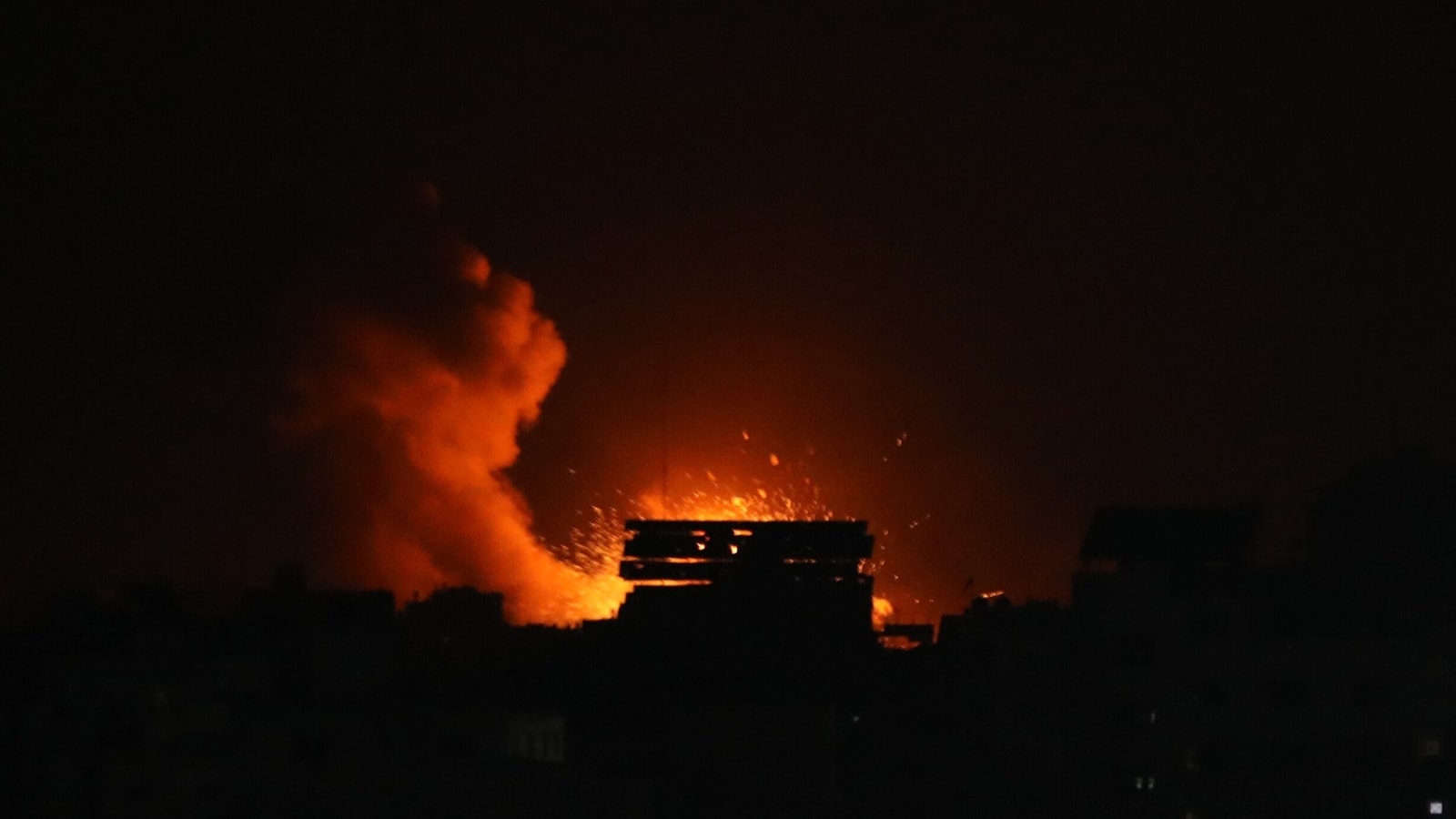
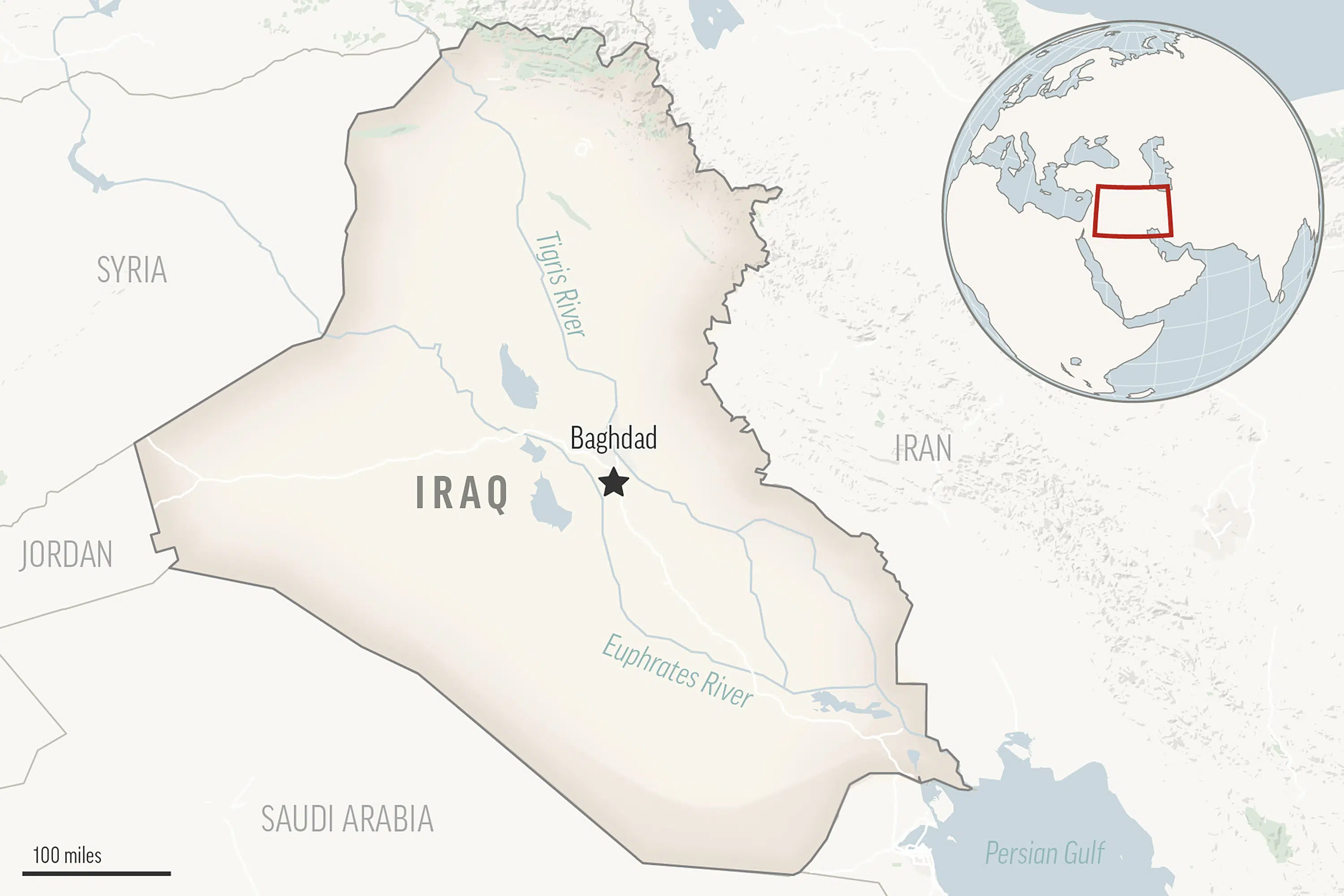
Turkish military conducted air strikes in northern Iraq, targeting 13 Kurdish militant sites including caves, shelters, and storage facilities. The Defence Ministry stated that many militants were "neutralized" in the attack, which focused on the Hakurk, Gara, Qandil, and Metina regions.
Turkish air strikes targeted 15 Kurdish militant targets in the Hakurk region of northern Iraq, including caves, shelters, and storage facilities. The Turkish Defence Ministry stated that many militants were "neutralised," which typically means killed.
Turkish military conducted airstrikes in northern Iraq, targeting 15 Kurdish militant sites in the Hakurk region. The strikes destroyed caves, shelters, and storage facilities, resulting in the neutralization of many militants.
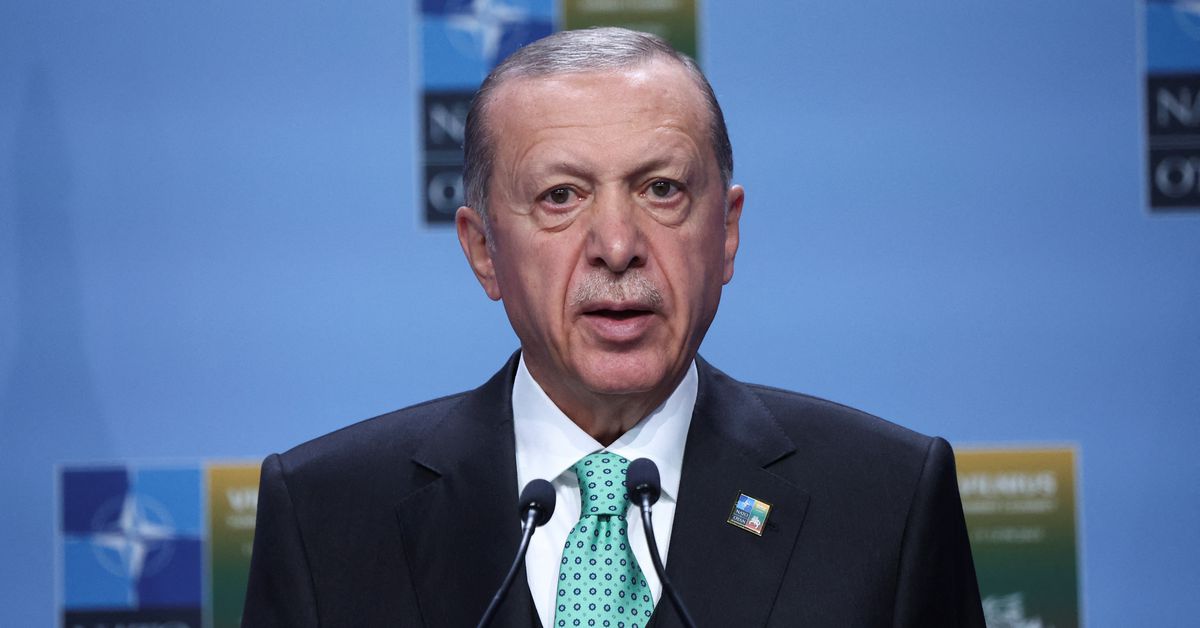
Turkish President Erdogan has stated that he will try to facilitate the parliamentary ratification of Sweden's NATO membership bid, despite concerns over Stockholm's actions regarding Kurdish militants. Erdogan submitted a bill approving Sweden's NATO membership to parliament last month, but emphasized that Sweden has not taken sufficient action against the activities of the outlawed Kurdistan Workers Party (PKK) within its borders. While the approval process may not be rapid, Erdogan expressed a willingness to show positive efforts in facilitating the ratification.
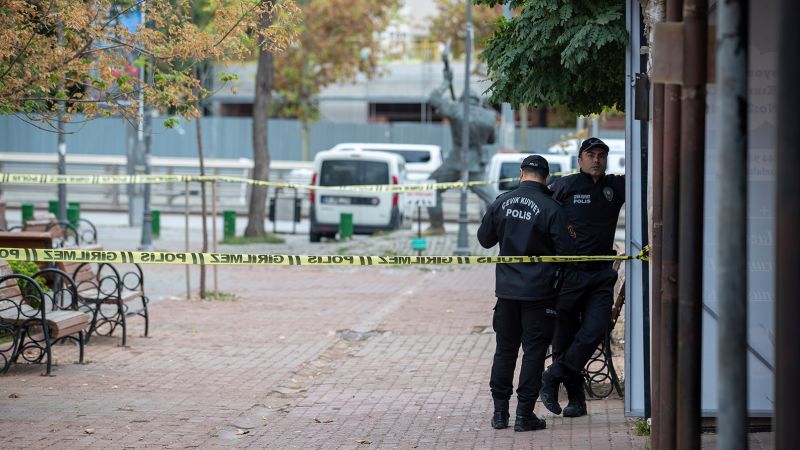
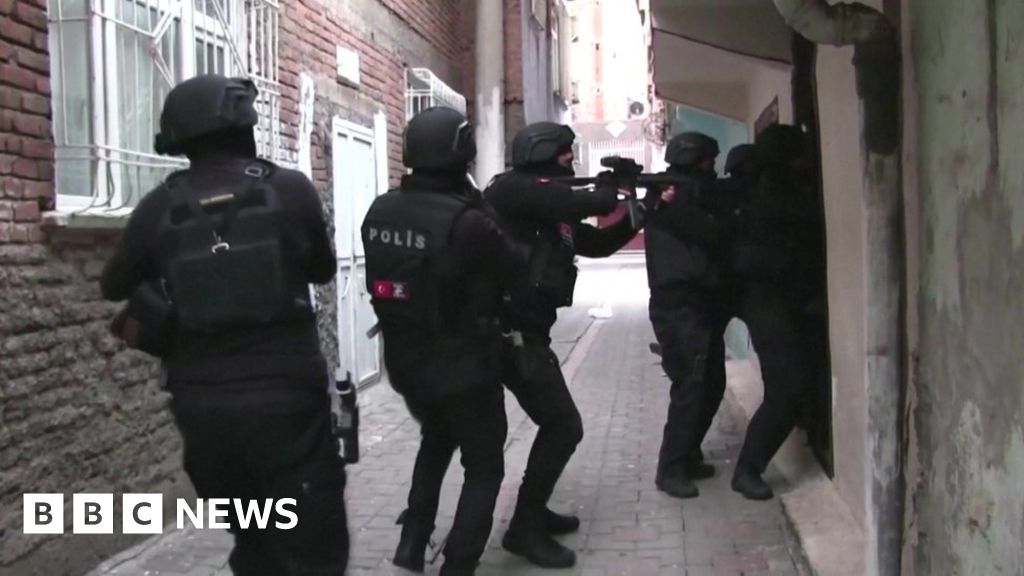
Turkish authorities have detained 20 individuals with alleged links to Kurdish militants in connection with the recent bombing in Ankara, which killed three people and injured several others. The detentions come as part of ongoing efforts to combat terrorism in the country.
Turkey launched airstrikes targeting Kurdish militants in northern Iraq following a deadly bombing in Ankara claimed by the Kurdistan Workers' Party (PKK). The Turkish Defense Ministry stated that 20 PKK targets were destroyed, including caves, bunkers, shelters, and warehouses. The PKK, classified as a terrorist organization, claimed responsibility for the blast outside Turkey's Interior Ministry building, resulting in one death and two injuries. Turkey has been conducting operations against the PKK domestically and in Syria, and President Erdogan vowed to continue the fight against terrorism.
Iran claims to have pressured Iraq into agreeing to disarm and remove Kurdish dissident groups that Iran accuses of being separatists and terrorists. The agreement, which Iraq has not confirmed, is said to involve the dismantling of armed groups by late September. However, it is unlikely that Iraq will take action as most of the Kurdish groups are small and located in the autonomous region of northern Iraq. Iran's goal may be to reduce the activity of these dissident groups, particularly during the anniversary of the killing of a Kurdish Iranian woman, but it remains to be seen how effective Iran's efforts will be.
Six Turkish soldiers were killed in clashes with Kurdish militants in northern Iraq. The soldiers were conducting an operation against the Kurdistan Workers' Party (PKK) when they were attacked. Turkey has been carrying out regular cross-border operations into northern Iraq to target PKK militants.
Turkish police have arrested at least 126 people suspected of links to a banned Kurdish militant group ahead of the upcoming presidential and parliamentary elections. The suspects include lawyers, journalists, and politicians, and are suspected of financing and recruiting for the outlawed PKK. The main pro-Kurdish party, which has seen thousands of its members jailed, has accused the government of timing the arrests to affect the vote. The elections are being seen as Turkey's most significant for years, with six opposition parties uniting behind a single candidate in Kemal Kilicdaroglu.
The commander of the US-backed force in Syria and Iraq's presidency have condemned what they say was a Turkish attack on an airport in northern Iraq. The US-backed and Kurdish-led Syrian Democratic Forces confirmed that its chief commander, Mazloum Abdi, was at the airport in northern Iraq at the time of the attack but withheld information until he returned home safely. Turkey has spent years fighting Kurdish militants in its east and large Kurdish communities live in neighboring Iraq and Syria, where they have a degree of self-rule.
An explosion occurred near the Suleimaniyah International Airport in northern Iraq's Kurdish region, days after Turkey closed its airspace to flights to and from the airport, citing an alleged increase in Kurdish militant activity. The cause of the blast is under investigation, and officials deny that the leader of the Syrian Democratic Forces was the target of a Turkish drone attack. The Kurdish regional government in Iraq blamed local authorities in Suleimaniyah for provoking the "attack" on the airport. The incident follows a long-standing dispute over the independent export of oil by the Kurdish region.