In 2025, significant progress was made in climate and nature efforts, including formal recognition of indigenous voices at COP16, new indigenous land rights, and the successful removal of dams along California's Klamath River, leading to the return of salmon to their spawning grounds.
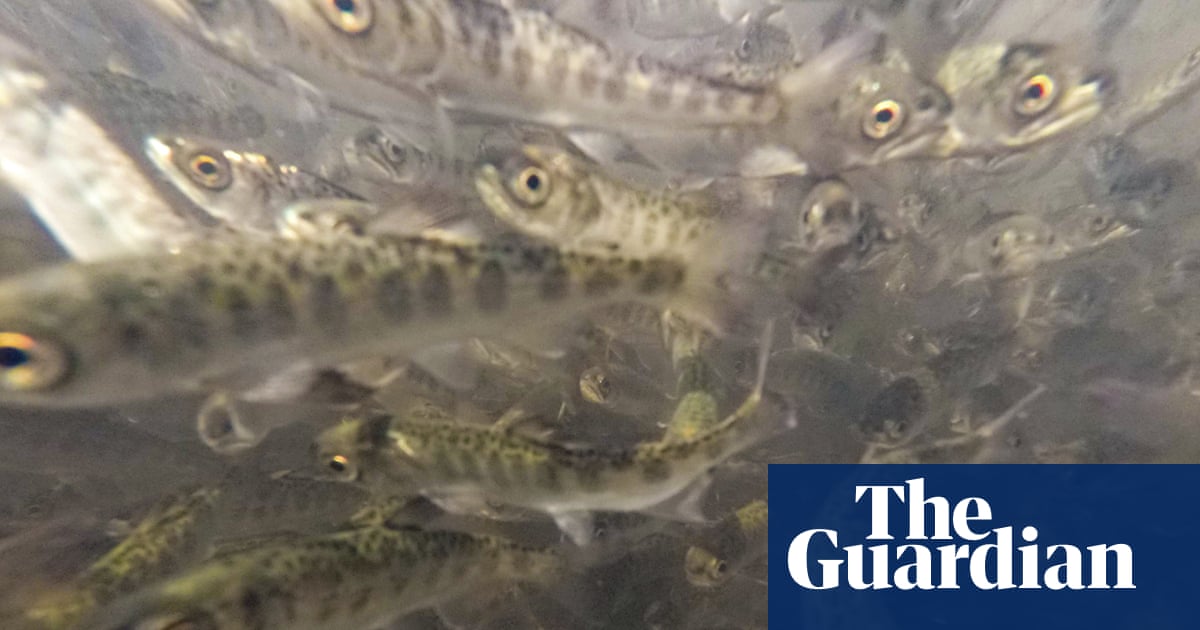
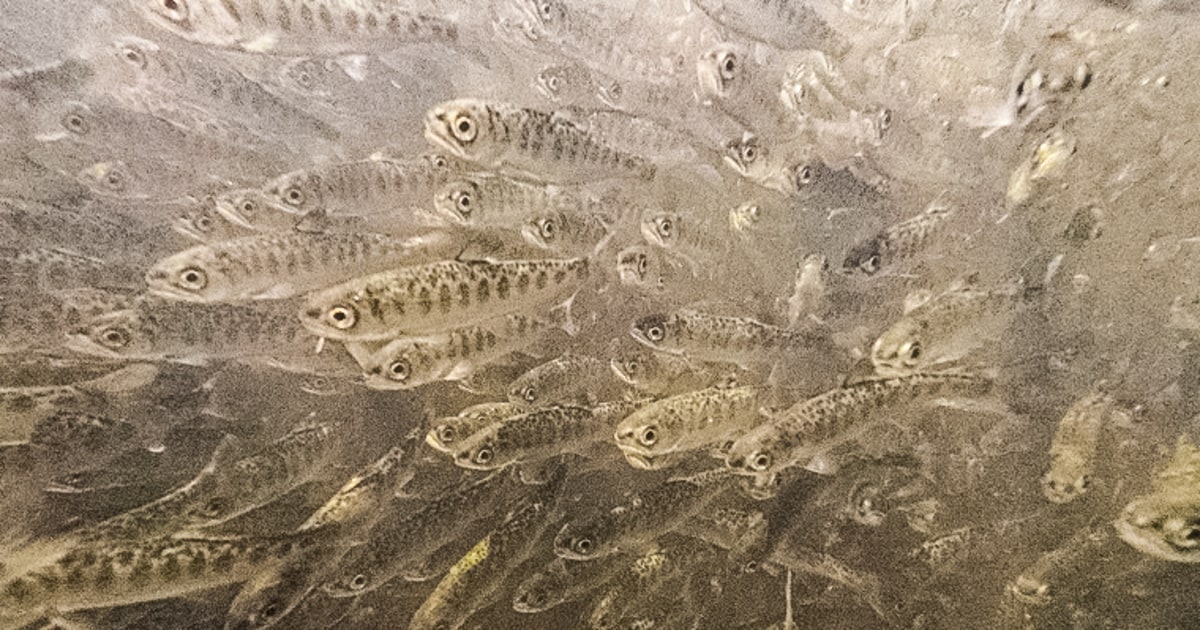
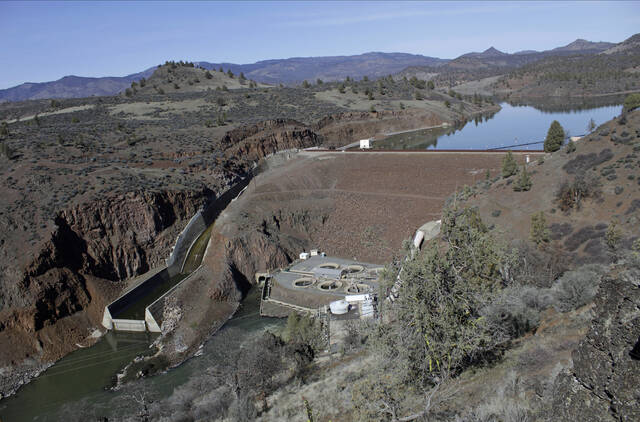
Hundreds of thousands of newly hatched Chinook salmon released into the Klamath River have died from "gas bubble disease" caused by extreme changes in water pressure, following the largest dam removal project in US history. The removal of four hydropower dams aims to restore the river and its ecosystem to their natural state, benefiting local tribes and the salmon fishery. The deaths were attributed to a tunnel at the Iron Gate dam, which is scheduled for demolition, and officials plan to release more fish downstream once the dams are removed. The restoration efforts seek to address historical harm to salmon populations and the ecosystem caused by damming and water diversions, with the ultimate goal of reducing large-scale fish die-offs.
Around 830,000 salmon fry released into California's Klamath River are believed to have died due to gas bubble disease caused by a severe change in pressure as they went through the Iron Gate Dam tunnel. The fish were the first release from the Fall Creek Fish Hatchery, part of a project to support salmon populations once the river is fully undammed. The dam and tunnel are set to be removed later this year. The incident is a stark reminder of the harm caused by dams to salmon runs in the Klamath River.
The largest dam removal project in U.S. history is underway along the California-Oregon border, with the goal of restoring the Klamath River and its surrounding land to its natural state. Over the next decade, workers and Native American tribes will plant and monitor nearly 17 billion seeds to revive the river's ecosystem. The removal of four hydroelectric dams will open up more than 400 miles of river for threatened species of fish and other wildlife. The project aims to combat invasive species and restore the cultural and spiritual significance of the river to Native American tribes. The $500 million project is funded by taxpayers and PacifiCorps ratepayers.