Tag

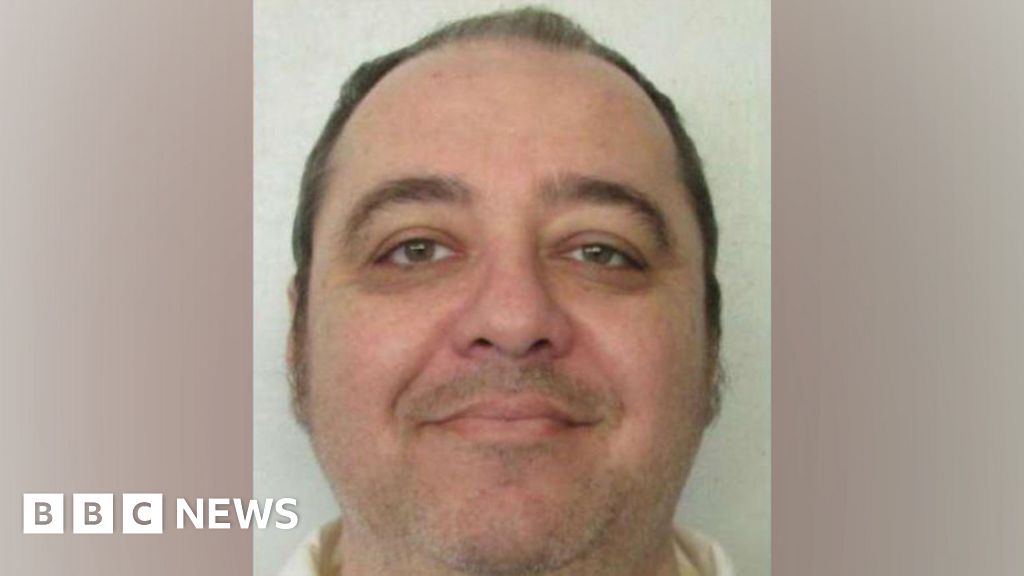
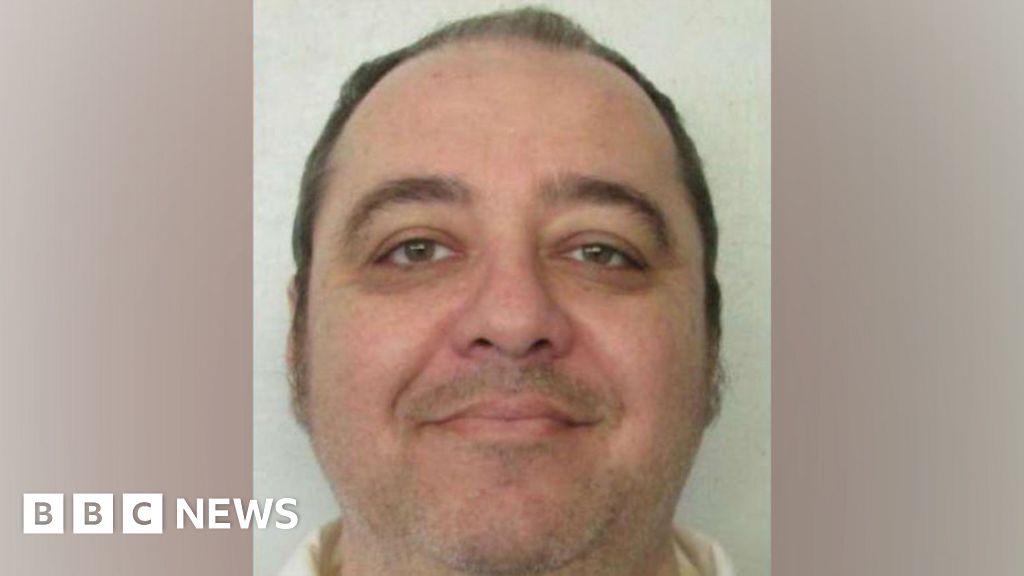
Kenneth Eugene Smith

All articles tagged with #kenneth eugene smith

"Controversy Surrounds Nation's First Nitrogen Gas Execution"

Originally Published 1 year ago — by PBS NewsHour

Featured image for "Controversy Surrounds Nation's First Nitrogen Gas Execution"
Source: PBS NewsHour

Kenneth Eugene Smith, convicted in a 1988 murder-for-hire case, convulsed and gasped for breath during Alabama's first execution using nitrogen gas. Critics called it cruel and experimental, while the attorney general described it as a "textbook" execution. The process began at 7:53 p.m., with Smith's final words and thrashing lasting until about 8:15 p.m. He was pronounced dead at 8:25 p.m.

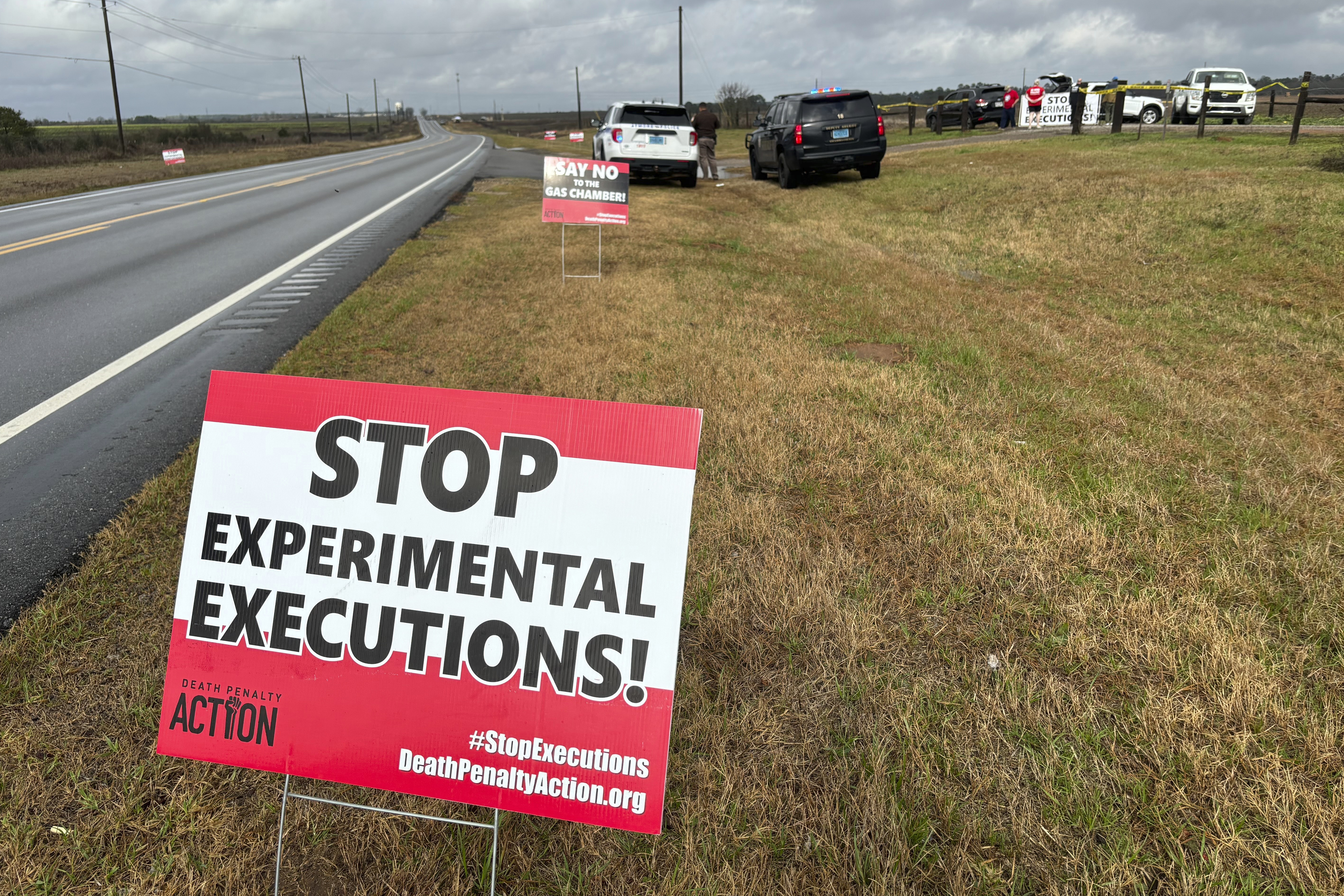
"Controversy Surrounds Alabama's First Nitrogen Gas Execution: A Detailed Account"

Originally Published 1 year ago — by The Associated Press

Featured image for "Controversy Surrounds Alabama's First Nitrogen Gas Execution: A Detailed Account"
Source: The Associated Press

Alabama carried out the nation's first execution using nitrogen gas, with convicted murderer Kenneth Eugene Smith convulsing on a gurney as witnesses, including media and family members, watched. Critics labeled the execution as cruel and experimental, while the state's Attorney General characterized it as a "textbook" execution. Smith's final moments involved thrashing and gasping breaths, with the nitrogen gas flowing for approximately 15 minutes before he was pronounced dead at 8:25 p.m.
"Controversy Surrounds Nation's First Nitrogen Gas Execution: A Brief History and Eyewitness Account"

Originally Published 1 year ago — by POLITICO

Featured image for "Controversy Surrounds Nation's First Nitrogen Gas Execution: A Brief History and Eyewitness Account"
Source: POLITICO

Kenneth Eugene Smith, convicted in a 1988 murder-for-hire case, convulsed and gasped for breath during Alabama's first execution using nitrogen gas, with critics calling it cruel and experimental while the attorney general described it as a "textbook" execution. The process began with a mask check and Smith's final words, followed by thrashing and gasping breaths before the curtains closed around 8:15 p.m., and he was pronounced dead at 8:25 p.m.

"Controversy Surrounds Alabama's First Nitrogen Gas Execution as More Death Row Inmates Await Fate"

Originally Published 1 year ago — by The Independent

Featured image for "Controversy Surrounds Alabama's First Nitrogen Gas Execution as More Death Row Inmates Await Fate"
Source: The Independent

Alabama death row inmate Kenneth Eugene Smith has been executed by nitrogen gas, becoming the first person in US history to be put to death through this method, which has been condemned by the United Nations as potentially amounting to torture. The execution, which saw Smith struggling for 22 minutes, has sparked controversy and condemnation from various quarters, including the White House. Alabama's Attorney General has revealed that 43 more death row inmates have elected to die by nitrogen hypoxia, with the state expecting other states to follow suit.

"Controversy Surrounds Alabama's First Nitrogen Gas Execution: A Brief History of the Death Penalty"

Originally Published 1 year ago — by NewsNation Now

Featured image for "Controversy Surrounds Alabama's First Nitrogen Gas Execution: A Brief History of the Death Penalty"
Source: NewsNation Now

The spiritual adviser for Kenneth Eugene Smith, who was executed by nitrogen gas in Alabama, described the process as "absolutely horrific," with Smith convulsing and experiencing involuntary movements for 22 minutes, contrary to the state's prediction of unconsciousness within seconds and death within minutes. Critics argue that the execution violated constitutional rights and was cruel and experimental, while the state attorney general maintains that it was an effective and humane method.

"Alabama's Groundbreaking Nitrogen Gas Execution Sparks Controversy"

Originally Published 1 year ago — by NDTV

Featured image for "Alabama's Groundbreaking Nitrogen Gas Execution Sparks Controversy"
Source: NDTV

Convicted murderer Kenneth Eugene Smith became the first man in the US to be executed with nitrogen gas, a method condemned by human rights activists, the United Nations, and the White House. Witnesses, including a priest, described the 22-minute execution as a "horror show," with Smith writhing and thrashing for several minutes, despite assurances from prison authorities that it would be quick and painless. The White House and international human rights groups expressed deep concern over the manner of the execution, which marked a departure from the usual method of lethal injection in the US.

"Alabama Executes Inmate Using Nitrogen Gas for the First Time"

Originally Published 1 year ago — by BBC.com

Featured image for "Alabama Executes Inmate Using Nitrogen Gas for the First Time"
Source: BBC.com

Alabama has executed convicted murderer Kenneth Eugene Smith using nitrogen gas, marking the first time this method of capital punishment has been used globally. Smith thrashed violently on the gurney during the 25-minute execution, and his final words expressed his belief that the state had taken humanity "a step backwards." The use of nitrogen gas as an alternative method of execution has been approved in Alabama and two other US states due to difficulties in obtaining lethal injection drugs. The execution has sparked controversy and condemnation from the UN and medical professionals.

"Alabama's Controversial Execution Method: The Emergence of Nitrogen Gas"

Originally Published 1 year ago — by The Independent

Featured image for "Alabama's Controversial Execution Method: The Emergence of Nitrogen Gas"
Source: The Independent

Alabama death row inmate Kenneth Eugene Smith has been executed by nitrogen gas, becoming the first person in US history to be put to death through this method. Witnesses, including his religious adviser, reported that Smith appeared conscious and struggled for life for 22 minutes, despite authorities predicting unconsciousness within seconds and death in minutes. The United Nations and human rights experts had raised concerns over the use of nitrogen gas in executions, calling it potentially torturous and inhumane. Alabama Governor Kay Ivey defended the execution, stating that Smith got what he asked for, while Smith's final statement expressed love and gratitude towards his family.

"Alabama's First Nitrogen Gas Execution: Process, Criticisms, and Controversy"

Originally Published 1 year ago — by NDTV

Featured image for "Alabama's First Nitrogen Gas Execution: Process, Criticisms, and Controversy"
Source: NDTV

Alabama executed convicted murderer Kenneth Eugene Smith using nitrogen gas, marking the first use of this method in the US since lethal injection. Critics decry the method as "human experimentation," while the UN rights office urged Alabama to abandon the untested execution method. Smith's execution took about 22 minutes, during which he appeared to remain conscious for several minutes. The US top court rejected Smith's last-ditch request to intervene, and his lawyers had expressed concerns about the method's potential risks. Smith, who was on death row for over three decades, was convicted of the 1988 murder-for-hire of a pastor's wife.

"Alabama Executes Kenneth Smith Using Nitrogen Gas in Landmark Death Penalty Case"

Originally Published 1 year ago — by CBS News

Featured image for "Alabama Executes Kenneth Smith Using Nitrogen Gas in Landmark Death Penalty Case"
Source: CBS News

Alabama executed Kenneth Eugene Smith using nitrogen hypoxia, marking the first use of this controversial death penalty method in the United States. Smith, who had previously survived a botched lethal injection, was put to death for the 1989 murder of Elizabeth Dorlene Sennett. The execution faced legal challenges and criticism from human rights experts, but the Supreme Court allowed it to proceed. Smith's last words expressed disappointment in the state's actions, while his legal team criticized the use of a since-repealed statute to override the jury's recommendation for a life sentence.

"Alabama's Controversial Use of Nitrogen Hypoxia for Execution Sparks Debate"

Originally Published 1 year ago — by Al Jazeera English

Featured image for "Alabama's Controversial Use of Nitrogen Hypoxia for Execution Sparks Debate"
Source: Al Jazeera English

Alabama is set to attempt the first-ever execution by nitrogen hypoxia, an untested method, on death row inmate Kenneth Eugene Smith, who was convicted for the murder of Elizabeth Sennett in 1988. Smith's lawyers and rights groups have raised concerns about the untested nature of the method and its potential for causing a painful death. Despite criticism, the execution is moving forward, with Smith facing a 30-hour time frame for the procedure. The use of nitrogen hypoxia has sparked debate about its constitutionality and ethical implications, with human rights organizations and UN Special Rapporteurs expressing opposition to the state's plan.

"Alabama Inmate Kenneth Eugene Smith Becomes First to Die by Nitrogen Gas Execution"

Originally Published 1 year ago — by New York Post

Featured image for "Alabama Inmate Kenneth Eugene Smith Becomes First to Die by Nitrogen Gas Execution"
Source: New York Post

Alabama's 11th US Circuit Court of Appeals rejected convicted killer Kenneth Eugene Smith’s request to stop his scheduled execution by nitrogen gas, ruling that the experimental method does not violate the constitutional ban on cruel and unusual punishment. Smith's legal team plans to appeal to the US Supreme Court in a last-ditch effort to halt the execution, which is set to be the country’s first inmate put to death by nitrogen gas. The method has been criticized as too experimental, with concerns about its effects, as Smith and another man were convicted of a murder-for-hire plot in 1988.

"Alabama's Landmark Nitrogen Gas Execution: What You Should Know"

Originally Published 1 year ago — by The Independent

Featured image for "Alabama's Landmark Nitrogen Gas Execution: What You Should Know"
Source: The Independent

Kenneth Eugene Smith is set to be the first person executed with nitrogen gas after the US Supreme Court and a federal appeals court declined to stop his execution. Smith's attorneys raised concerns about the untested method, citing risks and potential for a cruel and unusual execution. The 11th US Circuit Court of Appeals ruled against blocking the execution, with one judge dissenting. Smith's preference for nitrogen gas stems from a botched 2022 execution attempt. If unsuccessful, Smith could become the first person executed with gas since 1999. He was convicted of a 1988 murder-for-hire scheme in Colbert County, Alabama.

"US Supreme Court Allows Alabama's First Nitrogen Gas Execution to Proceed"

Originally Published 1 year ago — by BBC.com

Featured image for "US Supreme Court Allows Alabama's First Nitrogen Gas Execution to Proceed"
Source: BBC.com

The US Supreme Court has declined to halt Alabama's plans to execute Kenneth Eugene Smith using nitrogen gas, a method never before used for capital punishment. Smith, convicted of a 1989 murder, had argued that the execution would constitute cruel and unusual punishment. The execution is scheduled for Thursday, but could still be delayed pending a separate case being considered by the 11th US Circuit Court of Appeals. The UN's High Commissioner for Human Rights has raised concerns about the use of nitrogen gas, calling for a halt to the execution.

"Alabama Executes Death Row Inmate Kenneth Smith Using Nitrogen Gas"

Originally Published 1 year ago — by CBS News

Featured image for "Alabama Executes Death Row Inmate Kenneth Smith Using Nitrogen Gas"
Source: CBS News

The Supreme Court has allowed Alabama to proceed with the execution of death row inmate Kenneth Eugene Smith using nitrogen gas, a method that has faced legal challenges and criticism from medical professionals and the United Nations. This marks the first use of nitrogen gas for an execution in the United States. Despite objections from Smith's lawyers and the UN, Alabama officials plan to administer the gas through a mask until Smith's body is depleted of oxygen. The use of nitrogen gas for executions has raised concerns about potential suffering and health risks.