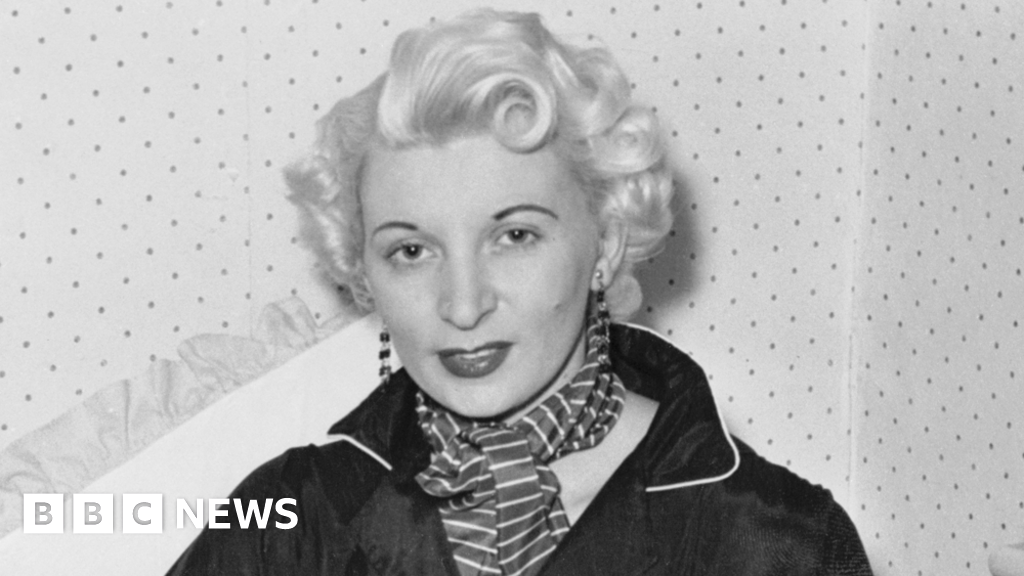
Ruth Ellis's grandchildren are seeking a posthumous pardon for her, arguing she was a victim of domestic abuse and that her execution in 1955 was a miscarriage of justice, aiming to address historical wrongs and highlight issues of violence against women.
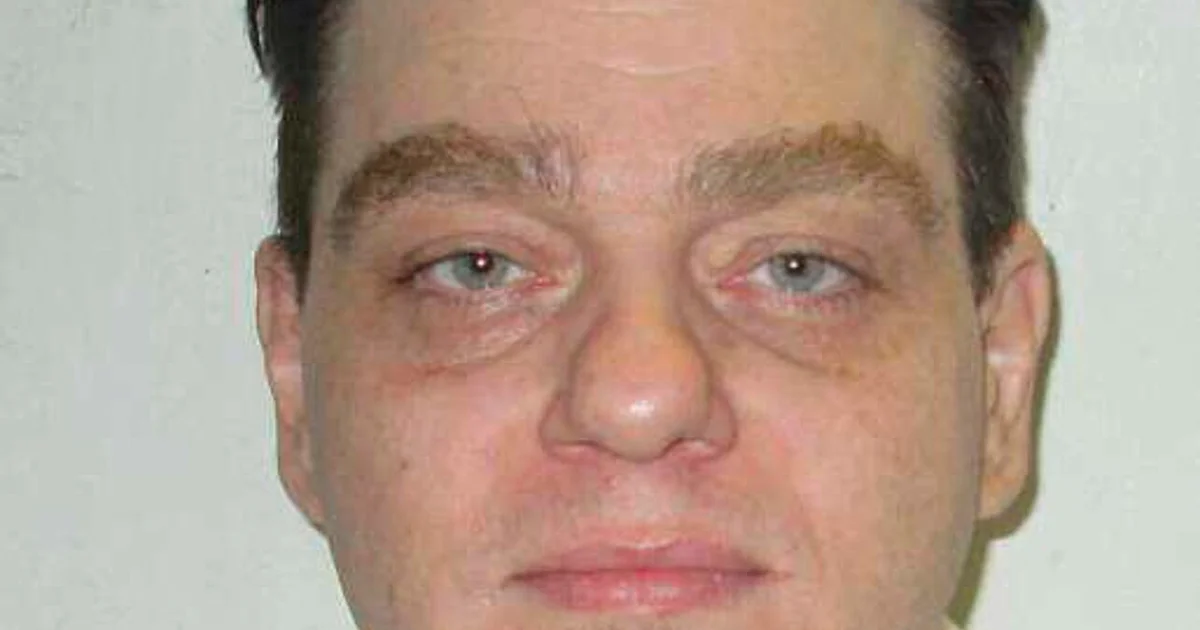
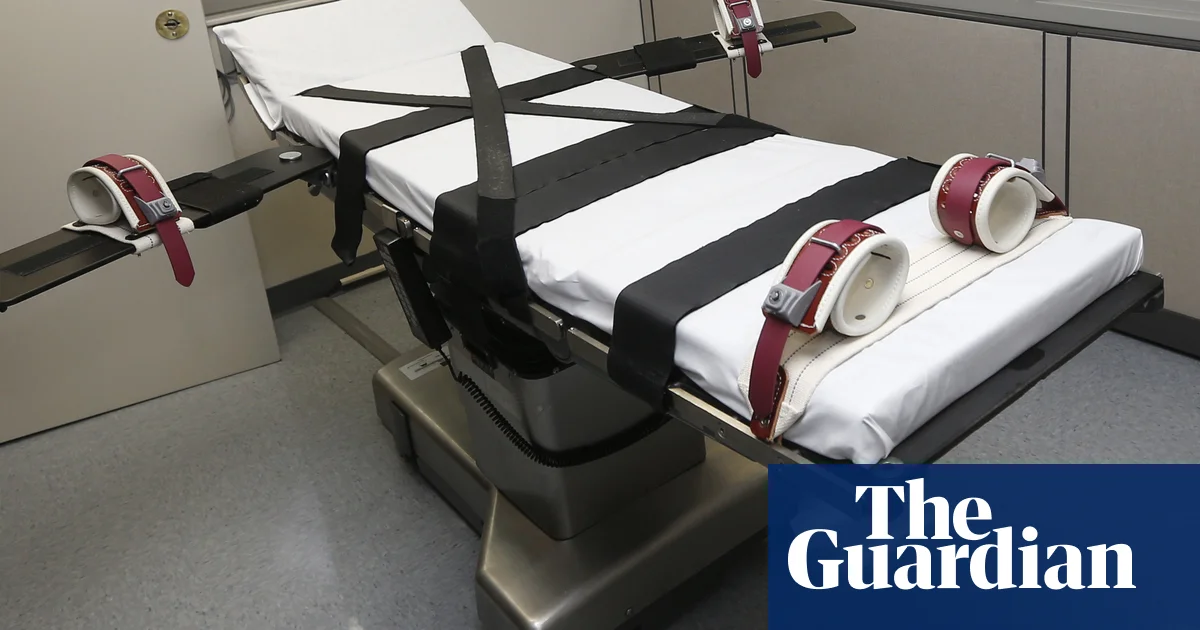
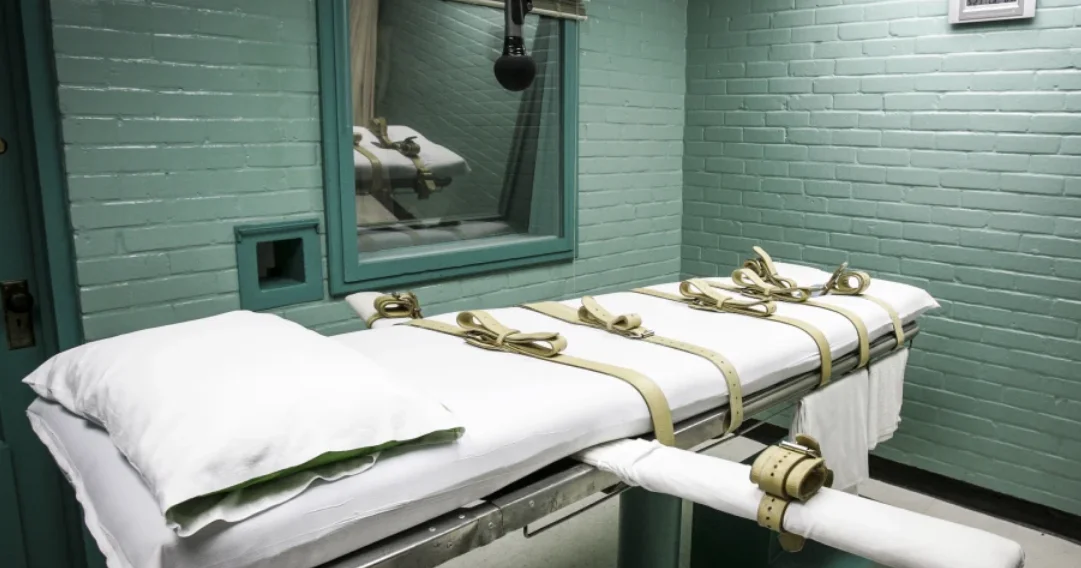
Roy Lee Ward was executed in Indiana for the 2001 rape and murder of 15-year-old Stacy Payne, marking the state's third execution since resuming capital punishment last year amid concerns over drug protocols and legal proceedings that spanned over two decades.
Roy Lee Ward was executed in Indiana for the 2001 rape and murder of 15-year-old Stacy Payne, after legal battles spanning over two decades, with his last words expressing remorse and a desire for peace for the victim's family.
An Alabama man, Geoffrey West, was executed by nitrogen gas for the 1997 murder of a store clerk, Margaret Berry, during a robbery. West expressed remorse and forgiveness to the victim's family, while the family and governor upheld the execution, highlighting ongoing debates about justice and redemption. The use of nitrogen gas as an execution method continues to be employed in Alabama.
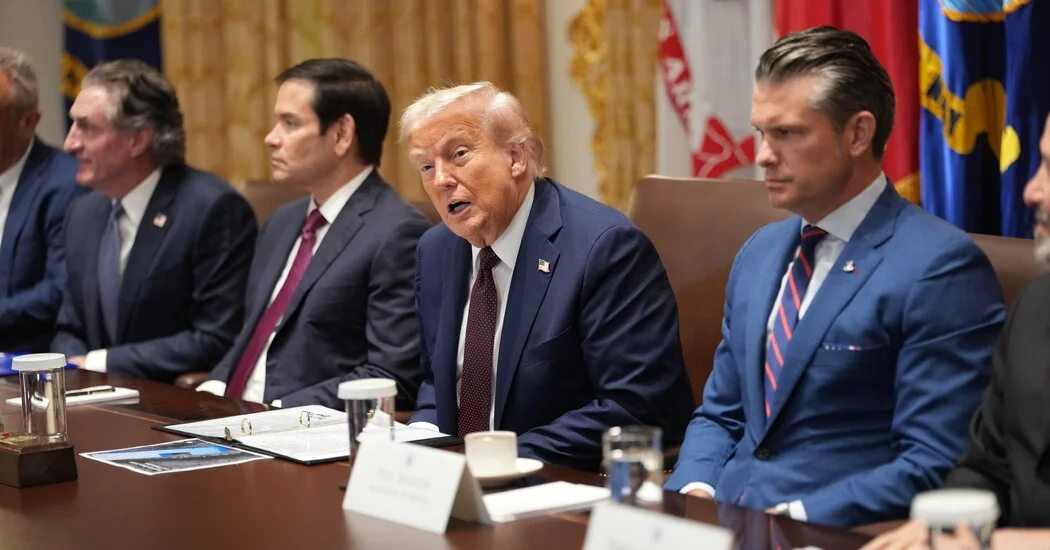
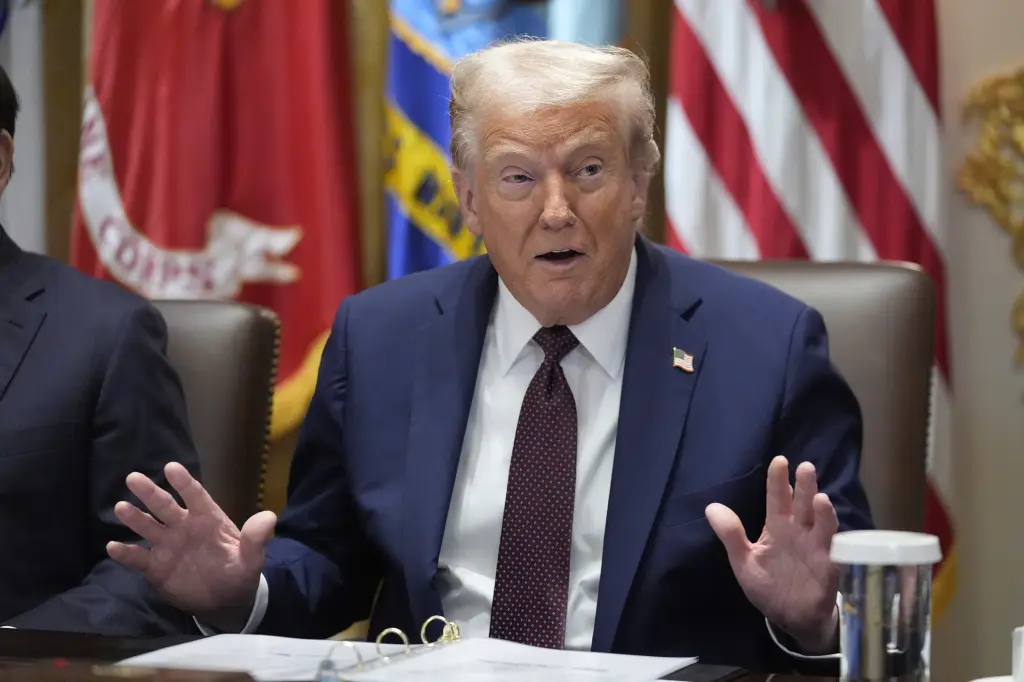
President Trump announced that his administration would seek the death penalty for all murder cases in Washington D.C., citing crime deterrence, despite the constitutional challenges and uncertainties about implementation.
President Trump has called for the Justice Department to seek the death penalty in all murder cases in Washington, DC, following the end of a 12-day murder-free streak, despite the city's long-standing abolition of capital punishment since 1981.
A Seattle woman, Teresa Youngblut, has been indicted for the murder of a U.S. Border Patrol agent in Vermont, after she allegedly shot and killed the agent during a traffic stop, with charges including murder and firearms offenses, and the U.S. government has announced plans to seek the death penalty.
Saudi Arabia has executed 17 people over three days, mostly for drug offenses, marking a rapid increase in capital punishment this year, with concerns raised over human rights and the use of the death penalty for drug-related crimes, especially involving foreigners.
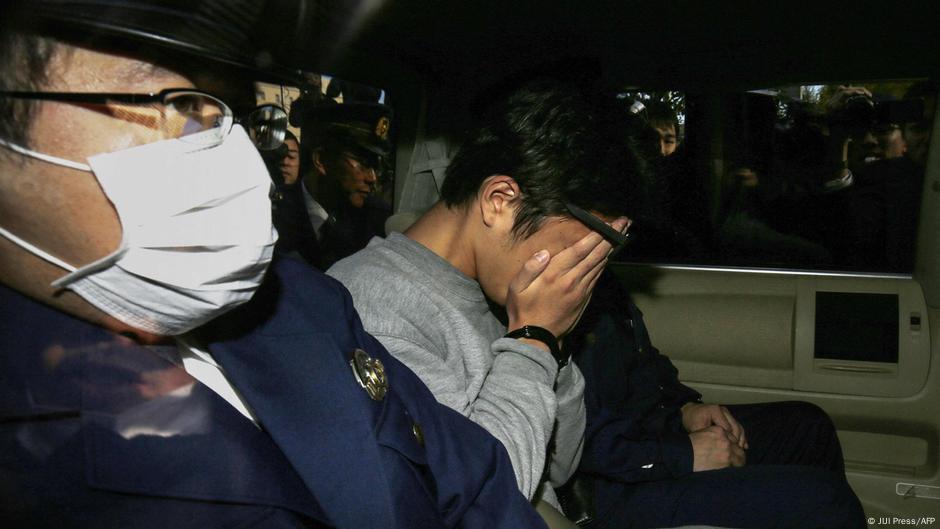
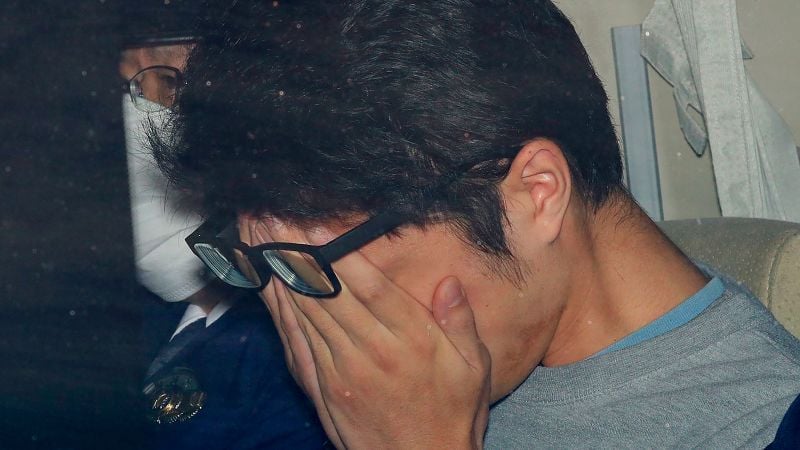
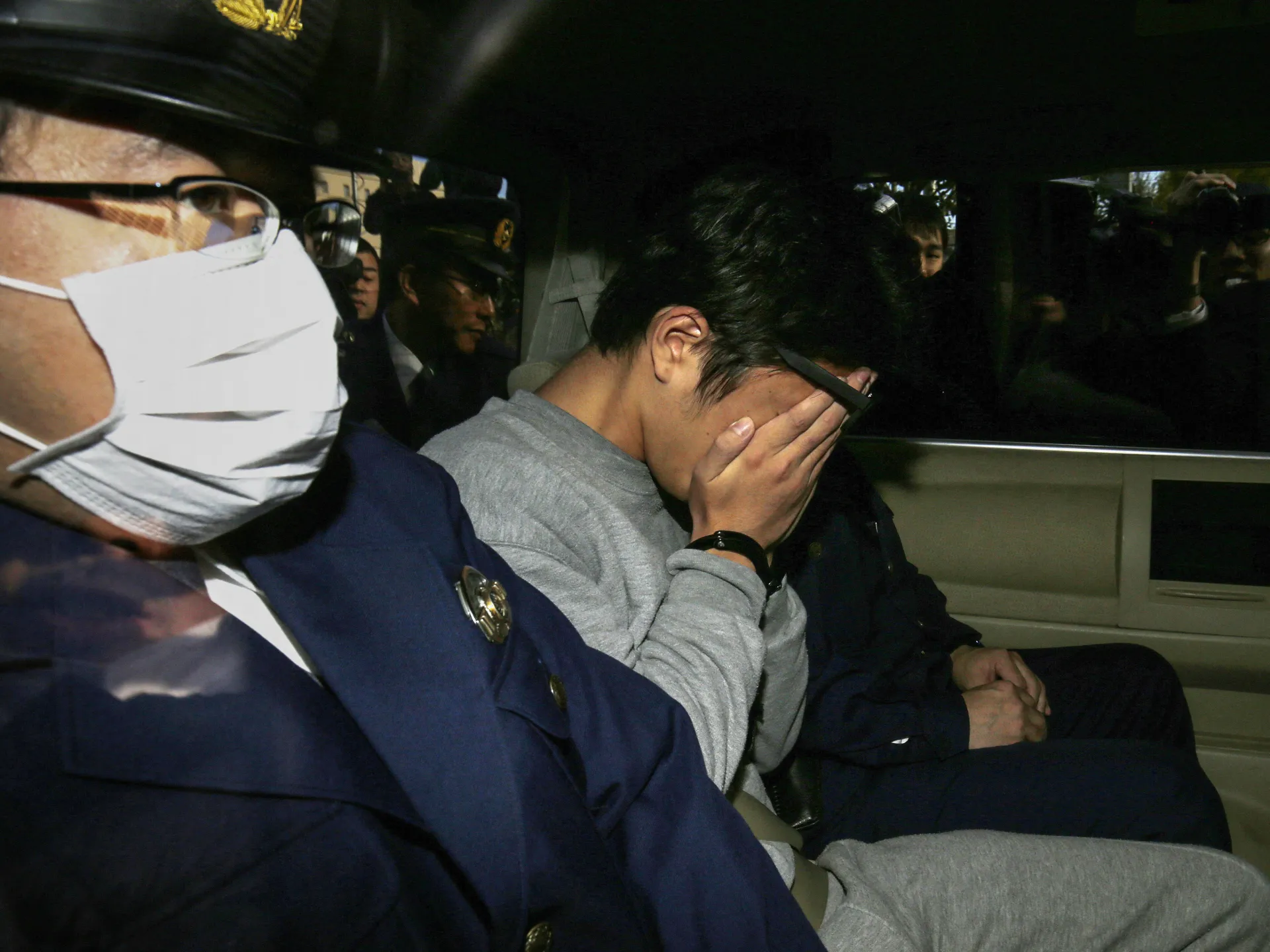
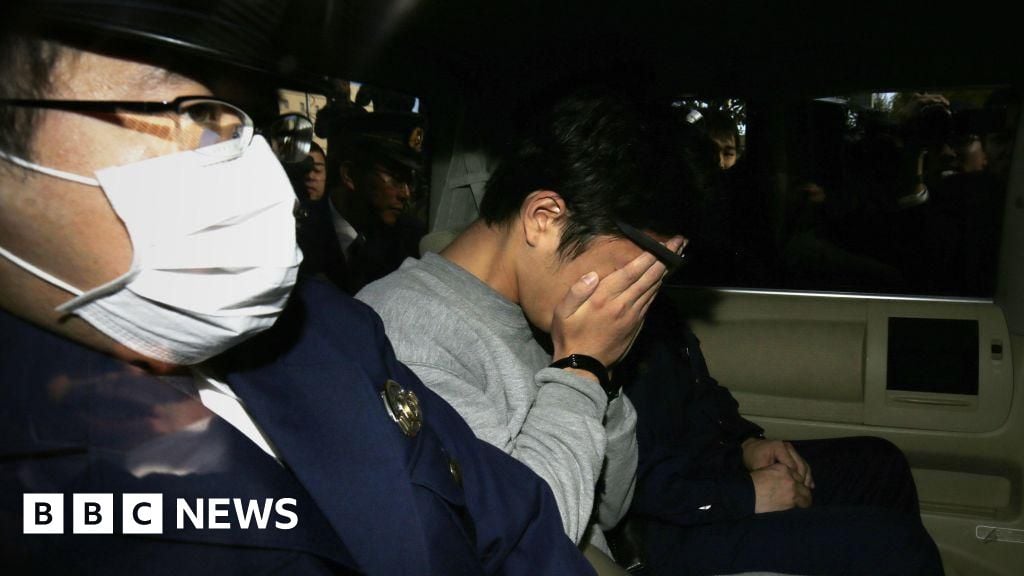
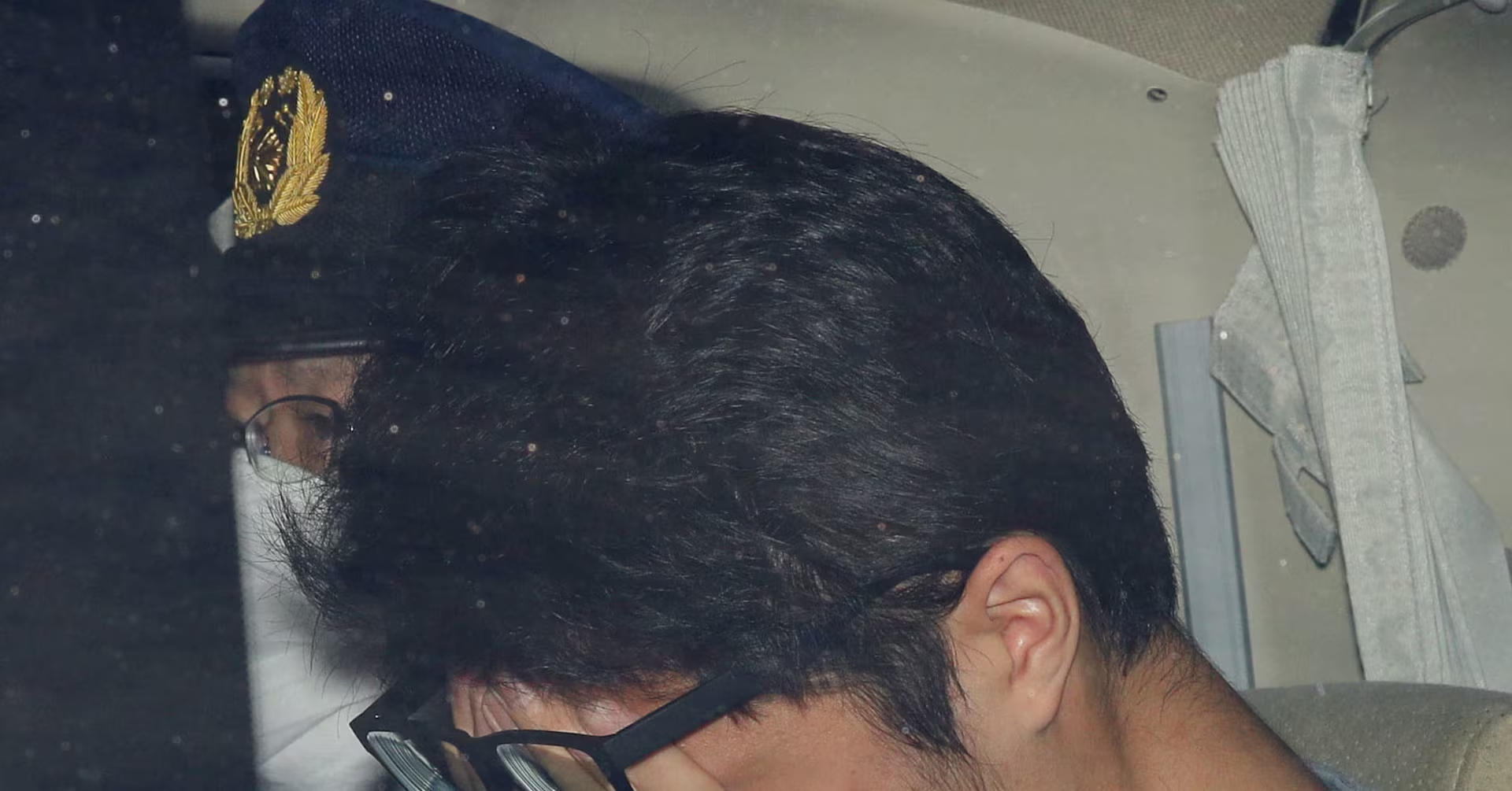
Japan executed Takahiro Shiraishi, known as the 'Twitter killer,' marking its first use of the death penalty since 2022. Shiraishi was convicted of murdering nine people, mostly young women, whom he contacted via social media and who had suicidal thoughts. The execution was carried out by hanging in Tokyo amid ongoing debates over capital punishment in Japan, where public support remains high despite international criticism.
Japan executed Takahiro Shiraishi, known as the 'Twitter killer,' who murdered and dismembered nine people, mostly women, after luring them through social media to fulfill his sexual desires, marking Japan's first execution in nearly three years.
Japan executed Takahiro Shiraishi, known as the 'Twitter killer,' who murdered nine people he contacted via social media, marking the country's first execution in nearly three years and highlighting ongoing public support for the death penalty.
Japan executed Takahiro Shiraishi, known as the 'Twitter killer,' who murdered nine young women in 2017 after luring them via social media, sparking debates on online discussions of suicide; his crimes led to changes in social media policies and the first execution in Japan since 2022.
Japan executed Takahiro Shiraishi, known as the 'Twitter killer' for murdering nine people he contacted via social media, marking the first use of capital punishment in nearly three years and the first since Prime Minister Shigeru Ishiba's government took office.
Richard Jordan, the longest-serving person on Mississippi's death row, was executed after nearly five decades for kidnapping and killing Edwina Marter in 1976. His execution marked a significant moment in the state's use of capital punishment, ending a lengthy legal process that included multiple trials and appeals, with debates over mental health and due process rights.
Carey Dale Grayson was executed in Alabama using nitrogen gas, marking the state's third use of this controversial method. Grayson, convicted of a 1994 murder, showed visible distress during the execution, which has been criticized by human rights groups. The victim's daughter opposed the execution, calling for an end to capital punishment. Alabama remains the only state using nitrogen gas for executions, a method banned for animals in many places. The execution proceeded after the US Supreme Court denied a stay request.