Tag

Kawasaki Disease

All articles tagged with #kawasaki disease

Two-Year-Old’s Kawasaki Disease Battle Ends Weeks Before Birthday
health1 month ago

Two-Year-Old’s Kawasaki Disease Battle Ends Weeks Before Birthday

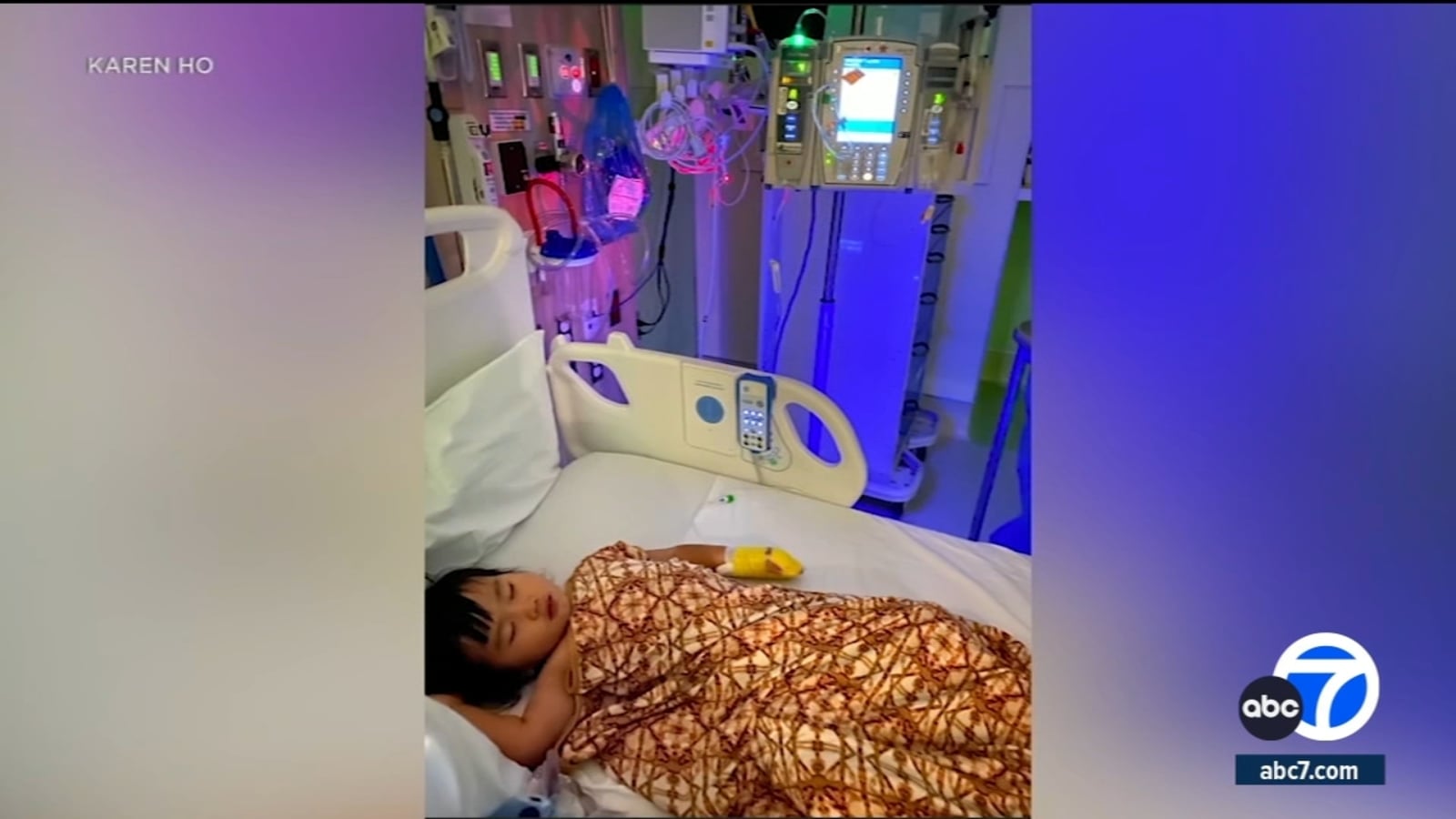
A 2-year-old boy, Hudson Hughie Martin, died after a Kawasaki disease diagnosis, a rare inflammatory illness that can resemble flu-like symptoms and affect the heart; diagnosed at 7 months, he underwent two rounds of treatment but developed a heart aneurysm and died following a collapse at home on Jan. 8. His parents say there is no definitive test for Kawasaki disease and urge awareness of its signs to ensure timely care, as a GoFundMe fundraiser was set up to support the family.

"Uncovering the Mystery: New Insights into Kawasaki Disease in Young Children"
health1 year ago

"Uncovering the Mystery: New Insights into Kawasaki Disease in Young Children"

Scientists are gaining insight into the possible cause of Kawasaki disease, a rare inflammatory condition affecting young children, as hospitals report an increase in cases. The disease causes inflammation in the blood vessels carrying oxygen to the heart and can lead to lasting heart issues if not promptly treated. New evidence suggests an infectious agent may be involved, and during the pandemic, cases dropped significantly due to measures like masking and social distancing. Prompt treatment with IVIG can lead to complete recovery, but research is ongoing to improve outcomes for the 20% of children for whom IVIG doesn't work.

"Recognizing Kawasaki Disease in Children"
health2 years ago

"Recognizing Kawasaki Disease in Children"

Kawasaki disease, a mysterious condition primarily affecting children under 5, is on the rise in the United States. It is marked by a high fever lasting more than five days, swollen lymph nodes, redness in hands and feet, and other symptoms. Without treatment, it can lead to heart damage, including aneurysms in the coronary arteries. Early detection and treatment with intravenous immunoglobulin and aspirin can lead to positive outcomes. Adults who may have had Kawasaki disease as children should consider seeing a cardiologist for evaluation.

"The Unwavering Pursuit: A Doctor's Quest to Solve Pediatric Medicine's Greatest Mystery"
health2 years ago

"The Unwavering Pursuit: A Doctor's Quest to Solve Pediatric Medicine's Greatest Mystery"

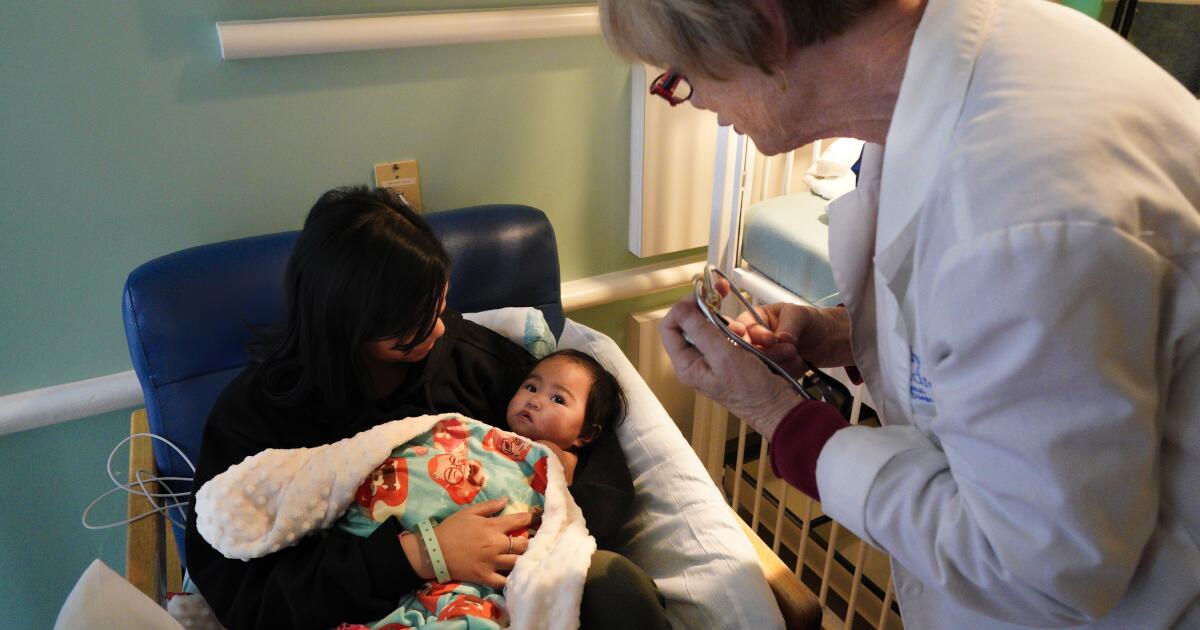
Dr. Jane Burns has spent 40 years investigating the cause of Kawasaki disease, a rare childhood illness that can lead to heart problems. The disease's symptoms can be mistaken for other illnesses, and its cause remains unknown. Dr. Burns leads the research at the University of California San Diego's Kawasaki Disease Research Center and is dedicated to solving this medical mystery.

"Recognizing Kawasaki Disease in Children"
health2 years ago

"Recognizing Kawasaki Disease in Children"

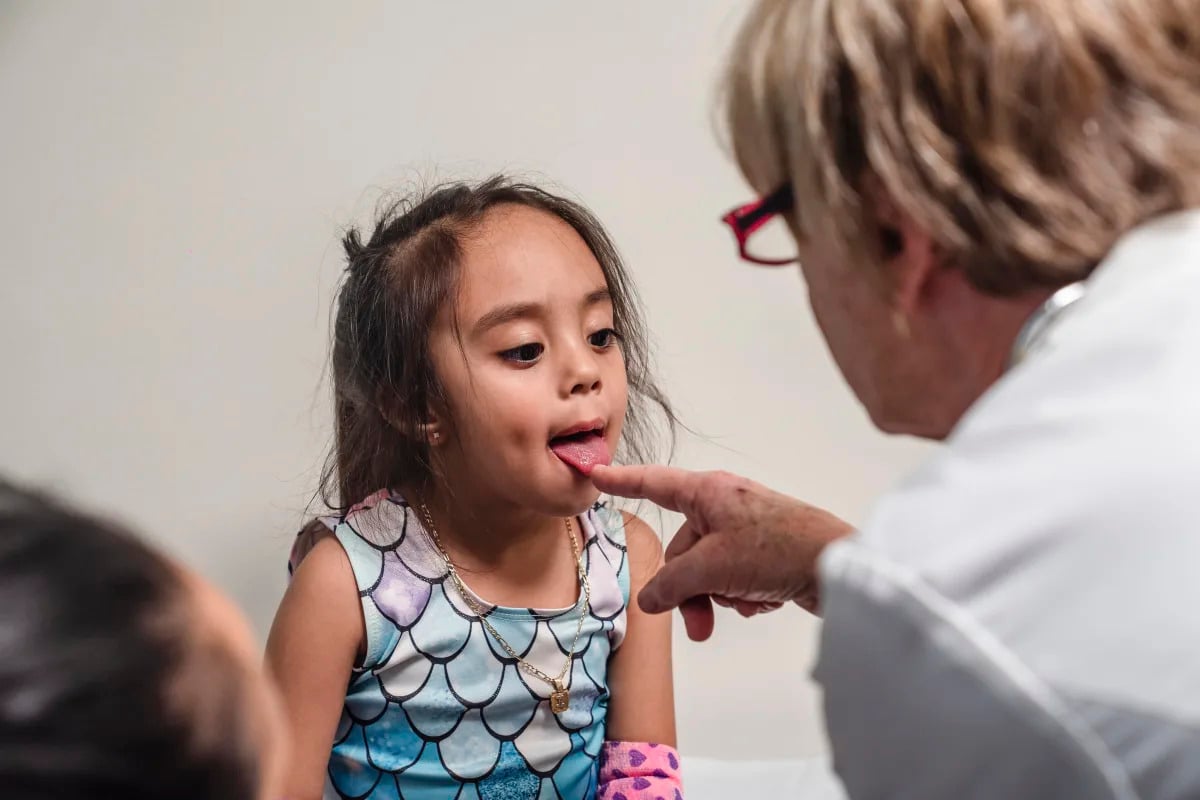
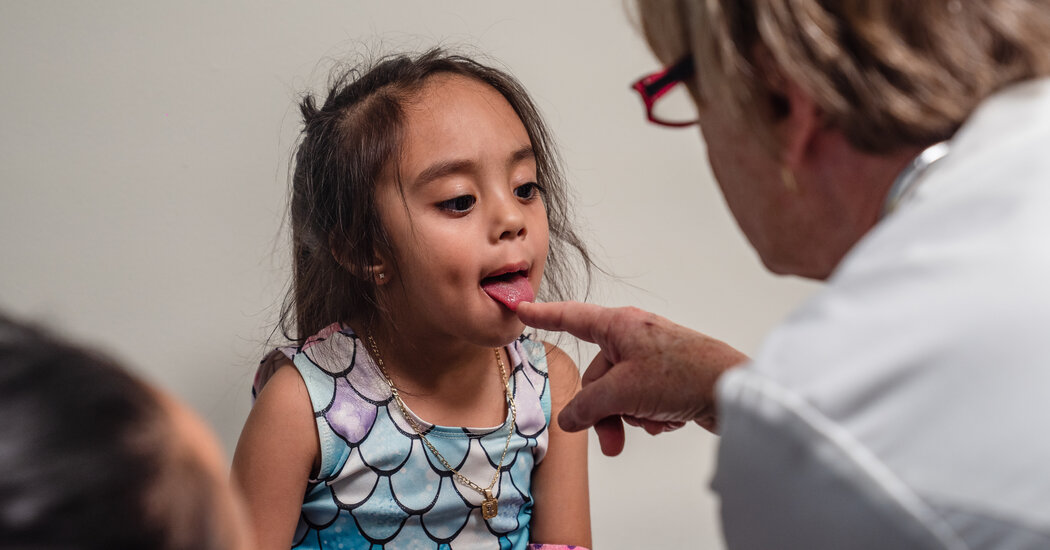
Kawasaki disease, a rare condition primarily affecting children under 5, is on the rise in the United States and is often misdiagnosed. Its cause is unknown, but some scientists believe it may result from environmental exposure or follow a bacterial or viral infection. Certain genes may make some children more susceptible. Recognizing symptoms such as red "strawberry tongue" and seeking prompt medical attention is crucial in managing the illness and preventing potential heart complications.

"Rising Kawasaki Disease Cases at Rady Children's Hospital Baffle Experts"
health2 years ago

"Rising Kawasaki Disease Cases at Rady Children's Hospital Baffle Experts"

Rady Children's Hospital has seen an increase in Kawasaki Disease (KD) cases among young children following a lull during the COVID-19 pandemic. The cause of this surge remains elusive, with hypotheses including environmental triggers such as dust from agricultural areas in China. KD, which causes severe inflammation of blood vessels, is the leading cause of acquired heart disease among U.S. children. Clinicians are using intravenous immunoglobulin (IVIG) treatment to help patients fight off infections and avoid lasting cardiovascular damage. Ongoing research aims to understand the environmental factors associated with increased exposure to KD triggers, with recent patterns suggesting a potential link to human-to-human transmission and complex social lives of older children.