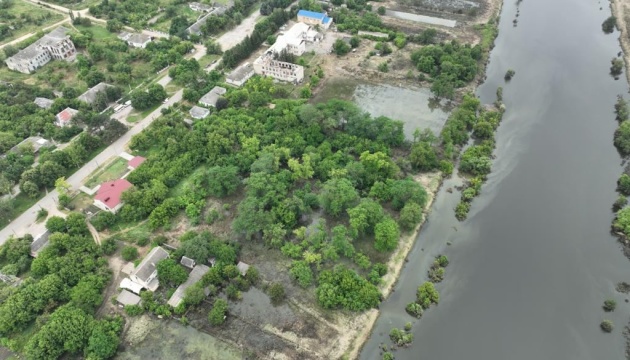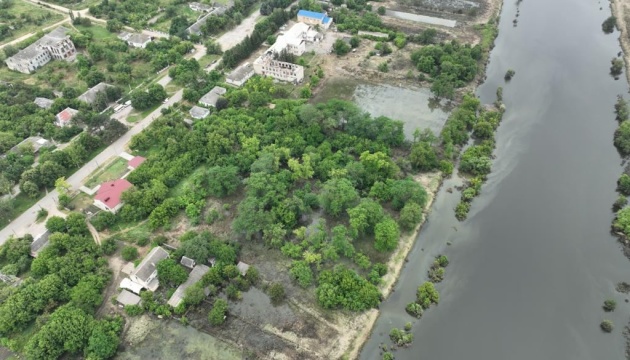
Environmental experts predict that a significant part of the trees in Ukraine's flooded areas will die out after the Russian invasion forces blew up the Kakhovka HPP dam. Up to 30% of forest plantations die out if they are flooded for up to 10 days, and when the flooding lasts longer, the likelihood of these consequences rises up to 70%. The loss of biodiversity in forests and adjacent landscapes in the affected areas in the south of Ukraine is already happening.

Utility workers from 13 regions of Ukraine have arrived in Kherson region to help tackle the aftermath of the Kakhovka HPP dam destruction caused by the Russian army. The workers are pumping out water, cleaning roads, and removing garbage. The regions have also transferred 30 units of necessary equipment to Kherson. The evacuation of the affected population is ongoing.
Twenty-eight settlements, including 17 in the temporarily occupied territory, remain flooded in Kherson region after the Russian army blew up the Kakhovka HPP. Over 2,700 people have been evacuated, and 716 people have been rescued. The State Emergency Service of Ukraine has provided psychological assistance to 401 persons. Since the beginning of the works, more than 59,000 tonnes of water have been pumped out of 245 houses and basements.
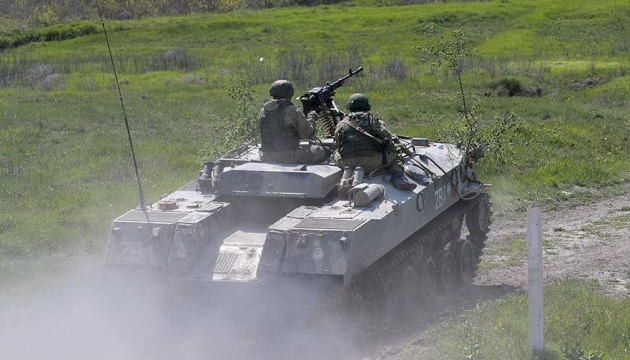
Ukraine's Ministry of Defense reported that Russia is moving its most combat-ready units, including marines, airborne troops, and the 49th army, from the Kherson direction, likely due to their own losses and limited reserves. The recent blowing up of the Kakhovka hydroelectric power plant by Russian forces was apparently done to prevent an offensive by the Defense Forces of Ukraine in the Kherson area and release necessary reserves for transfer to other areas. The Russian leadership is trying to make it impossible for Ukraine to liberate captured territories by making them eliminate the aftermath of the man-made disaster.