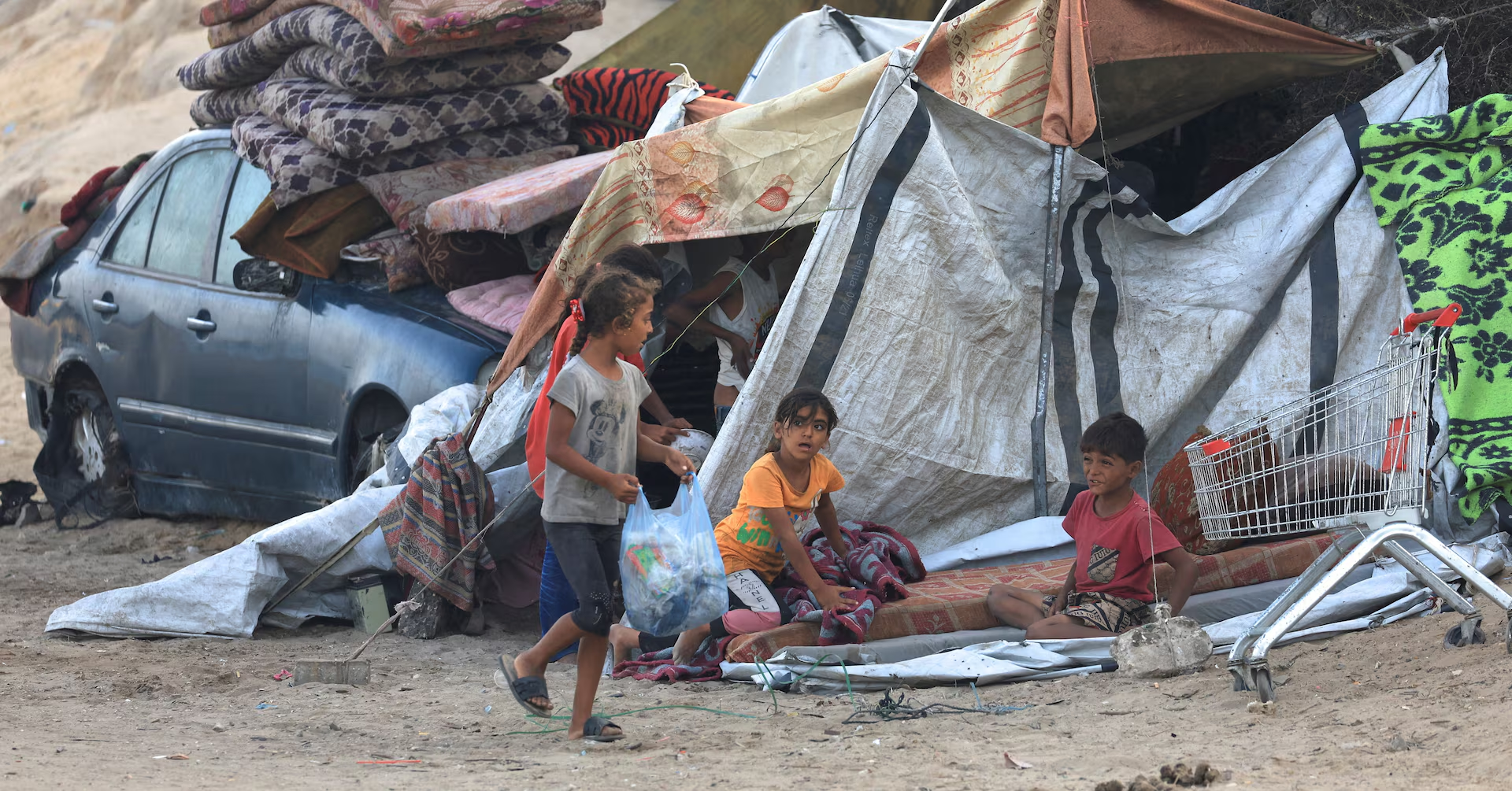
Palestinian Islamic Jihad endorses Hamas's response to a US-led peace plan, which could facilitate hostage releases amid ongoing Israeli strikes in Gaza, as tensions and military actions continue in the region.
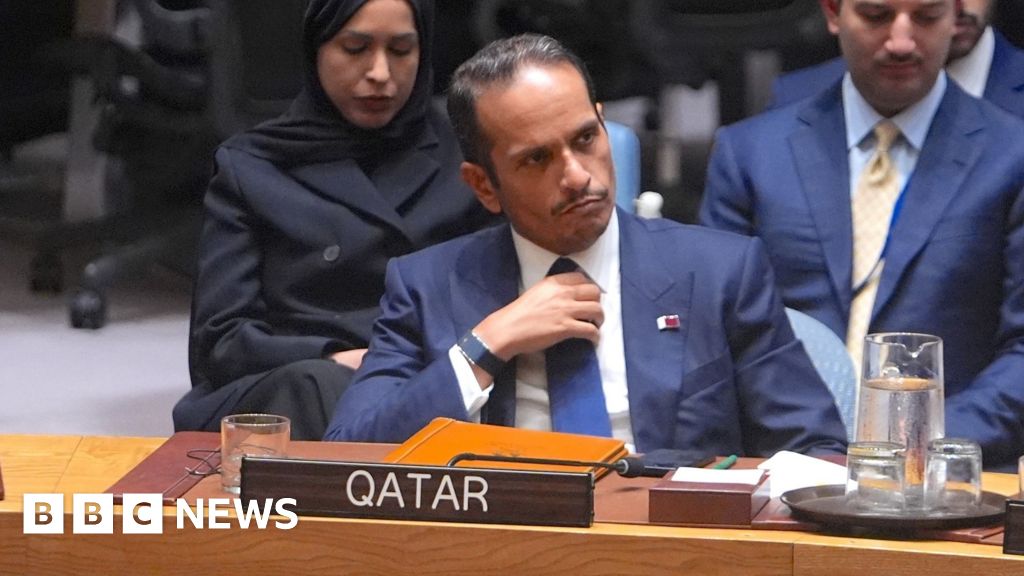
Arab and Muslim leaders gathered in Doha to condemn Israel's recent attack on Qatar, but Iran's own missile attack on Qatar three months earlier highlights a selective memory in diplomatic responses, with Iran's official criticizing Israel while having previously violated Qatar's sovereignty.
The UN Security Council condemned Israel's strikes on a residential compound in Doha targeting Hamas members, with all 15 members, including the US, backing the statement. Qatar, a key mediator in the Israel-Gaza conflict, criticized Israel's actions, while Israel defended its attack. The incident has heightened regional tensions, with neighboring countries like the UAE summoning Israeli diplomats. The US's support for the statement is notable given its usual backing of Israel.
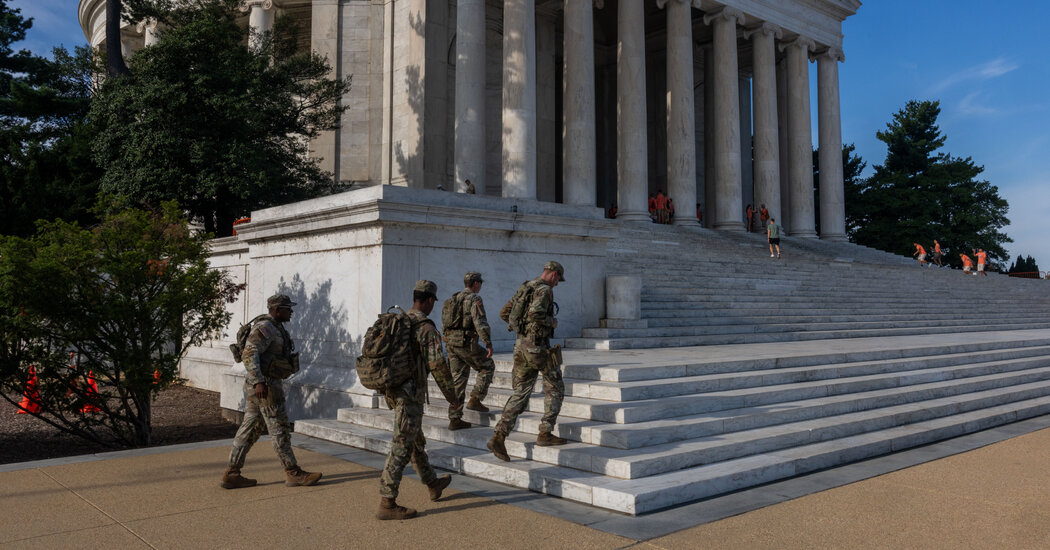
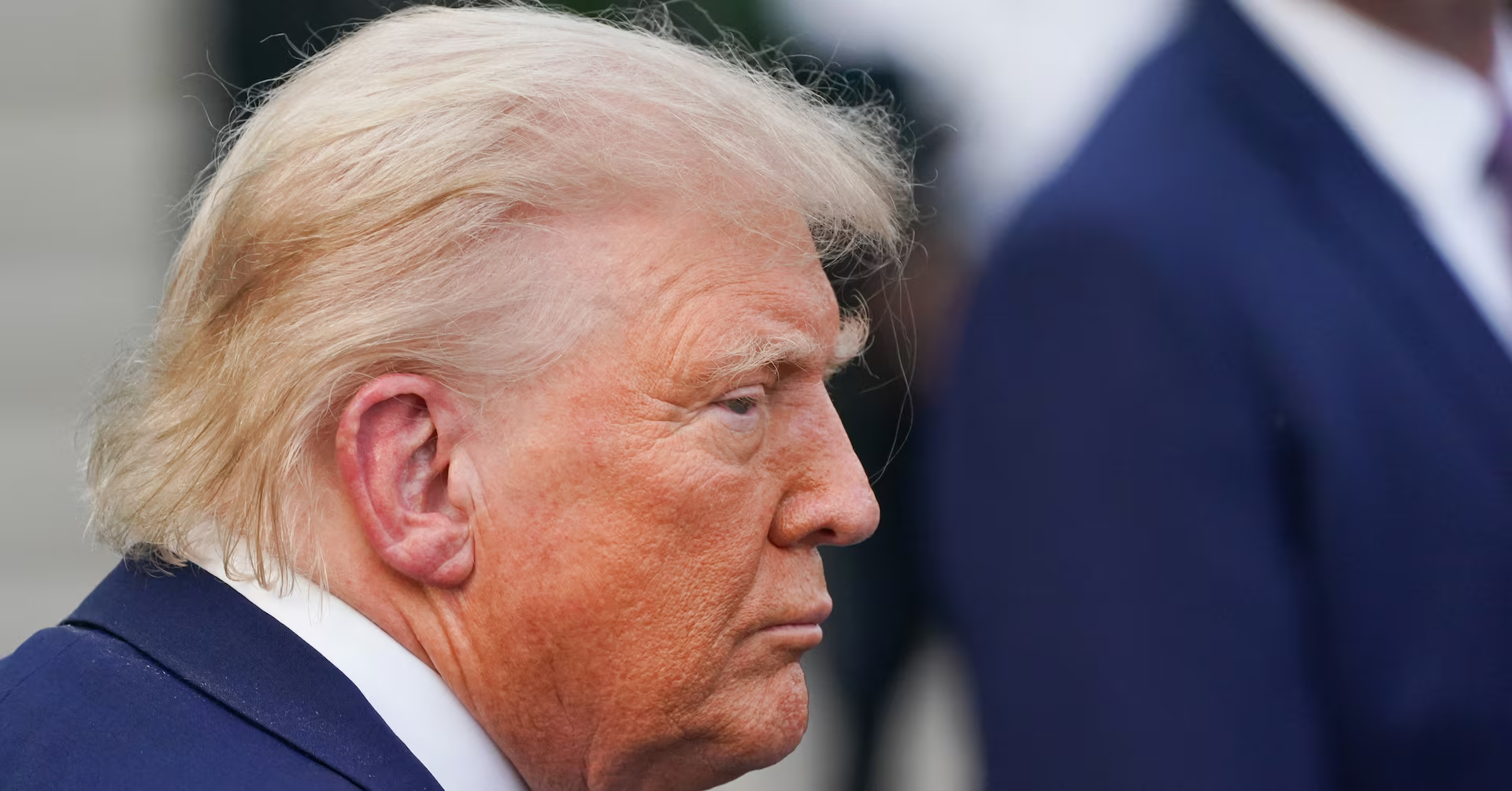
The article covers recent actions and statements by the Trump administration, including responses to Russian drone intrusions, plans to deploy National Guard to U.S. cities, diplomatic tensions involving Israel's strikes in Qatar, and legal battles over homelessness funding and contraceptive aid, highlighting ongoing political and international issues.
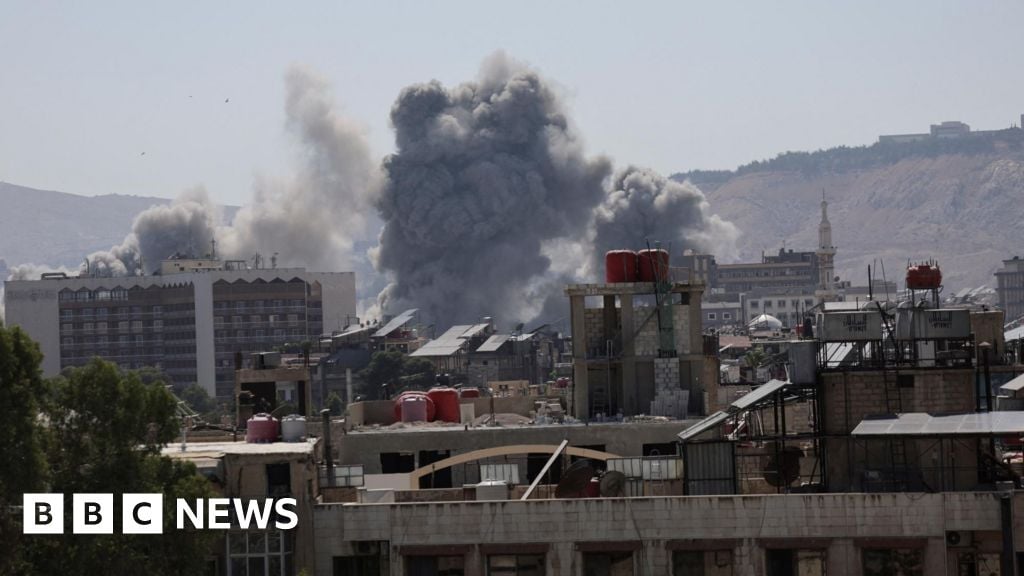
Israel conducted airstrikes on Syrian military targets in Damascus and southern Syria amid ongoing sectarian clashes in Suweida between Druze militias and Bedouin tribes, resulting in over 300 deaths and a ceasefire agreement, though tensions and violence continue.
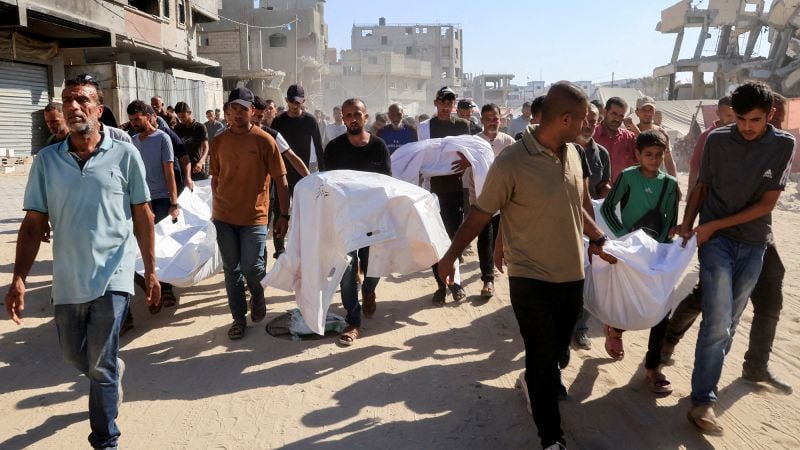
Over 80 Palestinians were killed in Gaza as Israel intensified its strikes amid ongoing ceasefire negotiations, with attacks hitting schools, aid centers, and residential areas, resulting in significant civilian casualties and destruction.
President Trump has opened a two-week window to restart stalled negotiations with Iran over its nuclear program amid ongoing Israeli strikes, with efforts led by US and European officials to find a diplomatic solution, though significant hurdles remain and Iran has refused to alter its nuclear stance.
The IAEA's Director-General Rafael Grossi identified Isfahan as the site of Iran's planned uranium enrichment facility, which Iran announced would soon be operational in retaliation for diplomatic pressures. The facility's location was not specified, but it is part of Iran's broader nuclear complex, which has been damaged by recent Israeli military strikes that have hindered IAEA inspections.
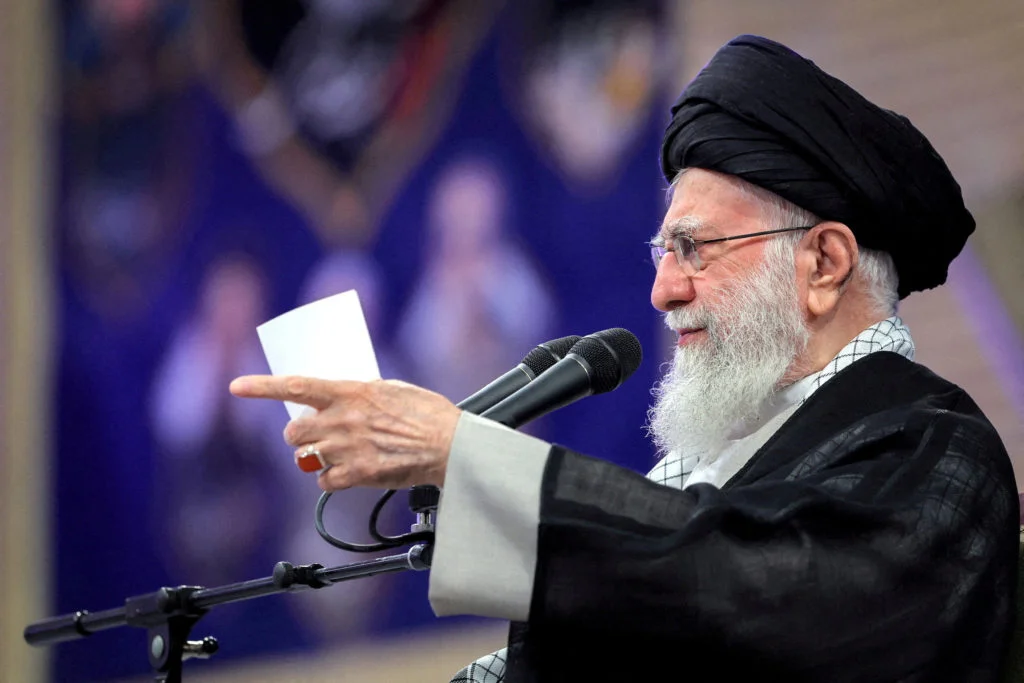
Iran's Supreme Leader Khamenei warned that US military intervention would cause irreparable damage, amid escalating tensions and Israeli strikes targeting Iran's nuclear and military sites. The US has increased military presence in the region, while Iran vows to continue enriching uranium for peaceful purposes despite Israeli attacks aimed at preventing nuclear weapon development. The conflict has resulted in significant casualties and disruptions across Iran and Israel.
U.S. President Donald Trump expressed uncertainty about whether Iran still possesses a nuclear program following Israeli strikes on Iranian facilities, and indicated that upcoming nuclear talks with Iran might be uncertain. Despite the attacks, Trump emphasized the possibility of Iran still making a deal and showed support for Israel, while also noting the ongoing diplomatic efforts and the potential for regional conflict.