Tag

Isps

All articles tagged with #isps

Supreme Court Seeks DOJ's Opinion on ISP Liability in Music Piracy Case

Originally Published 1 year ago — by Ars Technica

Featured image for Supreme Court Seeks DOJ's Opinion on ISP Liability in Music Piracy Case
Source: Ars Technica

The US Supreme Court is seeking input on whether Internet Service Providers (ISPs) should be held liable for users' piracy, following a case where record labels argue that ISPs like Cox profit from subscribers' infringement by not terminating accounts of repeat offenders. Cox contends that enforcing such rulings would unfairly require ISPs to cut off service based on unverified allegations. Meanwhile, a similar case involving Grande Communications saw the 5th Circuit Court rule against the ISP for not terminating repeat infringers, though it called for a new trial on damages.

"FCC Mandate Requires ISPs to Provide 'Nutrition Label' for Broadband Plans"

Originally Published 1 year ago — by TechHive

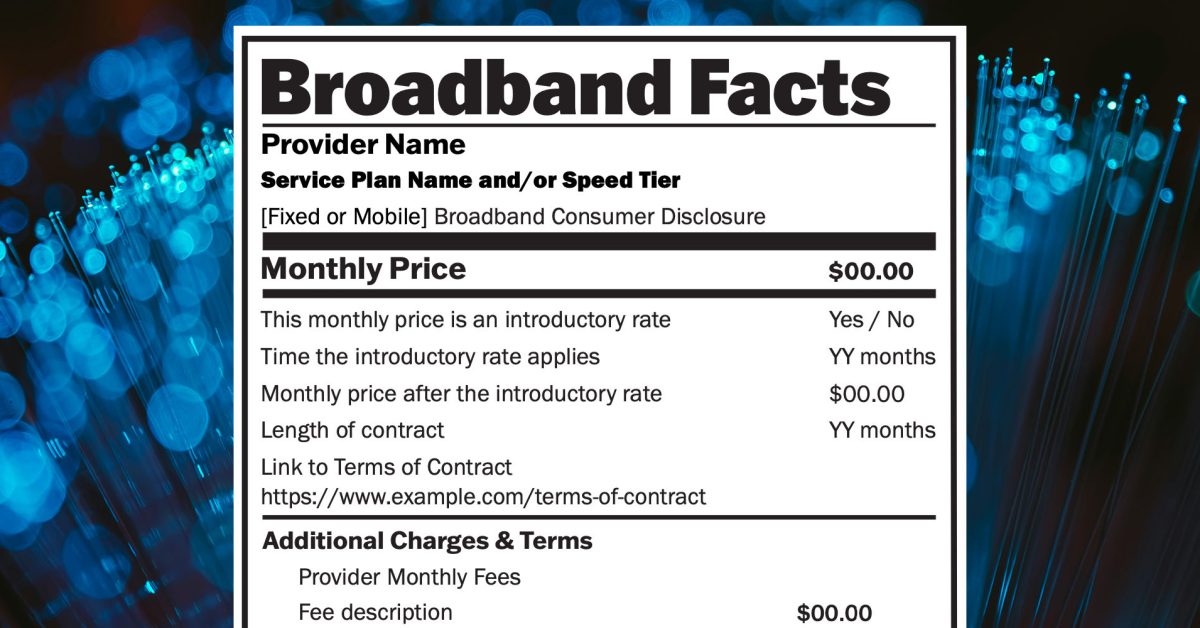
Featured image for "FCC Mandate Requires ISPs to Provide 'Nutrition Label' for Broadband Plans"
Source: TechHive

The FCC's new Broadband Facts mandate requires major ISPs in the U.S. to provide transparent information about internet service to prospective customers, similar to nutrition labels on food products. However, some ISPs are making it difficult to access these labels and omitting key details such as data cap overage charges and equipment rental fees. Grades for various ISPs' compliance with the mandate range from A- for AT&T Fiber to D for Verizon Fios, with CenturyLink being the only one to fully embrace the spirit of the rules.

"New FCC Mandate: ISPs Must Provide 'Nutrition Labels' for Internet Plans"

Originally Published 1 year ago — by Ars Technica

Featured image for "New FCC Mandate: ISPs Must Provide 'Nutrition Labels' for Internet Plans"
Source: Ars Technica

Starting today, US home Internet and mobile broadband providers are required to display consumer labels with information on prices, speeds, and data allowances, as mandated by the Federal Communications Commission (FCC). The labels must include details such as monthly price, speed, data caps, and additional fees, and must be displayed prominently at the point of sale. Despite initial industry complaints, major ISPs like Comcast, AT&T, Verizon, T-Mobile, and Charter Spectrum are complying with the new rules, which aim to provide consumers with transparent and easily comparable information about broadband services.

"FCC Mandates Broadband 'Nutrition' Labels for Transparent Internet Service Pricing and Performance"

Originally Published 1 year ago — by 9to5Mac

Featured image for "FCC Mandates Broadband 'Nutrition' Labels for Transparent Internet Service Pricing and Performance"
Source: 9to5Mac

The Federal Communications Commission (FCC) has implemented a new rule requiring internet service providers (ISPs) with over 100,000 subscribers to display broadband "nutrition" labels, disclosing true costs, speeds, data allowances, and hidden fees. The labels must include information on introductory rates, additional charges, real-life speeds, data caps, and surcharges, aiming to address consumer complaints about misleading marketing and hidden costs. This move aims to provide consumers with transparent and upfront information about broadband packages.

FCC Mandates Broadband 'Nutrition' Labels for Internet Providers

Originally Published 1 year ago — by Engadget

Featured image for FCC Mandates Broadband 'Nutrition' Labels for Internet Providers
Source: Engadget

The FCC has implemented a new rule requiring large internet service providers (ISPs) to display "nutrition labels" showing plan details, fees, data allowances, and more both in store and online, aiming to prevent hidden fees and provide transparency to consumers. The labels must include information on speeds, fees, and any additional costs, and must be easily accessible to customers. ISPs with over 100,000 subscribers must comply immediately, while smaller providers have until October 10 to do so. Consumers can file complaints with the FCC for non-compliance or inaccurate information.

FCC Reinstates Title II Net Neutrality Rules, Democrats Lead the Way

Originally Published 2 years ago — by TechSpot

Featured image for FCC Reinstates Title II Net Neutrality Rules, Democrats Lead the Way
Source: TechSpot

The FCC has voted 3-2 to reinstate "net neutrality" rules, classifying internet service providers (ISPs) as public utilities governed under Title II instead of Title I. The proposal aims to prevent broadband providers from blocking or throttling traffic unless companies pay more. This is the second time the FCC has voted to regulate private ISPs, with the previous rules being repealed in 2017. Proponents argue that government regulation is necessary to prevent ISPs from engaging in unfair practices, while opponents view it as a power grab. The proposal will face legal challenges, as it did in the past, but the courts have previously upheld the FCC's authority to impose or repeal rules.

FCC challenges ISPs' data cap amnesia.

Originally Published 2 years ago — by The Register

Featured image for FCC challenges ISPs' data cap amnesia.
Source: The Register

The Federal Communications Commission (FCC) is investigating why American ISPs continue to cap data usage despite having the technical ability to offer unlimited data plans. During the COVID-19 pandemic, many ISPs temporarily or permanently removed data limits on consumer broadband, but have since reinstated them. The FCC wants to understand how data caps are affecting consumers and competition and is also looking into its own legal authority to take action on data caps.

Canadian ISPs Crack Down on Pirate IPTV with IP Address Logging

Originally Published 2 years ago — by TorrentFreak

Canadian ISPs have successfully blocked pirate IPTV services using a dynamic blocking approach, according to a report by IP lawyer David Lipkus and Jon Wilkins. The report found that the blocking was effective and delivered a measurable benefit for a low cost, with no legitimate complaints from individuals or businesses related to blocking. However, some ISPs monitored customer traffic and disclosed that information to third parties, raising privacy concerns. The report recommends that ISPs provide more data on user activity to determine if blocking is worthwhile and will make more money for plaintiffs.