With the 2024 solar eclipse approaching, there is a rising risk from counterfeit and fake eclipse glasses that could cause permanent eye damage, emphasizing the importance of verifying glasses for safety standards and purchasing from reputable vendors to protect eyesight.
With the 2024 total solar eclipse approaching, it's crucial to ensure that eclipse glasses are safe for viewing. Genuine eclipse glasses should meet the international safety standard ISO 12312-2, which blocks harmful radiation. To verify authenticity, check for the ISO label and test the glasses by looking at a bright light. Beware of counterfeit glasses and consider purchasing from reputable vendors. Additionally, old glasses should be inspected for damage, and if needed, a pinhole projector can be used as a safe alternative for viewing the eclipse.
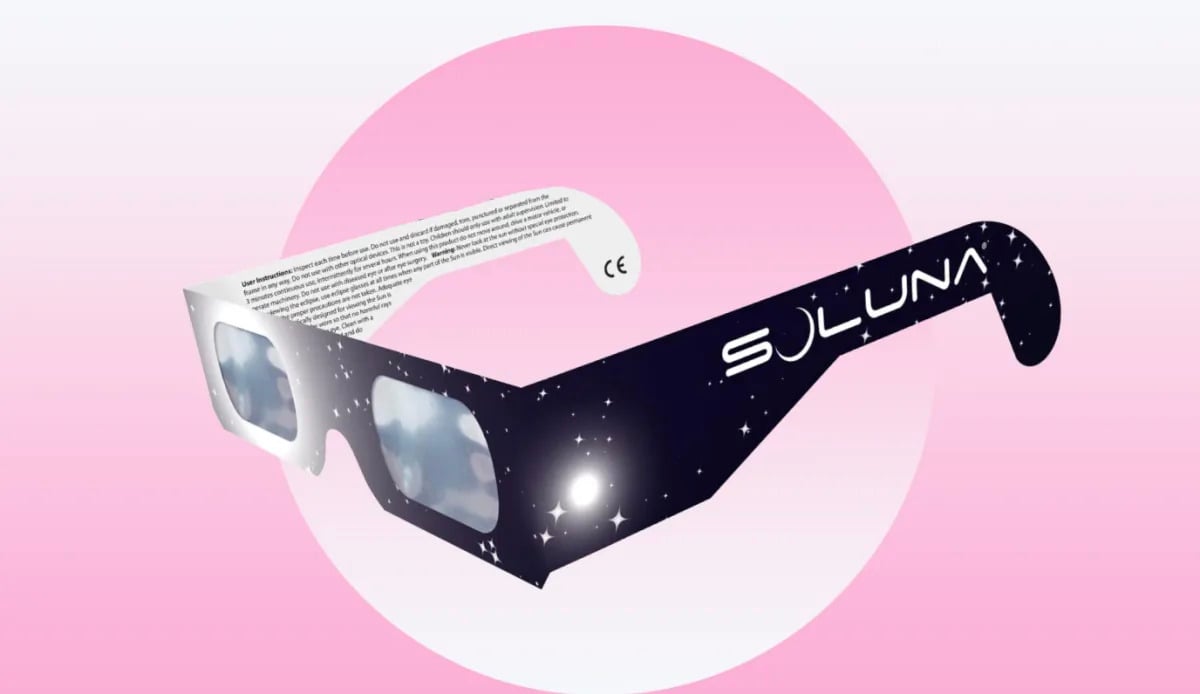
With a solar eclipse visible from the U.S. on April 8, it's crucial to protect your eyes with safe solar eclipse glasses that comply with the ISO 12312-2 standard. Staring at the sun can cause permanent damage to the retina, so it's important to choose glasses carefully. Reputable options include Soluna, MKs, Eclipsee, Celestron EclipSmart, SEIC, and Lunt, all available on Amazon. Before the eclipse, test the glasses by looking at a bright light to ensure they function properly, and remember that during totality, when the sun is fully blocked, eye protection is not needed, but it should be worn during partial phases.
With the upcoming total solar eclipse on April 8, it's crucial to use proper eye protection such as ISO 12312-2 compliant solar eclipse glasses, as regular glasses, cameras, and phones do not provide sufficient protection. Reusing old eclipse glasses is possible if they meet safety standards, but it's important to check for punctures, scratches, or tears. Additionally, it's recommended to purchase eclipse glasses from reputable vendors and test their safety before the event. Totality is the only time when it's safe to remove the glasses, and caution should be exercised when using cameras to capture the eclipse.
NASA advises Upstate New Yorkers to use specialized eye protection when viewing the upcoming total solar eclipse on April 8, 2024, and recommends eclipse glasses that meet the safety requirements of the ISO 12312-2 international standard. While NASA does not endorse specific brands, they provide a list of compliant glasses, some of which can be found at Walmart. Observers can also borrow glasses from local libraries or purchase from recommended brands like B&H Photo & Video, WebEyeCare.com, VisiSolar, and Medical King. The path of totality will span Central and Western New York, the Adirondacks, and Lake Ontario, with Buffalo experiencing the longest totality period of 3 minutes and 45 seconds.