Tag

Ionizing Radiation

All articles tagged with #ionizing radiation

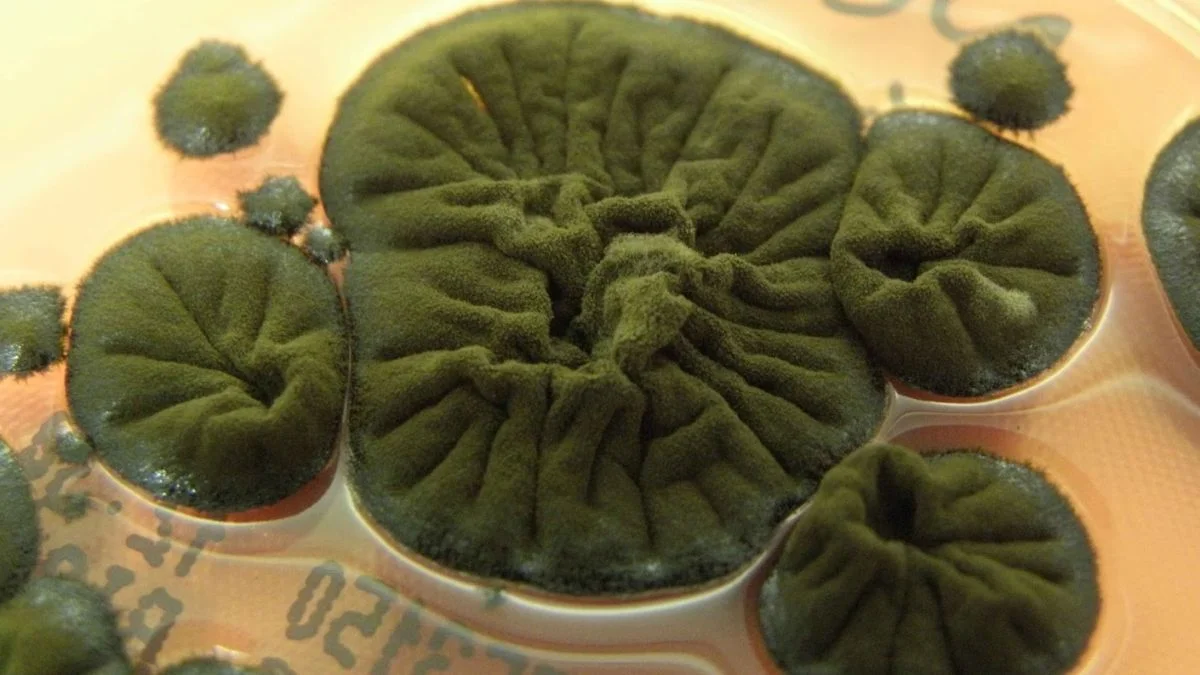
Chernobyl Fungus Hints at Radiosynthesis: Melanin May Turn Radiation Into Energy
science4 hours ago

Chernobyl Fungus Hints at Radiosynthesis: Melanin May Turn Radiation Into Energy

Scientists studying the black fungus Cladosporium sphaerospermum in the Chernobyl Exclusion Zone report it grows better in ionizing radiation, possibly via a radiosynthesis-like process in which melanin could harvest energy while shielding the fungus from damage; though earlier work suggested a photosynthesis‑like pathway and a 2022 ISS experiment showed radiation shielding, a concrete energy-harvesting mechanism remains unproven, leaving the exact purpose of radiation tolerance uncertain and highlighting life’s adaptations in extreme environments.

Radiation-exposed fathers linked to subtle DNA changes in their children
science1 month ago

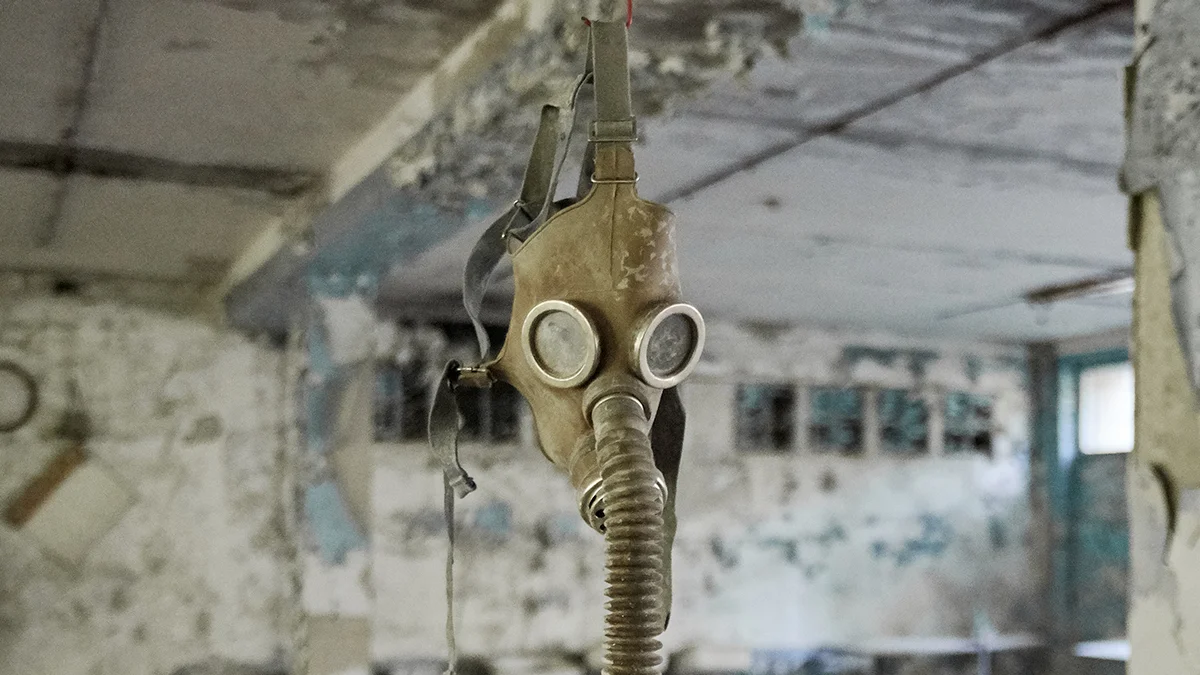
Radiation-exposed fathers linked to subtle DNA changes in their children

A Scientific Reports study analyzing whole-genome data from 130 offspring of Chernobyl cleanup workers, 110 offspring of radar operators, and controls finds a higher count of clustered de novo mutations (cDNMs) in children of irradiated parents (average 2.65 per child in the Chernobyl group, 1.48 in the radar group, 0.88 in controls), with higher parental radiation dose associated with more cDNMs. Most cDNMs occur in non-coding DNA, suggesting minimal disease risk, and the overall risk of disease in offspring remains small. The study notes limitations, including historical exposure estimates and potential participation bias, and emphasizes a transgenerational effect of prolonged low-dose ionizing radiation.

The Dual Nature of Radiation: Unveiling its Positive Side
science-and-technology2 years ago

The Dual Nature of Radiation: Unveiling its Positive Side

Radiation is a natural phenomenon and not always harmful. While there are different types of radiation, ionizing radiation is the most concerning as it can break chemical bonds and increase the risk of cancer. Alpha particles are easily blocked and considered the least harmful, while beta particles are electrons that can penetrate objects. Gamma rays are high-energy electromagnetic waves that can interact with matter and require thick shielding. Neutron radiation involves the ejection of neutrons from a radioactive nucleus and can be slowed down with hydrogen. Radiation can be detected using devices like Geiger counters, scintillators, and even smartphones.

Effective Decontamination Methods for Radioactive Objects.
science3 years ago

Effective Decontamination Methods for Radioactive Objects.

Objects and people exposed to dangerous levels of radiation can be decontaminated by wiping down the contaminated object or washing it with soap and water. Heavily contaminated objects are decontaminated using strong chemicals such as nitric acid and permanganate. If an object can't be decontaminated with water or chemical treatments, it's probably best to put it in the storage silo. Many hazardous radioactive materials take an extremely long time to peter out on their own.