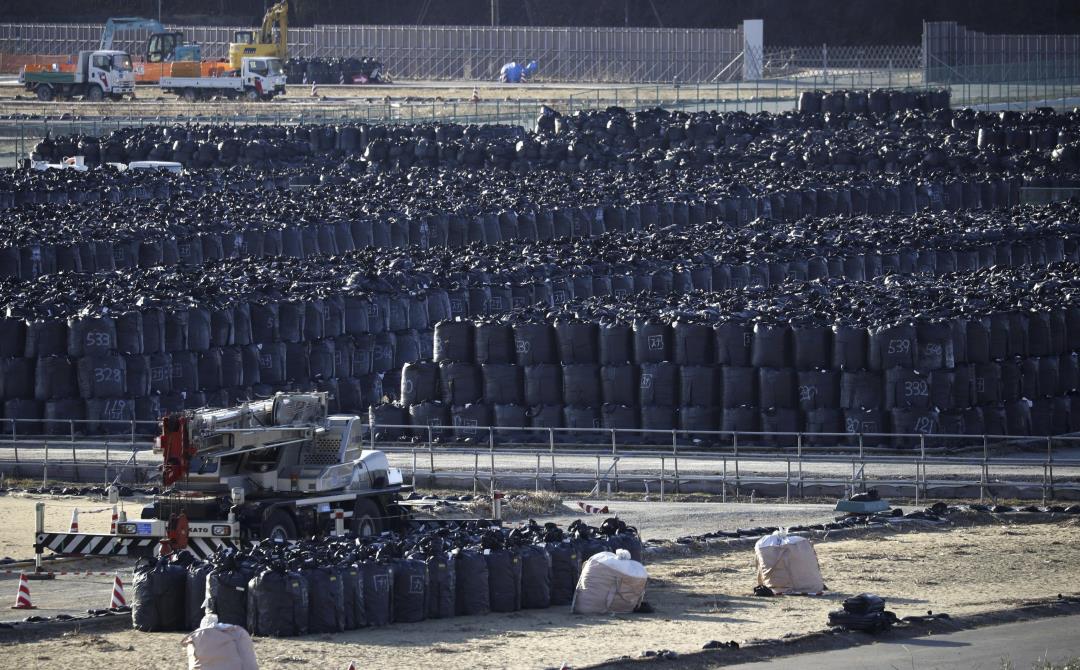
Japan plans to reuse slightly radioactive soil from Fukushima in flower beds outside Prime Minister Ishiba's office to demonstrate safety, amid ongoing decontamination efforts and public concern over radioactive waste disposal.
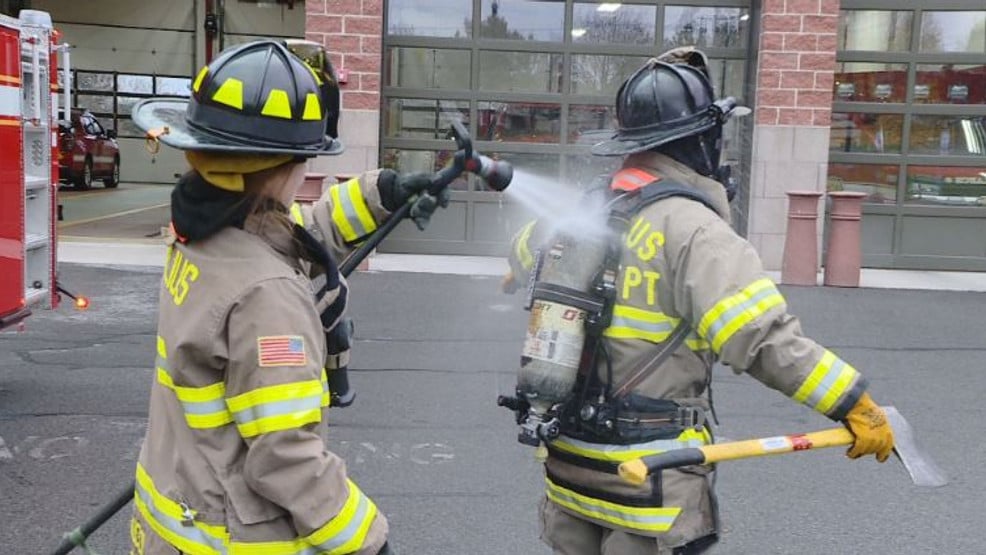
Firefighters have a higher risk of cancer, with a nine percent increase in diagnoses and a 14 percent increase in cancer-related deaths compared to others. Mahlon Irish Jr., a former fire chief, introduced the practice of gross decontamination to fire stations in Central New York after being diagnosed with cancer. This process involves washing off carcinogens and ash from firefighter gear after responding to a call. While some firefighters are hesitant to adopt this practice, Irish emphasizes the importance of protecting their health. He has spent $2 million on his own health since his diagnosis and hopes to make a difference in reducing cancer risks for firefighters.
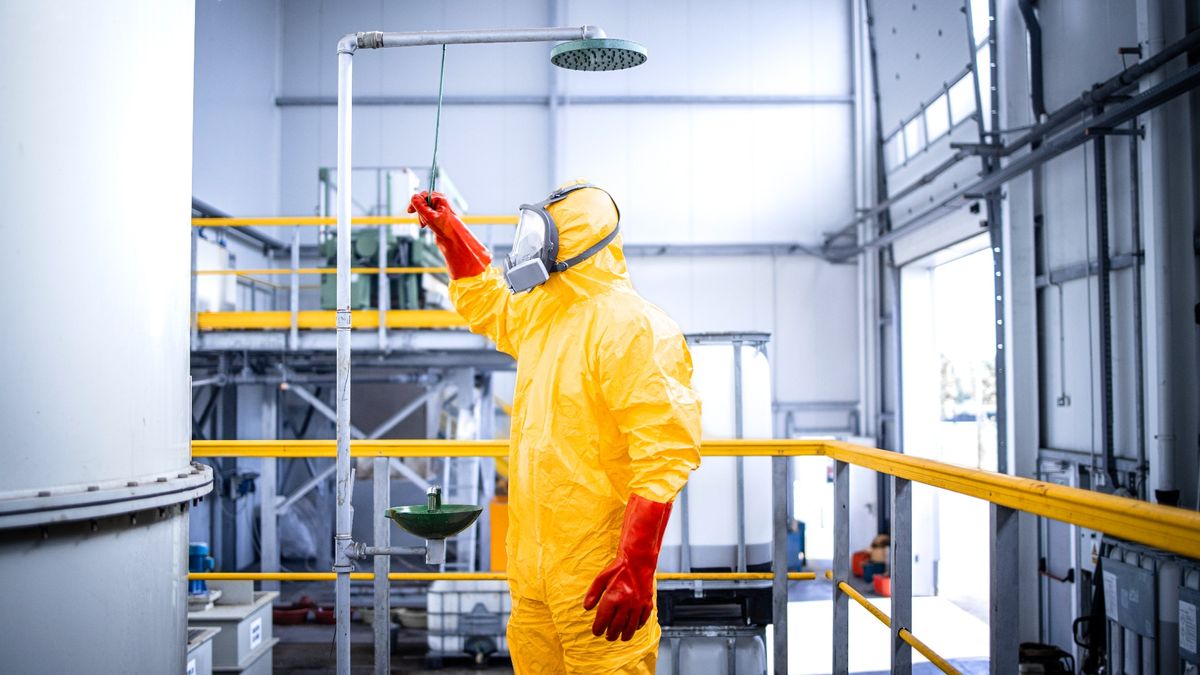
Objects and people exposed to dangerous levels of radiation can be decontaminated by wiping down the contaminated object or washing it with soap and water. Heavily contaminated objects are decontaminated using strong chemicals such as nitric acid and permanganate. If an object can't be decontaminated with water or chemical treatments, it's probably best to put it in the storage silo. Many hazardous radioactive materials take an extremely long time to peter out on their own.