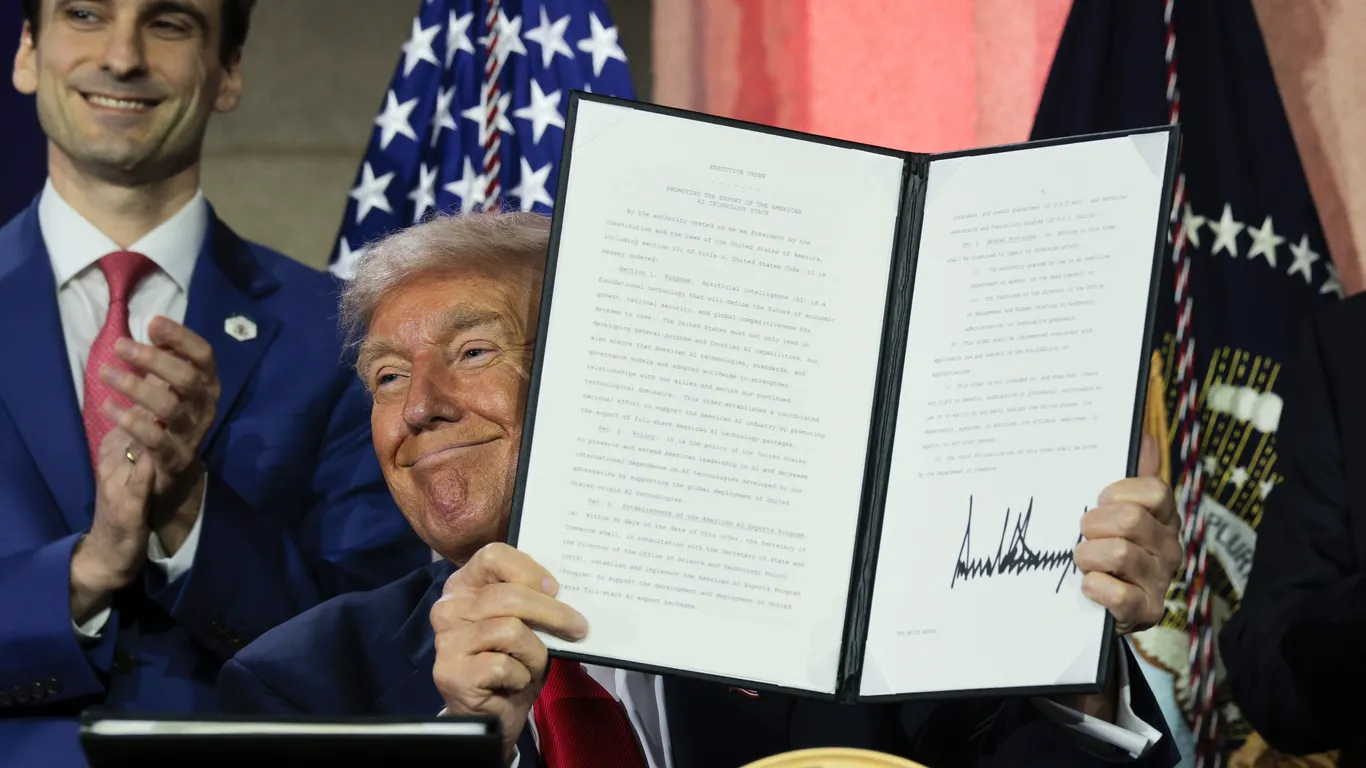
President Trump's new executive order promotes the revival of civil commitment to address homelessness by encouraging the placement of individuals with mental health issues into treatment facilities without their consent, a move criticized for potentially violating rights and disproportionately affecting vulnerable groups.
California Governor Gavin Newsom has signed a series of bills that aim to transform the state's mental health system, including loosening rules on involuntary treatment under the Lanterman-Petris-Short Act. The new legislation has sparked concerns about potential infringements on civil liberties. Newsom is also expected to sign legislation for a $6.4 billion bond to fund new treatment beds and supportive housing, as well as an overhaul of the state's mental health services funding. These changes come as the state's growing unhoused population, many of whom have serious mental health conditions, faces a major focus in mental health initiatives. Critics argue that the focus should be on addressing poverty and investing in affordable housing and voluntary treatment services rather than involuntary confinement.
Politicians and psychiatrists in California and Oregon are proposing changes to civil commitment laws to allow for more involuntary treatment of people with untreated addictions or mental illnesses who are stuck cycling between the streets, county jails, and state psychiatric hospitals. However, opponents fear a return to bygone policies of locking people up just for being sick. The shift is dividing liberals over the very meaning of compassion and which rights should take precedence: civil rights like freedom of movement and medical consent? Or the right to appropriate medical care in a crisis?