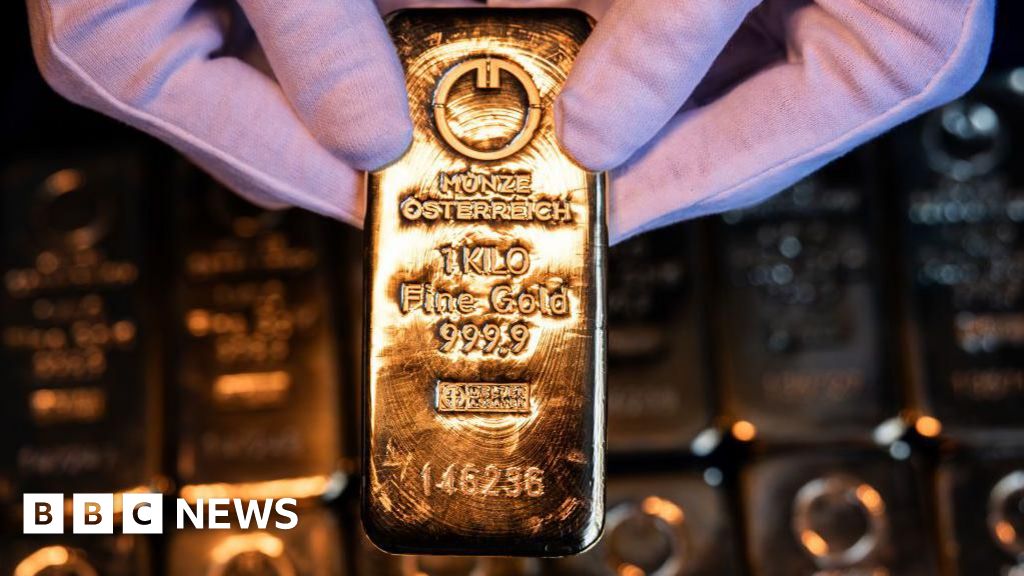
Gold and silver prices reached record highs due to investor demand driven by expectations of US interest rate cuts, geopolitical tensions, and global central bank gold holdings, with gold surpassing $4,400 an ounce and silver hitting $69.44, marking significant year-to-date increases.
Bitcoin's October performance has disappointed, breaking its 6-year trend of roughly 20% gains, with an 8% decline driven by reduced US investor demand, ETF outflows, and slowing treasury acquisitions, leading market participants to await new catalysts for future gains.
London Stock Exchange Group is considering implementing 24-hour trading to meet increasing demand from small investors, with discussions ongoing about the technological and regulatory aspects of such a move, amidst a broader trend of global exchanges extending trading hours.
Global sovereign bond auctions from the US to Japan show weakening demand, reflecting growing investor concerns over fiscal sustainability and higher long-term yields, which could impact governments' borrowing strategies amid rising global debt levels.
Investor demand for corporate bonds has surged, with about $50 billion of bonds sold in the past two weeks to finance acquisitions and spinoffs, marking a steep surge in M&A financing after the slowest year for dealmaking in a decade. US corporate investment-grade bond sales are set to surpass $60 billion for the first time in nearly two years, with some $276 billion of pending M&A activity potentially needing financing.
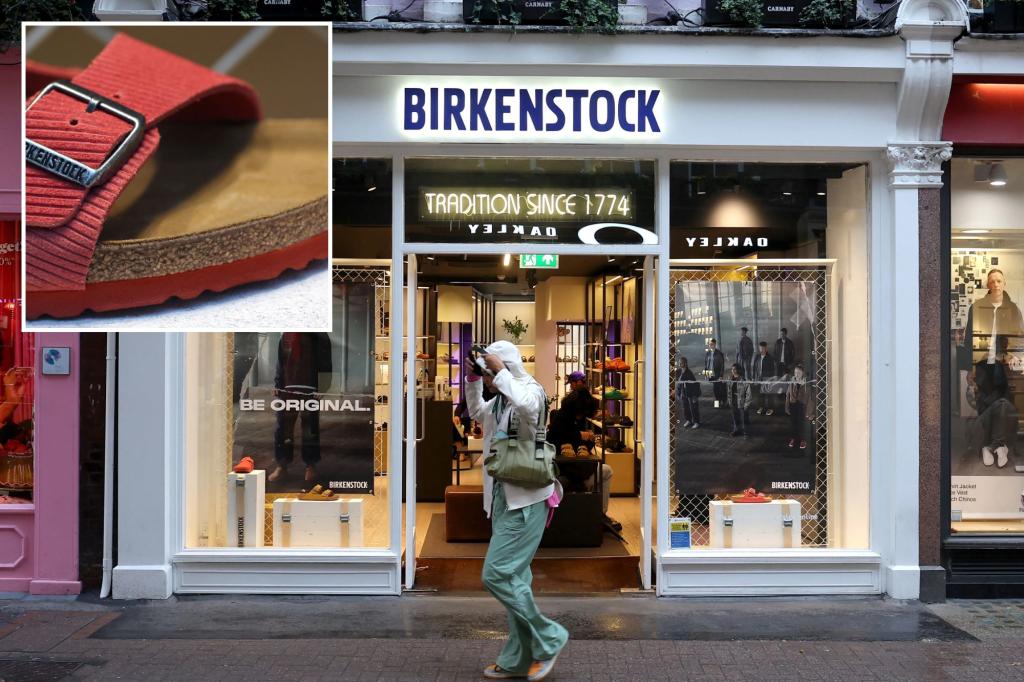
German sandal maker Birkenstock had an underwhelming IPO debut on Wall Street, with its stock closing more than 12% below its initial public offering price. The shares started trading at $41, below the IPO price of $46, and closed at $40.20. This marks the worst debut by a company worth over $1 billion in nearly two years. The weak performance reflects cautious investor sentiment towards new listings, as other recent high-profile IPOs have also seen their shares fall. Despite the disappointing debut, Birkenstock still has a market capitalization of over $8 billion, double the amount at which L Catterton acquired a majority stake in the company earlier this year.
Instacart has raised the price range for its upcoming initial public offering (IPO) to target a fully-diluted valuation of up to $10 billion, following the successful debut of Arm Holdings. The price hike reflects strong investor demand for the grocery delivery app. September is expected to be a busy month for new listings, with several companies, including Neumora Therapeutics and Klaviyo, preparing to go public. Instacart plans to sell 22 million shares at $28 to $30 each, potentially raising $660 million. The raised valuation target is still significantly lower than its previous valuation of $39 billion.