The SEC has charged three purported crypto trading platforms and four investment clubs with defrauding retail investors of over $14 million through fake trading platforms, false offerings, and social media scams, involving misappropriation of funds and false claims of government licenses and AI-generated investment tips.
Miles 'Burt' Marshall, a trusted local businessman in upstate New York, was indicted for allegedly running a $95 million Ponzi scheme, deceiving nearly 1,000 investors including community members and college professors, leading to significant financial losses and his bankruptcy.
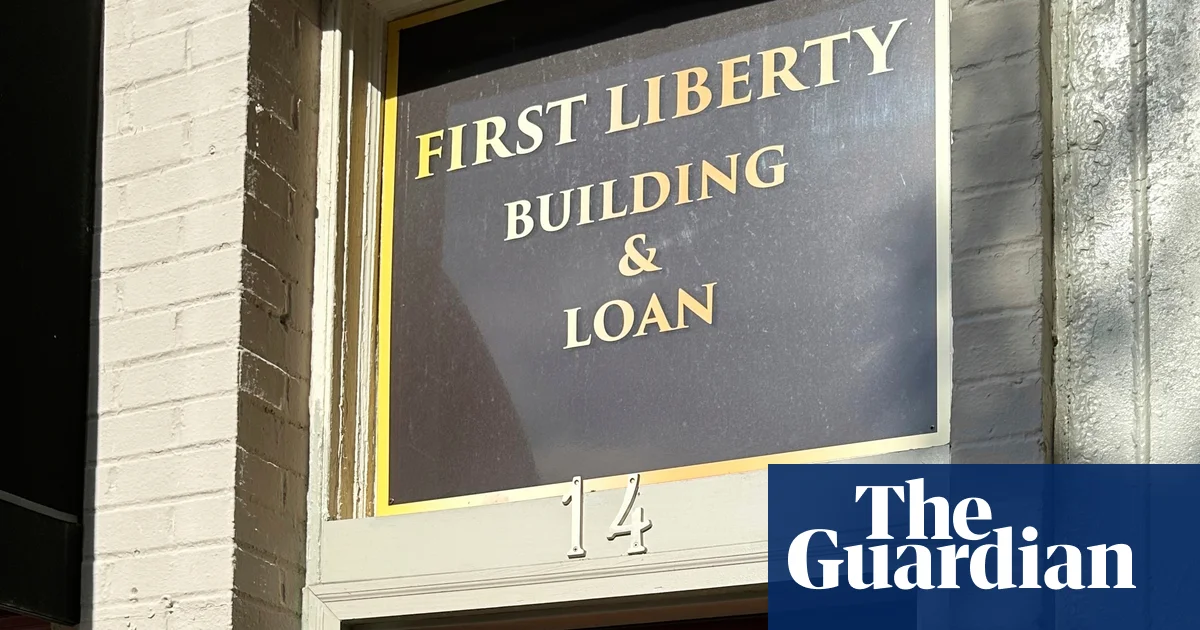
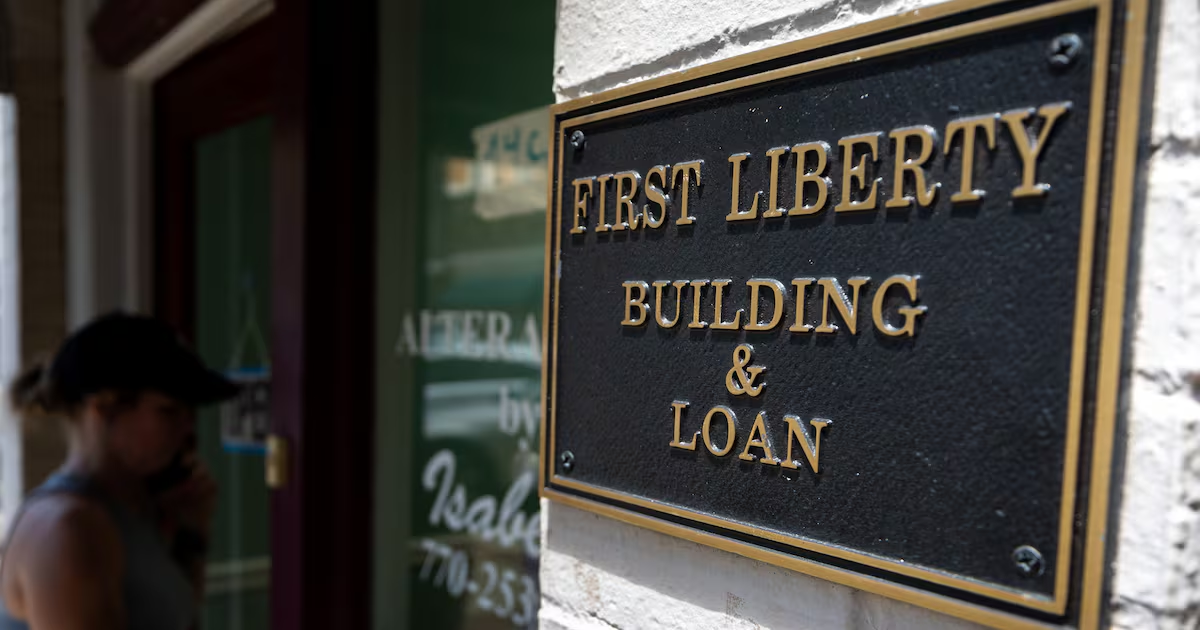
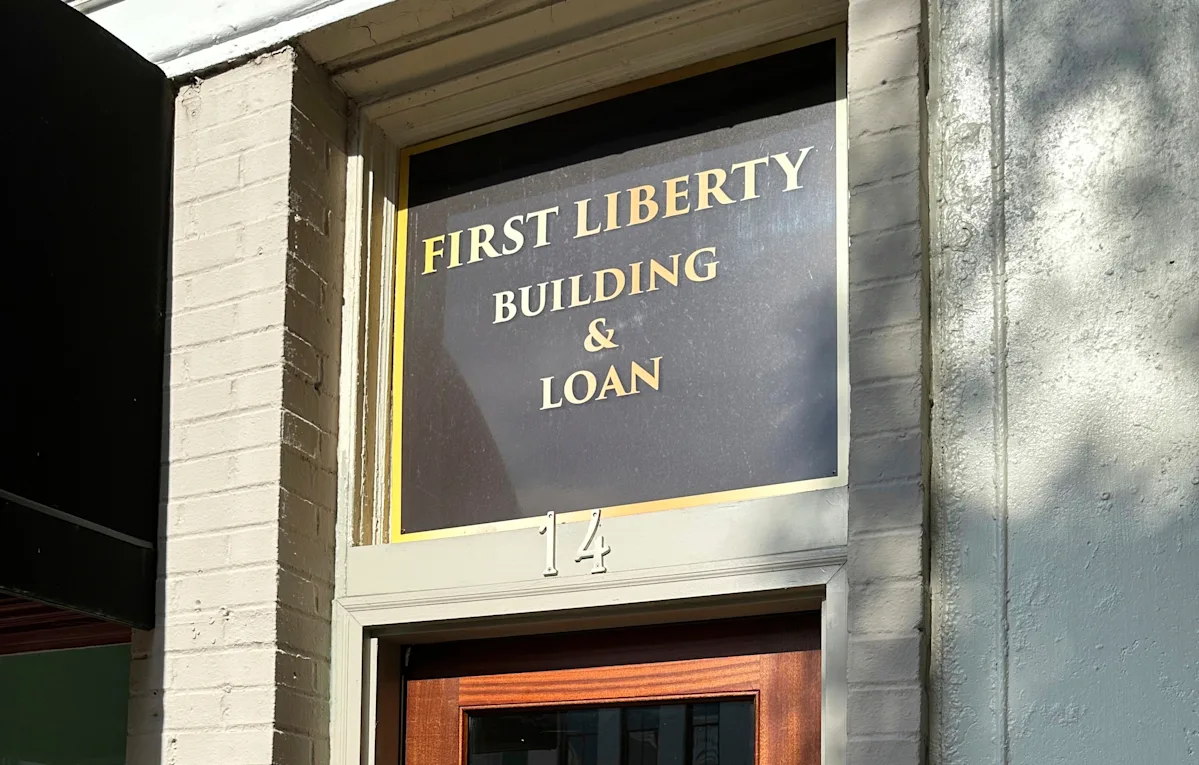
A Georgia Republican, Brant Frost IV, is accused of running a $140 million Ponzi scheme through First Liberty Building and Loan, defrauding 300 investors by misrepresenting its business and misappropriating funds for personal and political expenses, with investigations ongoing by federal and state authorities.
The SEC has accused Georgia Republican Edwin Frost of running a Ponzi scheme that defrauded 300 investors of $140 million, misusing funds for personal expenses and political donations, and operating since 2021 with false promises of high returns. Frost has taken responsibility and pledged to repay investors, while the scheme has been shut down and assets frozen.
Federal officials allege that Georgia Republican Brant Frost IV operated a $140 million Ponzi scheme through First Liberty Building and Loan, defrauding 300 investors with false promises of high returns, while spending investor funds on personal expenses and political contributions. The scheme, which began as a loan business, was exposed as a Ponzi scheme by 2021, leading to investigations and potential legal actions.
The SEC has accused Georgia-based lender First Liberty Building & Loan, linked to conservative politics, of operating a $140 million Ponzi scheme, misappropriating investor funds for personal expenses and political donations, and defaulting on most loans, leading to its shutdown and ongoing legal proceedings.
Federal officials allege that Georgia Republican Brant Frost IV operated a $140 million Ponzi scheme through First Liberty Building and Loan, defrauding 300 investors with false promises of high returns, while spending investor funds on personal luxuries and political contributions. The scheme, which began as a loan business, was exposed as a Ponzi scheme by 2021, leading to investigations and potential legal actions.
A conservative media-backed financial scheme involving Brant Frost IV's First Liberty Building and Loan, which promoted high-return investment products to fund conservative causes, has collapsed amid allegations of fraud, marking a significant blow to conservative media and its financial ventures.
Ian Gregory Bell, a Denver man, has been charged with multiple counts of wire fraud, mail fraud, and money laundering for allegedly defrauding over two dozen investors, including professional athletes, out of $1.3 million. Federal authorities claim Bell misrepresented his trading success and used investor funds for personal expenses. The SEC has also filed a civil suit against him for securities fraud, alleging he provided fake investment performance screenshots and lost all the investor money he traded. Bell has pleaded not guilty and was released on a $20,000 bond.
UK police have seized $1.78 billion worth of bitcoin from an investment fraud operation in China, with the accused, Jian Wen, standing trial for laundering bitcoin on behalf of her former employer, Zhimin Qian. The seized bitcoin, worth 1.4 billion pounds, was converted from roughly 5 billion pounds stolen from over 128,000 investors. Qian has fled and Wen, who has pleaded not guilty, is on trial for helping to convert some of the bitcoin into cash, property, and luxury items.
The former CEO of an investment firm, Peter Kambolin, pleaded guilty to a fraudulent "cherry-picking" scheme in which he misappropriated profitable trades for himself and caused losses to his investors. Kambolin, who marketed his firm as offering algorithmic trading strategies involving futures contracts, engaged in the scheme between January 2019 and November 2021. He allocated profits and losses from futures trades to benefit his own accounts unfairly, while misrepresenting the trading strategies to clients. Kambolin used the scheme's proceeds for personal expenses and transferred funds to foreign bank accounts. He faces a maximum penalty of five years in prison.
Matthew Motil, a North Olmsted house-flipper who called himself "The Cash Flow King," has been accused by the U.S. Securities and Exchange Commission (SEC) of running an $11 million Ponzi scheme that defrauded dozens of investors. Motil allegedly promised high returns on house-flipping ventures but used investor funds for personal expenses and other business ventures. He faces a lawsuit seeking to recoup money for investors and impose penalties, including a ban on serving as an officer or director of a public company.
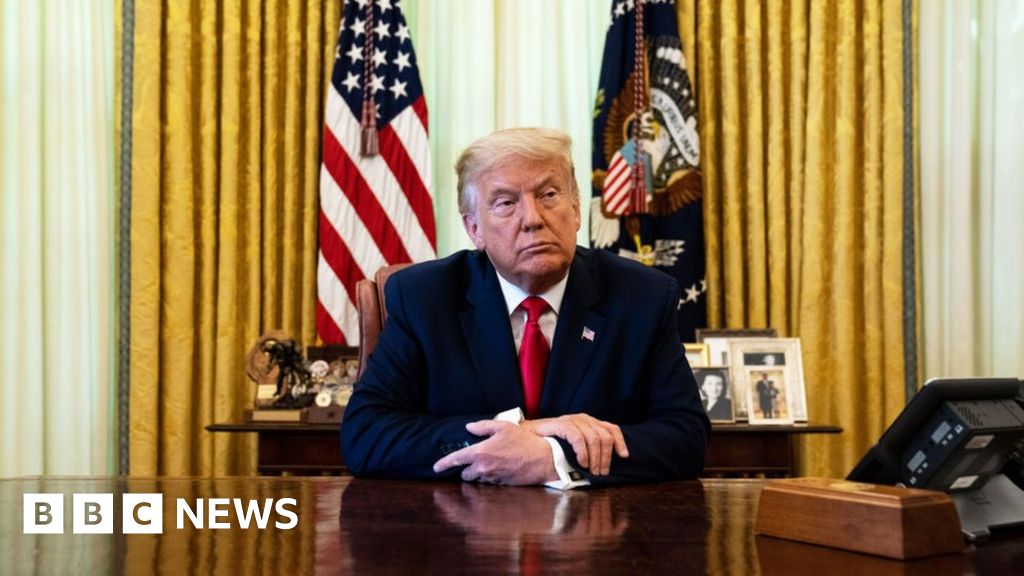
Eli Weinstein, a Ponzi scheme operator whose prison sentence was commuted by former US President Donald Trump, has been charged with a new Ponzi scheme less than a year after his release. Weinstein allegedly defrauded at least 150 investors, picking up where he left off before his previous conviction. He had pleaded guilty to two separate investment fraud schemes in the past, resulting in combined losses of over $224 million. Trump commuted his sentence on his last day in office, and Weinstein was released. He now faces charges of wire fraud and obstruction of justice, with potential prison time of up to 25 years.
William Ichioka, a former San Francisco resident, has agreed to plead guilty to wire fraud, aiding or assisting in the preparation of a false or fraudulent tax return, fraud in connection with the purchase and sale of securities, and commodities fraud in connection with his alleged investment fraud scheme involving cryptocurrencies and other investment vehicles that bilked victims out of millions of dollars. Ichioka admitted to fraudulently raising "tens of millions" of dollars from more than 100 people or entities, promising to invest in various securities and commodities, including cryptocurrencies, futures, derivatives, and foreign exchange currency transactions. He could face up to 68 years in prison and owes non-family investors at least $21 million and his family members more than $40 million.
The Securities and Exchange Commission (SEC) has charged William K. Ichioka, founder of Ichioka Ventures, with fraudulently raising $25 million from investors by making false claims about his investing success and promising large anticipated returns, but instead using investor funds for personal use, including gambling and luxury purchases. Ichioka has agreed to resolve the charges against him, including permanent and conduct-based injunctions, an officer and director bar, and reserving issues of disgorgement, prejudgment interest, and a civil penalty for further determination by the court. The U.S. Attorney’s Office for the Northern District of California and the Commodity Futures Trading Commission have also announced charges against Ichioka.