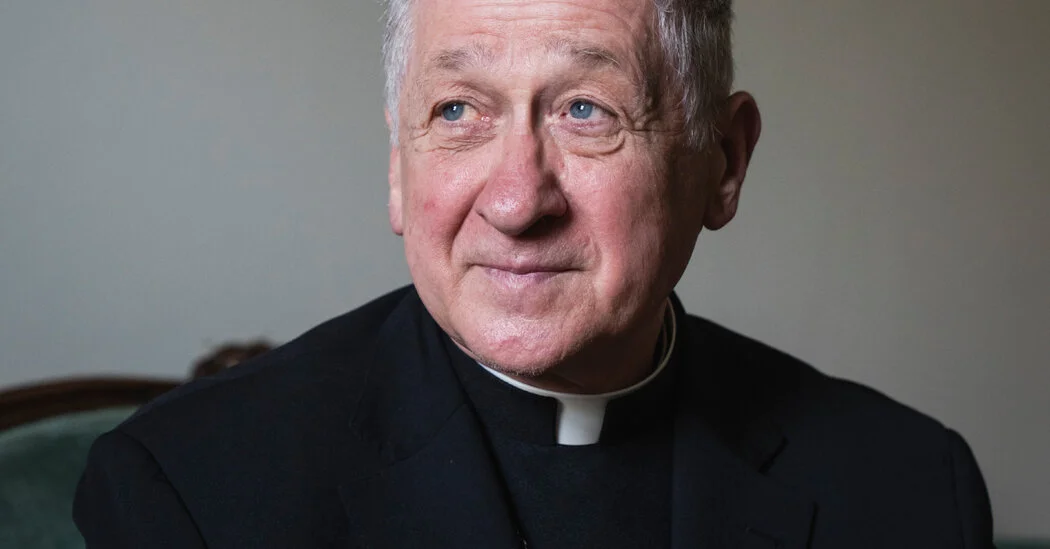
Three leading U.S. Catholic archbishops—Cupich, McElroy, and Tobin—call for a genuinely moral foreign policy, criticizing the Trump administration’s principles and urging military action only as a last resort after citing Venezuela, Ukraine, and Greenland; they frame this as the most significant moral debate about America’s world role since the Cold War, inspired by Pope Leo.
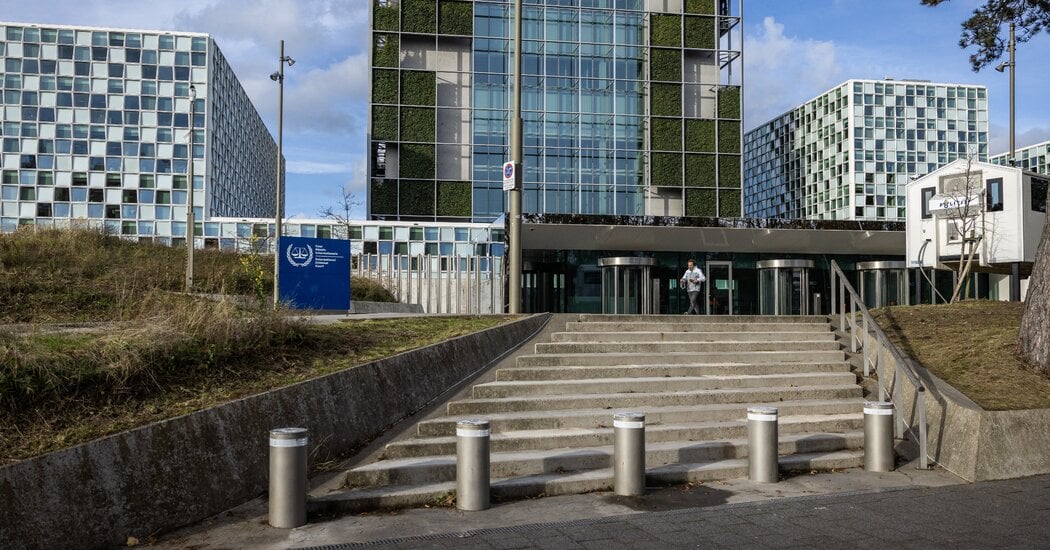
The International Criminal Court (ICC) can prosecute leaders of non-member states like Israel if alleged crimes occur in territories of member states or if the United Nations Security Council refers a situation to the ICC. This jurisdictional reach allows the ICC to investigate potential war crimes or crimes against humanity committed in Palestinian territories, which are recognized by the ICC as a member state.
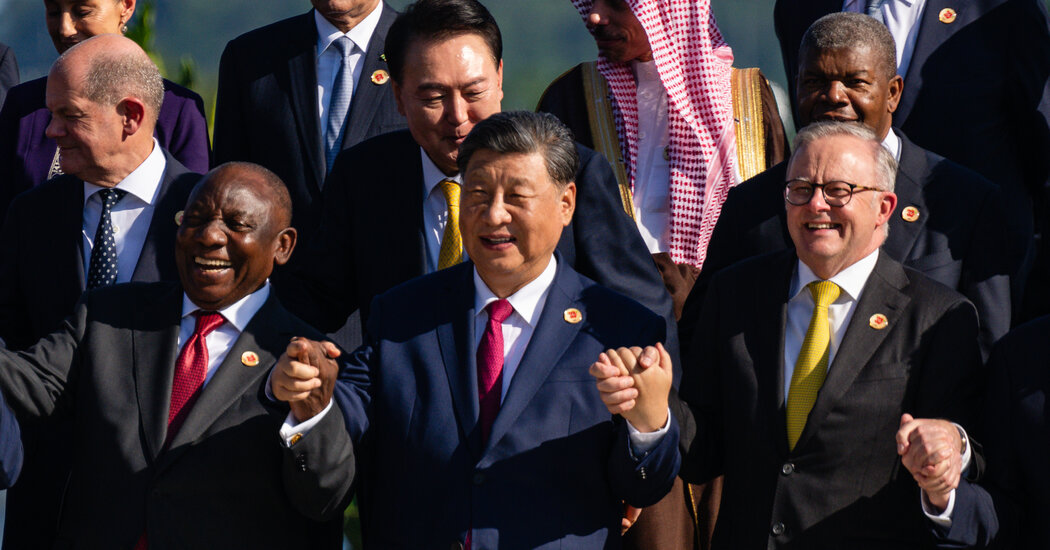
As Donald Trump returns to power, world leaders are increasingly looking to China for stability in international relations. This shift highlights the global community's desire for a balanced approach amidst changing political dynamics.
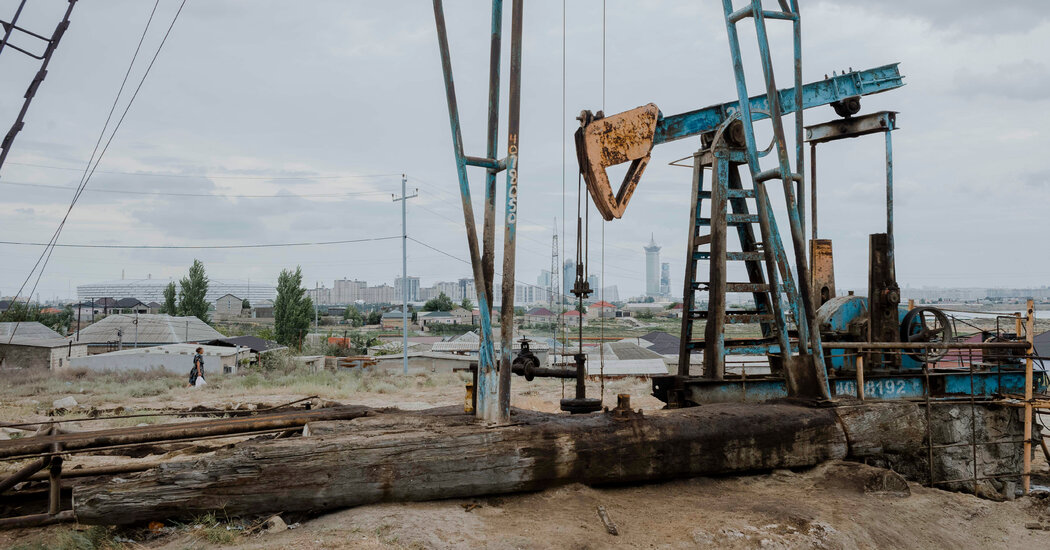
COP29 is being held in Baku, Azerbaijan, due to the country's strategic location and its commitment to addressing climate change challenges. The decision reflects Azerbaijan's growing role in international environmental discussions and its efforts to transition towards sustainable energy solutions.
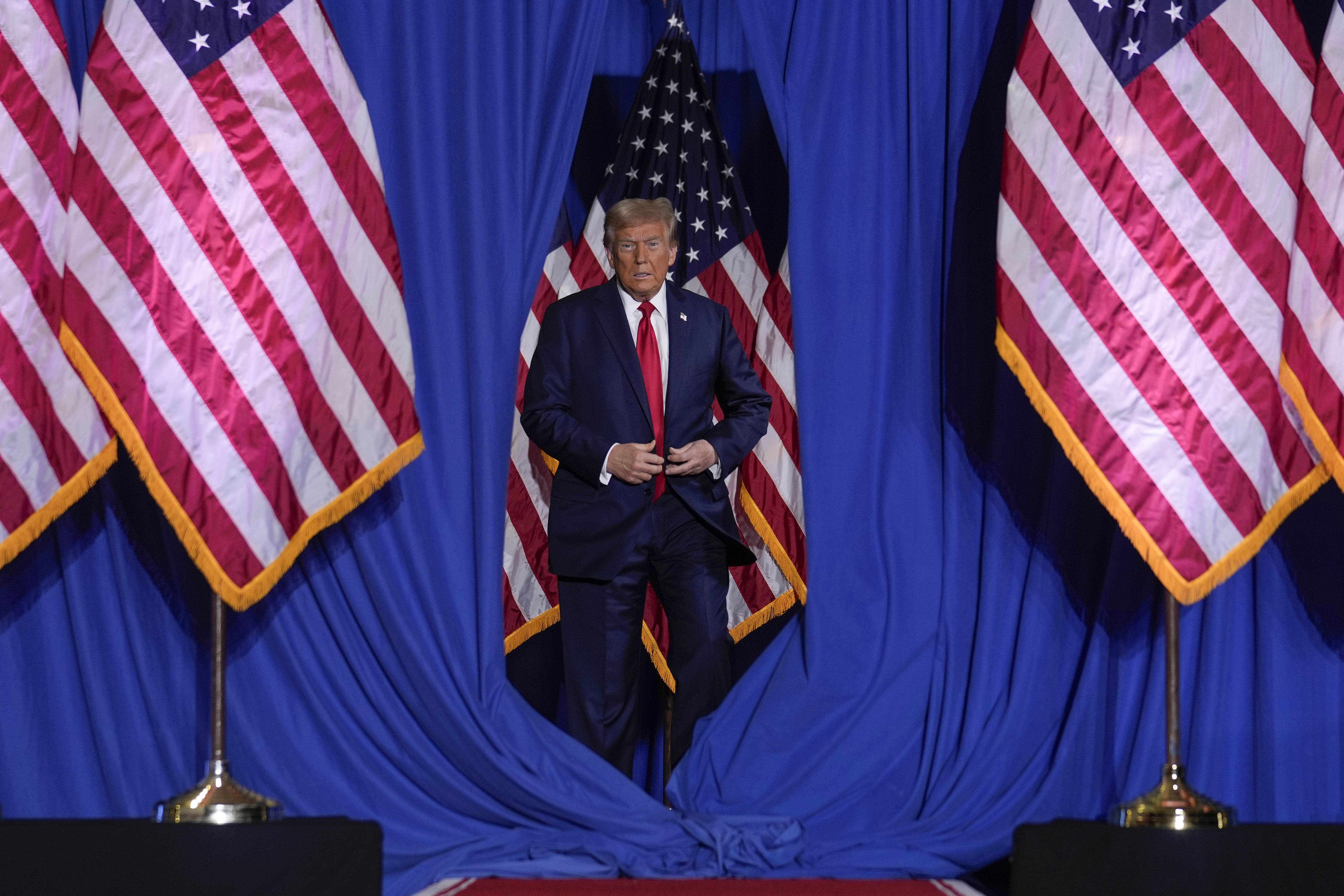
President-elect Donald Trump is expected to withdraw the U.S. from the Paris climate agreement for a second time, potentially moving faster than before. This decision could leave the U.S. as one of the few countries not participating in the pact, raising questions about global climate efforts, especially as the U.S. is a major greenhouse gas emitter. Trump's withdrawal could also impact international climate negotiations and allow China to gain influence in green technology markets. The move may challenge the commitments of other nations to the Paris Agreement, especially with the upcoming COP29 summit.
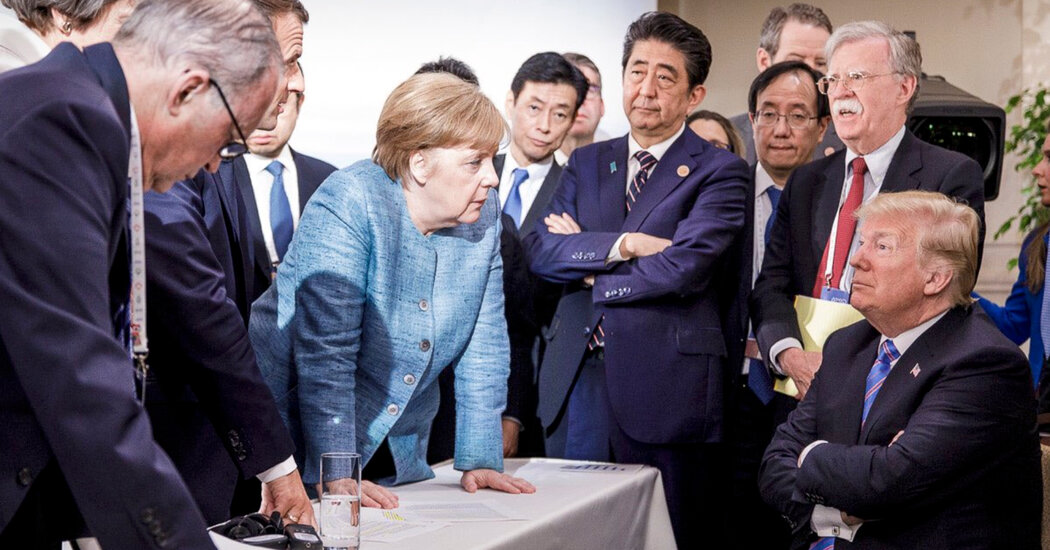
World leaders are strategizing for the possibility of a second Trump presidency, considering the potential impacts on international relations and diplomatic policies. They are preparing for shifts in U.S. foreign policy that could affect global alliances and trade agreements.
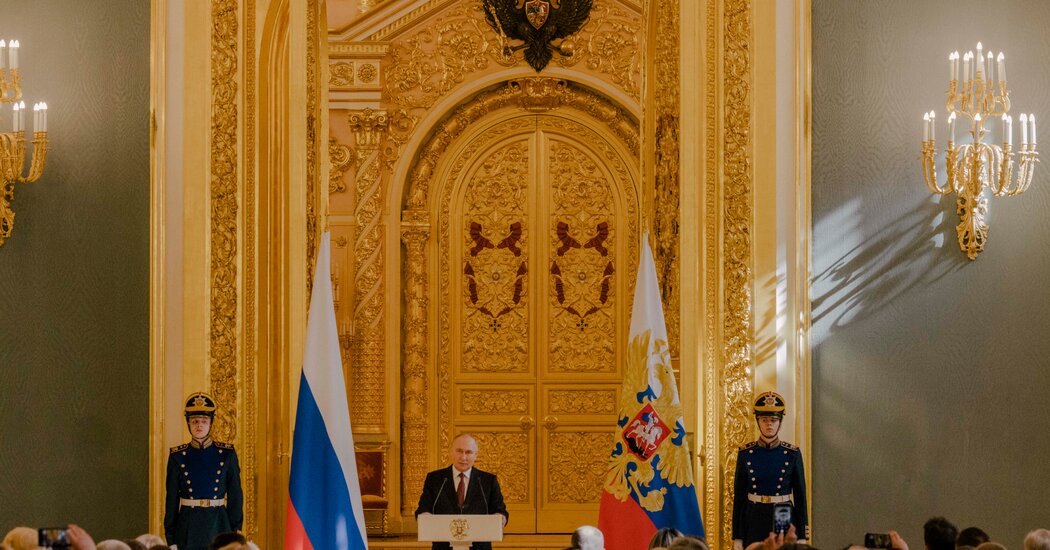
Russia has intensified its efforts to interfere in elections, openly escalating its tactics to influence political outcomes. This includes sophisticated cyber operations and disinformation campaigns aimed at undermining democratic processes in various countries, particularly targeting the United States. The escalation highlights the ongoing challenges in safeguarding electoral integrity against foreign interference.
China has targeted French brandy imports as part of an escalating trade dispute, potentially imposing tariffs or other trade barriers in response to an unspecified conflict with France. This move could affect the beverage industry and is indicative of rising trade tensions between China and European countries.
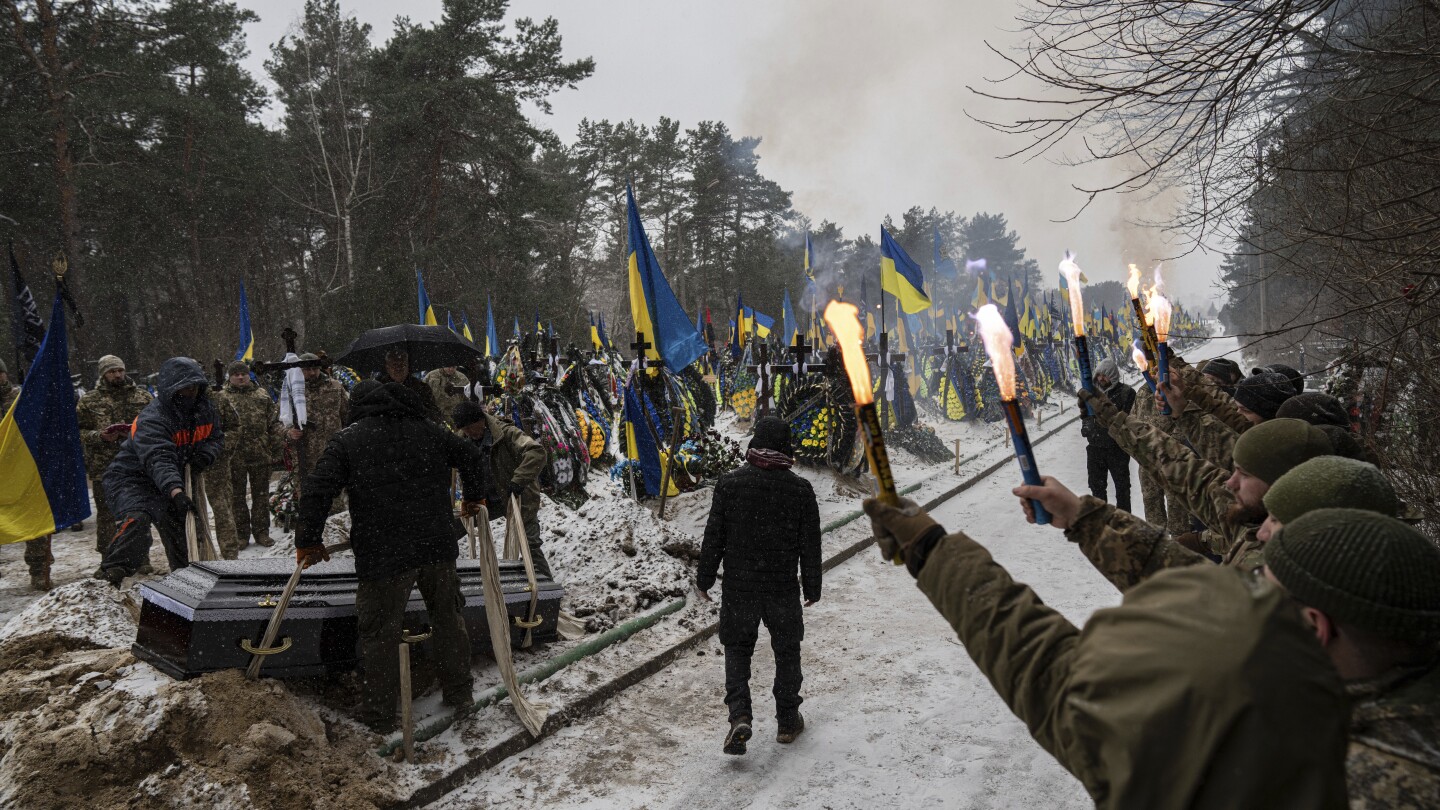
Russia and Ukraine continue to exchange heavy long-range attacks, with Russian defenses claiming to have shot down Ukrainian missiles over Crimea and Belgorod. The U.S. has revealed that Russia is using North Korean ballistic missiles and is seeking missiles from Iran. Casualties and damage have been reported on both sides, with civilian areas and infrastructure being targeted. NATO is discussing further defense support for Ukraine, while the country also faces threats of Russian cyberattacks on its telecommunications.
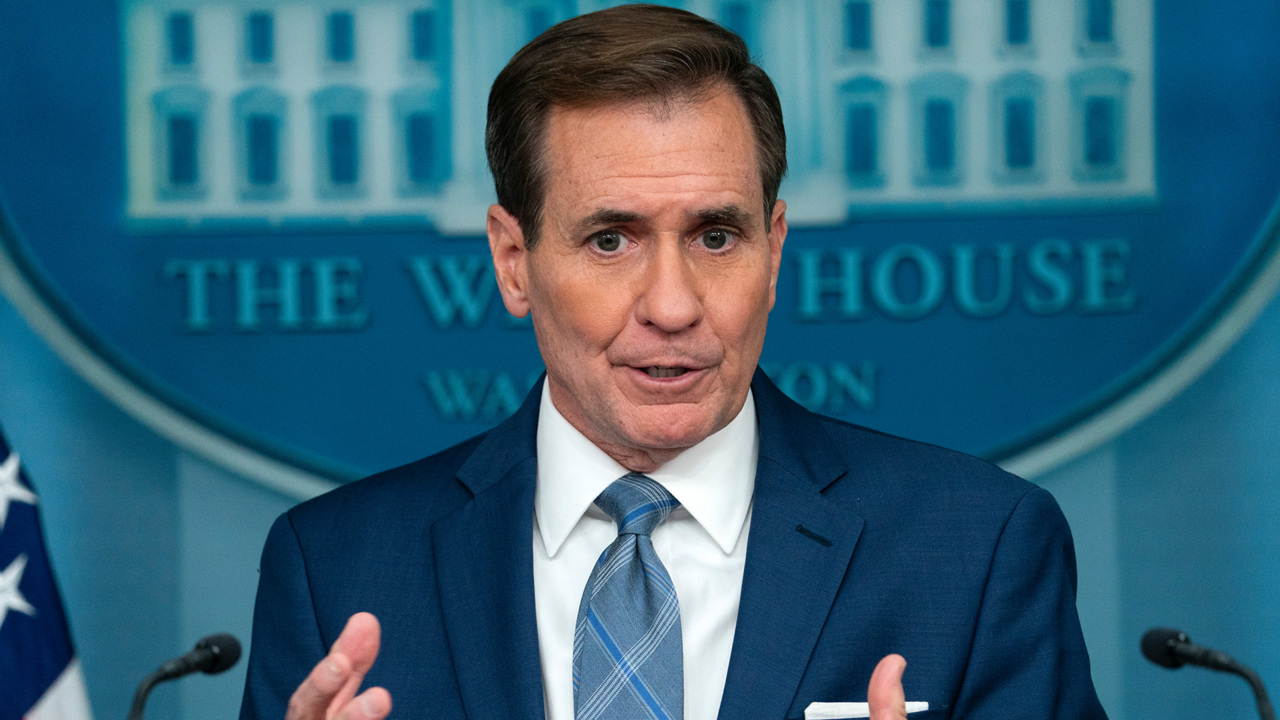
John Kirby, a spokesperson for the National Security Council, revealed that Russia has used North Korean ballistic missiles in Ukraine and is also seeking to acquire Iranian missiles. The use of these missiles is part of Russia's efforts to target Ukrainian civilian infrastructure amidst the ongoing conflict. This development underscores Russia's increasing reliance on partnerships with other isolated nations to sustain its military campaign in Ukraine. The U.S. is assessing the damage and anticipates further use of North Korean missiles by Russia.
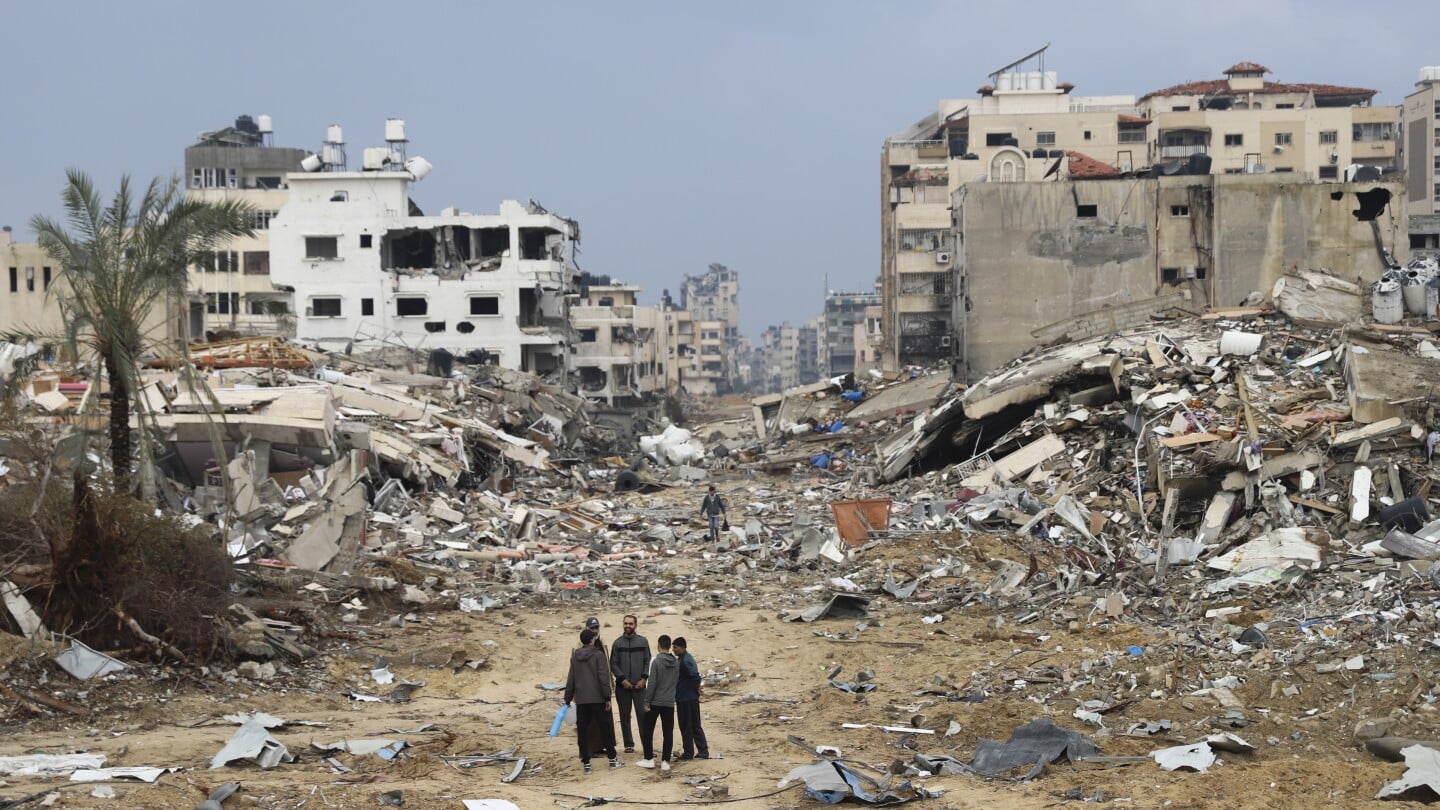
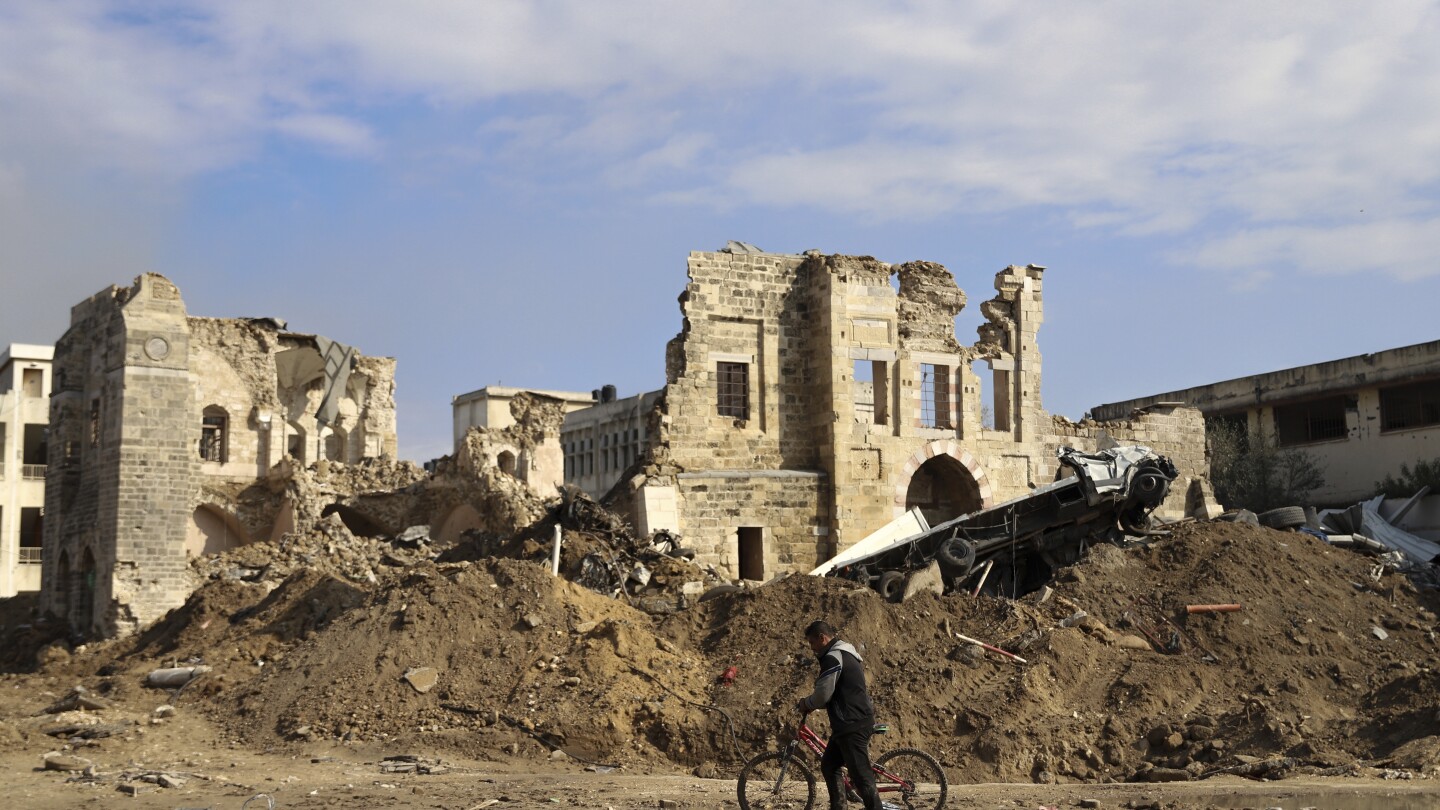
Intense fighting continues in Gaza with mounting fears of regional escalation after the killing of a top Hamas leader in Beirut, potentially by Israel. The conflict has resulted in significant civilian casualties and displacement, with the UN struggling to deliver aid. The US has urged action against Houthi attacks in the Red Sea, while Israel claims to have destroyed tunnels under Gaza's largest hospital. Hezbollah vows revenge for the Hamas official's death, and the UN criticizes calls for Palestinian displacement. Hearings are scheduled at the International Court of Justice for South Africa's genocide case against Israel, and Israel's finance minister faces backlash for comments on Palestinian migration.
Israel has announced the withdrawal of several thousand troops from Gaza amidst ongoing fighting, with a focus on low-intensity campaigns against Hamas strongholds. Despite the drawdown, fierce battles continue in central and southern Gaza, where most of the population has been displaced. The U.S. has criticized inflammatory comments by Israeli ministers about resettling Palestinians, and a top Hamas official was killed in Beirut. The Israeli Defense Minister has stated that the war against Hamas is not ending soon. Meanwhile, children in Gaza are being vaccinated amid the conflict, and Israel plans to defend itself against genocide accusations at the International Court of Justice. Additionally, Israeli forces killed four Palestinian militants in the West Bank, and the UK has sent aid to Gaza via Egypt. Finally, Israeli airstrikes have targeted the outskirts of Damascus, causing material damage.
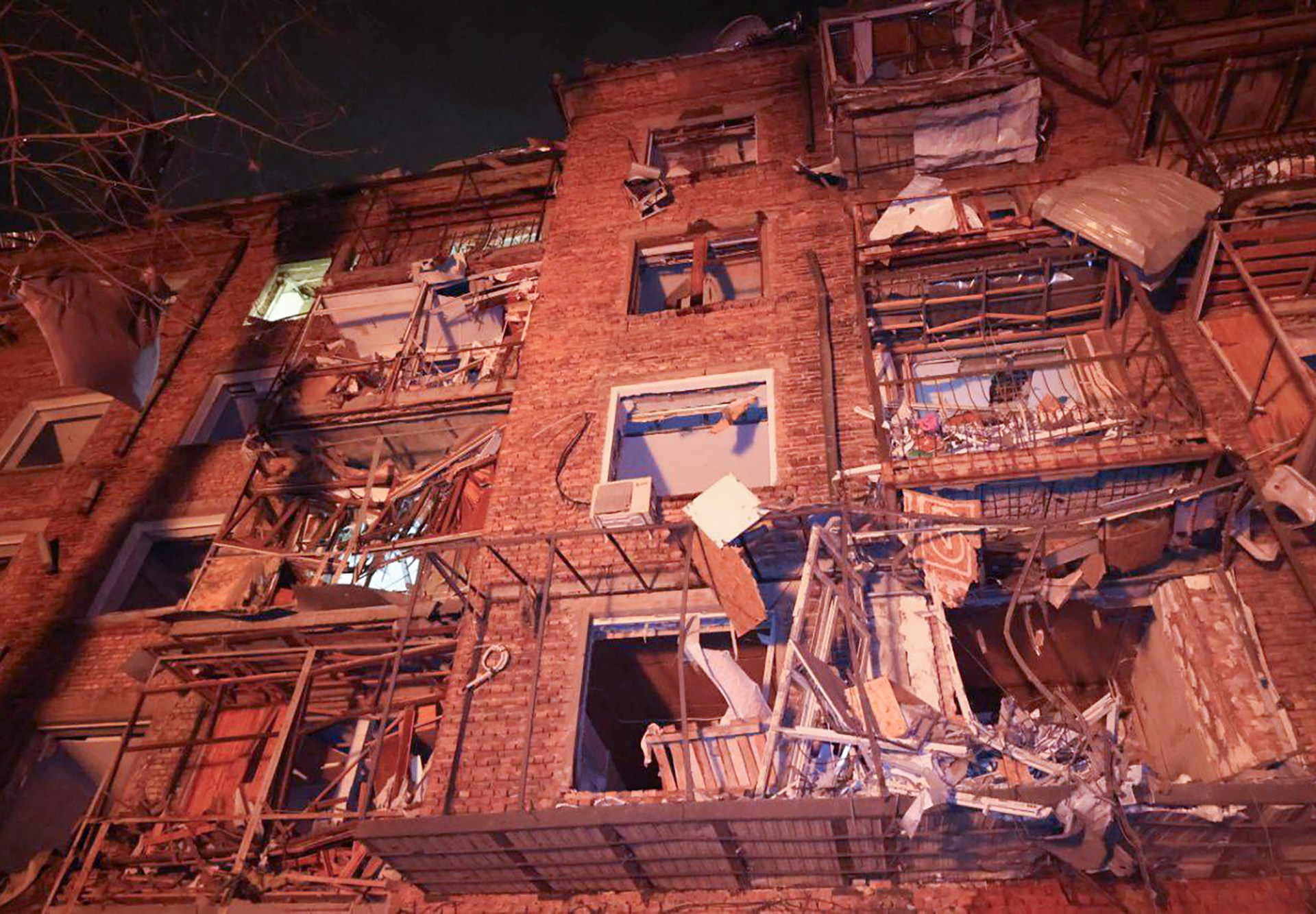
Russia launched a series of drone and missile attacks on Ukrainian military sites in Kyiv and Kharkiv, claiming retaliation for an attack on Belgorod that killed at least 22 people. The strikes in Ukraine resulted in civilian casualties and damage to infrastructure, including residential areas. The escalation follows one of Russia's largest assaults on Ukraine since the invasion began, with the US and Western countries continuing to support Ukraine despite some political pushback on further aid. An emergency UN Security Council meeting was held, and concerns over "fatigue" from Western backers have been raised as the conflict intensifies.
The year 2024 is poised to be a period of significant political uncertainty and instability, with challenging elections in major countries like the United States, the United Kingdom, and France, and potential government reshuffles in nations like Germany and Russia. The global pendulum is swinging towards conflict and state failures, with ongoing wars in Ukraine and Gaza, and increasing instability in countries like Sudan and Myanmar. Multilateralism is on the decline, with the UN Security Council becoming inoperative and a rise in bilateral efforts to address economic and security issues. Economic nationalism is gaining traction as countries prioritize self-sufficiency over global interdependence, with a shift away from the principles of globalism towards a focus on narrow national interests.
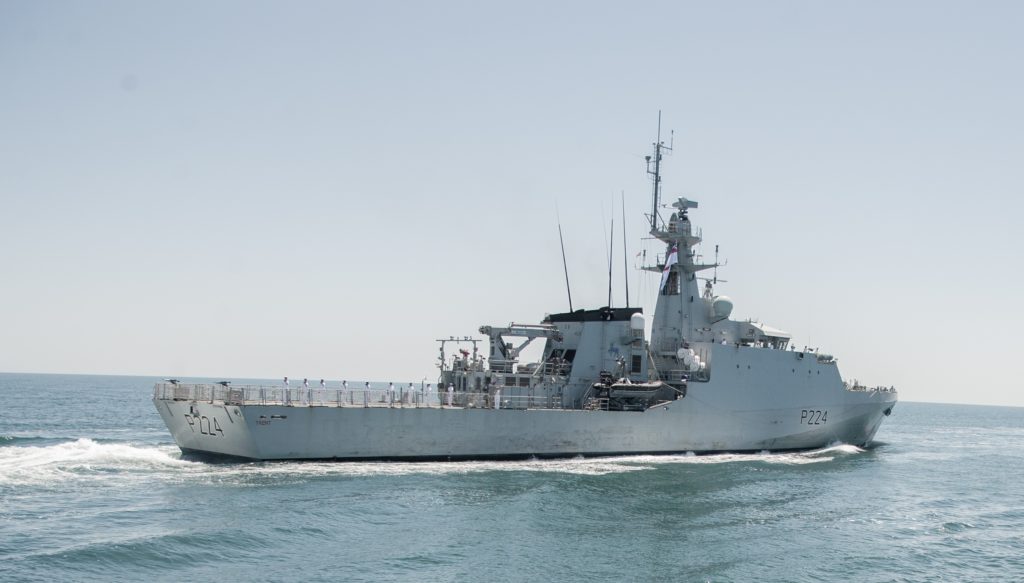
The arrival of the British warship HMS Trent in Guyana has escalated tensions with Venezuela, which has started military exercises in response. The presence of the warship is part of a series of engagements in the region, including training exercises with Guyana's military, amidst a longstanding border dispute over the resource-rich Essequibo region. Brazil has called for dialogue and adherence to the Argyle Declaration for a peaceful resolution, while Venezuelan President Maduro has accused Guyana of betrayal and described the British action as a threat. The dispute dates back to a 19th-century arbitration and has been reignited by Venezuela's recent referendum on the territory. Guyana has sought a legal ruling from the UN's top court on the validity of the original border agreement.