Tag

International Relations Economics

All articles tagged with #international relations economics

international-relations-economics1 year ago

"Yellen Raises Alarm Over China's Green Energy Industry Distorting Global Economy"

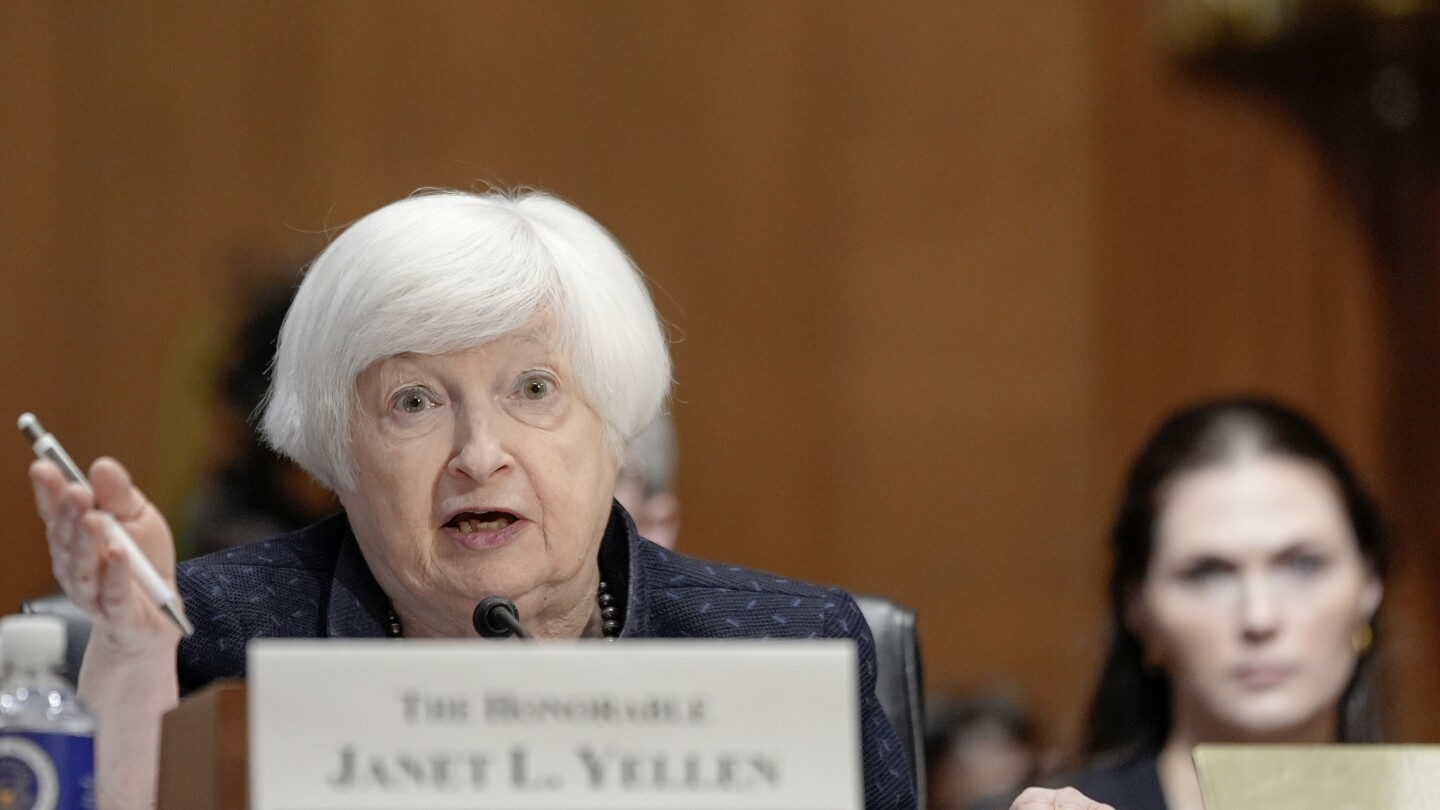
Treasury Secretary Janet Yellen criticizes China's rapid expansion in green energy industries, citing unfair competition that distorts global prices and hurts American firms and workers. Yellen plans to address these concerns during her upcoming trip to China, emphasizing the risks to productivity and growth in the Chinese economy. China's dominance in electric vehicle batteries and its filing of a WTO complaint against the U.S. over electric vehicle subsidies have raised international concerns, with the EU also launching an investigation into Chinese subsidies for electric vehicles. Yellen's remarks reflect strained U.S.-China economic relations, contrasting with Chinese leader Xi Jinping's call for closer trade ties with the U.S. amid ongoing trade disputes and accusations.

international-relations-economics1 year ago

Global Leaders Call for Seizing Russian Assets to Aid Ukraine

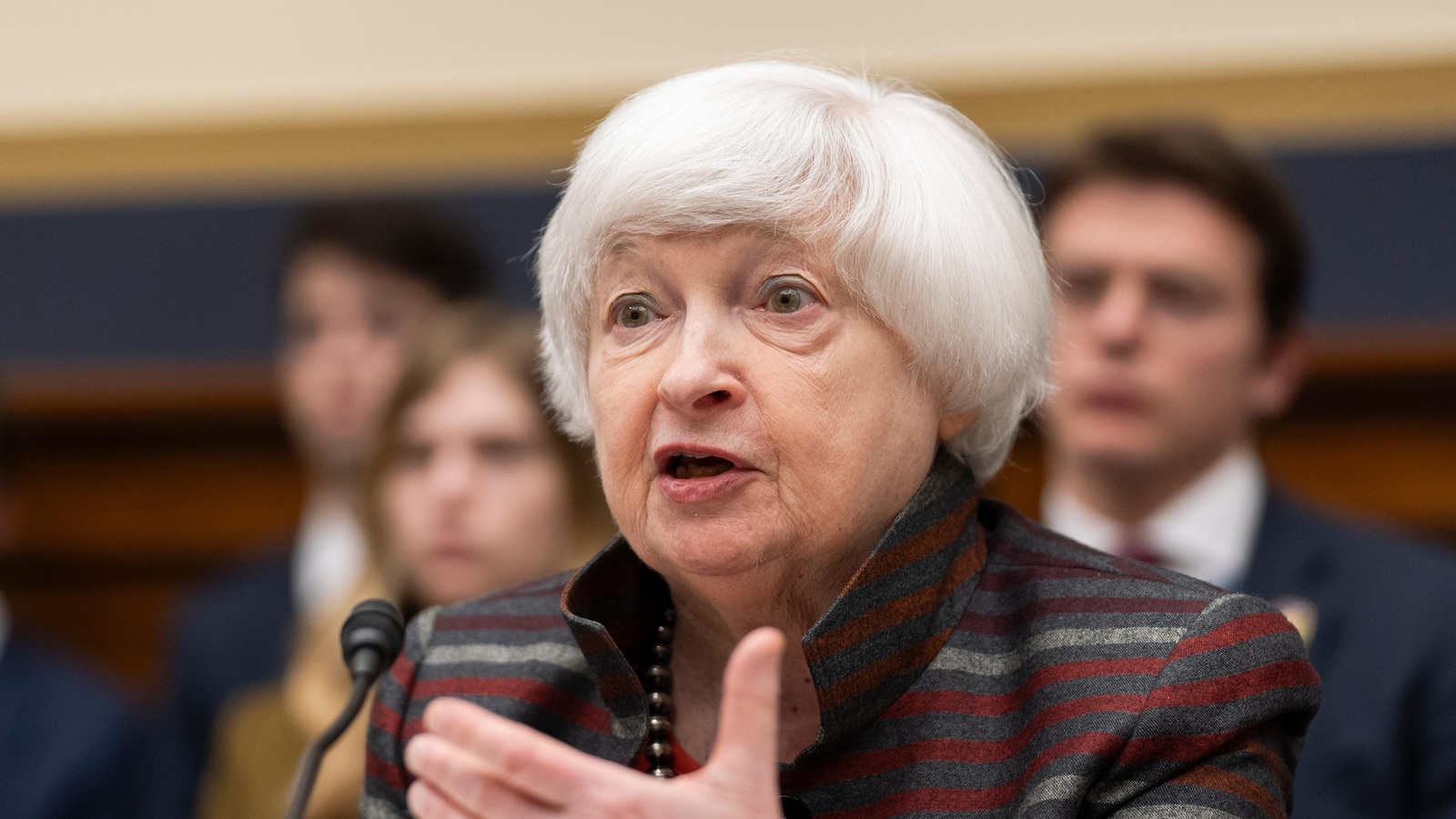
Treasury Secretary Janet Yellen urged world leaders at the G20 meeting to unlock roughly $300 billion in frozen Russian Central Bank assets and use them for Ukraine's reconstruction, citing a strong international law, economic, and moral case for the move. Yellen believes this would send a decisive response to Russia's threat to global stability and incentivize negotiations for a just peace with Ukraine, despite potential tradeoffs for the U.S. dollar's standing as the world's dominant currency.

international-relations-economics1 year ago

"Escalating Tensions: U.S. Imposes New Sanctions on Russia Despite Economic Forecasts"

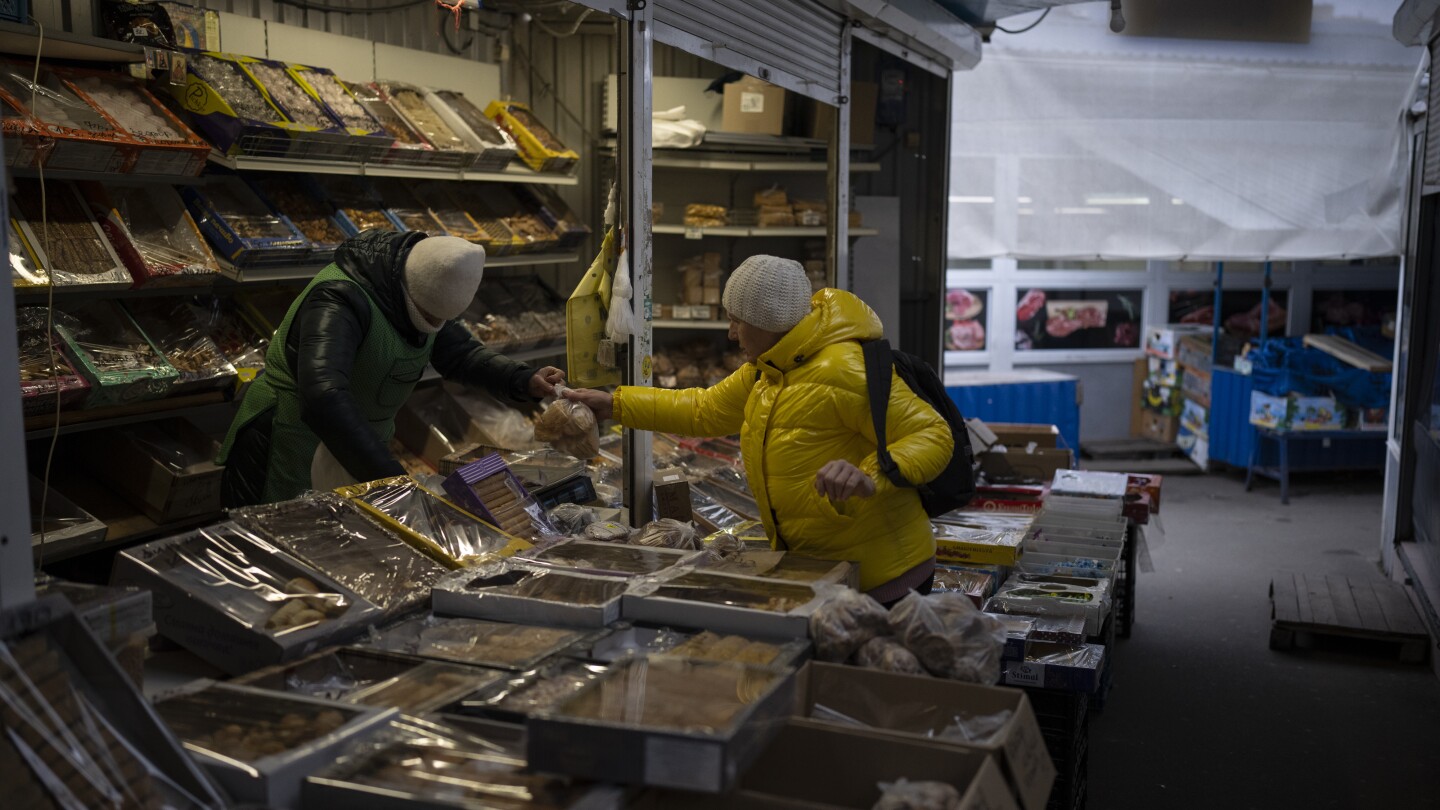
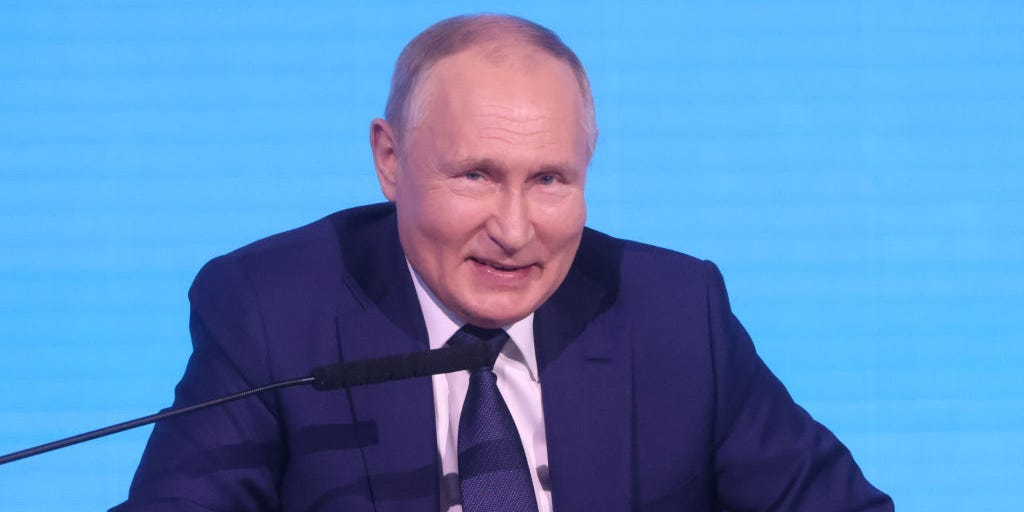
Despite U.S. efforts to cripple the Russian economy with sanctions, Russia's economy is expected to grow faster than major Western economies this year, thanks to resilience and support from China and India. The U.S. announced new sanctions in response to the death of Russian opposition leader Alexei Navalny, targeting over 500 individuals and companies, including critical nodes in the Russian military's supply chain. While previous sanctions have made it harder for Russia to wage war, they have not led to an economic collapse or deterred the Kremlin's plans for conquest. Russia's endurance is attributed to increased defense spending, finding new trading partners in Asia, and circumventing restrictions on oil sales.

international-relations-economics1 year ago

IMF Warns of High Debt Distress Risk for Maldives Amid Growing Ties with China

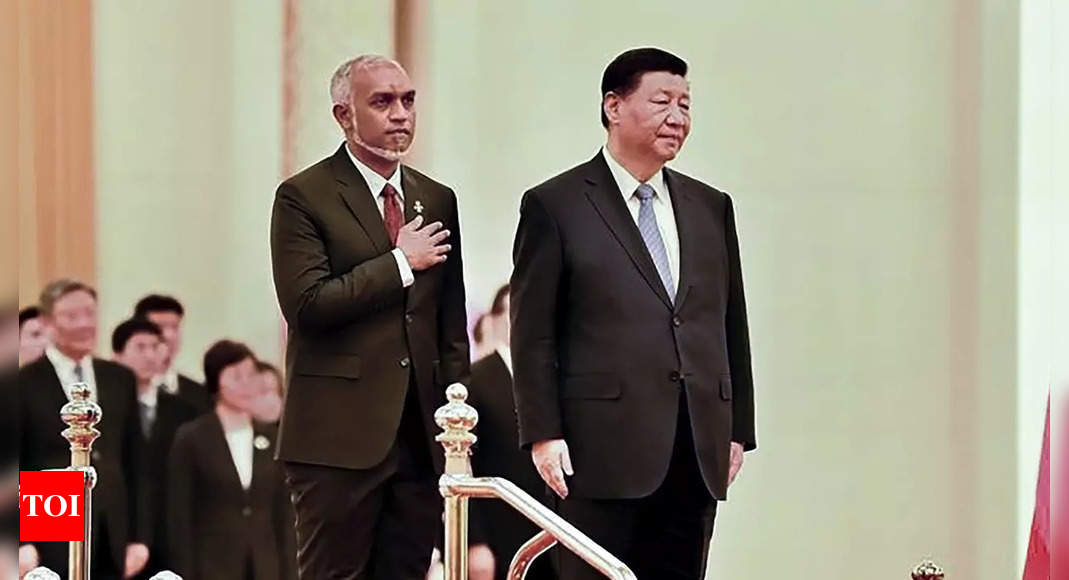
The IMF has warned that the Maldives is at high risk of debt distress due to heavy borrowing from China and a shift in allegiance from India under President Mohamed Muizzu, who has received increased funding from Beijing. The IMF emphasized the need for urgent policy adjustments to address the country's elevated fiscal deficits and public debt. This warning comes as several South Asian countries, including Pakistan and Sri Lanka, grapple with economic crises resulting from heavy borrowing from China as part of President Xi Jinping's Belt and Road Initiative.

international-relations-economics1 year ago

"EU's $54 Billion Aid Package for Ukraine: A Game-Changer in the Russia-Ukraine War"

The EU has agreed to provide Ukraine with 50 billion euros ($54 million) in aid to stabilize its war-ravaged economy, with the funds intended for areas such as paying state salaries and pensions, ensuring essential services, supporting the currency, and providing a safety net for foreign investments. The aid aims to help Ukraine recover from the economic impact of the conflict with Russia and set the country up for future EU membership. Meanwhile, Russia's economy has weathered Western sanctions better than expected, but some analysts predict potential tax rises after the upcoming presidential election.

international-relations-economics2 years ago

"Russia Threatens Retaliation Over Frozen Assets Amid Supply Chain Concerns"

Russia has warned of retaliation if the West seizes its frozen assets to aid Ukraine, with reports suggesting that G7 leaders are discussing the legal confiscation of $300 billion in Russian central bank assets. The European Union, G7 countries, Australia, and Switzerland collectively hold $288 billion in direct investments in Russia, potentially making them vulnerable to Russian retaliation. This move could have significant implications for the international financial system and foreign companies operating in Russia.

international-relations-economics2 years ago

"Using Frozen Russian Assets to Rebuild Ukraine: Zelensky's Call and G7's Caution"

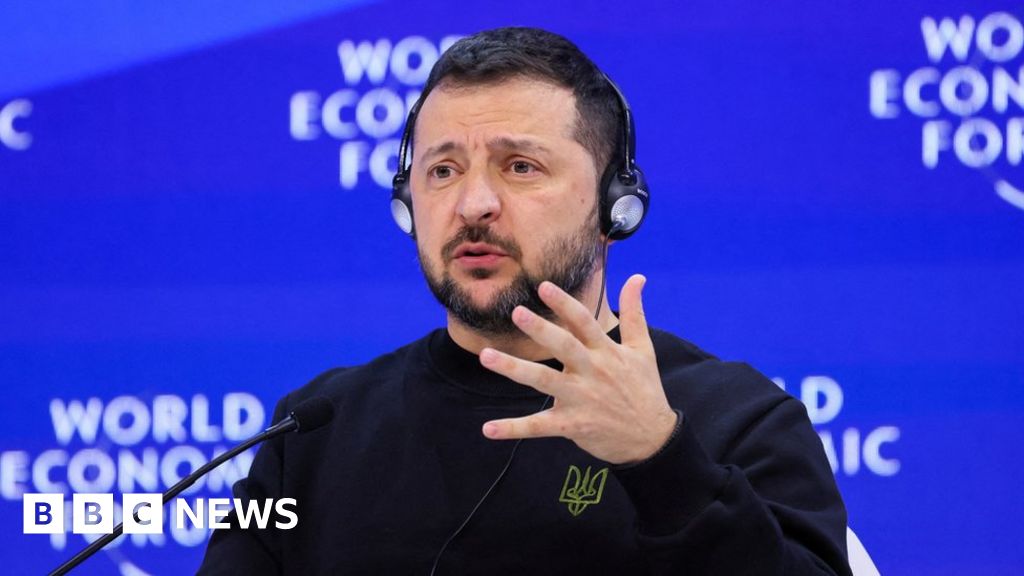
Ukrainian President Zelensky is urging world banks to release all of the $300 billion in frozen Russian assets to help rebuild Ukraine, rather than just the rise in value and interest since the assets were frozen in 2020. While the US and UK are supportive, European central bankers are concerned about setting a precedent that could undermine global financial stability. Zelensky argues that Western taxpayers should not bear the burden of rebuilding Ukraine, and believes the seized Russian assets should be used directly for that purpose. However, there are fears of "weaponizing" central banks and currencies, and some in the West are in denial about the threat posed by Putin to their territory.

international-relations-economics2 years ago

"EU Imposes Sanctions on Alrosa, Russia's Diamond Giant"

The European Union has sanctioned Alrosa, the world's largest diamond producer, and its CEO Pavel Marinychev, in response to Russia's ongoing war in Ukraine. The sanctions include a ban on Russian diamond imports, a visa ban, and an asset freeze within the EU. This move aims to cut off significant revenue for the Russian government, as Alrosa accounts for 90% of Russia's diamond production. The EU's ban on natural and synthetic diamonds from Russia took effect on January 1, with further restrictions to be implemented by September. Despite 12 rounds of sanctions, the Russian economy has shown resilience in adapting to the new economic landscape.

international-relations-economics2 years ago

"India's Russian Oil Imports Hit a Low as Sanctions and Payment Troubles Prompt Shift to Saudi Supply"

India's imports of Russian crude oil have declined due to stricter enforcement of G7 sanctions and payment complications, leading to tankers rerouting away from India. The U.S. has sanctioned vessels carrying oil priced above the G7 cap of $60 per barrel, affecting the trade of Russia's Sokol grade oil to India. The sanctions have resulted in India's Russian oil imports hitting an 11-month low in December, as the country grapples with the decision to dock sanctioned tankers.

international-relations-economics2 years ago

"Argentina Declines BRICS Membership, Alters Global Trade Dynamics"

Argentina's new President Javier Milei has decided against joining the BRICS trading bloc, led by China and Russia, marking a significant shift from the country's previous administration's intentions. Milei, who has been implementing deregulatory economic policies since taking office, has expressed a preference for aligning with Western nations and plans to review decisions made by the former government. Despite China and Brazil being Argentina's top trading partners, Milei's stance reflects his campaign criticisms of communist countries and his commitment to "free nations." This move represents a setback for BRICS' efforts to expand its influence and counter Western economic dominance.